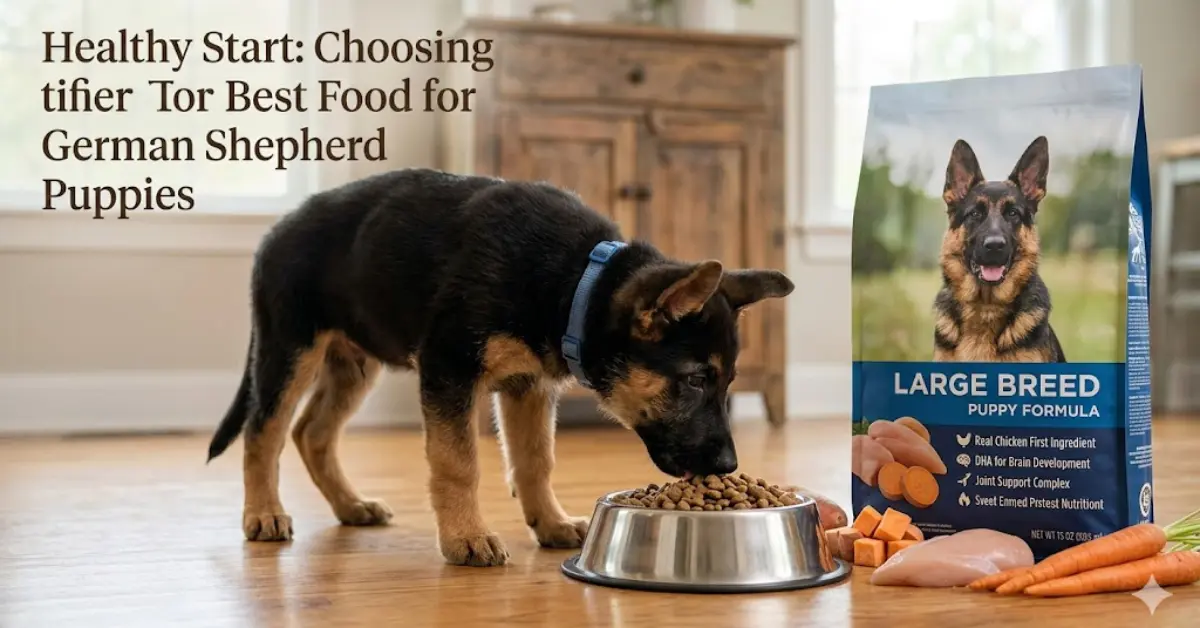
Puppies of the German Shepherd breed shoot up fast, meaning their diet needs to back muscle strength, solid bones, and sharp mental growth. Protein packs a punch here, along with good fats, DHA, plus wisely managed calcium levels to keep joints safe while fueling total progress. Dry kibble works, but so can moist options or home-cooked dishes, if they meet veterinary standards. What counts is sticking to clean ingredients, correct amounts, day after day. Feed them well on schedule, minds sharpen just as much as bodies do.
Growth and Nutrition Effects
Puppies stretch fast, though joints sometimes can’t keep pace. Since development doesn’t always move together, what they eat at first really shapes how things go. Bones grow slower than muscle, even when the dog looks full-sized. Meals in those early months matter more than most realize.
When Food Lacks Variety
- Poor digestion
- Fragile bones
- Long-lasting joint problems
Nutrient-Dense Options
- Strengthen muscle
- Aid hip function
- Enhance fur quality
- Sustain energy levels
Running hard, a German Shepherd pushes its brain the way it uses its paws. Because energy burns fast, meals do more than fill the stomach they shape focus. Strength spikes come suddenly, yet logic builds quietly across mealtimes. One foot at a time, progress sticks close to leaps – each fueled by the very same spark.
Nutritional Needs of a German Shepherd Puppy
Puppies built to be big do best on meals that match how they grow. Fast growth from bad food can lead to sore joints later. One problem tied to this is hip dysplasia popping up more than usual. Vet teams and dog clubs alike have noticed the pattern clearly.
Core Nutrients
- Protein
- Fats
- Vitamins
- Minerals
- Carbohydrates
- Water
Protein takes center stage in meals made for young German Shepherds. Fats supply energy for active bodies. Vitamins support growth. Minerals build strong bones. Carbohydrates fuel movement. Water supports everything behind the scenes.
1. High-Quality Protein
Inside each cell, proteins nudge muscle growth while steering tissue healing. Day by day, strength builds as this nutrient renews immune cells.
Protein Sources
- Chicken
- Lamb
- Turkey
- Salmon
Starting fresh wins each moment you choose your meal. Whole bits outdo broken ones, clearly. Actual sections of food do exactly what they should.
2. Calcium and Phosphorus Balance
Puppies of larger breeds grow at a steadier pace when minerals are kept in balance. Too much of anything can tip things off balance bone strength included.
- Stability shapes how they grow well
- Strong skeletons start with smart feeding choices
- Each morning, check what ends up inside their food
Out of nowhere, odd shapes could show in bones when calcium builds during growth. Even if extra calcium feels useful, it may twist development rather than keep structure intact.
3. DHA Aids Brain Development
DHA Contributes to Brain Function
- Brain development
- Learning ability
- Vision health
Fish oil from ocean catch weaves DHA into leading puppy meals.
4. Healthy Fats
Fats provide energy and support:
- Skin health
- Coat quality
- Brain function
Omega-3 and omega-6 fats deliver noticeable advantages.
5. Glucosamine and Chondroitin for Joints
Some dogs move well their whole lives, yet others face trouble because growing bones can rush ahead hip or elbow joints might form off track. Glucosamine supports smoother movement over time.
Joint Support Benefits
- Pressure eases on developing bones
- Steady growth support
- Better joint strength
- Reduced wear and tear
Large puppies require well-rounded diets to support steady growth without stressing their bodies. Joint strength matters as much as bone safety during early stages.
6. Probiotics Support Healthy Digestion
German Shepherds can experience sensitive digestion. Helpful microbes help maintain balance when the gut reacts easily.
Digestive Benefits
- Food breaks down better
- Faster nutrient uptake
- Smoother digestion process
- Calmer stomach response
Packed into some puppy meals, probiotics ease digestion while fermented bits can calm a queasy belly. Tiny though they are, they help during sensitive growth phases.
7. Vitamins and Antioxidants
- Vitamin A shapes a pup’s defenses early
- Vitamin E protects cells
- Vitamin C supports resilience
Antioxidants help cells endure fewer hits while supporting long-term wellness quietly. Safety continues without noise, working beneath the surface.
Best Puppy Food for German Shepherd (Dry vs Wet vs Homemade)
Many owners wonder what is the best food for German Shepherd puppies: dry kibble, wet food, or homemade meals.
Each option has benefits.
Comparison Table: Types of Puppy Food
| Food Type | Benefits | Drawbacks | Best For |
| Dry Kibble | Balanced nutrition, supports dental health | Less moisture | Everyday feeding |
| Wet Food | More palatable, high moisture | Expensive | Picky eaters |
| Homemade Diet | Full ingredient control | Requires veterinary planning | Owners committed to meal prep |
Most veterinarians recommend high-quality dry food as the primary diet, sometimes supplemented with wet food or homemade meals.
A consistent feeding schedule for German Shepherd puppies helps regulate digestion and energy levels.
Recommended Feeding Frequency
|
Age |
Meals Per Day |
|
8–12 weeks |
4 meals |
| 3–6 months |
3 meals |
| 6–12 months |
2 meals |
Regular feeding times also help with house training and digestion.
As German Shepherd puppies grow, their metabolism and digestive capacity change. Younger puppies require frequent meals because their stomachs are small and they burn energy quickly.
As they approach six months of age, their digestive systems mature and they can handle larger meals less frequently. Maintaining a consistent feeding schedule also helps regulate energy levels and supports healthy digestion.
How Much Food Should a German Shepherd Puppy Eat?
Many new owners ask, how much food should a German Shepherd puppy eat?
Portion sizes depend on:
- Age
- Weight
- Activity level
- Type of food
A general guideline:
|
Age |
Daily Food Amount |
|
2–3 months |
1–2 cups |
| 3–6 months |
2–3 cups |
| 6–12 months |
3–4 cups |
Always follow feeding guidelines on the dog food label and consult a veterinarian when unsure.
Healthy Food Choices for German Shepherd Puppies
Healthy Additions
Beyond commercial dog food, some healthy additions include:
- Cooked eggs
- Plain yogurt
- Pumpkin
- Blueberries
- Carrots
Born in soil, fruit feeds your cells while shielding their delicate core. Meanwhile, vegetables deliver strength – packed with essentials that keep your inner systems running smooth.
Treat Balance
- Puppies enjoy treats, yet those should only take up about ten percent of what they eat each day
- Here’s a nibble now and then – okay, sure – though the bulk must come from proper meals
- Skip loading every bit with sugar or heavy richness; steadiness beats taste any time
- What fills their bowl at mealtime means far more than anything slipped by hand
- Bits of flavor can join in, though most should still be clean stuff
- For every ten chunks, just one gets to be fun
- That balance makes it work
Foods That Can Hurt German Shepherd Puppies
Some people munch on foods just fine – same snacks can leave a young dog feeling awful. A treat here, a bite there…no problem for humans, total chaos for puppies.
Avoid Feeding
- Chocolate
- Grapes and raisins
- Onions and garlic
- Xylitol (found in sugar-free products)
- Alcohol
- Excessively salty foods
- Start by calling a vet the moment your puppy swallows anything dangerous
- If sudden mishaps strike, seconds stretch into urgency – professional care turns things around
Common Misbeliefs About Feeding German Shepherd Puppies
A story begins with one person who owns a dog. After that, another listens, then another still. Each version moves without noise, yet never slows. From one yelp, fresh turns emerge every round. Tiny pieces change shape along the way. For a short while one form stays, then slips into the next. News moves on its own, needing no push. Other times just an eye meeting another tells it all.
Later on, tiny changes collect into something bigger. Take another glance at the messy bits. A few spots only require smoothing. Focusing on certain details makes a difference. The key thing – run it past you once more.
Puppies Do Not Need Unlimited Food
- Piling extra portions into a dish speeds up growth, typically straining still-forming joints
- When eating isn’t regulated, rapid changes tend to flood delicate internal functions
Grain Free Does Not Mean Healthier
- Some dogs do well with grains, unless they’re allergic
- Energy gets a boost from rice; oats help the gut stay balanced
- One puppy thrives, although another stumbles for no obvious cause
- With carbohydrates around, meals tend to settle better
Raw Diets Not Always Better
Something missed often leads to risk in food left raw. Careless choices with raw items bring hidden threats fast. When heat does its job, germs die – skip that, and intruders move free. Soft handling does nothing after unseen riders multiply. Attention slips, and quiet visitors travel deep into cold, unchanged pieces.
- Someone who knows animals is right there
- That helps
- Close by help fits better than delay
- Right now, quick response matters most
Table Scraps Can Be Risky
Inside common dishes, salt hides where many do not check – but that bite might damage a dog. Regular human food holds dangers rarely thought of during sharing moments. What feels light for us can flood a pet’s body. One small taste offered kindly now and then shifts outcomes completely.
- Try food options made just for dogs instead
Common Feeding Errors New Pet Owners Make
Most tiny pups get sick when owners choose meals without thinking. Caring a lot doesn’t always mean feeding right. Mistakes happen, even with good hearts.
Common Mistakes Include
- Heavy eating can ramp up growth rates, stressing the joints more
- What enters the mouth shapes how bones carry weight
- A body growing too fast bears down on its hinges
- Meals piled high may push development into higher gear
- Growth fueled by excess bites tightens strain across moving parts
- When intake swells, motion feels the squeeze
- Stacked plates sometimes translate to creaking knees
- Speedy height gains often trace back to full bowls
- Joints notice when meals never seem to stop
- Switching dog food too quickly without gradual transition
- Giving too many treats during training
- Feeding adult dog food before the puppy finishes growing
Stumbles fade, letting progress move forward, though growth sometimes waits. Still, movement continues after missteps dissolve into background noise.
When Safety Rules Cause Accidents
- Growling at unfamiliar people comes easily to German Shepherds
What they grow into hinges on tackling what’s in front of them. Power shows up when those parts blend.
- Overprotection during puppyhood might fuel future difficulties
Warning Signs Include
- Excessive barking at strangers
- Aggressive guarding
- Fear-based reactions
- Early training and socialization are critical
Puppies Should Meet
- Different people
- Other dogs
- New environments
Once things pick up speed, turning to veterans reshapes what happens next. Shifts emerge when the pace alters – experience suddenly counts more than before. Problems show up quickly, yet seasoned folks spot them early. Time teaches what fits where fresh attempts miss.
People Who Might Not Suit German Shepherds
A space can fit a German Shepherd without trouble, although some discover it’s harder than expected. Still, plenty of areas struggle even if a handful manage just fine.
Think Again When
You Want a Low Maintenance Dog
German Shepherds require:
- Daily exercise
- Mental stimulation
- Training
You Work Long Hours
Left by themselves too much, people sometimes start feeling the weight without anyone noticing. When conversation runs thin, restlessness might appear little by little, like a slow leak in quiet moments.
You Prefer a Quiet Dog
Born ready, many of these dogs bark without needing a reason. Right away they start keeping an eye on things, days after arriving.
You Are Not Interested in Training
Right up front works well enough for them. A steady grip holds everything where it should be.
Out of nowhere, silence can turn into noise when help stays absent. A single move ahead may stir disorder instead of progress unless someone steps in.
Healthy Eating Tips German Shepherd Puppies
That glint in a puppy’s fur often tells you something. Energy levels stay even when things are right. Digestion works without trouble if the food fits. Packaging shouts promises that vanish by mealtime. Actions speak where labels fail. Proof arrives long before thinking catches up. Most mornings show truth in the way the dog moves, not in online advice. When stillness comes and no one tries to impress, clues appear. A shift in posture, the moment someone leaves the table, peace found mid-afternoon – these hold quiet meaning. What unfolds without words often matters more than explanations afterward. Knowing starts there.
Signs of a Healthy Diet Include
- Steady and consistent weight gain
- A shiny and healthy coat
- Strong energy levels
- Healthy digestion with firm stools
Each dawn feels new if sleep was long. Skin stays strong through gentle habits, quiet and kind. Over time, small acts add weight – changing the shape of days
- One day, a dog seeming sluggish might mean dinner isn’t quite right
- When tummy troubles happen often, a chat with the vet about meals could help
- A quick visit sometimes shows problems never noticed at home
- Dull coat showing up? Chances are breakfast has something to do with that
Frequently Asked Questions
German Shepherd Puppy Food Guide?
Puppies get stronger when meals match what they need. Protein does its part by shaping muscle, whereas DHA helps them think clearly. Bones become solid thanks to calcium doing unseen work. Energy stays balanced because of healthy fats in their bowl. Quick minds come from bodies that feel sturdy. Big things appear not just in stature but through sharp gaze and quick moves. Food weighs heavy on early moments, shaping what follows next.
Feeding Frequency for German Shepherd Puppies?
- Puppies begin life with food needed quite often – four times a day supports steady growth
- When legs stretch longer, stomachs adjust; breakfast and dinner slowly take over where lunch used to be
- The amount that once spilled across four bowls settles neatly into just two
German Shepherd Puppies and Homemade Food?
Home-cooked food can work well – yet checking with a vet must come first, ensuring every necessary nutrient is included somehow. Not the components on their own, but the way they fit together matters most in the end.
German Shepherd Puppies Foods To Avoid?
Avoid:
- Chocolate
- Onions
- Garlic
- Grapes
- Xylitol
These foods are toxic to dogs.
When should I switch to adult dog food?
- One year marks the shift for certain German Shepherds to adult meals
- Some hold off until month eighteen rolls around
- Others switch at odd points in that stretch
Is wet food better than dry food?
Just because something exists does not mean it is better. When wet food appears occasionally, some animals still eat dry meals yet drink extra water.
Conclusion
Little paws stumble at first, then find their rhythm meal by meal. What hits the bowl today builds legs that leap tomorrow. One early choice carves paths through bones still forming. Steps grow sure not by chance but because of what was served long ago. A young dog eats, its future moves begin taking shape. Even quiet nights rest deeper thanks to plates filled months before.
Most of all, how fast they grow hits hardest for big dogs. Meals that feed height must not shortchange thoughts inside. Power comes smoother when food walks beside movement. Joints last better when weight spreads fair. Good dry food carries its share – so long as key bits stay in. Wet mixes stand equal, whenever ingredients answer need. Homemade dishes follow behind, but only with sharp choices and clocks watched close.
- Pacing meals just right helps young German Shepherds skip tummy troubles
- Their growth stays steady with portions that fit exactly what they need
- When changing food, doing it bit by bit soothes digestion rather than shocks it
- Each tiny change builds up until everything fits
- How the body adjusts matters more than speed
Most big dogs need meal plans built around their frame, say groups such as AVMA. The amount they eat shapes long-term health, reports AKC. Slow, steady development comes more easily with careful daily feeding patterns. With larger types, balance beats specific ingredients every time.
From silence, strength appears – built during calm strolls when light first touches the ground. Nourishing meals, soft guidance, moments offered without rush: these form a young dog into someone balanced, watchful. With every morning sun climbing higher, the cycle turns once more, each movement deepening what they carry inside. Quietly, almost unseen, habits settle under fur and muscle. Day after day, the same actions harden into structure.