Crate Training German Shepherd Puppy for Beginners: Simple Schedules and Housebreaking Tips
Bringing home a bouncy little German Shepherd pup means you’re about to meet a brain on legs – one that questions everything. Start crate training right away, so cleverness turns into calm instead of chaos. Over time, I’ve guided several GSD pups through crates, each loud in their own way, yet every path felt familiar. What unfolded? A pattern that stuck, even when personalities shifted. Inside these lines lies what held true across litters and living rooms – ways to shape a crate routine for puppies without reshaping your entire day.
Table of Contents
ToggleWhy Crate Training Fits German Shepherds
Most German Shepherds do well with routine. Knowing what comes next keeps them calm. Because they like clear limits, a crate can help shape their day
A quiet, cozy zone to unwind
Here, even if you step away. Watchful eyes stay on duty. Space stays secure without your constant check-in. Always ready when oversight slips. Protection holds firm behind the scenes
A foundation for housebreaking
A way to prevent destructive habits
Crate Training German Shepherd Puppy for Beginners: Simple Schedules and Housebreaking Tips
Surprisingly, one young dog figured out crate life on her own after claiming it as her personal den. In contrast, a second puppy avoided the container completely, treating it as if it were dangerous during those initial days. Each eventually accepted it – though their timelines looked nothing alike. This kind of variation? Totally expected.
German Shepherd Puppy Crate Size
Puppies need room to learn, yet too much space too soon leads to messes. That big crate might seem practical, still it gives them places to pee away from their bed. Start small, even if they’ll outgrow it fast. A confined area teaches cleanliness faster than freedom does. Growth comes with time, just like good habits.
Most of the time, this tends to help
Choose a large crate with a divider panel
Begin with a cozy area, then widen it when your puppy gets bigger
A little room lets the puppy rise without trouble. Turning takes space, so give enough. Lying down should feel natural, not tight. Comfort matters most when moving about
Puppies resist crates when they’re cramped. Space matters – too much of it delays potty training progress. Week after week, tweak the fit using the built-in divider.
Bringing Out the Crate in the First Days
Bring out the crate over first few days
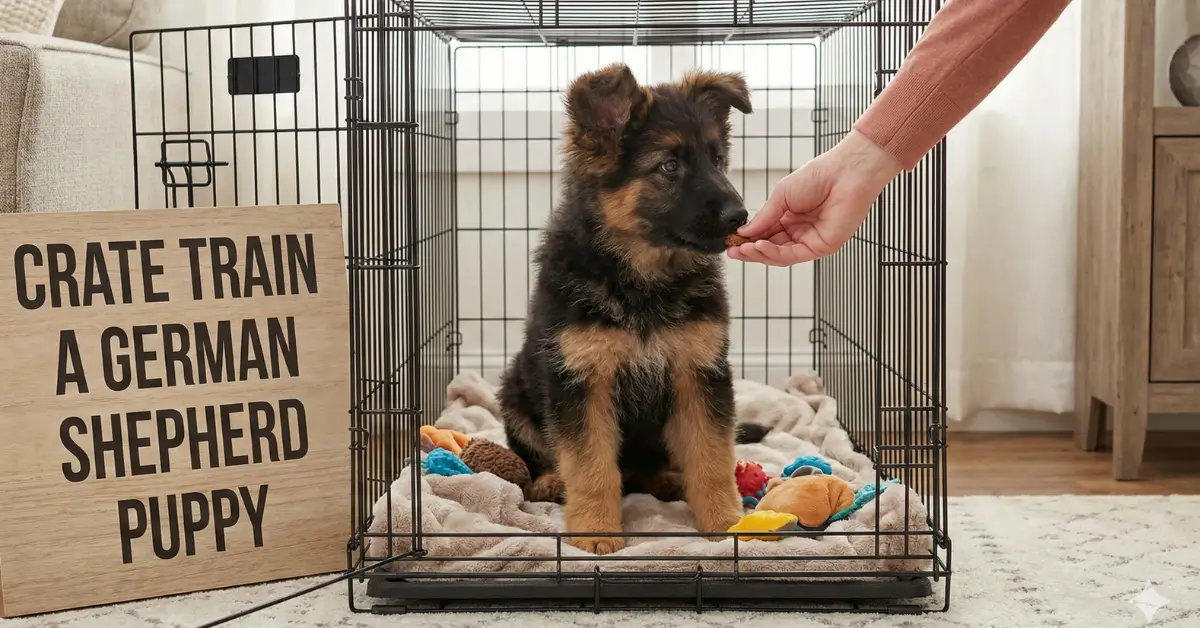
Start by leaving the crate open, so curiosity leads them inside. Toss in treats now then, making it feel like their spot. Watch how they sniff around before settling down. A name might come later once they claim the space. Patience shows more than words ever could
Make the crate inviting
Place a soft blanket
Add a favorite toy
Leave the entrance ajar
Throw snacks in there without much thought
Puppies might just walk in when they feel ready. At the start, only let them stay a short while – just a couple of minutes will do.
Most times, right at the start of things, this is what shows up
Out of nowhere, one pup began crawling into the crate by herself, curling up for short sleeps. Surprisingly, the second refused every time – unless a snack appeared inside first. Comfort matters more than flawless routine, so either way works just fine.
Two Week Crate Training Guide
Most pet owners find this section useful. Here’s a straightforward plan close to everyday habits. Change it depending on your day.
Step 1: Short sessions while you’re nearby
Begin by spending ten to fifteen minutes near the crate, just sitting. Let your pup notice how steady you stay. Presence matters more than movement here. Quiet moments build trust slowly. Watch them watch you without pressure. Stillness speaks louder when they’re learning.
Increase Duration Gradually
Start with thirty minutes instead of fifteen. After that, stretch it to one full hour. How fast this happens will depend on how sure the puppy feels. Some pups need just a couple of days.
Step 3: Pair crate time with naps
Puppies spend much of their time dozing off. Right when they start yawning, guide them gently into the crate. That drowsy moment works best for settling in.
Keep departures uneventful
Back in a moment. Emotion stays out of it
Release Following Calm Behavior
Hold back if there’s whining at the door. After it quiets – wait just a moment – then ease it open. If not, the noise becomes their key.
Sample Crate Training Schedule for Puppies (Easy to Follow)
This schedule fits most 8–12-week-old German Shepherd puppies. Use it as a starting point and adjust based on your daily routine.
|
Time of Day |
Action | Notes |
|
Morning |
Potty → Breakfast → Short play |
Always potty first |
|
After breakfast |
Crate time: 60–90 minutes |
Ideal for work-from-home routines |
|
Mid-morning |
Potty → Play → Training |
Keep sessions short |
|
Lunch |
Crate time: 60 minutes |
Adjust based on puppy |
|
Afternoon |
Potty → Walk → Social time |
Helps burn energy |
|
Evening |
Crate time: 30–60 minutes |
Good for prepping dinner |
| Night | Potty → Bedtime in crate |
Keep it dark and quiet |
This is not a rigid rulebook—just a rhythm that tends to work for most families.
German Shepherd Puppy Crate Training Guide
German Shepherd Puppy Crate Time Limits
A good baseline:
8-week-old puppy: 1–2 hours
10–12 weeks: 2–3 hours
Between week fourteen and sixteen, set aside three to four hours
Puppies often stretch out their nighttime stretches when asleep – metabolism dips then. Slower systems mean fewer urgent needs after dark.
Crate Training Routine for an 8 Week Old Puppy
Most people find this stage tricky, particularly when it comes to sleeping through the night in a crate. At eight weeks, puppies are just getting used to their new surroundings, which means goals should stay grounded.
What works well at this age
• Keep crate sessions short during the day
• Use more frequent potty breaks (every 1.5–2 hours)
• Start calm, keep it gentle once they arrive. A quiet tone helps ease the moment. Let your words flow slow after they’ve found their spot. Stay tender through the settling-in part. Smooth sounds work well right at that time
• Keep nighttime potty breaks calm and half-asleep
One owner told me the beginning seemed impossible – then out of nowhere, their pup just got it. Chaos turned calm, simply because the dog found its rhythm. Things settled fast after that quiet shift no one saw coming.
Crate Training Routine for an 8 Week Old Puppy Overnight
Most people struggle most after dark when starting out. Training at night tends to trip up beginners more than anything else.
A simple night routine that works well:
• Last trip to the bathroom sometime between ten and eleven at night
A dim glow settles inside the container. Light breathes through the opening. A hush wraps around each corner. Quiet fills where sound might go. Stillness holds what motion left behind. The space rests beneath a pale shine
• Expect 1–2 wake-ups during the night for potty breaks
• Take the puppy straight out, no play, no talking
• Slide it slowly inside the container
Puppies stay calm if they don’t fully wake up. Handling nighttime crate sessions for a German Shepherd works best with routines that feel dull on purpose.
Training a German Shepherd Puppy with a Crate
A small dog often keeps its bed clean by instinct. This makes the container useful when learning bathroom rules.
Tips that consistently work
• Take the puppy outside immediately after crate time
• Use a consistent location to potty
• Smile while saying well done, soft and calm, once they’re through
• Clean accidents with an enzyme cleaner so the scent doesn’t linger
Puppies thrive on routine, so sticking to a regular bathroom timetable helps avoid messes. Timing slips by most people, which leads to spills – not confusion about where to go. A steady pattern keeps things clean.
Creating a Crate Potty Training Schedule
If your puppy is struggling with accidents, use a tight potty rhythm:
• After sleep
• After eating
• After playing
• Every 1.5–2 hours in between
Puppies of the German Shepherd breed come hardwired with sharp instincts, though their bladder control hasn’t caught up yet. Staying calm makes a difference in how they grow. A steady hand shapes better habits over time.
What Your Puppy’s Crate Training Timeline Looks Like
Puppies pick up things at their own speed, yet this pattern showed up again and again with German Shepherds I’ve watched. While each one moves differently through learning, most tend to follow something close to what’s listed here
Week 1
• Lots of whining at night
• Short daytime crate sessions
• Frequent potty breaks
Week 2
• Puppy settles faster in the crate
• Less whining at night
• Fewer accidents
Week 3–4
• Puppy goes into the crate willingly
• Holds bladder longer
• Left to sit, it holds up better
8–12 weeks
• Puppy views crate as safe space
• Naps in crate without prompting
• Good progress with housebreaking
A puppy crate training schedule for 12 weeks usually becomes much smoother, and the process feels less chaotic.
Owners Often Misstep in Crate Training
Mistakes like these slow things down – honestly, I’ve stumbled into a couple myself along the way.
1. Using the crate as punishment
Each time, say something cheerful when guiding your dog into the crate. That space ought to feel safe, like a favorite hiding spot under the table after a long day.
2. Leaving the puppy too long
Too much pressure builds up tension, causing practice to go wrong. When expectations pile on, effort unravels like thread pulled too tight.
3. Letting the puppy out when they cry
This shows them just how mistakes work instead.
4. Skipping the routine
Consistency is everything with German Shepherds.
5. Ignoring the puppy’s energy needs
Puppies learn more when they’re worn out. That’s how it works every single time.
People Also Ask
How long does crate training usually take?
Most German Shepherd pups start showing clear changes after two to four weeks. At three months, the new routine just fits.
Food and water inside the crate might seem helpful. Yet spills can happen during travel. A damp space feels uncomfortable for most animals. Better to offer meals before loading begins. Hydration matters too – timing helps more than containers mid-journey. Wait until stops allow safe access again.
Most times meals go smoothly. Unless the vet mentions it, skip giving extra water.
Puppies usually sleep through the night without a bathroom trip by around four months old, though some might take longer depending on size and habits.
Most German Shepherd pups manage overnight stretches by three and a half months. A few start earlier, others take more time. Sleep patterns shift around that mark. Nighttime settles down once their bladder control improves. Some handle it at twelve weeks, many need fourteen.
Why does my puppy cry so much in the crate?
Most times it comes from being apart from someone important, feeling overwhelmed, or having too many choices during the day.
Does crate training help with biting and chewing?
For sure. This keeps things calm, offering a quiet spot where your pup can relax and reset.
Troubleshooting Whining Barking and Anxiety
When a young dog feels overwhelmed, this tends to help: most times it calms things down
• Throw a thin cloth over the box
• Move the crate closer to your bed at night
• Add a warm snuggle toy with a heartbeat sound
• Increase exercise during the day
• Shorten crate sessions temporarily
A quiet moment came when the crate sat by the window, a gentle fan humming nearby. That dog found peace not through force, but shape of space and air. Little shifts can reshape everything.
When to Make the Crate Space Bigger
Start by sliding the partition to widen the space inside slowly
If you go five to seven days without a crash, widen the gap between cars
A single crash happened. Space got smaller once more
Puppy sleeps comfortably → expand a little more
Picture training wheels on a bike. Wait until you feel prepared before moving ahead.
Leaving Your Puppy Alone in the Crate
Some German Shepherd pups handle brief times solo at home near 10–12 weeks if conditions are right
Inside the crate feels just right for them
They have a dependable potty rhythm
Before the meeting even starts, exhaustion sets in
Start with half an hour. After that, go for sixty minutes. Next time, aim for two hours. Take it step by step.
Final Thoughts on Making Crate Training Work Without Adding Stress
A German Shepherd pup won’t master crate life fast, yet it’s among the smartest choices a new owner makes. When that little body learns the pattern, tasks like potty training or stopping bites flow smoother, almost without notice.
Some days might feel slow, yet sticking to a routine helps build trust. Small victories matter more than you think, so notice them. Over time, the crate becomes less about limits and more about comfort. A shift happens quietly, then one morning it just clicks – this is where they choose to be.
FAQs
1. How do I build a simple crate training schedule for an 8-week-old puppy?
Potty breaks often, plus brief training stints right after. Nighttime stays quiet, settled, predictable. Between trips outside, crate access lasts close to sixty to ninety minutes.
2. Is a crate useful for potty training schedule puppy routines?
Puppies can wait longer between bathroom breaks when they have a crate. It guides them into regular habits without confusion.
3. What should I do if my German Shepherd cries at night in the crate?
When things get tense, keep your voice low. Reassure them quietly even if you are not near the crate. A predictable pattern at night helps more than extra words. Routine matters most when lights go out.
4. How often should I take my puppy out to potty during crate training?
Puppies need breaks often at first – about every ninety minutes to two hours. As they get older, those pauses stretch out, reaching three or even four hours between them.
5. Does a strict crate training routine help with housebreaking?
True. When routines are clear, German Shepherds adapt quickly – crates help set those daily patterns. A fixed toilet timetable builds on that sense of order.
6. Should my puppy nap in the crate every day?
Puppies often settle better when short rests happen each day inside their crate. A quiet moment there builds calm feelings over time instead of stress.
7. How soon does using a crate feel less tough?
Puppies often settle into their routine by week ten or twelve, showing clear progress. A shift becomes visible when they start feeling at ease in the space. Around this time, many caretakers see fewer accidents and less whining. Adjustments happen quietly, not all at once. By mid-summer if started in spring, changes stand out clearly. Comfort grows gradually through consistent moments each day. Success shows up in small behaviors, like calm entries without fuss.