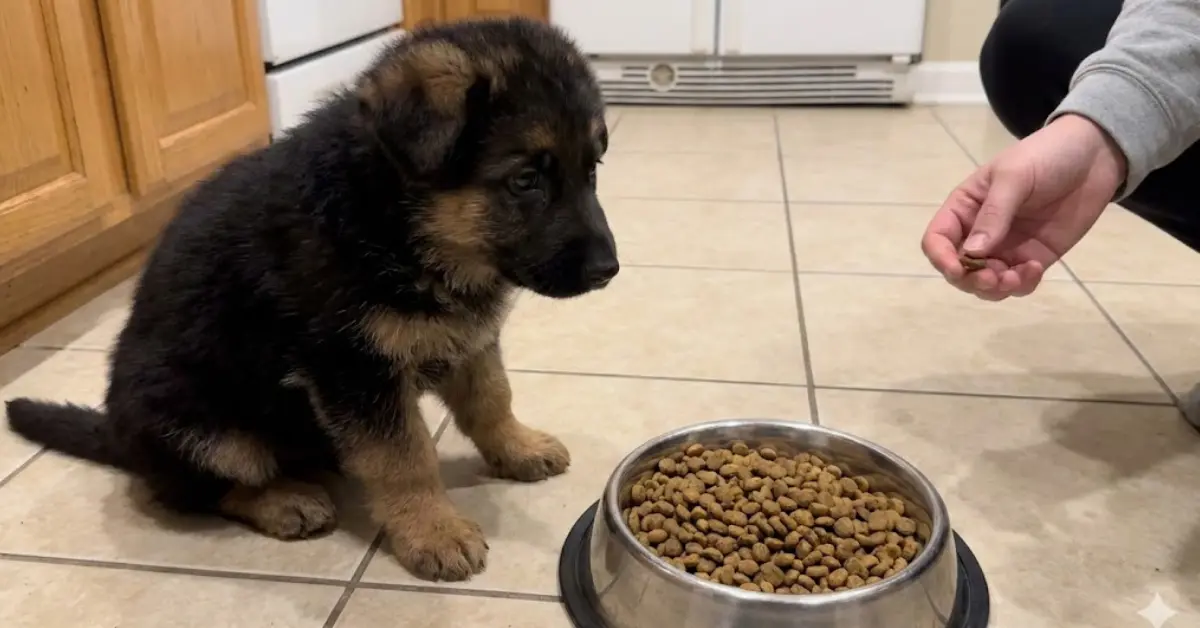
German Shepherd Puppy Not Eating Food? Causes, Fixes, and When to Worry

By HINDHUJA VAKADA

Updated On:

german shepherd puppy not eating food

Join WhatsApp

Join Now

Puppies often pause before touching their bowl. A new home brings loud sounds, strange smells, different people – no wonder eating feels odd at first. Shifting from one food to another might slow down munching for a few days. Even a small switch in schedule throws off tiny stomachs. Stress hides in quiet ways, like ignoring kibble. Most pups skip meals when everything around them shifts too fast. Watch closely, yet stay calm. Appetite usually returns once life settles into a rhythm.

Puppies won’t grow right without steady meals. When they skip eating too often, their bodies lose fuel needed for strength and bone building. Stillness replaces playfulness if energy drops low.German Shepherd Puppy Not Eating Food? Causes, Fixes, and When to Worry Ignoring a pup that turns away food is risky after just a few days.

Most times a pet won’t eat, something’s off inside. Home fixes might work – try warming their food or offering small bits more often. Yet if they skip meals for days, act weak, or seem in pain, reach out to your vet without delay. Knowing what’s normal helps spot trouble early. Calm thinking beats panic every time.

Table of Contents

German Shepherd Puppy Not Eating?

Most people stress if their German Shepherd pup skips a meal, yet shifts in hunger usually tie back to growth, daily patterns, or brief tummy issues. Little pups seldom stick to one eating rhythm each day, particularly while still growing into themselves.

Puppies that eat well usually keep up their energy, drink plenty of fluids, grow at a consistent pace. Missing several meals might come with sluggish behavior, sickness, loose stools instead. Weight dropping off can signal something else is going on beneath the surface.

Puppies might nibble less when they’re just starting solids, around six to eight weeks old – new bowls, new homes, everything’s different. Teething kicks in by eight weeks; shots on top of that sore mouth often mean meals get ignored. Growth surges between three and six months mess with hunger cues – one day ravenous, next day barely tasting dinner. Even tiny pups have their rhythms, shaped by how fast they’re changing.

Puppies often skip a meal without issue, provided they act like themselves. When meals are missed beyond twenty-four hours, close watch becomes key. Little ones showing disinterest in food after that point might need a vet’s eye. Behavior shifts alongside poor appetite make it even more urgent. Health changes in young pups move fast, so timing matters.

Common Reasons Why a German Shepherd Puppy Is Not Eating

Picky eating in a German Shepherd pup usually ties back to growth, food type, or brief wellness shifts. Fast changes in body and mood during youth can shake up hunger cues. A few triggers pass on their own, yet certain signs mean it’s time to step in. What looks like stubbornness might actually be discomfort whispering through behavior.

Most of the time, a pup acts differently because something changed – maybe their food, maybe they’re stressed, or perhaps it’s just how old they are. Spotting what shifted makes it easier to tell if things are okay or need attention. When caregivers notice these clues early, reactions become calm instead of rushed. Growth keeps moving forward when decisions come from awareness, not worry.

Teething Pain and Sore Gums

Chewing hurts when new teeth arrive. That’s why a German Shepherd pup might skip meals early on. Around two months old, the first signs show up. Between three and six months, things get tougher as grown-up teeth start emerging. Gums swell then, turning every bite into something sore. Kibble feels rough at that point.

Most times, tender gums make chewing tough meals harder, particularly crunchy kibble. Food might get a quick sniff, then ignored – pups wandering off instead of eating. Sometimes they start gnawing, only to pause mid-bite and leave it behind. When the soreness fades, hunger tends to come back on its own. Swapping in gentler foods for a short stretch can help until things settle.

Chewing things nonstop might mean your baby is teething. Dribbling a lot goes hand in hand with swollen gums at times like these. Instead of wanting food, they may prefer nipping on spoons or table edges. When sickness shows up, it usually brings low energy along with upset stomach. Vomiting sometimes happens, plus loose stools can appear too. A high temperature hints more at infection than tooth growth. Even if eating slows down, steady grins and gnawing suggest teeth are coming through. Fever paired with quiet moods? That points elsewhere.

Sudden Change in Puppy Food

One reason your German Shepherd pup might skip meals? Swapping chow too fast. Little bellies rely on routine, so quick changes throw off the tiny helpers living inside them. Stomach confusion shows up as turning away from kibble, feeling queasy, sometimes messy poops.

Puppies notice how food feels, smells, when they try something new. Something crunchier than before might turn their nose away right off, even if it’s meant to be good for them. Unfamiliar scents can pause a pup mid-sniff, then back away slowly. Flavor too weak? They’ll spit it out without thinking twice.

Start by blending three parts former meal with one part fresh option across a pair of days. That shift over seven days lowers the chance pets will turn away meals. Every forty-eight hours, nudge up the amount of newcomer grub slightly. Digestive systems handle change better when things move at this pace. Acceptance climbs when flavors mix slowly into each phase.

Stress, Anxiety, and Environmental Changes

Most times, stress sneaks in unnoticed if a German Shepherd pup won’t touch food. A move feels huge through young eyes. Strange scents fill the air, unfamiliar faces come near, daily patterns shift – suddenly meals feel less appealing. What felt safe now seems uncertain, so hunger waits.

Alone time from their siblings matters too. Being social creatures, pups might feel uneasy when pulled away fast messing with mealtime moods. When sounds blast or routines shift, tension can rise. A new person walking in, being put in a box, or day-to-day hiccups add weight to the strain.

Most of the time, hunger comes back after a couple days once the puppy settles in. A quiet space helps, along with regular meals and gentle encouragement while they adjust.

Too Many Treats

A full belly from too many snacks might explain why your German Shepherd pup ignores dinner. Tiny pups feel full fast when treats pack most of their calories, leaving little room for real meals.

Most of a puppy’s food intake needs to be proper meals. Tiny treats can slip in, but only if they stay under one tenth of what the dog eats each day. When pups get too many goodies while learning tricks, they start waiting for richer bites. That makes them turn their nose up at regular dinner.

Pieces of bread, slices of cheese, leftover rice – these human meals wreck a pet’s natural drive to eat right. When fed often, they mess up how the stomach processes food day after day. Eating at set times, with almost no extras, brings back real hunger. Picky patterns fade when only proper food appears on schedule.

Vaccination and Deworming Side Effects

Puppies of the German Shepherd breed often skip meals briefly when they get shots or medicine for worms. Their bodies react, sometimes making them feel tired, achy, or a bit queasy – which means eating feels less appealing. One moment they’re full of energy, next they just want to rest instead of touching their bowl.

Most of the time, hunger comes back after about a day or two. Even when eating slows, young dogs tend to stay awake and sip water.

Should a drop in eating go past forty-eight hours, especially with sickness or bloating, get help. When energy vanishes completely alongside these signs, reach out to your vet.

Intestinal Parasites (Worms)

Puppies often lose interest in food when gut invaders take hold. A swollen belly might show up first in German Shepherds, followed by thinning fur and loose bowels. Instead of gaining mass, they shrink despite eating. Their hair turns lifeless, dragging close to skin. Sometimes they drag their rear across floors, irritated. What looks like spaghetti may appear where it shouldn’t – right there in what they leave behind.

When parasites take hold, digestion struggles, so meals give little energy even if eaten. A pup might skip kibble one day, devour it the next – gut upset sways choice. Hunger shows up empty, growth stalls despite effort.

Poop checks help vets spot worm infections, then they give specific meds to clear them out. Sticking to routine doses keeps animals eating well, growing strong.

Digestive Upset or Food Intolerance

Puppies of the German Shepherd breed might skip meals now and then when their stomachs feel off. Though many point fingers at grains, the real trigger usually hides in certain protein sources or artificial ingredients mixed into the kibble. Instead of blaming wheat first, it pays to look closer at what else fills the bowl.

Loose bowels might show up alongside bloating, skin irritation, frequent ear issues, or rejecting meals again and again. Eating one particular thing too often tends to bring on such reactions.

Watch closely for signs of trouble, because spotting bad ingredients means paying attention. A change to simpler puppy meals can help when stomachs struggle or hunger fades. Getting advice from a vet might lead to trying a temporary diet that cuts out suspects. Better eating and smoother digestion often follow such shifts.

Other Health problems

Most times, a puppy stops eating because something is off inside. Think germs – tiny invaders like viruses or bacteria for example. These often take the hunger away fast. Sometimes right from birth, some pups face body quirks that mess with food breakdown. A hidden glitch in how energy gets used might be pulling strings behind the scenes.

Puppies of the German Shepherd breed face extra challenges because their bodies grow fast while immunity builds slowly. A missed meal along with low energy, raised temperature, throwing up, or loose stool? That’s a red flag.

Right away, a vet check helps spot health issues early when young animals are most at risk. Catching problems fast can stop things from getting worse as they grow.

German Shepherd Puppy Not Eating but Acting Normal

Sometimes a German Shepherd pup won’t touch their food yet still zoom around like nothing’s wrong. This mix of behavior often leaves caretakers unsure what to think. Not every young dog eats the same amount each day – hunger shifts happen. A sudden growth phase might dull interest in dinner. Sore gums from new teeth could play a role too. Even a small shift in schedule may nudge them away from the bowl. Yet energy stays high, eyes stay bright. Missing one meal isn’t always a red flag if everything else seems fine.

Most times a pup skips meals but still bounces around like nothing’s wrong, that’s just picky eating. Energy stays high, they sniff everything, drink water fine, chase toys when called. Often happens after too many snacks yesterday or if the bowl holds the same kibble every day. Sometimes a noisy home or car ride upsets them briefly. It clears without fixes, no vet needed.

Something’s off when a pet won’t eat. Watch for low energy, withdrawal, throwing up, loose stools, high temperature, or dropping pounds. A few bites here and there don’t rule out illness – trouble could still be brewing underneath.

Puppies behaving like themselves tend to ease worries within the first day. Skipping a single meal or nibbling only sometimes won’t cause harm during this window. When they stop eating past twenty-four hours, or their actions shift noticeably, getting help from a vet makes sense – hidden issues might be starting, possibly affecting growth if ignored.

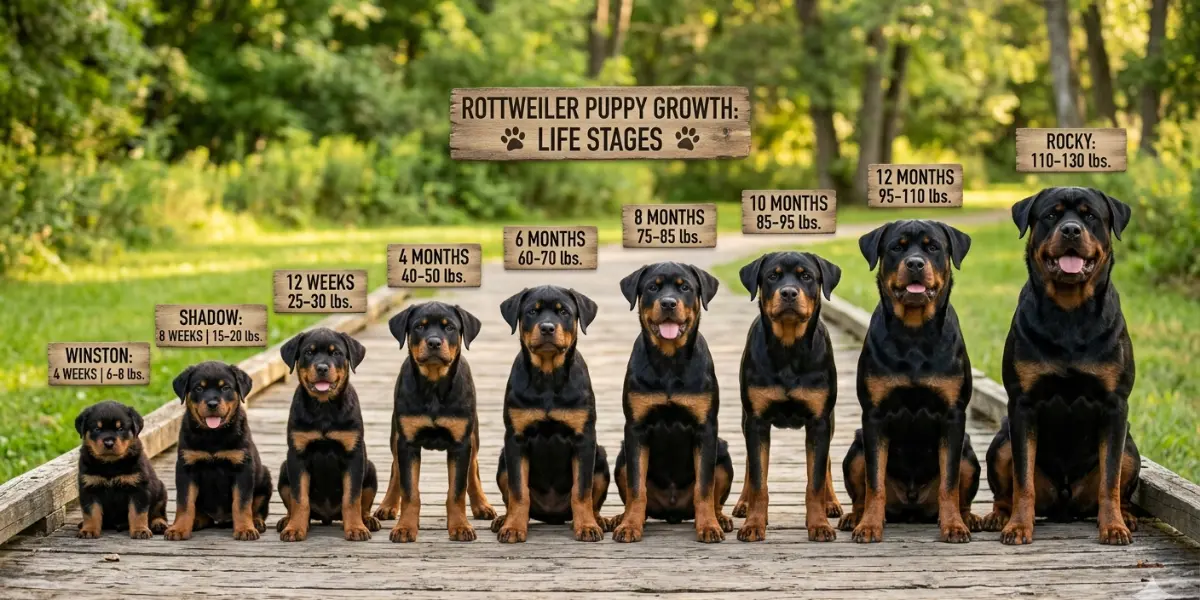
German Shepherd Puppy Not Eating How Long Is Safe?

A tiny pup’s body burns fuel fast, so skipping meals hits hard. Depending on how old it is, what shape it’s in, and if it drinks enough water, gaps between food matter more. When growing quick, going without eats gets risky – energy stores run low before you notice. Healthier ones might stretch time slightly, yet little bodies demand regular feeding.

Missing meals isn’t safe for pups younger than eight weeks. Because their bodies need steady fuel, gaps between eating can cause issues with energy and thinking skills. Even so, those aged two to three months might go a full day without food – provided they stay lively and sip water often. Once past twelve weeks, skipping a single day becomes possible, yet it still counts as unusual behavior. Between three and six months, doing this once won’t harm them much – but only if everything else looks normal.

Staying hydrated matters way more than eating when it comes to surviving the first few days. If a young dog keeps drinking, peeing as usual, and acting lively, chances are things aren’t urgent yet. But when fluids drop, gums turn sticky, or the pup turns away from water, trouble could be close.

Puppies under a certain age risk trouble if they stop eating past one day. Watch closely when an older pup skips meals beyond two days. Trouble might be brewing if low energy tags along with no interest in food. Toss in vomiting or runny stool, and it’s time to get help fast. Weakness plus refusal to eat means a vet visit can’t wait. Each hour matters once symptoms stack up like that.

German Shepherd Puppy Not Eating What You Can Try

A hungry German Shepherd pup might just need quiet tweaks, not endless new foods. Routine shapes their choices more than most realize. Calm surroundings tend to help where loud ones fail. Often it’s about timing, not taste, guiding each meal moment gently. Changes work best when steady, never rushed or repeated too soon. Eating unfolds smoothly if distractions stay low and patterns hold firm. Solutions built slowly stick longer than sudden shifts ever do. Focus leans toward trust, not force, letting meals feel safe again.

Change When You Feed

Most of the time, changing when you feed helps if your German Shepherd pup skips meals. Little ones do well when they know what comes next. Feed those younger than twelve weeks three or four times each day, always around the same hours – this keeps their belly happy and hunger steady. Once past three months up to half a year, aim for two or three set mealtimes instead.

Puppies tend to ignore their bowl when kibble stays available nonstop. Mealtimes on a timetable teach them when to expect food, slowly tuning their stomachs to the rhythm. Set the dish down only until twenty minutes pass – after that, take it away whether it is finished or not. Over just a short stretch of days, most adapt without fuss, settling into the flow like clockwork.

Enhance How Food Looks Feels and Tastes

Smell matters more than you might think for a young German Shepherd refusing meals. When chewing hurts, hard bits of food often get ignored. Warm water softens kibble, which sometimes brings back interest. A whiff of something stronger – like boiled chicken juice can pull their nose toward the bowl. Discomfort in the gut makes even familiar scents less inviting. Changing how food feels in the mouth shifts the experience entirely. Sensitive noses need new signals before they decide to eat.

Water warmed slightly brings out smell, helps pets chew better. Instead of crumbling, let kibble sit soaked just enough to soften – keep texture firm. When blending moist food in, fold tiny amounts throughout the bowl so pieces stay consistent, avoids picky nibbling. Balance stays intact when changes happen inside the mix, not piled on top.

Hand Feeding – Benefits and Risks

Feeding by hand might get a German Shepherd pup to eat when stress is high, sickness lingers, or trust is still building. Sometimes comfort comes easier from fingers than bowls – especially if hesitation shows at dinnertime.

Still, letting pups rely on hand meals too long can cause problems. They might ignore their bowls if someone doesn’t feed them directly, which shapes bad eating habits. Start shifting away from it early – once they show interest in food again, return meals to the dish slowly. A short stretch of hand feeding helps, just don’t let it stick.

Less Noise at Meals

Puppies settle faster when surroundings stay quiet. Noise, people moving around, or nearby animals can pull attention from eating. For some young dogs, a crate brings comfort during meals instead of an open room. Others do just fine out in the open with space to shift around. What matters most is finding where your pup stays at ease without interruptions. Sticking to one pattern beats switching spots back and forth.

Increase Physical Activity Before Eating

Moving around gets a puppy hungry, just like people. Before eating, try small walks or soft games instead of heavy workouts. For young pups, under three months, keep things calm and slow. Older ones do well when play has some shape to it. Tiring them out too much can backfire – exhausted puppies often skip food.

German Shepherd Puppy Not Eating What to Feed

Start with what fuels big pups right German Shepherds thrive on steady protein, not sky-high fat. Brain growth leans on DHA, while bones demand calcium in check. Too much of that mineral dulls hunger; heavy mixes stir stomach trouble. Some turn their nose up at kibble others lap it fast – smell pulls them in, texture keeps them eating. Wet meals might win today, tomorrow a home-prepped plate could click. Fixing fussiness means feeding full balance, never just chasing bites eaten.

Texture of Kibble that German Shepherd Puppies Prefer

Some German Shepherd pups turn their nose up at certain kibble shapes. When teeth are coming in, tough pellets might feel rough on sore gums. A middle-sized bite that gives just a little under pressure tends to go down easier. Crunch matters less if it still breaks without much effort.

Puppies often go for food that smells more intense and feels softer. Warm water mixed in gently changes how it feels but keeps everything good inside. Heavy grains sit hard in tiny bellies, making pups less keen to eat. Dense chunks aren’t always welcome either – lighter options sometimes work better.

Puppies of big breeds need food made just for them. Their growth leans on having enough protein done right. Fat must balance well, not too much or little. Brain helpers like DHA matter early on. Calcium stays safer when it’s in the correct mix. Meals shaped for these pups keep hunger steady. Strong building happens step by step.

Switching to Wet Food Temporarily

One way to spark a German Shepherd pup’s appetite again is trying wet food for a short time. Because it smells more intense, feels gentler on the mouth, and holds extra water, it often works better when tiny teeth ache or bellies feel off. Sometimes just changing what goes in the bowl makes them lean in closer.

Still, wet food works best when planned well. By spreading just a bit of it through dry bits, meals stay balanced while pets eat everything. Sticking only to wet over time might lead to reliance plus less jaw exercise than needed.

Start slow when adding wet food to a big puppy’s bowl. It must match their specific dietary needs right from day one.

Foods That Can Lower Your Hunger

Belly-full signals can come easier with some meals for young German Shepherds. Instead of feeling hungry, they might lose interest after snacking too much on human food bits, greasy bites, or cheese-heavy items. Poor ingredients, loaded with fake tastes, often stir up tummy troubles. Fullness dips happen not just from quantity, but what fills the bowl.

Heavy on calcium, sugar, or sharp spices? Better left out. Simple meals work – steady fuel keeps hunger in check. Balanced bites today help how you feel years down the road.

How Much to Feed a German Shepherd Puppy

Puppies need the right food quantity so their hunger and gut work well, also staying healthy as they get older. Fast growth happens in big dogs, yet too much food brings problems like not enough does. What they eat must match how old they are, how they look physically, and how active they seem instead of what feels right. Portion size matters more than most think when raising a young German Shepherd.

Most pups aged six to twelve weeks eat best when food is split into three or four tiny portions every day. Moving into the third through sixth month, meal count drops – two or three works well as body mass builds. Weight gain plus movement level guide how much each serving grows. Once past half a year, twice-daily eating fits nearly all young dogs. Charts built around age offer early guidance only. Growth trends matter more than begging or frequent whining near mealtimes.

Poking through the fur, ribs show up when food falls short. Energy dips low, growth slows down, plus the coat loses shine if intake is too little. Too much leads to fast pounds piling on instead. Bowels turn soft, bellies swell tight, meals get pushed away more than once. Fullness lingers long, so pups pass dinner again and again without real hunger.

Appetite shifts when food amounts change. Too much on the plate can confuse your body’s natural cues. A well-sized meal keeps energy steady through the day. Digestive rhythm thrives without excess load. Puppies grow better with precise meals in hand. Their joints stay protected during fast development phases.

Mistakes Owners Make With German Shepherd Puppies That Won’t Eat

Most times, trying to help a finicky German Shepherd pup backfires. Switching chow too often tops the list of slipups. Each swap throws off their belly rhythm, plus teaches them to hold out for change rather than dig in. Getting used to one dish becomes harder when novelty keeps showing up at dinnertime.

Puppies can grow picky when food toppers are given too often. Even though they make meals more tempting, handing them out daily sets an expectation for something extra. That makes regular kibble less appealing over time. A habit like that sticks around, making mealtimes harder later on. It’s better to bring them in now and then, stirred all through the bowl instead of piled high at the surface.

When a puppy ignores its food, hovering too close might accidentally reward the act. It begins linking an empty bowl with more petting, pleading, or treats from fingers. What started as a brief dip in hunger slowly sticks around – shaped by every concerned response.

Most dangerous error? Overlooking first red flags. When meals get turned down again and again, that’s not just a phase. Weight moving up or down without reason demands attention. Stomach troubles popping up out of nowhere matter too. Mood swings around food aren’t typical growing pains. These clues usually mean something deeper is starting. Body signals like these hint at possible diet or medical concerns forming underneath.

Starting each day the same way at mealtime watching closely keeps things steady. Mistakes fade when routines hold firm. Growth moves smoothly when eating stays predictable. Patterns form quietly through attention, not force. A pup learns best when days feel familiar, food arrives on time, eyes stay tuned in.

German Shepherd Puppy First Vet Visit Timing

Most young pups can’t handle missed meals well because their bodies burn energy quickly. A tiny body holds little backup fuel, making skipped food risky within just one day for those younger than twelve weeks. After twenty four hours of refusing meals, something might be wrong. Older pups past that age mark still need attention if nothing touches the bowl by the third day. Even when drinking normally, going two full days without eating means it is time to see a professional. Waiting too long could make small issues grow.

Puppies losing weight often show clear signs. Ribs you can see, a belly that looks pulled in, or falling behind in size may point to poor nutrition. When pounds disappear fast without reason  it’s time to take notice.

When a puppy won’t eat and also throws up or seems unusually tired, something serious could be happening. Infections might be brewing, or maybe worms have taken hold – sometimes even shots or medicine cause these issues. Loose stools mixed with low energy often point to deeper trouble hiding inside. A young dog can go downhill fast when multiple problems show at once. Getting help without delay makes a real difference in how things turn out.

Hydration levels get checked right away by vets when they stop by. Body shape plus how warm the animal feels tells part of the story too. Gum shade gives hints about circulation and health behind the scenes. Stool samples might be taken – sometimes worms are hiding there unseen. Blood draws help spot hidden problems like slow infections or organ stress. What pets eat every day often comes up during these talks. Catches early? That means better outcomes down the road without delays. Problems found fast tend to stay smaller later on. Growth stays steady if fixes happen in time.

Appetite Loss Diagnosis in German Shepherd Puppies by Veterinarians

A pup’s refusal to eat pushes vets into action. From the first look, they check how it stands, moves, its warmth, even how eyes reflect light. One step leads to another – touching the belly, noting wetness of gums, judging weight against breed norms. A thermometer breaks silence with numbers. Behavior gaps speak louder than symptoms sometimes. What seems like hunger drop might trace back to sore teeth or stress from new surroundings. Each clue builds on the last without rushing ahead.

Puppies often get stool checks, most of all the younger ones. Checking their bowel movements helps spot bugs like roundworms, hookworms, or giardia – creatures that tend to dull hunger and block proper food uptake in German Shepherd pups.

When hunger fades for too long – or shows up with strange signs doctors often check the blood. A routine panel can uncover clues like infection, swelling in tissues, low red cells, fluid imbalance, or body chemistry troubles. Hidden problems sometimes stay quiet on the outside, yet show clearly inside a vial of blood. Physical exams miss some things. That’s where lab tests step quietly in.

Most times, what an animal eats shows up in how sick it looks. A vet will look closely at exactly what kind of food goes into the bowl, how much comes out each time, when meals happen during the day, if anything new was added lately – especially snacks or extras. Too much calcium, poor nutrient balance, even dog chow meant for big pups but given too early – all might kill hunger fast. From morning routines to midnight munching patterns, every bit helps sort mind reasons from gut problems or something deeper hiding inside.

Stopping Eating Issues in Young German Shepherds

Starting around a month old, pups begin shifting from milk to mushy meals made just for them. A slow move to solids keeps their tiny stomachs calm. By the time two months pass, most are eating firm food with ease. Gentle changes mean less upset bellies. Eating new textures becomes normal when done step by step.

Puppies start learning when meals arrive like clockwork every day, always in a calm spot. A steady rhythm makes it easier for them to feel hungry at the right moments – messy guesswork fades away.

Start by keeping mealtime steady – too many switches confuse taste buds. Instead of swapping foods often, stick to a routine that builds trust. Hand feeding might seem kind, yet it creates dependency over time. Toppers added every day shift focus away from balanced nutrition. Set out food for a quiet window, then take it up without fuss if untouched. This gentle rhythm teaches what belongs on the plate. Calm removal works better than pressure when bowls stay full. Habits grow through patience, not persuasion.

Start small when dishing out food – little bodies need just enough fuel for their daily movement and development. Too much at once might mean leftovers later, plus a child may stop noticing hunger cues naturally.

Start strong with meals built for big pups. Look for recipes that include the right mix of protein plus healthy fats. DHA should be in there too – it helps brain development while bones catch up. Calcium levels need care; too much causes problems down the road. Joint health ties closely to what they eat early on. Growth ought to stay smooth, never rushed. Picking the correct formula makes a difference most owners overlook.

Start mixing new food in small amounts after a few days of observation. A sudden switch might lead to skipped meals or stomach issues. Over time, increase the fresh portion while lowering the old. This steady shift helps acceptance. The gut adjusts better when changes happen bit by bit.

Over time, keeping an eye on weight, how lively your puppy seems, and the condition of their bowel movements matters. As they grow, sticking to a steady daily rhythm supports better eating habits. Meals that hit all nutritional needs work well when paired with movement kids enjoy. Stability shows up most when feeding times, food types, and play stay predictable.

German Shepherd Puppy Refusing Food Real Owner Stories

Surprisingly, some German Shepherds barely touch their bowl soon after arriving home. Often they’ll pass on morning meals but show up hungry when evening comes around. Instead of dry food, they might go straight for snacks offered by hand. Even so, these pups keep bouncing around like nothing’s off. That energy makes it harder to know if something’s really wrong.

Puppies often turn away from their bowl when food changes fast. Going back to what they ate before, then switching slowly, brought hunger back for some pet parents. Teething, around three to five months, sometimes made pups ignore dinner. Warm water mixed into hard bits made it easier to chew, which helped here. A little playtime first, then serving the meal, also worked well in keeping bites steady.

When puppies feel stressed, it shows up fast. Left alone after leaving their brothers and sisters, some refuse food – just for a short stretch. Crate time can do the same thing. But when life stays steady, without sudden changes or swapping foods every few hours, they start eating again. Usually takes three days, sometimes less.

Most owners found that sticking with a routine helped more than rushing to fix things. Jumping between foods, offering extras, or giving treats by hand usually trained dogs to wait for better options. Watching how much water they drank, their mood, and poop changes gave clearer clues than stressing over a single skipped dinner.

Surprisingly few noticed changes in eating habits after daily patterns settled. Yet a vet visit often followed if meals were skipped longer than two days or shaky behavior showed up.

Helping a German Shepherd Puppy Eat Normally Again

A young German Shepherd might stop eating for a bit – that is okay. Changes in how much they eat usually happen while growing or settling into new surroundings. Sore gums from new teeth, different daily patterns, small stresses, or brief tummy troubles could each play a role. Serious problems are rare when it comes to meals going untouched. Watching closely helps. So does giving time. That phase often passes on its own.

Puppies eat better when meals come at the same time every day. Their bowls should match their size and growth stage, not just fill up big. A steady diet made for larger breeds helps bodies develop without strain. Jumping between different foods too often tends to backfire over months. Giving snacks nonstop trains them to wait for tastier options instead of eating what’s given. Feeding only when they whine teaches fussiness that sticks around. What seems helpful today may cause mealtimes to drag out later.

Still, knowing when a pup won’t eat becomes concerning matters just as much. If skipping meals goes on too long, or weight begins to drop, along with stomach issues or low drive, a vet visit follows close behind. Spotting trouble early backs strong growth, solid joints, and steady immunity while bones are forming.

A single tweak can shift everything, since each German Shepherd pup moves at their own pace. When routines stay steady and choices are thoughtful, progress usually follows. Should hunger dips occur, reaching out early to a vet tends to reset the rhythm – growth resumes, muscles build, tails keep wagging.

FAQs

1.Why is my German Shepherd puppy not eating food suddenly?

Puppies sometimes stop eating for a short time when their teeth start coming in. Stress might be behind the change too. A different daily schedule can also play a role. Shots they recently had could affect hunger. Switching food fast may do it as well. Energy levels matter – if they are still playful, chances are things will go back to normal. Drinking water helps ease concern.

2.Is it normal for a German Shepherd puppy to skip meals?

Occasionally missing a single meal might happen without concern, particularly when babies are teething or settling into new routines. When meals get skipped often, that’s different – watch carefully if it keeps happening.

3.How long can a German Shepherd puppy go without eating safely?

Puppies that seem fine and drink plenty of water might skip a meal or nibble less for about a day without trouble. Should it stretch beyond that, speaking with a vet makes sense.

4.My German Shepherd puppy is not eating but acting normal. Should I worry?

Puppies bouncing around with bright eyes and plenty of water intake? That’s typically no red flag. Trouble might start when meals get ignored past twenty-four hours or actions shift out of normal rhythm.

5.Can teething cause a German Shepherd puppy to stop eating?

Teething discomfort tends to make pups avoid crunchy food around three to six months. It happens a lot at that stage.

6.German Shepherd Puppy Not Eating New Food?

Start mixing new food in small amounts. One week gives pets time to adjust. Sudden changes often lead to refusal later.

7.How treats influence a German Shepherd puppy’s eating habits?

Picking at snacks all day kills appetite, so dinner might get ignored. Instead of handing them out freely, keep treats locked down tight.

8.When should I take my German Shepherd puppy to the vet for not eating?

Puppies skipping meals past a day might need a vet. Weight dropping suddenly? That’s another sign. Throwing up or runny poop can’t be ignored. If they’re sluggish, someone should check. Not touching water bowls is serious too.

9.What food is best for a German Shepherd puppy that will not eat?

Puppies built big do well on meals shaped by steady amounts of protein, plus fats that line up just right with DHA and a lid on calcium levels. How it feels in their mouth matters. So does the scent drifting from the bowl.

10.Preventing Feeding Problems in German Shepherd Puppies?

Start meals at the same time each day so your pet knows when to expect food. Give exact amounts every time instead of guessing by sight. Snacks should appear only now and then, never daily. When switching foods, mix old and new slowly over days. Quiet corners without distractions help keep mealtimes peaceful.

HINDHUJA VAKADA

Written by Hindujha Vakada, Sr. SEO Specialist at Market Data Forecast, with expertise in creating research driven digital content. She has a strong passion for dogs and actively researches dog nutrition, training, behavior, and overall pet wellness. Dedicated to providing informative and trustworthy content that supports responsible dog care and better pet parenting.

🔴Related Post

Leave a Comment