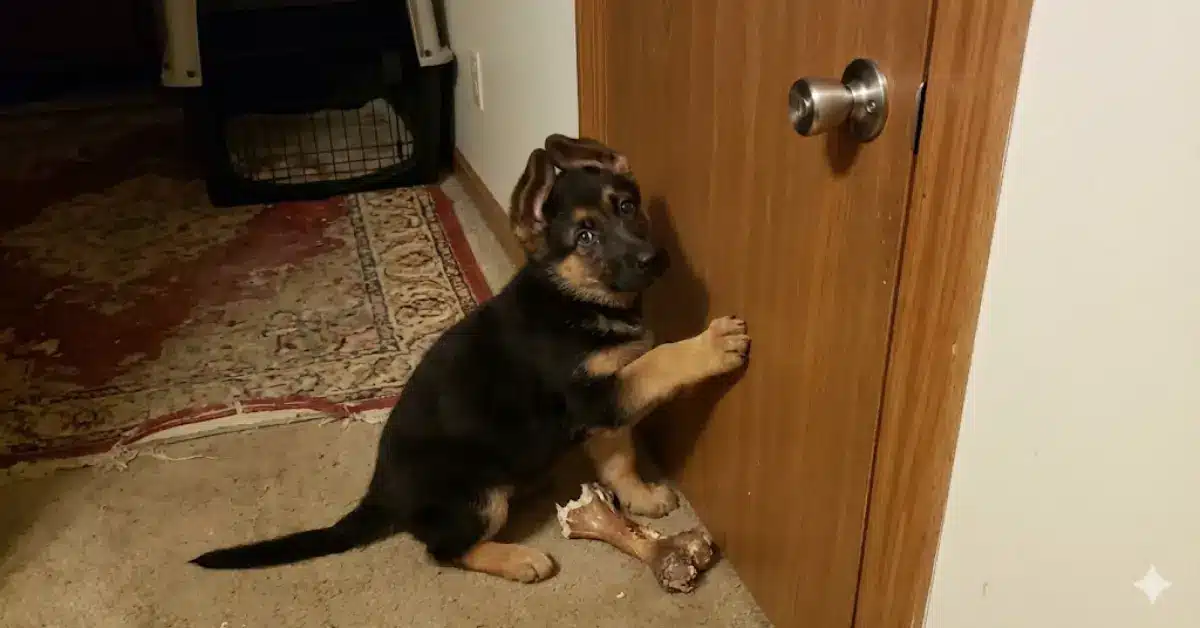
only when I walked into the kitchen did everything shift. A glass of water was all I wanted. Then came the click of the door closing behind me. Suddenly it felt like some unseen storm had rolled in. From nowhere, that sharp cry erupted – a sound so loud, so desperate, only a German Shepherd could make it.
Right now, your eyes might feel heavy.
Nights broken by pacing or whining could be routine. Chewed wood near the doorway stares back at you each evening. Messages pile up – neighbors again, mentioning the noise after dark. These do
That night sticks in my mind, Max, just a pup then, bouncing around like nothing could tire him out. Only when I walked into the kitchen did everything shift. A glass of water was all I wanted. Then came the click of the door closing behind me. Suddenly it felt like some unseen storm had rolled in. From nowhere, that sharp cry erupted, a sound so loud, so desperate, only a German Shepherd could make it.
Table of Contents
ToggleDaily Struggles and Real Life Moments
Right now, your eyes might feel heavy. Nights broken by pacing or whining could be routine. Chewed wood near the doorway stares back at you each evening. Messages pile up, neighbors again mentioning the noise after dark. These dogs stick close, true, yet that closeness sometimes pulls harder than expected.
German shepherd puppies often cling not because they are weak minded but due to instincts carved by generations of teamwork with humans. Surprise twist, they learn fast enough that calmness pays off more than whining. Peek beneath the surface and you will find their panic stems from wiring meant for packs, not palaces. Bright side emerges when routines replace chaos, shaping confidence bit by bit. Watch closely, adjust slowly, see change root itself like morning light creeping across a floor.
Why Your GSD Puppy Stays Close
Fixing actions means knowing reasons first. Bred to stick near people, German Shepherds thrive on partnership. Not solitary types, these dogs bond like crewmates on a shared mission. Left alone, a GSD pup is not only sad, inside it senses the pack chief has vanished, sparking raw alertness deep in its bones.
The Genetic Component
Boredom hits hard for these dogs. When their brains sit unused, restlessness creeps in, thoughts race without warning. A young dog caught in worry will chew, dig, tear things apart before you notice the pattern. Quiet moments become triggers, not relief.
Life Transitions
Life’s first moments can shape a young pup’s reaction to being apart. Taken from mom before eight weeks, some miss key lessons that build calm when left solo. Staying the whole time does help, still shifting from noisy brothers and sisters to silent rooms hits hard. What felt normal vanishes overnight.
The Velcro Dog Trap
Puppies often tag along when you step into the bathroom, maybe even the laundry closet or desk corner. Cute as it seems, staying glued to your side teaches them they are okay just one way, pressed against you.
Signs Your German Shepherd Puppy Has Anxiety (And It’s Not Just Boredom)
It is easy to confuse a bored puppy with an anxious one. A bored puppy shreds a pillow because it’s fun. An anxious puppy shreds the door frame because they are trying to escape to find you.
| Behavior | Boredom | Separation Anxiety |
| Destruction | Targets random “fun” items (shoes, toys). | Targets exit points (doors, window sills). |
| Vocalization | Occasional barking at outside noises. | Constant howling, whining, or “screaming.” |
| Physical Signs | Normal energy levels. | Excessive drooling, panting, and sweaty paws. |
| Timing | Happens anytime they are unsupervised. | Starts the moment (or before) you leave. |
hat Night Sticks in Memory
That night sticks in my mind – Max, just a pup then, bouncing around like nothing could tire him out. Only when I walked into the kitchen did everything shift. A glass of water was all I wanted. Then came the click of the door closing behind me. Suddenly it felt like some unseen storm had rolled in. From nowhere, that sharp cry erupted – a sound so loud, so desperate, only a German Shepherd could make it.
Daily Struggles and Real Life Moments
Right now, your eyes might feel heavy. Nights broken by pacing or whining could be routine. Chewed wood near the doorway stares back at you each evening. Messages pile up – neighbors again, mentioning the noise after dark. These dogs stick close, true, yet that closeness sometimes pulls harder than expected.
Puppies of German shepherds often cling not because they’re weak minded but due to instincts carved by generations of teamwork with humans. Surprise twist – they learn fast enough that calmness pays off more than whining. Peek beneath the surface and you’ll find their panic stems from wiring meant for packs, not palaces. Bright side emerges when routines replace chaos, shaping confidence bit by bit. Watch closely, adjust slowly, see change root itself like morning light creeping across a floor.
Why Your GSD Puppy Stays Close
Fixing actions means knowing reasons first. Bred to stick near people, German Shepherds thrive on partnership. Not solitary types, these dogs bond like crewmates on a shared mission. Left alone, a GSD pup isn’t only sad – inside, it senses the pack chief has vanished, sparking raw alertness deep in its bones.
The Genetic Component
Boredom hits hard for these dogs. When their brains sit unused, restlessness creeps in – thoughts race without warning. A young dog caught in worry will chew, dig, tear things apart before you notice the pattern. Quiet moments become triggers, not relief.
Life Transitions
Life’s first moments can shape a young pup’s reaction to being apart. Taken from mom before eight weeks, some miss key lessons that build calm when left solo. Staying the whole time does help – still, shifting from noisy brothers and sisters to silent rooms hits hard. What felt normal vanishes overnight.
The Velcro Dog Trap
Puppies often tag along when you step into the bathroom – maybe even the laundry closet or desk corner. Cute as it seems, staying glued to your side teaches them they’re okay just one way: pressed against you
The Root Causes of Why Things Are Happening Now
Every now and then, I notice puppy owners wrestling with gsd anxiety – most times it traces back to just a handful of clear causes
Without a steady rhythm, life feels unstable for these dogs. When days jump around with no pattern, each moment apart stretches into uncertainty. Not knowing when you’ll return keeps worry alive. A scattered timetable feeds their unease in quiet ways.
Leaving with loud hugs and cheerful promises? That rush of excitement hits just as you disappear around the corner. A burst of energy fills the air the moment your voice echoes down the hall. Emotions climb fast when words pile up at the exit. The louder it gets, the harder it becomes to settle once alone.
Boredom weighs heavy on a German Shepherd pup. Silence often means exhaustion, not calmness. Without tasks to tackle or miles under their paws, restlessness builds. Unspent motion turns into nervous tension. Stillness doesn’t mean peace – it hides building pressure.
Puppies might stick close when they learn attention follows their whining. A pat or soft word right after crying teaches them to do it again. Comfort given at that moment can feel helpful but often strengthens the habit instead.
German Shepherd Puppy Separation Anxiety Solutions
Start by changing the way you respond when your dog seems uneasy. Not about discipline – it’s about trust. This method has stood the test of time, used again and again.
Desensitize Your Departure Cues
Every time you move toward the door, their ears perk up. That tiny noise of metal hitting metal means something to them. Boots scraping against the floor send a signal. Even the rumble of the garage opening tells them it’s happening again.
Start by grabbing your keys. Next, take a seat on the couch instead of walking out – turn on the TV. Slipping into your coat? Don’t head for the door. Move toward the kitchen and fix yourself a sandwich. Repeat each step ten to twenty times daily. This slowly weakens the link those cues have with actually leaving. Over time, they stop meaning departure.
Five Minute Absence Rule
Back follows away every time, if they just learn to see it. Always comes after, like footsteps returning where started
Place the puppy inside the crate first thing. Or maybe guide them gently into a quiet room meant just for safety
Step outside, pause right at the threshold. Stay put for half a minute.
Return earlier, so tears haven’t begun yet.
Here’s what matters: skip the celebration once back. Pretend arriving home is duller than watching paint dry. Quiet moments pass faster anyway.
Build up slowly – first two minutes, then five, moving toward fifteen.
Practice Separation Training at Different Times Each Day
Start by letting space grow between you even inside your house. Sometimes stay close but separate, using a gate to block off areas. One person here, the dog there – let that sink in. It breaks their clingy pattern slowly. Being by themselves in a room becomes normal, just part of the day.
High Value Distractions Step Four
Boredom? Not an option for young pups. One thing I swear by – KONG toys filled with peanut butter, then frozen solid. Sometimes it’s Greek yogurt instead, just depends on the day. When that treat gets involved, attention shifts fast. Suddenly, panic fades because chewing becomes the mission. The mind trades stress for something sticky and slow to lick. A full toy buys quiet minutes you might not expect. Distraction like this doesn’t shout – it hums. Busy jaws mean calm nerves, basically. Focus lands right where it should – on the prize inside. Time passes differently when taste buds stay busy. Simple trick, real results, zero drama
Common Questions People Also Ask
When German Shepherd Puppies Start Showing Anxiety
Twelve weeks in, things start shifting. Around this time, pups begin noticing more – sounds, smells, spaces they didn’t register before. Their world widens, slowly. A connection deepens, especially with the person who feeds them, plays most often, stays close at night. By six months, that link feels solid, built through routine, touch, shared moments.
Should I get another dog to help with my puppy’s anxiety
Most times, it does not help. Pairing them tends to leave both pets more stressed. The problem ties back to attachment with people, not missing another dog. Solving that deeper connection comes before anything else.
Could putting a dog in a crate increase its stress? Maybe it depends on how the animal reacts.
Wrong moves bring trouble. A cage treated like jail makes fear grow fast. Yet seen as a den – a snug, shadowed spot with top-tier snacks inside – calm follows close behind.
Simple Ways to Help a Puppy Stay Calm
Start by opening windows each morning – fresh air shifts how a space feels. Swap harsh lighting for softer tones during evening hours. Remove clutter from common areas slowly, one item at a time. Try placing plants near entryways where energy enters. Paint one wall in cooler shades to change room dynamics. Reduce electronic noise after sunset when possible. Rearranging furniture slightly alters movement patterns inside rooms.
The White Noise Trick
Sound travels far in a German Shepherd’s ears. When vehicles roll by or birds call out, it pulls their attention tight. A radio left playing helps – maybe classical notes or voices chatting – or even a steady hum from a white noise device close to where they rest. Outside noises soften when filled with background sound. The home feels less empty too.
Exercise Is The Golden Rule
A tired dog is often called a happy one – you’ve probably heard that line already. True enough, especially for a German Shepherd. Yet physical activity alone won’t cover everything. Instead of only walks, try puzzle games or scent work – they drain energy quicker. A short training round using simple cues helps too. Slip one in just before stepping out the door.
Safe Pheromones and Supplements
One thing that often helps? Using Adaptil – those calming scents mimicking momma dog. Works slowly, never magic, yet seems to soften a pup’s nerves just enough. When tension dips slightly, lessons tend to stick better.
Building a Safe Haven Room
Puppies might find crates tough sometimes – try using a secure laundry space instead. Or maybe part of the kitchen works better for now.
Watch out for cords or trim that might tempt chewing. A pet could get hurt on loose bits around the floor.
Puppies often find calm in familiar scents, so an old t-shirt carrying your smell might help them feel secure. One way they settle faster is by having something close that reminds them of you. Instead of feeling lost, they curl up near fabric soaked in routine traces. Smell matters more than sight when adjusting to new spaces. What helps most isn’t loud comfort – it’s quiet signals woven into cloth.
Dim light helps you wind down. Curtains block extra brightness, making it easier to rest. A darker space signals your body it is time to slow. Shading windows supports that shift without effort.
Signs You Might Need Expert Support
Out of nowhere, that worry might dig in too deep. When your pup leaves red marks on their paws from clawing at doorframes – or skips meals just because you’re not around – help makes sense. A certified dog coach could step in. So could your veterinarian.
Sometimes a brief course of calming meds helps limit how high anxiety climbs, making it easier for lessons to stick. Using what works – so your dog finds calm – is nothing to apologize for.
Final Thoughts
Some days feel tough when your young German Shepherd hates being alone. Yet here it stands – the pup acts out not from willfulness, but fear. Instead of scolding, try pausing, offering a stuffed Kong, giving quiet space. Slowly, through repeated practice done gently each morning, trust grows. Confidence arrives like light at dawn, one small win after another.
Even when it feels tough, the connection taking shape matters more than the effort.
Puppy need time alone? A seven-day plan might ease that. Think it through – slow steps often work best. What if each day built just a little more calm? Could start tomorrow, maybe. One small step at a time tends to stick. See how it feels before moving faster.
FAQs
1.of Serious Anxiety in German Shepherd Puppies
When a german shepherd pup chews their paws, skips meals when alone, or soils the house after learning better – something deeper could be going on. Trouble like this often points to strong fear, one that may require talking to a veterinarian.
2.Is it possible for a young dog taken from its mom too soon to heal
True, though support makes a difference. Puppies taken too soon from mom usually feel unsure. Confidence grows when experiences add up slowly. Time spent helping them meet new things builds what they lost. Independence practice fills that gap, piece by piece.
3.Is it okay to leave my GSD puppy alone for 8 hours
Puppies can’t handle eight hours alone. Their tiny bodies just aren’t built for it. Left too long, they might panic. Being stuck without movement leads to stress. A midday break helps them stay calm. Someone stepping in makes a big difference.
4.What is the best toy for a GSD with separation issues
Puppies chew less when they have something tough to work on. A rubber toy that holds treats can keep them busy, turning anxious energy into focus during your absence.
5.Why is my puppy suddenly more clingy at 6 months
Most times it’s just fear kicking in, maybe the early stages of growing up. When your young dog suddenly sticks close like glue, try brief crate sessions again – they help reset trust.
6.When you walk in, giving no attention to the puppy – could that be useful
Maybe stepping back changes how fast they calm down. Watch what happens if greetings wait a moment. Excitement might fade quicker without immediate reaction. What shifts when responses are delayed just slightly?
True. Staying relaxed shows your comeback isn’t about saving anyone. After they’ve settled – give it five minutes – offer warmth only then, so their excitement doesn’t spike too fast.
7.Should I leave the TV on for an anxious puppy
Surprisingly, even a low hum from a television fills empty spaces. White noise slips between silence and stress, softening the edges of loneliness for young dogs. A steady sound running in the background creates company where there is none. Oddly enough, stillness often feels louder to puppies than any voice – filling it eases their unease.
8.Maybe time will show whether they leave it behind by themselves
Most times it won’t just go away on its own. If those early weeks skip focused practice leaving you calmly, chances are high that clingy pattern sticks around for good. Puppies who learn quiet independence young tend to stay steady when grown.