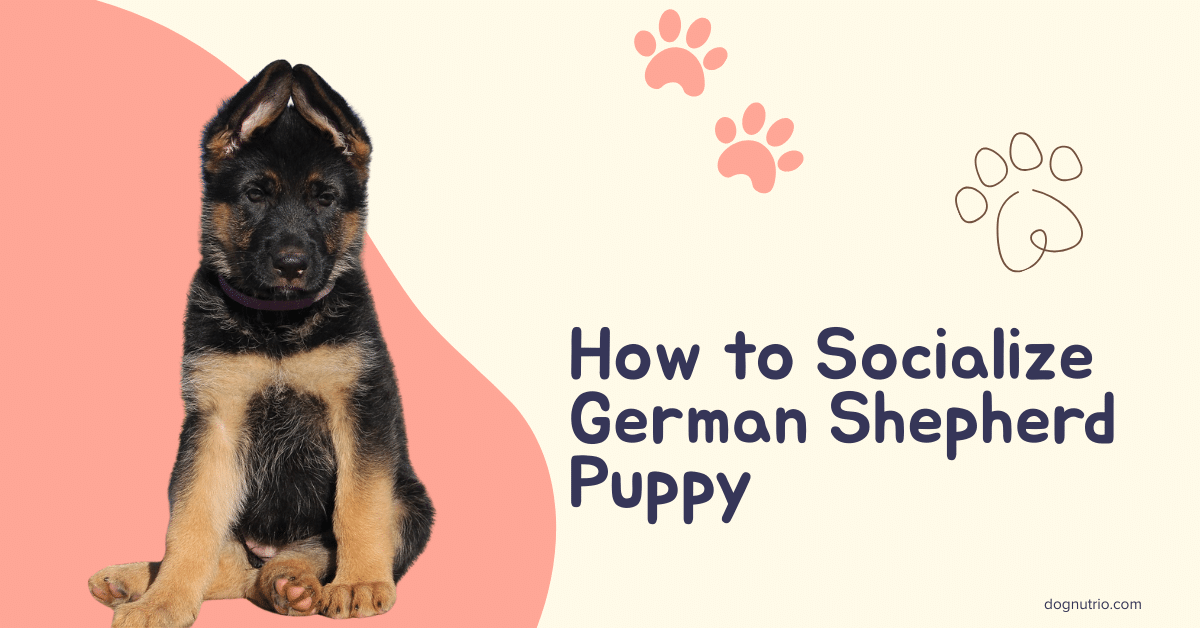
Start strong with a German Shepherd pup, expect endless motion, sharp smarts, loyal eyes watching you. Years deep in raising these dogs taught me something quiet but vital: how they meet new things shapes what they become later. Not just instinct, not only breeding – first experiences write much of their story. Trust builds fast when handled right, crumbles if ignored. The steady friend, the alert guardian, the balanced presence at your side – roots dig in during weeks most forget.
Puppies of German shepherds need early contact with the world – skip it, their future learning cracks at the base. What happens now shapes every response down the road.
Start by moving slow, because rushing only adds pressure on top of confusion. A quiet moment together often works better than a strict plan. Watch how your dog responds instead of pushing forward. Small pauses help more than constant motion. Stay calm even when things feel messy. Breathe deep if tension rises. Trust builds through repetition, not perfect moments.
How German Shepherd Puppies Learn Through Early Social Experiences
Watchful by nature, German Shepherds pick up on changes fast. This sharp awareness turns them into dependable guardians and skilled helpers around the home. Yet without early contact with varied sights, sounds, and experiences, that sensitivity might shift toward unease, quick reactions, or dread.
From experience, German Shepherd pups who meet many people early usually grow into dogs that:
• Handle new environments calmly
• Accept visitors without fear
• Play well with other dogs
• Trust children and strangers
• Respond better to training
• Show less fear-based behavior
Puppies without enough social contact often grow into anxious dogs. Nervousness may appear as excessive barking, reactive behavior, or fear around people and animals.
That’s why starting early – ideally from 8 to 16 weeks – is important for German Shepherd socialization.
Fear Stages in German Shepherd Puppies
German Shepherd puppies naturally go through fear periods. These phases are normal, but handling them correctly prevents long-term fear responses.
First Fear Period (8 to 12 Weeks)
During this stage, harmless things may suddenly seem frightening:
• Household objects like brooms
• Fast-moving children
• Loud or sudden voices
• New objects in the home
Slow exposure works best here. Gentle introductions build confidence far better than rushing.
Second Fear Phase (6 to 14 Months)
This stage surprises many owners. Even a growing adolescent German Shepherd may suddenly react differently to familiar things.
Common triggers:
• People wearing hats
• Large unfamiliar dogs
• Loud vehicles
• Dark or unfamiliar spaces
Staying calm during this phase helps more than anything else. Emotional balance from the owner often reflects directly in the dog’s behavior.
Start Socializing Your German Shepherd Puppy
Start here. This sequence has helped many German Shepherd puppies adjust well over time. Each step builds on the last.
Start With Safe Home Exposure
At first, the puppy only knows home. That space should feel safe, predictable, and open to exploration.
Expose your puppy to:
• Different surfaces like tile, grass, rugs, and wood
• Household sounds such as TV, vacuum, and blender
• Normal movement of people in the home
• Gentle handling and grooming
Small daily exposure builds confidence steadily. Repeated calm experiences matter more than sudden big ones.
Introduce New People Gradually
Begin with familiar or frequently seen people:
• Neighbors
• Friends
• Regular visitors
• Children (only with adult supervision)
Slow introductions help the puppy feel safe instead of overwhelmed.
Take Short Outdoor Adventures
Outdoor exposure does not need to be long or intense. Even sitting outside is progress.
Start with:
• Quiet streets
• Calm parks
• Safe areas near busier environments
• Watching people from a distance
Let the puppy observe at its own pace. No pressure, just steady exposure.
Controlled Dog Interactions
German Shepherd puppies may react differently depending on temperament. Controlled introductions work best.
Helpful guidelines:
• Meet calm, vaccinated adult dogs
• Avoid dog parks early on
• Use neutral meeting spaces
• Watch for overstimulation or fear
Early structure shapes long-term behavior more than random interactions.
Building Calm Behavior Around Visitors
When visitors arrive, reward calm behavior before excitement begins. A sitting puppy learns self-control faster than one jumping around.
Good habits start at the moment interaction begins. Calmness should always be reinforced early.
Socialization Checklist for a GSD Puppy
Here’s a simple table you can use to track progress.
| Exposure Type | Examples | Frequency |
| People | kids, elderly, men with beards, women, crowds | 3–4 times weekly |
| Animals | calm dogs, cats (if possible) | 1–2 times weekly |
| Surfaces | sand, tile, grass, metal grates | daily |
| Sounds | sirens, traffic, vacuum, thunder recordings | daily |
| Environments | parks, elevators, car rides | 2–3 times weekly |
Use this as a guide, not a rulebook. Every puppy has a different pace.