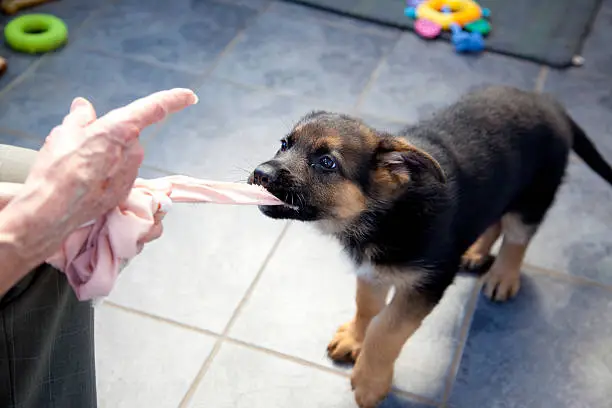
hat first step through the door with your new German Shepherd pup? Pure spark. One moment it’s all wiggles and tiny teeth, then snap it hits. This furball will grow into a powerhouse, weighing in at 70 pounds minimum, wired like a race engine, mind always ticking.
Start young when training a German Shepherd pup, stick to structure. Ranked near the top for smarts among dog types. Third on Stanley Coren’s list of smartest working breeds, found in his 1994 book. Police units, armed forces, rescue missions these tasks often rely on this breed, notes the AKC.
Besides being cuddly, it’s built to do jobs. Not just lounging around it’s made for tasks, covered in fur.
This guide walks through training a young German Shepherd, one stage at a time. From following basic commands to learning bathroom habits, it shows practical methods used in everyday homes. Each idea comes from groups that know dogs well such as the American Kennel Club and the AVMA. Crate lessons appear here too, explained simply alongside real situations pet owners face.
A strong dog starts with steady steps every day. Trust grows when you stay calm through new moments together. Good habits form by repeating small actions that matter.
Table of Contents
ToggleEarly Training in German Shepherd Puppies Makes a Difference
One moment tiny, the next already tugging hard on the leash. Eight week old balls of fluff turn into six month forces of nature. What seemed gentle suddenly moves with purpose. Growth sneaks up, then refuses to slow.
Early German Shepherd obedience training reduces future behavior issues
• Leash pulling
• Excessive barking
• Resource guarding
• Destructive chewing
• Aggression due to poor socialization
Puppies meeting new faces, noises, and places during those first months tend to grow into calmer dogs. The AKC points out this window between three and fourteen weeks is key for shaping how they act later on.
Puppies keep their spark when they learn. A steady routine shapes their days. Because clear patterns help them feel sure.
Step 1: Start Training the First Week at Home

Many owners wait. That’s a mistake.
Start training a German Shepherd puppy the moment your pup enters your home. Keep sessions short like 5 to 10 minutes, and repeat 2 to 3 times per day.
Focus on:
- Name recognition
- Eye contact
- Sit
- Come
- Gentle leash introduction
Use positive reinforcement. The AVMA strongly recommends reward-based training instead of punishment. Reward-based methods improve learning and reduce fear-based behavior.
Think of it this way: would you work harder for praise and bonuses, or yelling and confusion? Your puppy votes for treats.
German Shepherd Potty Training: Build a Clear Routine
Potty training feels overwhelming at first. Still, consistency solves most problems.
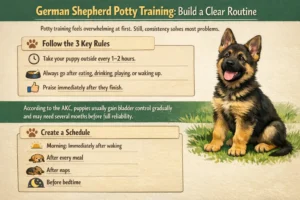
Three Essential Guidelines
Puppies need frequent trips outdoors, roughly once every hour or two.
Right after meals, head out. Following a drink, step outside. After playtime ends, move. Rising from sleep? Start walking.
Praise right when they’re done.
Puppies tend to build bladder control bit by bit, taking a few months until they consistently manage it well as noted by the AKC.
Create a Schedule
• Morning immediately after waking
• After every meal
• After naps
• Before bedtime
Start clean by wiping away any trace of past messes. Because lingering odors invite repeats, go over spots completely. Where a dog smells history, they assume it is okay to act again. Prevent mishaps not with discipline but by erasing clues.
Waiting now skips the annoyance down the road.
German Shepherd Crate Training Safety Over Confinement
Some folks get it wrong when thinking about crate training. Think of the space as more den than dungeon. It needs to seem safe, never confining.
The Humane Society of the United States explains that crate training helps with housebreaking and provides security when introduced properly.
Introducing the Crate
• Beside the chatter near the back window works fine
• Add soft bedding
• Toss treats inside
• Let your puppy enter voluntarily
Start slow when guiding your pup inside the box. Think twice before turning it into a timeout spot.
Limit Crate Time
• 8 weeks around 60 minutes
• 9 weeks about 1 hour
• 10 weeks still about 1 hour
• 3 months 2 to 3 hours
• 6 months 4 to 5 hours
A space just right makes a German Shepherd think twice before going inside it. Most will wait if they see that spot as their own quiet zone.
Try giving meals inside the crate so it feels good to be there.
German Shepherd Obedience Training Core Commands
Built for routine, German Shepherds do best when days follow a pattern. A task gives them purpose something to sink their focus into. Without clear tasks, restlessness creeps in. Rules and repetition keep their minds engaged instead.
Teach These First
• Sit
• Stay
• Down
• Come
• Leave it
• Heel
Every time, say the same words. Short phrases work best. The moment your dog gets it right, give a treat. Then again, always follow through without delay.
Most days, brief practice times beat marathon training when it comes to dogs. A German Shepherd picks up cues fast yet often pushes limits just as fast.
Breathe deep. Move steady. Hold your ground gently.
Socialization A Quiet Strength
Proper GSD puppy training includes controlled social exposure.
Expose your puppy to:
• On grass, things move one way. Tile changes how stuff slides. Gravel adds bumps that slow motion down
• Various sounds traffic, vacuum, doorbell
• Different people hats, glasses, children
• Other vaccinated, friendly dogs
The AVMA highlights that early socialization reduces fear and aggression risks later in life.
Puppies learn feelings through everyday moments. How they respond to life grows from these experiences.
Life flows smoother when a dog carries itself with assurance.
Mental Stimulation Keeps German Shepherds Focused
Bred to herd and guard, German Shepherds need things to keep their minds busy. When left without activity, they tend to find ways to amuse themselves. More often than not, your couch becomes part of the game.
• Puzzle toys
• Basic scent games
• Obedience drills
• Controlled fetch sessions
Boredom slows a working dog’s focus. Since the AKC backs daily workouts, puzzle games help German Shepherds stay sharp. Mental tasks matter just as much as long walks.
A sleepy pup follows rules more easily compared to a sharp mind with nothing to do.
Leash Training Made Calm
Inside first, try a light leash. Begin with something small when you’re inside.
Puppy tugs the item watch close. A few seconds only.
Reward calm walking beside you.
If tugging starts, stand still.
Progress feels like the prize. When you yank, it always fails.
Puppies gain muscle fast. Start walking them politely while they’re still small, unless you want back pain later.
Correcting Common Training Mistakes
Even motivated owners make mistakes.
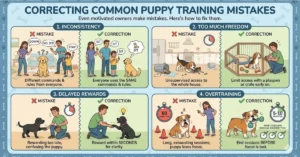
1. Inconsistency
Everyone in the household must use the same commands and rules.
2. Too Much Freedom
Start by reducing freedom without oversight right away.
3. Delayed Rewards
Seconds pass. A reward appears when things make sense.
4. Overtraining
Puppies quit paying attention fast. Stop while they still look at you. Wrap things up ahead of the drift.
Every single time, short bursts beat longer ones. Quick check-ins work better than drawn out stretches. Time and again, little moments pull ahead. Each tiny session outshines the long grind.
Signs You Might Need Expert Support
When people get a German shepherd puppy, they often look up training tips nearby. Help close by feels easier to find that way.
Consider professional help if
• Your puppy shows fear aggression
• You struggle with leash reactivity
• You feel overwhelmed
Start by checking credentials of those who rely on reward based techniques. Groups such as the AKC provide class listings along with guidance paths.
Pacing improves when someone skilled steps in early. Trouble down the road often fades if guidance shapes actions now.
Training Timeline What to Expect
Trust grows when promises match reality.
8–12 Weeks
• Basic commands
• Crate comfort
• Potty routine starts
3–6 Months
• Improved impulse control
• Leash discipline improves
• Socialization expands
6–12 Months
• Adolescence testing phase
• Reinforcement of obedience
• Advanced training possible
Most German Shepherds start thinking like adults by age two or three. Learning continues well beyond that point.
It evolves.
Reward Based Training Works Best
Puppies learn best when treats follow good choices this builds confidence instead of worry. Trust grows where rewards show up more than scolding.
Avoid
• Physical punishment
• Yelling
• Shock collars
Focus on
• Treats
• Praise
• Toys
• Play
Praise builds trust just as it sharpens skills. A kind word here does more than reward it ties two gains together.
Truth sits heavier than blame ever could.
Nutrition and Exercise Help Training Succeed
Good behavior connects to physical health.
Puppy meals should meet vet standards for quality. Routine visits to the vet keep track of health progress instead. Vaccinations stay on schedule through consistent appointments.
Most days should include movement, though jumping or rough play waits till bones finish growing usually by age one to a year and a half. Pushing too hard might damage areas where bones are still forming.
Balanced physical and mental activity produces stable behavior.
Building Long Term Trust and Authority
Puppies learn best when trust grows slowly between them. A gentle voice often works better than force ever could. Pressure pushes back just as hard as it’s given. Calm moments shape behavior more than loud ones do. Respect builds through repeated small choices each day. Harshness fades fast, but patience sticks around.
It means:
• Providing leadership
• Setting clear rules
• Rewarding good behavior
• Redirecting unwanted actions
Puppies look to steady hands, never rattled ones. Quiet strength wins every time.
Over time, doing things the same way earns trust. That trust turns into credibility. When people see you as credible, they listen. Listening leads to connection that lasts. Lasting connection is what makes partnerships stick.
Raise a Confident Companion
Puppies of this breed need steady guidance, time, every day. They give back trust, sharp thinking, safety when raised well.
Early beginnings help. Sticking with it matters just as much. Reward good behavior instead. Social skills come first, then listening follows close behind. Harsh reactions do more harm than good.
Here’s what matters most your puppy isn’t trying to push your buttons. Curiosity drives them, not defiance. Each mistake is part of figuring things out.
Walk beside them with patience, then shaping a dog becomes something deeper.
A dog trained well today stands by your side for years ahead. Patience now builds steady habits later. One moment of consistency today shapes behavior tomorrow. This bond grows stronger through daily choices. Trust forms when actions match words. A calm presence earns respect naturally. Over time, effort turns into quiet reliability.
Each day shows how good that choice was.
Frequently Asked Questions
1. When To Begin Training A German Shepherd Puppy
Right away at eight weeks, get started on teaching your German Shepherd pup. Because consistency shapes behavior fast, shaping good actions early makes a difference later. Try using cues such as sit, come, or their name simple stuff that sticks quickly. Brief practice windows work better, so five to ten minutes fits just right. Doing these small drills twice or thrice every day adds up steadily.
2. Training Duration for a German Shepherd Puppy
Most dogs learn basic commands within three to six months if trained every day. Still, a German Shepherd’s mind keeps growing till it hits two or even three years old. After the first few lessons stick, work must keep going more so when the dog enters its teenage stretch around half a year up to twelve months.
3. German Shepherd Potty Training Methods
Right away when they go, that is when praise works best. Sticking to a tight schedule helps more than scolding ever could. Every hour or two, plus after eating or waking up, head outdoors together. Success grows through steady habits instead of harsh reactions. When messes happen inside, just stay calm and keep going.
4. Is Crate Training Safe for a German Shepherd Puppy
Most of the time, using a crate works fine if done right. This little space needs to seem calm and safe, not scary. Drop in snacks now and then so good things happen there. Start slow rushing leads nowhere useful. Time spent inside depends on how young the pup is. Pushing them in causes more trouble than help. House training often goes smoother with a well used crate.
5. German Shepherds Training Ease
Smart these dogs definitely are, German Shepherds picking up tricks fast when training sticks to clear rewards. One after another, lessons sink in best with steady guidance and someone leading the way. Without enough brain challenges, long walks, or meeting new people and animals young, unwanted actions might start showing up.
References
- American Kennel Club AKC How to Potty Train a Puppy https://www.akc.org
- American Veterinary Medical Association avma.org Humane Dog Training Position Statement https://www.avma.org
- The Humane Society of the United States guidance on crate training https://www.humanesociety.org
- Coren Stanley The Intelligence of Dogs Free Press 1994