How to Stop German Shepherd Puppy Biting
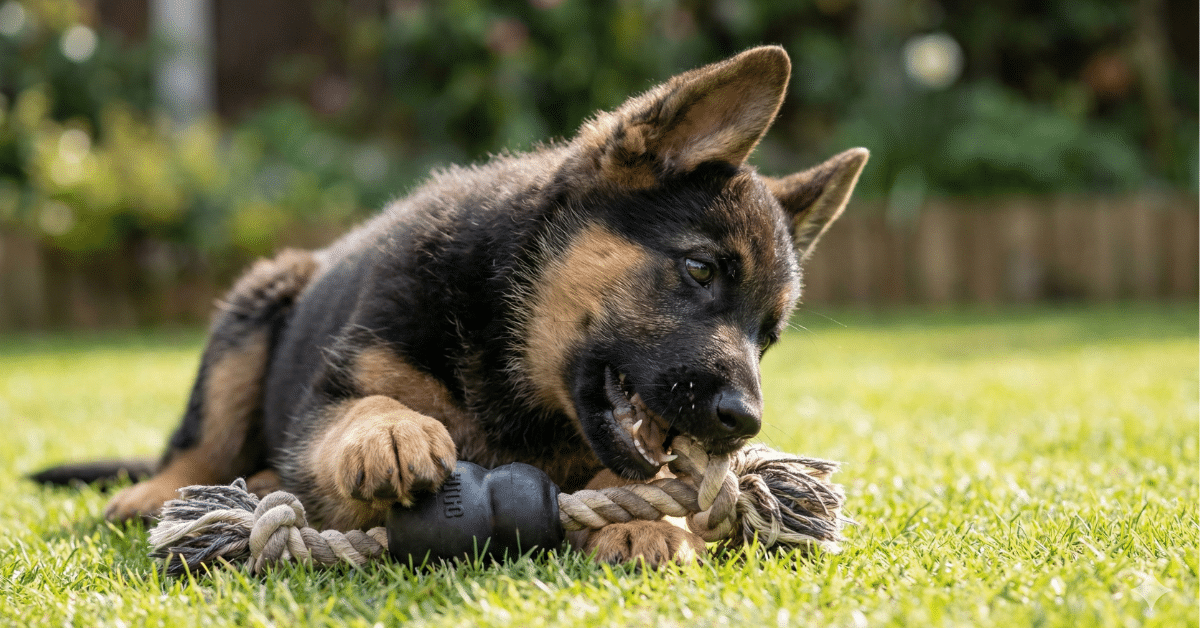
Puppies of the German Shepherd breed tend to be lively, clever, close to impossible to resist. Yet nearly all new owners face the same hurdle early on those sharp little teeth sinking into skin without warning. Biting happens often, stings more than expected, turns simple lessons into tests of patience. Each nip might seem playful, still it adds up fast, wears down even eager trainers.
Truth is, every shepherd pup hits this spot. Mine did too lots of them, actually. Hands, shoes, table legs all fair game for tiny teeth. Here’s what helps: stay calm, guide gently, one step at a time. Biting fades when you respond the same way each time. It won’t last forever, that much I know.
This guide walks you through real steps I’ve used – steps plenty of GSD owners have tried too – laid out plainly, kindly, without pretending things are perfect.
Table of Contents
ToggleYour German Shepherd Puppy Bites and What That Means
Bitey phases? Normal. Little jaws test everything because that is how they learn. A pup might chew your sleeve, ankles, even table corners – it simply lives curiosity. Spotting motives shifts reactions. Instead of frustration, notice discovery.
Here are some real reasons behind biting:
• Teething discomfort
• Play behavior learning boundaries
• Herding instinct kicking in
• Lack of stimulation or boredom
• Overexcitement during play
They’re Teething
Puppies feel sore gums when teeth come in around 3 to 6 months old. Chewing helps ease that pressure. They often grab whatever is nearby just for relief.
Play Behavior
Bite by bite, pups learn limits during play. If one bite is too hard, play stops and lessons form naturally. These early moments shape future behavior.
Herding Instinct
Many German Shepherd pups instinctively nip at moving objects like clothing or feet. It is built into their behavior long before training begins.
Lack of Training or Stimulation
When energy has no outlet, it shows up in biting. This breed needs both mental and physical engagement.
Overexcitement
Puppies often lose control during play. Excitement builds quickly and they forget boundaries until guided again.
German Shepherd Puppies Usually Bite During Play
Puppies of this breed explore the world with their mouths. Between eight and twelve weeks, biting is especially common. With steady guidance, it slowly reduces over time.
How to Stop German Shepherd Puppy Biting
Most German Shepherd pups begin to outgrow serious biting between six and nine months, depending on training and consistency.
How Certain Errors Increase Biting Problems
Small habits can unintentionally make biting worse.
• Pulling hands away quickly
• Laughing or reacting loudly
• Allowing rough play
• Encouraging hand play
• Not providing chew toys
• Inconsistent corrections
• Unsupervised play with children
Stopping Biting in German Shepherd Puppies
A simple structure works best. Nothing complicated – just consistency and timing.
Redirect the Bite
Stay still when biting starts. Sudden movement can turn it into a game. Wait briefly, then calmly redirect.
• Stay calm
• Say a gentle “No” or “Ah-ah”
• Offer a chew toy immediately
What the puppy learns:
• Hands are not for biting
• Toys are the correct target
Apply Yelp and Ignore Method
Puppies learn bite control through feedback.
• Puppy bites too hard
• Make a short “Ow!” sound
• Walk away without engagement
• Wait 5–10 seconds
• Resume only when calm returns
Teach Leave It Early
This helps with biting and impulse control.
• Hold a treat
• Close hand if puppy tries grabbing
• Wait for calm behavior
• Reward with a different treat
• Practice for 5 minutes daily
Stop Rough Play
Some games increase biting:
• Tug without control
• Wrestling
• Fast indoor chasing
Better alternatives:
• Puzzle toys
• Obedience practice
• Hide and seek
• Gentle fetch
Provide Physical and Mental Exercise
A tired puppy behaves better.
Physical movement builds balance over time, little by little each day. Mental work like sniffing games or training reduces unwanted biting.
Socialization
Exposure helps reduce biting issues.
• Other dogs
• New people
• Different environments
Use Time-Outs if Biting Continues
If biting continues:
• Stay calm
• No yelling
• No punishment
• Pause interaction for 20–30 seconds
• Return calmly
Avoid Using Punishments
Never:
• Hit
• Alpha-roll
• Flick nose
• Force mouth shut
Fear increases unwanted behavior.
Comparing Correct vs. Incorrect Responses to Puppy Biting
| Situation | Wrong Response | Correct Response |
| Puppy bites your hand | Pulling away fast | Staying calm + redirecting |
| Puppy bites during play | Laughing or getting excited | Stopping play immediately |
| Puppy bites your legs | Chasing them around | Standing still + offering toy |
| Puppy keeps biting | Yelling | Giving a short time-out |
Success comes from calm, consistent reactions.
Signs Your Training Is Working
At first, tiny changes start showing up
• Biting becomes gentler
• Puppy pauses instead of lunging
• Redirecting becomes easier
• Play stays calmer
• Even during excitement, biting happens less often
People Also Ask
1.Is my German Shepherd puppy being aggressive when it bites?
Puppies rarely act out of real anger. Most biting comes from play, curiosity, or natural instincts.
Signs of true aggression are different:
• Stiff body posture
• Deep growling
• Fixed, intense stare
2.What’s the usual duration of German Shepherd puppy nipping?
Biting usually reduces around five to six months. Some pups may take until nine months if training is inconsistent. With steady guidance, the behavior fades faster.
3.Letting a German Shepherd puppy bite during play?
Biting hands is not helpful because it builds the wrong habit. Replace hands with chew toys and keep play calm to guide behavior correctly.
Signs That Biting Might Be a Concern
Some biting behaviors may need extra attention:
• Stiff body that doesn’t relax
• Guarding toys or food
• Sudden snapping without warning
• Fearful behavior around family members
Extra Tips for Faster Results
Small changes often make a big difference.
1. Keep Toys Everywhere
Have a variety ready:
• Rope toys
• Rubber chew toys
• Teething toys
• Plush toys
More options make redirection easier.
2. Teach Calmness Early
Reward calm behavior. A relaxed puppy naturally bites less.
3. Frozen Teething Toys
These help soothe sore gums and reduce chewing urges.
4. Limit Overstimulation
Too much excitement often increases biting behavior.
5. Short Frequent Training Sessions
Short sessions work better than long ones.
• 3–5 minutes
• Several times a day
Consistency matters more than duration.
When German Shepherd Puppies Stop Biting
Most puppies reduce biting between 6 to 9 months. Some improve earlier with consistent training, while high-energy pups may take longer.
Without structure or exercise, the behavior can last longer than expected.
Conclusion
Every German Shepherd puppy explores the world through chewing, biting, and playful energy. It is a natural stage of learning. With steady guidance, calm responses, and consistent routines, that behavior slowly transforms.
Progress is gradual, not sudden. Small daily efforts shape long-term behavior.
How to Stop German Shepherd Puppy Biting
One day, the same puppy that once bit everything begins to respond calmly and thoughtfully. What once felt overwhelming becomes a memory.
A well-behaved German Shepherd starts with consistency today, not perfection.
FAQs
1. German Shepherd puppies and biting compared to other breeds?
German Shepherds tend to nip more than many breeds due to herding instincts and high energy levels. It is especially common in early puppy stages.
2. Will my German Shepherd puppy grow out of biting without training?
Some reduction may happen with age, but without training, the behavior often lingers. Guidance speeds up improvement significantly.
3. Teething and biting in German Shepherd puppies?
Teething increases biting because chewing relieves gum discomfort. This phase is temporary but intense.
4. Is it okay to use treats to stop biting?
Yes, but timing matters. Reward calm behavior after redirecting biting, not during it.
5. Can exercise help reduce biting?
Yes. A tired puppy is less likely to bite excessively. Physical and mental exercise both help reduce unwanted behavior.
6. Is biting about dominance or control?
No. Puppy biting is linked to exploration, teething, play, and instinct – not dominance.
7. German Shepherd biting kids: what to do?
Supervise interactions closely. Teach children calm behavior and redirect puppies toward toys when overstimulated.
8. Can training classes help reduce biting?
Yes. Training classes improve social skills, structure, and impulse control, which naturally reduces biting behavior over time.