How to Take Care of a German Shepherd Puppy: Complete Beginner’s Guide

By HINDHUJA VAKADA

Updated On:

how to take care of a german shepherd puppy

Join WhatsApp

Join Now

Puppies of the German Shepherd breed need steady habits right away. Starting strong means owners learn fast what works through calm effort each day. Those early weeks quietly set patterns trust grows bodies strengthen actions form without force. Much depends on those opening days.How to Take Care of a German Shepherd Puppy: Complete Beginner’s Guide Little German Shepherds pick up things fast yet they look for direction. When days lack shape these pups might grow fidgety or unsure. A steady rhythm around meals lessons and play keeps their world predictable.

Male and Female German Shepherd Puppies Compared

Big paws come early in male German Shepherd pups growing fast while chasing everything that moves. Because they bond closely you’ll find them near your side most days. Protection slips into their behavior naturally not forced but always there. Emotional growth crawls a bit slower compared to females yet loyalty shows up loud without question.

Starting strong young female German Shepherds usually pay closer attention and think on their own. A bit quicker to grow up they can pick up lessons earlier than some. These pups might react sharper when learning new things.

Some folks find boys easier to train others swear by girls truth is every pup brings something different. A calm home might suit one personality while active families click better with another type entirely.

Here is a thought get to know individuals across kinds and sexes prior to deciding what they’re like inside weighs heavier than any tag.

Choosing a German Shepherd Puppy

Start by picking a German Shepherd pup that fits your life. One with solid health and calm behavior trains faster needs less effort. Watch how it moves interacts notice small signs others skip. Questions matter especially about parents and past checkups. Skipping details now might mean vet visits later or tough habits hard to break.

Take your time when choosing. If getting a dog from a breeder or a rescue thoughtful choices help ensure a calm happy puppy joins your home.

Signs of a healthy puppy

Alertness marks a young German Shepherd pup that’s feeling well. Curiosity often shows when it pokes around new things nearby. Moving freely never dragging a leg tells you its body works just fine. Interest in humans and noise hints at normal development. Shiny fur means care has been given. Bright clear eyes suggest no hidden illness. Activity level stays steady through the day.

A wet nose is a good sign while ears ought to look tidy and smell neutral. Soft fur matters yet patches or constant hair loss are red flags. Puppies acting too shy might struggle just like those showing sharp behavior.

Puppies that feel good tend to accept soft touches without fuss also moving with steady liveliness. Quiet moments mix easily with bursts of fun fitting well when someone new tries their hand at care.

What to ask when getting a pet

Begins with a question clarity about the pup’s past comes easier that way. Openness matters when talking to shelters or those who raise puppies. Information flows better if they welcome curiosity without hesitation.

Important questions to ask include

• Is there proof of health checks for the puppy’s mom and dad
• Which shots plus worm treatments did the puppy get
• Right now what’s the puppy munching on
• Is the young dog used to being around folks or pets
• Health issues any seen so far Behavior quirks showing up

When answers are clear getting ready for what comes next feels easier. Unexpected problems tend to slip away when you know what to expect. Knowing ahead of time shapes how well things go down the line.

Beware responsible breeders and shelters quiz future owners too just to keep puppies safe. Home checks happen because fit matters more than fast adoptions. Watch how they probe your routine since patience reveals care. Only those ready earn trust through honest talk about time and effort.

First time bringing home a german shepherd puppy

Home with a German Shepherd pup First moments spark joy yet the little one might feel swamped. Strange walls greet their nose odd scents hang in the air faces they do not know stand nearby this stirs unease. Getting things ready ahead of time shifts the mood eases the weight. Smooth moves help tiny paws settle breathe belong.

Right away those early days shape how secure a puppy feels. Settling into a steady rhythm helps them adjust without confusion. Starting gently builds confidence faster than rushing.

Get Your House Ready Before You Get There

Puppies need a secure spot right from the start. Tidy away cords tiny things or footwear anything mouth sized goes. A calm corner helps them unwind when chaos hits. Safety first means fewer surprises later.

Pick up key supplies before the big day arrives. Food and water dishes come first then add a cozy sleeping spot along with playthings suited to their age. Toss in a crate only if that’s part of your setup. Getting it all together ahead means less chaos when they walk through the door.

Right away setting up meal times bathroom breaks and bedtime makes a difference once the puppy arrives. Starting strong means less confusion for the little one.

Helping Puppies Get Used to New Places

Start slow once the puppy shows up. Let paws wander where they want no rushing. Too many faces crowd in better to hold back guests. Touch softly if at all heavy hands scare. Trust grows when calm stays steady. Surprises wait behind quiet moments.

Start slow those first days keep things steady. Routines that are clear help more than busy plans. Comfort matters most give it often. Good moments add up quietly into safety.

Puppies might whimper or look hesitant when starting out. Totally expected behavior. A steady routine along with calm reassurance helps ease their nerves slowly. Little by little they settle in.

Start calm. A peaceful space plus consistent habits helps your German Shepherd pup settle fast those initial days. First moments matter most when everything feels new.

Training a German Shepherd puppy basics for new owners

Puppies grow better when they learn right away. Starting young works well because these dogs pay attention and want to please. Trust comes first then simple rules every day. Good moments during practice stick longer in their memory.

Puppies pick up rules faster when learning stays simple. A few minutes every day done regularly sets them on track while keeping things calm. Routines like these shape behavior gently avoiding stress that comes from too much at once.

Start training a german shepherd puppy early

Puppies can start learning right after they arrive at your place. Right away try short sessions where they learn to turn when called stay still on cue or walk behind you inside the house. Getting them used to rules early means fewer problems later.

Puppies tire fast when learning new things. A few minutes here and there fits their pace well. Spreading practice across daylight hours beats one stretched out try. Short bursts stick more easily.

Starting sooner makes shaping actions feel more natural. Confidence grows without effort when begun early.

Effective Training Approaches

Start strong by celebrating right actions say nice words hand a snack offer a chew toy. That kind of response builds trust while teaching fast. What works best Doing it every time they get it right. Moments like these glue connection and progress together.

When things go wrong heavy handed fixes tend to backfire. Fear often grows where strict penalties take root making learning drag. Instead of snapping at mistakes showing steady direction helps more. Progress moves faster when calm support replaces sharp reactions.

Puppies pick up patterns when cues stay steady. Sticking to familiar words builds their grasp of daily habits.

Puppies pick up things quicker when they’re enjoying themselves. A good mood sticks around just like the skills do. Making it playful helps them remember better later on.

Training a German Shepherd Puppy Between 8 and 16 Weeks

Eight weeks through sixteen marks a critical stretch in a German Shepherd pup’s growth. Openness to lessons peaks now as curiosity runs high. Confidence takes root when days follow similar patterns. New sights sounds and actions slip into place more easily at this age. Skills begin with small steps guided by steady presence. Routines form the backdrop for early learning. Trust grows alongside structure during these months.

Puppies learn better when lessons are soft kind repeated. Throughout the day brief moments of practice fit well keeping things clear calm. Instead of long drills quick touches keep their minds steady.

Goal Early Socialization

Puppies of German Shepherds learn calmness through meeting new faces hearing odd noises walking on strange floors. Their trust grows when life feels familiar exposure shapes boldness later. Surprises become routine if early days include traffic hum children laughing grass under paws. Confidence roots itself during these small moments.

Puppies take better to slow steps when each moment feels secure. Good moments count far beyond just how many happen. When first meetings feel quiet pups tend to settle into them then look around without fear.

Little dogs meeting different people and places grow up calmer. When life shifts around them they handle it without fuss. Training clicks faster because they’ve seen more of the world early on.

Crate Training Basics

Puppies often relax inside a cozy crate when it feels like their own little den. Used the right way this space supports better sleep daily patterns one place for potty learning.

Inside the crate ought to seem safe never like trouble. Begin without rushing let the pup move around on its own terms while quiet moments earn small treats.

Puppies pick up calmness faster when crated in brief stretches. Alone time becomes safer through these small moments. A little space used well builds confidence slowly. Each session plants quiet trust. Over hours solitude shifts from strange to normal. Tiny intervals teach big lessons about being by themselves.

House and potty training goals

Right away start teaching your dog about house rules and bathroom spots. Each time they eat play or wake lead them outdoors soon afterward. Sticking to a steady routine makes progress more likely.

Each time your pup does their business where they should show them you’re pleased. When messes occur because they will stay steady keep cool.

Most puppies pick up bathroom routines fast when given time along with consistency.

Puppies thrive when days follow a pattern. A kind word after good behavior goes surprisingly far.

German Shepherd Puppy Growth 3 to 9 Months

Most days during those months from three to nine energy levels climb in German Shepherd pups. A steady routine starts to matter a lot once confidence grows. Focus gets sharper when learning happens every single day. Testing limits sometimes shows up right around then. Because of that responding the same way each time helps most.

Puppies thrive when learning feels kind yet guided. Because rules make sense they begin to trust what comes next in their days. Their confidence grows as boundaries show them how to stay close to the person leading them.

Basic Obedience Commands

Puppies learn to follow basic directions through early lessons. That groundwork builds safer behavior around people and pets.

Start with basic cues like sit then move to stay. Daily practice matters most when kept brief each time. Down and leave it come easier if you celebrate progress right away try small goodies or happy words. Learning grows better through repetition that feels light almost playful. Each session builds something lasting without needing much time.

Puppies pick up lessons faster when their humans stick to the same words staying steady in how they speak. A clear pattern keeps mixed signals out of training moments.

Reliable Recall Training

Every time you call your puppy learns to return. Safety depends on this so does freedom outside the leash. Begin practice where it’s calm few things pulling attention away.

Start by sounding cheerful when your pup does the right thing offer a treat each time. As skills grow stretch out the space between you two while tossing in small disruptions now and then.

Start training early so good habits stick. Skip summoning your pup when you need to do something it dislikes trust fades fast that way.

Here’s something useful. Practice again and again give treats when it goes right stay calm even if progress feels slow. Each try adds up without you noticing at first.

Feeding and nutrition tips for german shepherd puppies

Puppies need good food so they grow right. A German Shepherd pup thrives when meals include what it needs every day. Strong legs come from eating well not just luck or time passing by. Energy stays steady if the bowl holds proper nutrients. Weak joints might show up down the road if early feeding misses the mark.

Start with what goes into the bowl fresh balanced meals matter most. Right after timing becomes key feed at the same hours every day. Portions Better too small than too large each time. Growth works best when it moves like a quiet tide not a sudden wave. Fast gains often lead nowhere good in the long stretch.

German Shepherd Puppy Feeding Guide

Starting strong German Shepherd pups do best on meals made just for big breed youngsters. Such diets pack a mix of protein fats minerals everything in check to support steady development. Instead of rushing size gains these formulas help build structure wisely. Growth happens naturally when nutrition stays balanced.

Packed with meat first good puppy food skips the junk. Instead of loads of filler fake dyes or cheap leftovers pick one where protein leads. Real stuff up front means less mystery inside the bag. Skip anything bloated with extras that do little. A short list beats a long story every time. Chew on that.

Pour clean water fresh each day without fail. Training rewards work well when handed out slowly remember they add up toward the full meal total by nightfall.

Feeding Amounts and Frequency

Puppies munch often when they’re tiny slowing down as they grow. What they eat ties to how old they are how big they get also what they do all day.

General feeding guidelines include

• Between eight and twelve weeks feed three times daily sometimes four if needed. Meals should be tiny portions spaced out through the day. Four servings might work better than three for some young ones. This schedule fits their fast metabolism during early growth stages
• Between three and six months feed three times every day. Morning afternoon then evening works well. Each meal comes after the last by several hours. Routine helps keep things steady. This pattern supports growth without rushing it
• Half a year up to a full one serve food twice daily

Puppies need meals sized right check what the food maker suggests yet tweak amounts while they grow. Too much food risks stressing young joints so keep portions in check.

Pacing meals at consistent hours can ease how the body breaks down food. A steady pattern often brings balance to daily rhythms.

German Shepherd Puppy Growth and Weight Overview

Puppies of the German Shepherd breed gain size fast in early months yet solid development leans on consistency more than speed. Watching how they progress through phases and tracking body mass gives caretakers clues about well being. Good food choices tied with mindful movement build resilient frames over time.

Pacing of growth shifts subtly from one young dog to the next. What they inherit what they eat along with how much they move shapes their bulk and heft.

Average Weight by Age

Pacing through the first weeks a German Shepherd pup packs on pounds fast. Though every youngster differs broad guidelines give caretakers a way to follow growth.

Most people weigh somewhere in these brackets

• Two months pass Weight shifts between eight and twelve pounds. That much changes in just under sixty days
• Between three months old weight ranges from eighteen up to twenty five pounds
• Half a year in weight ranges from forty five up to sixty pounds
• 12 months 65 to 85 pounds

Puppies might land just outside these numbers yet stay perfectly fine. What matters most is steady growth not hitting precise figures.

Healthy Growth Signs

A pup that’s growing well gains pounds at a steady pace stays lively throughout the day while also keeping balanced movements. Moving freely matters any sign of stiffness or uneven steps could mean something is off.

Puppies look their best when their fur gleams eyes stay bright yet hunger remains steady. A fit pup carries weight evenly ribs present under fingers without showing through skin.

Puppies grow fast so visits to the vet show if things are on track. Spotting small problems at first can prevent bigger ones later.

Puppies grow fast enough without pushing it. Slow progress means less stress on new joints. Tiny steps beat big leaps here. Their bodies thank you later. Rushing brings risks better avoided. Growth works best when gentle.

German Shepherd Puppy Sleep and Daily Routine

Puppies grow best when sleep comes at the same times every day. Rest fuels their bodies minds their ability to stay calm. When days follow a clear pattern worries shrink. Training sticks better under steady rhythms.

Puppies thrive when sleep slots between play and meals like pieces of a puzzle fitting slow. What comes next matters less than knowing it will come steady. Training slips into gaps after chewing toys go quiet before bowls get filled again. Predictability wraps them in calm even on messy days.

German Shepherd Puppy Sleep Requirements

Puppies of the German Shepherd breed spend much time dozing most heavily early on. Eighteen to twenty hours daily is typical rest span. Nighttime brings long stretches under covers then daylight invites short spells curled up again.

Puppies need sleep so their brains can grow along with their bodies. When they miss rest odd things happen like bouncing off walls or ignoring what they’ve learned.

Puppies need calm spots to sleep so they can recharge fully. A peaceful space lets them drift off without interruptions. Rest happens easier when surroundings stay soft and still. Waking up feels smoother after undisturbed downtime. Comfort shapes how deeply they settle into sleep. Quiet corners support better nighttime patterns. Their energy returns faster when rest stays uninterrupted.

What a Puppy Does Each Day

Most days go smoother when there’s a pattern to follow. Sticking with it matters more than hitting each hour just right. Energy stays steadier that way even if mornings shift. Good choices become easier once they’re expected.

A simple daily routine may include

• Morning potty break and feeding
• Short training session and playtime
• Sleeping a little at noon might help. Moving gently afterward feels good too
• Afternoon feeding and gentle exercise
• Evening calm play and bedtime routine

Puppies change fast so what works today might need tweaking tomorrow. Their bursts of zoomies mean schedules should bend a little now and then. When they start picking up tricks faster it is time to shift how much practice fits into each day. Energy levels rise lessons stick better adjustments follow naturally. Growth means old timing could feel too tight or way too loose.

Puppies settle better when days follow a rhythm. A steady pace through mornings afternoons nights brings quiet confidence. Same walk time each day shapes habits without force. Mealtimes that don’t shift keep energy smooth. Body clocks tune in when routines hold firm. Calm comes more naturally then. Focus appears without pushing. Managing their actions feels lighter somehow. Regularity carries them steady as breath.

Exercise Needs of German Shepherd Puppies at Different Ages

Puppies need movement yet what works at three months fails by six. A walk around the yard shapes strength without stressing young legs. Balance matters because clumsy steps today may mean stiff joints tomorrow. Running after balls builds mind focus just as much as body control. Each stage asks for different effort too little slows growth too much risks damage.

Puppies need calm guidance more than long runs when they are still growing. A steady pace helps them learn without tiring too fast. Minds stay sharp through gentle games instead of forced drills. Energy finds better outlets in puzzles not sprints. Young bodies build strength slowly step by quiet step.

Exercising young puppies safely

Puppies of the young German Shepherd kind do best when activity stays light and brief. Moving around inside or within secure outside spots gives them freedom to explore yet keeps effort low.

Puppies settle better after brief strolls gentle toy time or simple practice rounds. When they pick up new cues it wears them out mindwise instead of just tiring muscles.

Try fitting movement into small chunks instead of aiming for one big workout each day. Sometimes short bursts add up better when they happen more often. Usually it works well to move a little here and then again later.

What Not to Do While Growing

While a puppy grows some actions work better left out. Bones and joints face strain when hard workouts happen too soon.

Avoid activities such as

• Long distance running
• Jumping from heights
• Repeated stair climbing
• Forced or intense exercise
• Rough play on hard surfaces

Stopping such actions can lower chances of joint issues down the road. When you avoid them your joints may stay healthier longer. Over time skipping these moves might protect mobility. Some movements wear joints out faster doing less means saving more function. Fewer repeats today could mean fewer aches tomorrow.

Beware calm movement shapes young bodies more fully than hard workouts ever could. A pup thrives on rhythm not rush.

German Shepherd Puppy Grooming and Coat Care

Puppies need regular care to stay fresh and feel good. A steady routine keeps their coat in check while catching odd bumps before they grow worse. Touching them gently during brushing builds trust over time. Starting small means less stress later on.

As your puppy gets older sticking to basic routines helps keep its coat under control. A steady approach turns brushing into something ordinary rather than a struggle. Over time little efforts add up without needing big changes. Regular attention means fewer tangles less shedding and smoother handling later on.

Basic Brushing and Bathing

Puppies of the German Shepherd breed need regular brushing to clear away dead hairs along with grime. This grooming step spreads body oils across the fur which supports a strong sheen and overall wellness in their outer layer.

Puppies tend to do fine with a gentle brush or one that smooths fur. Two or three weekly sessions of brushing often cover it. When mud shows up or a smell lingers then bath time makes sense.

Bathe your pup only when needed too much washing strips natural oils. A gentle shampoo made for puppies works best to protect their delicate skin.

Managing Shedding and Skin Health

Baby German Shepherds lose fur naturally when their coats shift. Brushing often keeps stray hairs in check while stopping tangles before they start.

Fine skin thrives when fed well drinking enough water also kept clean through daily care routines. Itchiness or flaking might point toward food related sensitivities instead of surface level causes.

Patchy spots Spotting them while brushing makes a big difference. A quick look each time reveals what changes slowly.

Brushing every day means less fur around the house. It also helps your puppy’s skin stay healthy while keeping their coat looking its best. A regular routine makes a difference you can see and feel.

German Shepherd Puppy Health Care and Vet Visits

Puppies need good care right from the start especially German Shepherds. Visits to the vet keep track of how fast they grow while spotting signs of sickness early. Catching small issues now means fewer worries later on down the road. Staying ahead of health concerns builds a stronger foundation for their future.

Puppies need care shaped by expert advice so new owners find it helpful to team up with a vet. This partnership builds a routine tuned to the young dog’s specific requirements.

First Vet Visit and Vaccinations Schedule

A pup’s debut checkup fits best in the opening seven days after arrival. Right there at the clinic a close look covers how things are growing body mass plus general well being.

Puppies often start their shots between six and eight weeks old then follow up with more doses across a few months. Because early protection matters each round guards against tough illnesses while slowly strengthening the body’s defenses.

Puppies often need worm treatments your vet might talk about that at first checkups. Flea control could come up too along with what to feed your dog. Each visit covers different basics depending on the pup’s age. Nutrition tips usually fit in around discussions of parasites. Early appointments tend to bundle these topics together naturally.

Common Health Issues to Watch For

Puppies of the German Shepherd breed might face some health troubles. Upset stomachs show up now and then along with irritated skin. Ear problems pop in from time to time during their early months.

Something’s off when a pet moves stiffly scratches nonstop seems worn out or stops eating like usual. Spotting those signs early means care can start sooner which often leads to smoother recoveries. Noticing small shifts fast makes a real difference down the line.

Regular checkups and daily observation help catch potential problems early.

Every so often jot down trips to the vet dates matter. Vaccination updates Write those too. When something shifts with their health note it right away. Staying on top means knowing what happened when. Details add up over time quietly helping you keep track.

German Shepherd Puppy Must Haves

Ready gear simplifies tending to a young German Shepherd. When things are set ahead of time the pup settles faster leaving room for learning and connection instead of rushing out to buy stuff. Key items need to handle rest meals lessons and staying protected.

Right away picking well made things helps you feel calmer when settling in. A smoother move begins with what you choose at first.

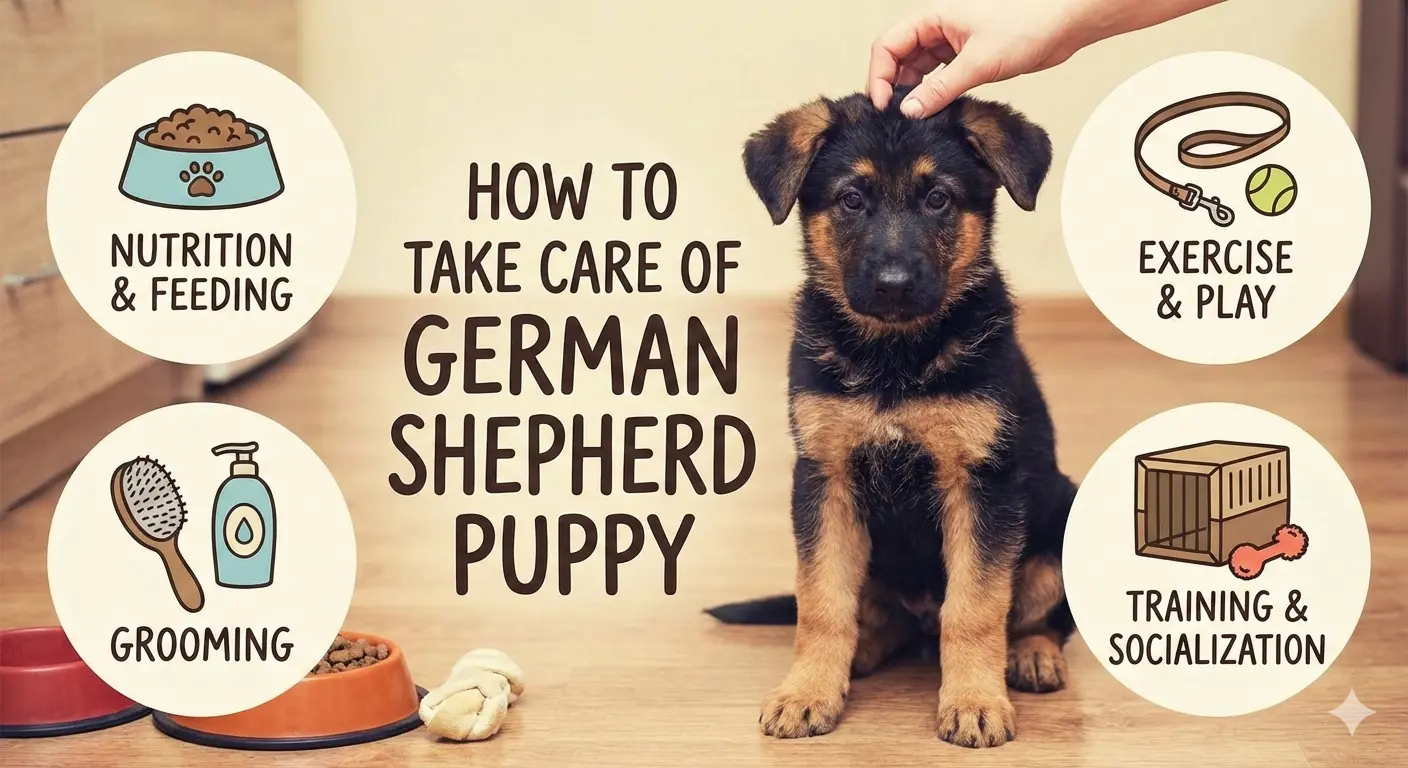
Essential Supplies Ready Before Puppy Arrival

Puppies need certain things right away just to get by. From the start these basics build habits while making life softer. What they rely on at first sets the pace later.

Among the essentials are these key things

• Food and water bowls
• High quality puppy food
• Comfortable bed or crate
• Collar with ID tag
• Leash for short walks
• Safe chew toys

Puppies adjust faster when their essentials are nearby making them feel safe right away.

Extra items for training and comfort

Some extras might help during training also simplifying everyday routines. Though the basics work fine alone a few additions could fit how you live.

Among the extras worth considering are these

• Training treats and treat pouch
• Harness for leash training
• Grooming tools like brushes and nail clippers
• Interactive toys for mental stimulation
• Puppy safe cleaning products

With these tools around daily routines get easier while helping stick to growth targets over time. A little help today builds better results down the road through steady practice.

Puppies need time to figure things out. Begin simply. Build up gear bit by bit once patterns show. Watch closely what fits their habits. Wait before loading on extras.

Common German Shepherd Puppy Care Mistakes

Starting strong with a German Shepherd pup feels good yet tiny errors might echo later. Most missteps happen because facts are missing not dedication. Spotting typical blunders early lets pet parents sidestep frustration down the road.

Spotting these errors sooner helps your puppy grow into a calmer stronger companion. Early notice turns small fixes into big gains down the road.

Common Feeding and Exercise Mistakes

Too much food shows up a lot when owners feed their pups. Heavy meals lead to quick weight increases that strain young joints. Puppies built for size do better with limits at mealtimes so bones grow right.

Puppies still growing can get hurt if they move too much. Running around or leaping might harm their bones as they form. Walks that stretch on too long aren’t right either. Better to keep activity soft matched to how old the pup really is.

Leftover food from meals might upset a pet’s stomach. Besides that giving too many snacks leads to picky eating patterns.

Training and Socialization Mistakes

Most people wait too long to start. Puppies learn fast when young especially German Shepherds so gentle lessons early help more than you think. When nothing corrects them at the beginning small misbehaviors stick around longer.

Puppies get mixed up when rules keep changing. Because of that each person at home needs to stick to identical habits plus teaching styles.

Puppies might get scared if they miss early hangouts with others or face too much too soon. Slow steps help them feel safe instead. Good moments stick better when things move at their pace.

Take your time. Pushing too fast might backfire. Slow steps repeated daily build something that lasts. Patience shapes outcomes more than speed ever could.

FAQs

1. What’s the real challenge in raising a German Shepherd pup?

Puppies like this breed thrive when days follow a pattern. A steady hand makes all the difference feeding times matter just as much as play and rest. Training begins on day one shaping behavior through calm repetition. Many people discover these dogs fit well into active homes. Guidance turns confusion into confidence for both dog and person.

2. German Shepherd Puppies and First Time Owners?

Starting strong German Shepherds suit beginners ready to learn alongside their pup. Because they pick up lessons fast stick by your side and react well to guidance. Even so progress depends on steady routines calm energy and showing up every day.

3. Time Needed With a German Shepherd Puppy Daily?

Most of a pet’s day needs chunks of attention three to four hours split into bits. Morning might bring practice then lunchtime offers quiet cuddles instead. Late afternoons work well for running around outside. Brief moments add up better than one stretched block. Evenings can tie things together with soft talk or light games. Spacing it out keeps energy steady.

4. Start training your german shepherd puppy when you bring it home?

Right away is when training kicks off once your German Shepherd pup steps inside. Right around 8 weeks old they’re ready learning their name where to go potty that sort of thing slips in easily. Simple cues fit into life without fuss starting early.

5. Feeding frequency for a German Shepherd puppy?

Puppies of the German Shepherd breed need food offered three or four times daily at first. When they start getting bigger two mealtimes become enough helping their bodies process nutrients well while growing strong.

6. Exercise needs for german shepherd puppies?

Puppies of the German Shepherd breed do best with brief bursts of activity tailored to their young age timed across daylight hours. Instead of lengthy or tough workouts soft games spark movement just right. Walking distances kept low adds balance. Learning tasks woven into playtime support growth more than pushing pace or duration ever could.

7. German Shepherd Puppy Sleep Duration?

Puppies of the German Shepherd breed might be snoozing up to twenty hours every single day. Nighttime rest stacks with frequent daytime dozing both critical pieces fueling strong physical progress along with mental sharpness. Their bodies grow best when blanketed in long stretches of quiet slumber.

8. What is the best age to bring a German Shepherd puppy home?

Brought home at eight to ten weeks a German Shepherd pup settles fast. Since they’re eager then attachment begins without delay. Training sticks better once trust grows early. New surroundings feel safer when change happens at that stage.

9. German Shepherd Puppy Biting How to Reduce?

Bite issues fade when a pup learns to gnaw on toys instead of hands. Roughhousing with fingers teaches bad habits skip it. Calm moments earn treats shaping better actions over time. Steady guidance matters most while they grow into their size.

10. What are common mistakes new German Shepherd puppy owners make?

Too much food can cause problems. Running them into exhaustion isn’t care it’s stress. Waiting too long to start teaching shapes bad habits early. One day you say yes next day no confusion grows fast. Missing chances to meet others leaves dogs tense around strangers. Skipping these pitfalls leads to steady moods and smoother walks. A settled animal comes from steady choices.

Conclusion

Puppies need steady attention each day brings new chances to shape their habits. A full bowl at mealtime builds strong bones instead of filling space in the pantry. Training sessions short yet frequent plant seeds for calm reactions later on. Movement throughout the day keeps muscles tight minds sharp energy channeled. Vet visits catch small issues before they stretch into big problems. Confidence comes not from praise alone but from knowing what happens next. Balance emerges when routines feel like ground under paws.

Right from the start the initial months set the tone. When you build consistent patterns offer gentle direction instead of waiting young German Shepherds learn what to expect. Tiny actions each day add up without notice. Over weeks those little choices shape behavior more than anyone might guess.

A single path fits no pup watch closely shift when needed grow together through each phase. Trust takes root when steady guidance meets daily patience woven with moments of care that deepen connection over time.

Right from day one good habits lay the groundwork for a German Shepherd pup to grow strong and thrive. A steady routine shapes their well being more than most realize. Starting off with clear guidance helps them stay balanced and calm over time. Careful attention early on builds resilience that lasts into adulthood. Thoughtful choices today echo through years of tail wags and steady walks.

HINDHUJA VAKADA

Written by Hindujha Vakada, Sr. SEO Specialist at Market Data Forecast, with expertise in creating research driven digital content. She has a strong passion for dogs and actively researches dog nutrition, training, behavior, and overall pet wellness. Dedicated to providing informative and trustworthy content that supports responsible dog care and better pet parenting.

🔴Related Post

Leave a Comment