A strong start comes with knowing a Rottweiler might suit someone new to dogs when things are set up well. Smart they are, attached deeply, respond well to lessons; still, steady teaching matters, meeting others young helps, handling must feel sure. Conditions shape success more than hopes do.
Starting out with dog training takes real dedication if you want it to work with a Rottweiler. Because they need steady routines, anyone unsure about sticking to schedules might find things tough. These dogs demand regular movement every single day, so skipping that causes problems. On the flip side, someone hoping for a laid back pet could feel overwhelmed by their intensity. Their powerful nature shows up early, which surprises people wanting something gentle.
Powerful builds. Steady gaze. A Rottweiler stands firm, trusted by many as a guardian at home. New pet keepers notice this breed fast praised often for sticking close through thick and thin. Yet here’s another layer their mind works sharp, set on routine, unshaken once decided. Some find that energy tough to guide without prior experience. So the thought comes up: does someone just starting out fit well with such a determined companion?
Most times, it isn’t just about saying yes or no. Shaped by how you think, live, because of your readiness to guide them daily. Not like certain dogs that adapt easily at first glance. These animals expect clear direction, routine, follow through without pause. Give what they need loyalty might surprise you beyond belief.
This one covers all the basics how they act, how hard they are to train helping you figure out if their vibe matches yours. Not every dog suits every person, after all.
Table of Contents
ToggleRottweiler Behavior and Traits
What shapes this conversation? A look at how Rottweilers act and what they’re like inside.
Strong bodies move with quiet confidence. Their loyalty shows in steady eyes. A protective instinct runs deep in their nature
• Loyalty
• Intelligence
• Protective instinct
Back then, these dogs pulled duty on farms watching over animals, helping in butcher shops. Even now, that past tugs at how they act.
Key Personality Traits
Sticking tight to their people, these dogs tend to shadow them through the day. Their attachment runs deep, making separation tough. Close contact feels natural, almost necessary, for them. Around you is where they want to be rarely wandering far on their own.
Watchful by nature these dogs notice everything around them. Their attention rarely drifts from what’s happening nearby. Always tuned in, they pick up on small changes in their environment. Ready without trying, they respond to shifts others might miss. Awareness comes easily, built into how they move through the world.
A steady presence comes from training that shapes a Rottweiler’s responses. When handled right, excitement fades into quiet awareness. Nervous energy gives way to stillness through routine. Over time, sharp reactions soften into patience. With consistency, bold moves turn into thoughtful pauses instead.
Quick to pick things up, yet they figure stuff out on their own too.
A strong mix like this shapes how a dog turns out. When care goes into teaching it what to do, the animal often becomes calm and trustworthy instead. Without that guidance, behavior might spiral in another direction entirely.
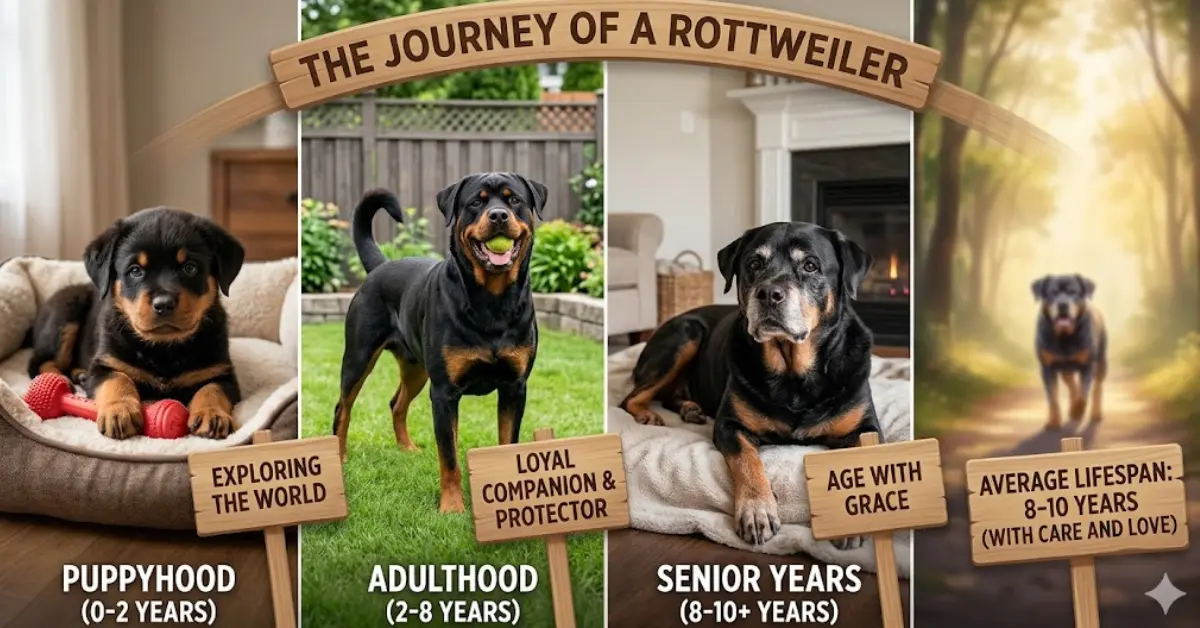
How Rottweiler Temperament Shifts As They Get Older
Puppies bark less than adults might expect. A calm pup today can shift into something sharper by year two. First time handlers often miss these shifts until they’re hard to ignore. Growth brings new reactions to strangers, noise, even family routines. What worked at six months may fail by the holidays. Watching small changes early helps avoid big surprises later.
Puppies come full of bounce, always sniffing into things, refusing to listen now and then. When rules feel loose, they push limits commands vanish into thin air. New owners blink hard when these dogs don’t follow orders right away.
Most puppies start feeling bolder around six months, sometimes pushing limits by ignoring rules. When they test boundaries, actions might turn pushy or bold. If guidance stays unclear through this stretch, handling them grows harder. Around a year and a half, attitudes often settle provided routines stayed firm.
A grown Rottweiler, when properly trained, tends to settle into a steadier rhythm less reactive, more aware. Because of consistent guidance, their natural watchfulness sharpens over time; they start noticing subtle shifts in mood or environment. With age comes reliability, not just strength. Their ability to judge moments improves, making responses feel measured rather than rushed.
Puppies test limits when they hit their teenage months. Owners new to dogs often find this stretch tough. Staying calm matters more than quick results. A steady routine helps them settle better.
Male and Female Rottweiler Temperament Compared
There are subtle but important differences between male and female Rottweilers that beginners should understand.
Firm guidance often matters more with male Rottweilers they tend to push boundaries. Their adolescent period can bring strong urges to claim space, needing steady direction.
A pup born female might feel like a smoother start for someone new. Often growing up quicker than males, she usually pays closer attention when learning tasks. Some find her mind bends less against directions now and then.
Still, raising a dog right matters as much as its sex. Training shapes behavior, whether male or female. Upbringing plays a big role in how calm or bold they act. How owners guide them changes outcomes more than type alone.
Begins gently, female pets might feel easier for new owners. Yet either one thrives when care fits their nature.
First Time Owners Real Life Behavior Examples
Life examples make grasping personality simpler. Real situations help clarify how traits show up day to day.
A Rottweiler might sit by the door wait for its owner
Sticking close no matter where you move through the house this bond runs deep. Wherever you go, that’s exactly where they want to be. Not because they have to, but because being near feels right. Moving together through spaces just makes sense. Distance doesn’t sit well when connection matters this much
Watch closely if someone unfamiliar comes inside. Stay ready should an unknown person step into your space
Stay calm but observant in unfamiliar environments
Become excited and energetic during playtime
Left unaddressed, small actions might grow louder. Over time, patterns emerge without guidance. Tension builds when no support is offered. Quiet issues turn sharp. Repeated moments pile up silently. Behavior shifts slowly, then suddenly
• Overprotectiveness
• Jumping or pulling on leash
• Ignoring commands
When guided well, those actions become:
• Controlled guarding
• Obedient responses
• Calm confidence
Because of this, setting clear routines right away helps guide how they naturally behave. Early guidance shapes their built in reactions in quiet but steady ways. Without it, those impulses might go in directions nobody planned for.
Environment Influences Rottweiler Behavior
A pup’s personality isn’t set in stone. Shaped more by surroundings than instinct.
Dogs raised in a structured and positive environment tend to be:
• Calm
• Obedient
• Socially balanced
Yet without enough experience, uneven responses might result in:
• Fearfulness
• Aggression
• Anxiety
Puppies get calmer personalities when they meet new people and places young, says the American Kennel Club. Not every dog reacts the same way though some take longer to adjust. What matters most is consistent exposure during the first few months of life. A quiet attitude later on often traces back to those early weeks. Without these experiences, shyness might stick around much longer than expected.
First time owners should focus on:
• Regular exposure to people and places
• Consistent routines
• Positive reinforcement training
First Time Owners What To Expect
Most new owners get it wrong when picturing life alongside a Rottweiler. Reality hits differently once they’re in it.
You can expect:
• A dog that demands attention and interaction
• Strong emotional bonding and loyalty
• The need for daily mental and physical stimulation
You Should Not Expect:
• A low maintenance or independent dog
• Instant obedience without training
• A passive or overly friendly personality with strangers
A well trained Rottweiler acts more like a reliable teammate than just another house dog. Instead of lounging around, it pays attention, responds quickly, stays close when needed. This breed follows cues without drama, handles pressure calmly, shows loyalty through actions, not noise. Rather than seeking constant praise, it works steadily, watches its surroundings, steps in only when necessary. Its presence feels steady, grounded, aware more like protection built into daily life.
Are Rottweilers Aggressive or Friendly?
Among the top questions people ask sits this one do Rottweilers lean toward aggression or warmth?
Truth bends in ways we don’t always notice.
Most of the time, Rottweilers stay relaxed unless something pushes them. Groups such as the American Kennel Club say these dogs often show steady confidence when raised right. Yet because they guard strongly, danger might spark a reaction.
Factors Shaping How They Act:
• Early socialization
• Owner handling style
• Training consistency
• Environment and exposure
A dog lacking early social skills might act out of fear. When raised with steady guidance, it tends to stay calm, shows warmth at home, yet keeps distance around new people.
Put plainly these aren’t pushy creatures, yet they won’t back down without reason. Still, they hold their ground only when needed.
Why Rottweilers Get Misjudged
Surprisingly calm behind that tough look, Rottweilers get mistaken for threats when they’re really just watchful. Their sharp stance isn’t anger it’s loyalty standing guard.
A dog like a Rottweiler might just stand quiet, eyes locked on someone new. Because it’s trying to understand what’s happening. When it moves to place its body between you and another person, that isn’t anger. Instead, it’s figuring things out, moment by moment.
Because of this mix up, some people end up reacting too harshly or pulling back completely around their dogs, leaving both unsure what comes next. While trying to teach new behaviors, that uncertainty tends to muddy things fast.
Most of the time, a Rottweiler that knows what it’s doing stays calm, pays attention. Without cause, it won’t jump into action focus matters more than force here.
Rottweiler Body Language Made Clear
Understanding body language is essential for first time owners.
Calming Friendly Behaviors:
• Relaxed body posture
• Soft eyes and wagging tail
• Approaching people without hesitation
Alertness Without Aggression:
• Standing still and focused
• Ears forward
• Watching silently
Stress or Possible Aggression Signs:
• Stiff body posture
• Growling or showing teeth
• Intense staring
• Raised hackles
Spotting these signs right away can stop things from getting worse.
Protective Behavior Compared to Hostile Actions
What trips up most people? Telling apart protection from outright hostility.
Ready to act when needed, a Rottweiler notices everything around it. Because protection comes naturally, awareness stays sharp without training.
Out of nowhere, aggression shows up as a raw, unchecked response like lashing out when it isn’t needed. Sometimes it spills over without warning, acting too strong for the moment. A sudden push instead of patience. Not calm, never measured, just force where it doesn’t belong
• Lunging without warning
• Reacting excessively to harmless situations
• Ignoring owner commands
When needed, it acts fast yet stays relaxed until then. A well trained Rottweiler waits without tension, moving only at your signal.
First Time Owners Real Life Example
Picture a person stepping into your house, never having been there before.
A Typical Rottweiler May:
• Close by your side, watching the visitor closely
• Remain quiet but alert
• Take time before approaching
Most people act this way. It happens often.
Yet sometimes a dog might:
• Barks excessively
• Tries to lunge
• Refuses to settle
That often points to missing lessons or too little interaction with others.
Because of this, getting new people and places into a beginner’s life matters right away.
First Time Owners Warning Signs
Early on, some actions need attention. A few habits matter most at the start. Watch how things unfold right away. Right now is when small moves count. Notice patterns before they stick. The beginning shapes what comes after.
• Reacting aggressively to every stranger
• Guarding food or toys excessively
• Ignoring basic commands
• Showing fear based aggression
What you see isn’t about character. It’s where learning fell short.
Fixing these early through steady practice or expert help stops problems from lasting years. When caught on time, small fixes now avoid bigger struggles later down the road.
Rottweiler Advantages and Drawbacks for New Owners
Before you decide, knowing what comes with a Rottweiler if it’s your first dog really matters. Not every upside shows right away, yet challenges can appear fast. A calm strength often wins people over, though responsibility never takes a break. Trust builds slowly, still it changes everything. Few realize how much daily routine shapes their behavior, but clarity helps more than praise ever could.
Benefits of Having a Rottweiler
Strong Loyalty and Emotional Bonding
Most Rottweilers bond tightly with the people they live alongside. Moving from room to room behind you seems natural to them, always nearby instead of off doing their own thing. A person owning one for the first time might find that closeness comforting right away. Yet because of it, long stretches without company can leave them uneasy.
High Intelligence and Trainability
Most folks find Rottweilers pick up new cues fast, especially if practice happens the same way each time. When days follow a pattern and signals stay obvious, these dogs tend to settle into place smoothly. New owners able to study methods often gain strong cooperation thanks to sharp minds on four legs. Left unsure, though, they might start calling their own shots.
Natural Protective Instinct
A Rottweiler often stands watch without being told. Because they notice changes around them quickly, many families feel safer. Their protective nature comes built in no special lessons needed. Still, meeting new people and pets early helps keep that edge in check.
Confident and Calm Personality
A well trained Rottweiler usually settles into quiet confidence instead of constant motion. As they grow older, their behavior often shifts toward stillness and awareness. Because of this shift, people who value steady presence may find them fitting. Energy stays low, yet alertness remains matching lives that move at a measured pace.
First Time Owners Should Know These Points
Requires Strong Leadership and Consistency
Most Rottweilers struggle when house rules keep changing. A steady hand matters one that sets boundaries without hesitation. New dog owners might find this tough, particularly while teaching basic habits.
High Responsibility Due to Size and Strength
A strong build defines the Rottweiler, a dog that grows into its size quickly. When tiny habits go unchecked, they tend to grow harder to manage over time. Because of this, starting firm guidance right away isn’t optional it’s part of living with one.
High Exercise and Mental Stimulation Needs
A dog of this type needs movement every day, also puzzles to solve with its mind. Boredom creeps in when those are missing, leading to gnawed furniture or nonstop noise from the throat.
Becomes watchful when cut off from others
When these dogs lack early exposure to different people, their built in wariness might grow stronger. Without calm experiences around new places, they could react sharply to anyone unknown.
Clinginess and Dependence on Owner
Stuck by your side might seem sweet until it turns restless. A Rottweiler bonds tight, yes, yet that closeness sometimes backfires when time apart stretches too far. Left unchecked, those quiet hours alone grow heavy, then tense. What begins as devotion ends in pacing, maybe even damage.
Can beginners handle a Rottweiler?
Truth sits plainly here. A rottweiler might test someone new to dogs. Their strength shows early. Patience becomes necessary, not optional. Mistakes with training can grow fast. Confidence matters just as much as care. First time owners often underestimate the bond’s weight. This dog notices hesitation. Consistency builds trust, slowly. The right start makes a difference, but it isn’t guaranteed.
Yes, if:
• You are willing to learn training techniques
• You can commit time every day
• You are comfortable handling large dogs
No, if:
• You want an easy or low maintenance dog
• You avoid structure or discipline
• Training and exercise take more time than you have right now
A better way to phrase it: Rottweilers are beginner compatible, not beginner easy.
Rottweiler Obedience Training Basics
Success begins with how you train. Follow these straightforward Rottweiler obedience tips if starting out.
Begin training early stay consistent
Puppies learn fast when lessons start right away. Right after your Rottweiler comes home is the best moment to begin teaching. Because young dogs pick up rules quickly, waiting can let unwanted actions slip in. Starting early shapes how they behave before problems take root.
One thing matters more than anything else doing the same thing every time. When what you ask shifts too often, confusion follows close behind. A jump welcomed today but scolded tomorrow teaches nothing fast. Rules that flip confuse faster than silence.
Starting out, new owners learn best when routines create safety plus clear expectations.
Use rewards to encourage good behavior
Most Rottweilers thrive when rewards guide their learning. Motivation comes easily through snacks, kind words, or time playing games.
When discipline feels too rough, it might spark fear particularly in dogs built tough. Right after they do something right, give them what they want.
For example:
• Reward when your dog sits calmly
• Good job showing appreciation right after they follow a direction
A well matched method grows trust alongside teamwork in the dog.
Daily Training Routine for Beginners
Training works better when days follow a clear pattern.
Morning Short walk plus basic commands like sit and stay
Afternoon Social exposure or playtime
Evening Training session focusing on leash control or recall
For best results, aim for sessions between ten and fifteen minutes so your dog stays interested throughout. Though shorter might seem easier, that window often works well enough to hold attention without causing fatigue. While timing can vary slightly, most dogs respond better when activities stay within this range. Since every dog differs, watching their cues helps determine what feels right each time around.
Brief practice times work better because they happen regularly. Long ones do less when they’re spotty.
First 30 to 90 Days What Happens
How things move forward shapes what feels achievable.
First 30 Days
• Puppy learns basic commands
• May test boundaries
• Requires patience and repetition
After 60 Days
• Improved response to commands
• Better understanding of routine
• Reduced unwanted behaviors
After 90 Days
• More consistent obedience
• Stronger bond with owner
• Better control in different environments
Staying steady matters more than counting days. What counts is showing up, again and again.
First Time Pet Owners Often Repeat These Training Errors
Most new learners accidentally make practice take longer.
• Training only when convenient instead of daily
• Doing the same orders over again but never making sure they stick
• Using inconsistent tone or signals
• Expecting fast results without patience
Mistakes like these might leave a dog puzzled, slowing down how fast it picks things up.
A well mannered Rottweiler starts with an owner who stays consistent. One moment of hesitation can undo weeks of effort. Paying attention matters more than strict rules. Following through builds trust better than force ever could. Calm reactions teach far more than loud corrections. Progress happens when patience outweighs frustration. The human sets the pace whether they realize it or not.
Socializing During Training Matters
Puppies learn best when playtime blends into lessons without clear breaks between. A walk around town becomes practice just by being out where things happen. Meeting new people shapes behavior more than drills ever could. Even quiet moments near strangers build skills slowly over time. Each encounter counts whether it seems planned or not.
Expose Your Rottweiler To New People And Places
• Different people
• New environments
• Other dogs
When worries come up, it keeps them in check while building steadier self assurance. Though small, the shift makes a clear difference over time.
Puppies learn balance when they meet new people, sounds, and places young. A steady temperament often grows from those first experiences. What happens in the beginning shapes how a dog handles life later on.
When a Rottweiler meets lots of people early on, it tends to stay calmer around strangers. Behavior grows steadier because of regular contact with new places, sounds, and animals.
Lifestyle Fit With a Rottweiler
A Day Living with a Rottweiler
A Rottweiler thrives when days unfold with clear patterns. Left alone without direction, it struggles to stay balanced.
Early light finds a pace set by feet moving steady for half an hour or more. Commands like sit and stay come in between steps, woven into motion. Leash lessons follow along, part of the rhythm. Training sticks close, not separate. Time passes in loops under trees or sidewalks. Practice feels natural, not forced. Each stretch builds something quiet but clear
Later on, a game might help. Sometimes just walking works too. A bit of movement keeps things interesting for them. Toys often do the trick when boredom shows up. Even sniffing around outside can be enough. Rest comes easier after some effort
Later on, try a stroll or some planned movement instead. Then spend a few minutes going over what you practiced earlier
Boredom hits fast if a Rottweiler lacks daily challenges. Puzzles or consistent lessons keep their mind busy otherwise chewing, digging, or barking fill the gap. A tired brain matters just as much as tired muscles.
Sticking to this schedule matters most when you’re new at taking care of things. It’s often the hardest part to keep up with.
Ideal Owner Personality for a Rottweiler
Confidence matters when a Rottweiler looks to its owner steady energy earns trust. A quiet presence shapes their behavior more than force ever could. Predictability in actions builds security, moment by moment.
Clarity matters more than force when giving directions. Stillness in your voice earns trust faster than loud demands ever could. Structure appeals to them routine becomes a kind of comfort. A calm presence, unwavering day after day, shapes their response far better than intensity does.
An ideal owner should:
• Stay patient during training
• Maintain consistent rules and boundaries
• Be comfortable handling a large and powerful dog
• Commit time daily for interaction and training
A dog might get mixed up when rules keep changing or feel too loose. This confusion often brings on behaviors nobody wants.
Challenges First Time Owners Face
Starting out with a Rottweiler? Many new owners don’t see how much work it really takes. A big surprise hits once they’re in too deep.
Problems often pop up like these:
Handling Strength
Heavy on their paws, Rottweilers tug when leashed too loose. New places test them focus fades if training’s been skipped.
Managing Stubborn Behavior
Though smart, these dogs often think for themselves. Without steady lessons, new owners might find things tough when quick compliance doesn’t happen.
Time Commitment
Without daily activity, this dog might act out fast. Missing workouts or practice often brings trouble before long.
Socialization Responsibility
Meeting new faces, spots, or experiences helps shape how a dog behaves. If they miss out, protective urges can grow too strong.
Fixing these issues takes work yet it can happen when the person in charge shows up ready and stays involved.
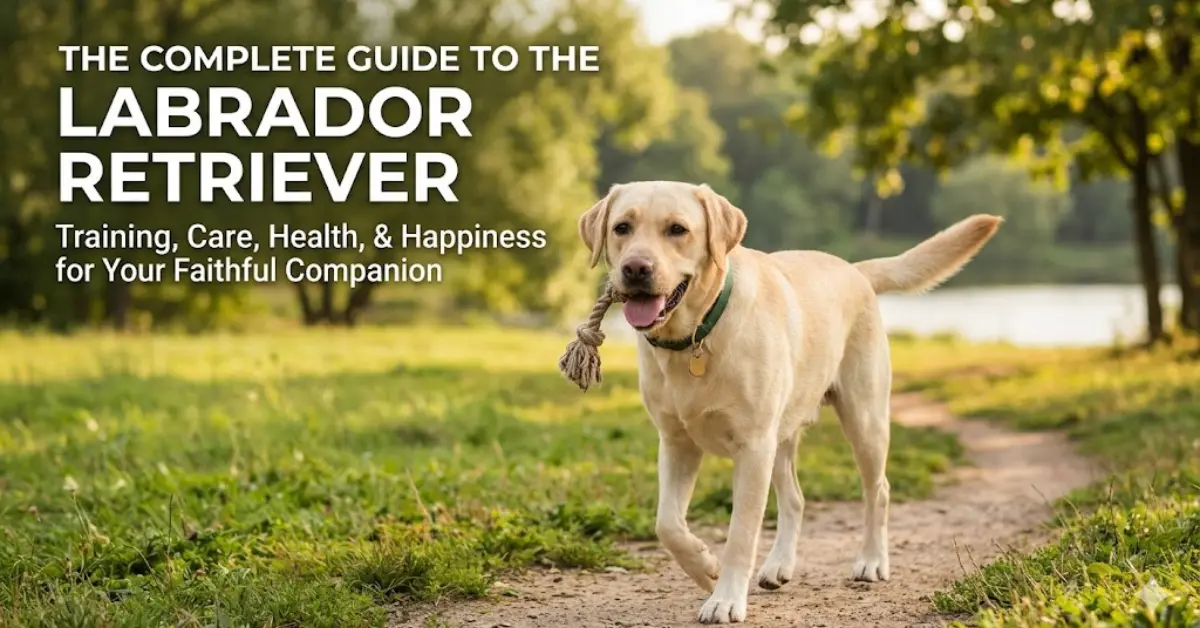
Comparison Table: Rottweiler vs Beginner Friendly Breed
| Feature | Rottweiler | Labrador Retriever |
| Trainability | High but requires firmness | High and beginner friendly |
| Temperament | Protective and confident | Friendly and outgoing |
| Exercise Needs | High | Moderate to high |
| Difficulty for Beginners | Moderate to high | Low |
| Guarding Instinct | Strong | Minimal |
This comparison highlights why Rottweilers demand more involvement from new owners.
When Protection Turns Harmful
Natural Protective Instinct in Rottweiler
Because they guard by nature, Rottweilers need clear boundaries. Still, their loyalty shows best when guided firmly.
Healthy Protection
• Alert but calm
• Responds to commands
• Observes without reacting unnecessarily
Problematic Protection
• Excessive barking
• Lunging at strangers
• Guarding without reason
• Ignoring owner commands
Causes Behind Problem Behavior
This tends to occur because of reasons like these:
• Poor socialization
• Lack of training
• Reinforced fear responses
What matters most is showing a dog the right moments to act, other times to stay calm. Sometimes it knows instinctively, yet guidance shapes its choices clearly. A signal helps quiet means wait, alert means guard. Each situation teaches something different. Trust builds slowly through repetition and timing.
Myths People Believe About Rottweilers
Rottweilers Not Naturally Aggressive
How a dog acts comes down to how it was trained, plus the surroundings it lives in.
Myth 2 They Cannot Be Family Dogs
Reality: Many Rottweilers are excellent family companions.
Myth 3 Only Experts Can Own Them
Truth is, starting out doesn’t block progress if you stay focused. With clear direction, anyone new can move forward steadily.
Myth 4 Trained Easily
Truth is, most can learn well when routines stick. A steady approach makes all the difference here.
Beginner With a Rottweiler
A Rottweiler can work for someone new to dogs though it depends on the situation. These dogs learn quickly, stick close to their people, yet need steady lessons from day one. Without meeting them calmly and teaching clear rules early, things might tilt sideways. Confidence matters just as much as patience when walking beside one.
A pup like the Rottweiler might just surprise someone ready to learn, stick to routines, yet respect its guarding instincts. But anyone hoping for a hands off pet could feel overwhelmed by how demanding this dog really is.
A Rottweiler won’t suit every new owner by default yet with steady patience, consistent work, plus clear intentions, it can fit well into a first time home.
Frequently Asked Questions
1. Are Rottweilers good for first time dog owners
True when the handler puts in steady effort with practice, guidance, and clear direction. A bond grows only through daily attention and calm control. Without that routine, progress slows. It depends entirely on follow through, not just good intentions. Results show up when actions match commitment.
2. Training a Rottweiler depends on consistency patience and early socialization
Smart they may be, yet steady direction keeps them on track. Still, without clear rules, their cleverness can drift off course.
3. Do Rottweilers have an aggressive instinct
Most of the time, they guard rather than attack. How they act comes down to how they were raised.
4. How much exercise does a Rottweiler need
Boredom hits hard if they don’t move enough each day. A tired body often means a calmer mind. Without puzzles or tasks, restlessness creeps in fast. Energy builds up when nothing fills their time. Movement shapes their mood more than most realize.
5. Living with Rottweilers in Apartments
Fine, though it needs plenty of movement each day along with active involvement. Still works just make sure both pieces are part of the routine.
6. What is the biggest challenge for beginners
Sticking to a steady routine helps balance how hard they push and when they rest. One day at a time shapes what comes next pace matters just as much as effort does.