Why Are My German Shepherd Puppy’s Ears Not Standing?

By HINDHUJA VAKADA

Updated On:

german shepherd puppy ears not standing

Join WhatsApp

Join Now

Why Are My German Shepherd Puppy’s Ears Not Standing?

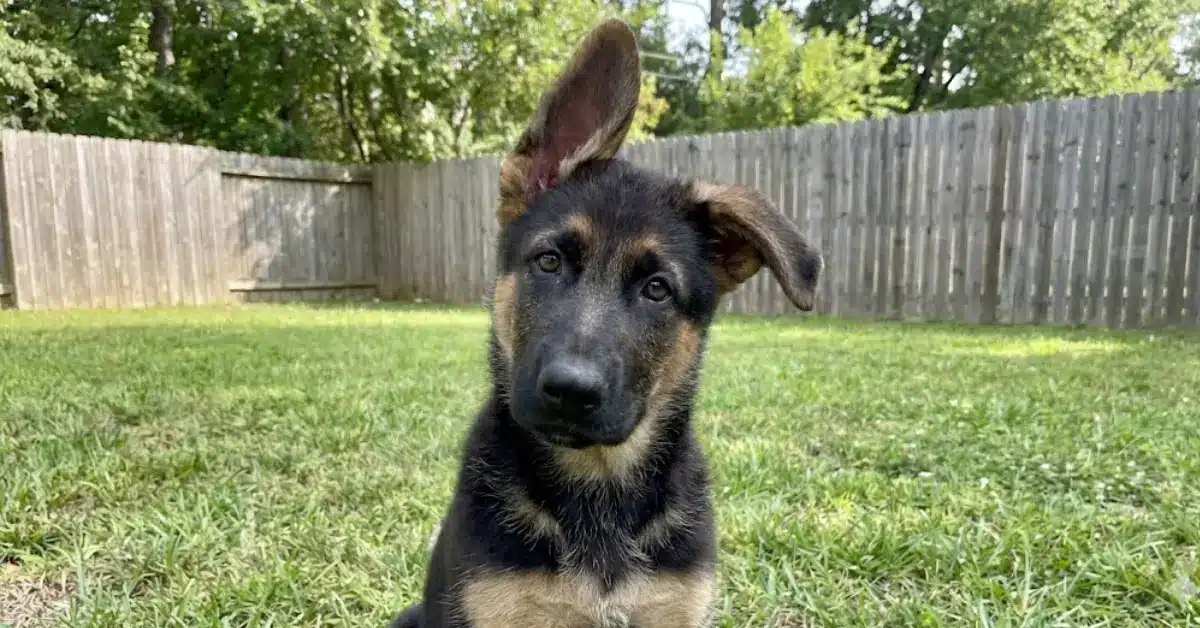
Right now, your pup might be watching you, head tipped just like yours, both of you puzzled, those sharp ears supposed to stand tall are still drooping. Plenty of first time owners feel the same when their German Shepherd’s ears refuse to rise, particularly after scrolling through photos of others where the change happens fast, almost like magic.

Natural Growth of German Shepherd Puppy Ears

Puppies grow at their own pace, especially German Shepherds, ears flopping one week, standing tall the next, then halfway again. Watch closely, sure, yet never assume delay means something’s wrong. Inside those fuzzy heads, cartilage strengthens on no fixed schedule, so lopsided stages are normal. Breathe through the wobble; most odd angles sort themselves given weeks. But if one ear curls backward by four months, that might need more than patience.

German Shepherd Puppy Ears Growing

Puppies aren’t born with stiff ears, structure shapes how they rise. Muscles grow stronger only when fed the right nutrients. Timing plays a role, but so does genetics behind every fold. What looks odd at six weeks might shift by sixteen. Nature follows its own rhythm, not rules made by people.

Cartilage and Muscle Functions

Little puppies start off with ears shaped like bendy tissue. As days pass, those floppy parts grow tougher because minerals flow into them slowly. Tiny bones begin forming inside where there was only flexibility before. Strength builds quietly through regular meals and natural growth. Each week brings subtle shifts in shape and stiffness. The frame under the skin changes without notice most times. What feels mushy at first becomes firm with patience.

Key Factors That Affect Ear Development

• Genetics this is huge
• Teething stages
• Overall nutrition
• Muscle development around the ears

Teething tends to slow down ear standing more than most realize. When it comes down to it, the body usually focuses on teeth first, ears wait their turn.

When Do German Shepherd Puppy Ears Normally Stand Up?

This is the million-dollar question: when do GSD ears stand up?

The Typical Timeline (With Realistic Expectations)

Most German Shepherd puppies fall into this general range:

Puppy Age

What You’ll Likely See

6–8 weeks

Ears floppy, sometimes slightly lifted

8–12 weeks

One ear up, one ear down (very common)
3–5 months

Ears go up and down during teething

5–6 months

Most ears settle into position

7+ months

Changes slow significantly

If you’re asking when do german shepherd puppy ears stand up, the honest answer is: anywhere between 8 weeks and 6 months—and sometimes later.

I’ve personally had a puppy whose ears didn’t fully stand until almost 7 months. Today, you’d never guess they were late bloomers.

German Shepherd Puppy Ears Not Standing?

Most of the time, several factors play a role, so it is not usually about just one cause. A closer look shows patterns that tend to repeat, though each situation shifts slightly. Things build up slowly, then surface when least expected. Rarely does any single moment explain everything. Instead, connections between small oversights become clear only afterward.

1. Teething Takes Nutrients

Most of the time, floppy ears in German Shepherd puppies come down to one main cause.

During teething:
Calcium gets redirected to teeth and jaw development
For a short time, ear cartilage loses some strength
Some days ears stand tall, yet on others they just droop without reason

Some days those ears perk up bright and strong when the sun rises. Yet come dusk, they droop without warning, unpredictable yet completely expected. The whole shift might stretch three months, sometimes six.

2. Genetics Matter More Than People Think

Puppy ear shape often follows what the parents showed young, tall and firm means likely the same here. Otherwise, it might just need more time to catch up.

Signs genetics may be influencing ear delay:
One parent’s ears were less firm, just like the other. The way they bent was more alike than different
Some pups from the same litter carry droopy ears
Ears lack firmness even when lifted

That is usually what makes dog parents wonder why their German Shepherd pup’s ears stay floppy past five months, yet it might just be normal.

3. Nutrition Gaps Aren’t Always Obvious

This is not proof the puppy lacks nutrition. Balance can be the real issue here.

Potential issues include:
Poor quality puppy food
Too much calcium, yes that is possible
Lack of protein or healthy fats

Most times, adding too much calcium ends badly when a vet is not involved. Guessing doses can affect cartilage development. Wrong moves slow progress.

4. Ear Injuries or Too Much Handling

Puppies wiggle those loose ear flaps when they shake. Grown ups sometimes give them a gentle tug. Here is the catch:
Frequent bending weakens cartilage
Rough play can delay strengthening
Ear infections can cause temporary drooping

One pup’s ears perked up at first, later drooping again every time someone touched them.

5. Age Sometimes It Is Too Early

Most folks worry when their puppy acts unsure. Truth is, some little dogs simply need more time before things settle.

If your GSD puppy ears are not standing at:
Normal after 10 weeks
Around 14 weeks, everything is still fine
Four months can still be part of the normal range

Waiting is often better than rushing things.

Ear Development Phases in German Shepherd Puppies

German Shepherd ear development is not linear. It is chaotic.

Common stages include:
Both ears floppy
One ear stands while the other droops
Ear tips touching
Ears standing only when alert
Full upright position

Once, a puppy’s ears folded oddly toward each other before standing correctly later. Strange, yet temporary.

Helping Puppy Ears Stand

This is where many opinions appear online. Calm consistency matters more than anything.

When Not to Step In

Leave it alone when:
Puppy is under 4 months old
Ears are actively changing positions
Puppy is teething heavily

Firmness usually begins from the base of the ear. That strength slowly builds upward over time.

Tips for Helping Dog Ears Stand Safely

If your puppy is around 5 to 6 months and there are still no changes, gentle support may help:

Feed high quality large breed puppy food
Ensure proper protein intake
Limit touching of ears
Avoid unnecessary supplements
Encourage chewing with safe toys to support jaw and ear muscles

Diet changes often show gradual improvement over time. Sometimes it is not medicine, but nutrition that shifts the outcome.

Deciding on Taping German Shepherd Puppy Ears

This question appears often, and the answer depends on timing and condition.

When taping could be considered:
Puppy is 5 to 6 months old
No visible progress for a long period
Cartilage feels weak
A vet recommends it

When Tape Makes Things Worse

Avoid taping if:
Puppy is still teething
Technique is unknown
Ears are already improving slowly

Some methods done incorrectly can damage cartilage and slow natural development. What looks like a quick fix can create long term issues.

Ear Development Usually Fixes Over Time

Here is what typically happens in healthy puppies:

Puppy grows rapidly, ears remain floppy
Teething begins and development shifts
Cartilage strengthens gradually
One ear stands first, then the other follows

This process takes months, not days.

People Also Ask

One ear up, why is the second one down?

This is very common. Each ear develops at its own pace.

When will my GSD puppy ears stand up permanently?

Usually between 4 to 6 months, though some take longer depending on growth and teething.

Do floppy ears mean poor breeding?

Not necessarily. Many healthy, purebred puppies go through delayed ear development.

Can ear infections delay ear standing?

Yes. Swelling or infection can temporarily affect ear strength and position.

When to Talk to a Vet

A vet visit makes sense if:
Puppy is over 6 to 7 months old
No firmness at all is seen
Repeated ear infections occur

Professional guidance helps rule out underlying concerns.

A Note From Experience

Some pups take their time growing into those upright ears. In many cases, nothing is forced, nothing is rushed. Over time, the change simply happens.

Comfort, food, and stability play a bigger role than most expect. With patience, most puppies reach their natural stage without intervention.

Final Thoughts

Floppy ears in German Shepherd puppies are usually part of normal development. Growth varies, timing shifts, and genetics influence the process. Teething and nutrition also affect how quickly changes happen.

Most of the time, things settle naturally. Observation is enough, without rushing the process.

FAQs

1. When do GSD puppies ears stand up fully?

Most puppies reach full ear standing between 4 to 6 months, though some take longer.

2. Can floppy ears still stand later?

Yes. Many puppies go through uneven growth before ears become firm and upright.

3. Can food changes help GSD puppy ears not standing?

Yes. Proper nutrition supports cartilage strength and overall development.

4. When do ears start becoming firm?

Usually between 8 weeks and 6 months, depending on growth stages.

5. Do supplements speed up ear standing?

Not necessarily. Unneeded supplements can sometimes cause imbalance.

6. When do GSD ears stand up if parents had late ears?

Often later than average, sometimes around 6 to 7 months.

7. Do German Shepherds keep floppy ears?

Rarely. Long term drooping is usually linked to genetics or early issues.

8. When do ears stand after teething?

Usually a few weeks after teething phases settle down.

HINDHUJA VAKADA

Written by Hindujha Vakada, Sr. SEO Specialist at Market Data Forecast, with expertise in creating research driven digital content. She has a strong passion for dogs and actively researches dog nutrition, training, behavior, and overall pet wellness. Dedicated to providing informative and trustworthy content that supports responsible dog care and better pet parenting.

🔴Related Post

Leave a Comment