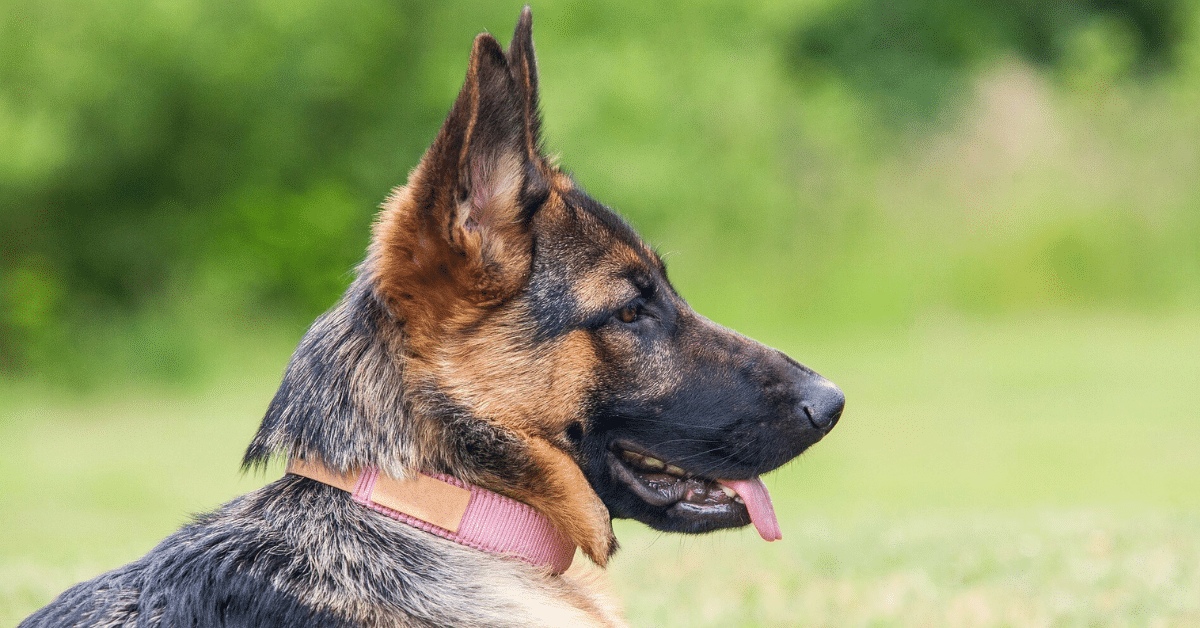
Truth is, you might already have a German Shepherd pup sitting at home right now. Then again, it could be that 2 AM scroll session pulling you deeper into listings, breath caught tight, feeling like everything shifts once you click “contact.” One moment changes things.
Here you are – makes no difference how you arrived. This is where things line up.
One moment it feels like chaos, then suddenly everything clicks. Raising a German Shepherd never fits into shortcuts found online. Not every pet demands this much, but this breed does. Life shifts when responsibility becomes routine. Patience wears thin sometimes, yet trust grows stronger each day. Loyalty takes on new meaning once you’ve lived through storms together.
That shaky beginning sticks with me. Picture this: an eight-week-old German Shepherd wriggling in my hands, tiny paws flailing, ears flopping, tongue smearing drool across my sleeve. Back then, clueless felt normal. Assumptions passed for plans. Adorable accessories filled the cart – leash, teething rings, pricier kibble. Then life stepped in, uninvited.
Midnight trips across cold floors. Couch stuffing scattered like confetti after a tiny tornado hit. That bark – sharp, urgent – as if backyard critters were declaring war. Bills arriving in envelopes that felt too heavy to open. Times when doubt crept in, whispering maybe this wasn’t for me.
Here’s what happens – looking after a German Shepherd feels lighter over time. It isn’t that the dog becomes different – it’s you shifting inside. Learning creeps in. Adjustments follow without notice. Love grows, not despite the growls, but through them – each push of their nose, each quiet moment when they rest their head on your leg as if you’re everything worth staying near.
This is why these words exist – not because a machine arranged them, but because life shaped them. Ten years deep into raising German Shepherds, hands-on, day after night. Training highs mixed with missteps, lessons soaked in patience. Every error faced, survived, shared here. The path wasn’t smooth, yet it led somewhere real.
Truth is, owning a German Shepherd isn’t just playtime and praise. Picture this: early mornings with fur everywhere, training that tests your patience, moments when progress feels slow. Yet through it all, there are deep bonds forming, quiet victories at odd hours, sudden bursts of joy during long walks. This journey mixes calm with chaos, rewards effort in unexpected ways, and forces growth on draining days. Stick with it though, because balance comes slowly, understanding grows between you both, life settles into rhythm despite the hurdles.
Table of Contents
ToggleWhy German Shepherds Feel Tough but Worth It
Truth is, those questions come up a lot. German Shepherds get misunderstood more than most dogs. Size doesn’t mean clumsy or out of control. Some think they snap easily, but they’re often watchful, not hostile. Training takes patience, yet their focus can surprise you. One moment they guard the house like sentries, next they’re gentle with kids. Energy stays high, but structure helps them thrive.
Loyalty shows fast and stays longer than expected. Quiet moments matter just as much as loud ones.
Aggression isn’t built in. Intelligence is. That sharp mind is active from the start, taking everything in.
Before sunrise, they’ve already figured out patterns in the house. A loose fence becomes a puzzle. They solve problems constantly, because that’s how they’re wired.
They learn quickly, which is why routine matters. Give them purpose – guarding, walking beside you, or simple tasks – and they settle. Without it, that same intelligence finds its own work.
What Most People Don’t Hear Before Getting One
That first morning felt prepared – crate ready, toys set, food measured. Then came chewing, barking, accidents, and sleepless nights that stretched longer than expected.
Puppies move like chaos wrapped in fur. Shoes disappear, furniture gets tested, and silence is rare. They bite not from anger, but curiosity.
A big mistake is rushing into buying from the wrong place. A real breeder matters more than price or emotion. Social media listings and pet shop deals often lead to trouble.
What Responsible Breeding Looks Like
A good breeder usually:
• Checks hips, elbows, and genetic conditions
• Shares health records of the parents
• Socializes puppies early
• Asks about your home and lifestyle
Owning one costs far more than the purchase itself. Medical issues and behavioral problems often come from poor breeding choices.
Adoption is also an option. Many German Shepherds in rescues are adults, retired working dogs, or dogs needing a second chance. Fees are usually lower and often include medical care.
Some come with baggage, but many also come with gratitude that feels real and steady.
Feeding Matters More Than Most Expect
Food is where many beginners struggle.
Large breed puppies grow fast, and bone development is sensitive. Poor nutrition during growth can affect joints later in life.
Good feeding includes:
• Balanced calcium and phosphorus for bone growth
• Real meat as the first ingredient
• Careful handling of grains depending on tolerance
• Structured meal times instead of free feeding
Free feeding is risky. German Shepherds are prone to bloat, which can become dangerous quickly. Meal timing, portion control, and rest after eating matter.
As they grow, energy needs change. Some lines are highly active, others less so. Monitoring weight is essential.
Training Builds the Bond
German Shepherds test boundaries. Always watching. Always learning.
One story stands out – a puppy opening the fridge at four months, learning commands slowly, turning everyday life into a test of patience.
Training isn’t about control. It’s about connection.
Early reinforcement matters. Rewards work better than punishment. Harsh methods break trust instead of building it.
Basic commands form the foundation:
• Sit
• Stay
• Come
• Leave it
Crates aren’t punishment – they’re safe spaces when introduced properly.
Professional training helps, especially group sessions with experienced trainers.
Exercise Is Not Optional
German Shepherds are working dogs. They need movement, purpose, and mental challenges.
Without it, they create their own “jobs” – usually involving furniture, shoes, or anything within reach.
A healthy routine includes:
• Fast-paced walks or runs daily
• Structured play like fetch or tug
• Agility or obstacle work
• Mental puzzles and scent games
Puppies under six months need gentler activity to protect developing joints. Adults often need up to 90 minutes of combined physical and mental work daily.
A tired dog is calmer. An under-stimulated one invents chaos.
Final Thought
A German Shepherd doesn’t just enter your home – it changes how the home works. The chaos comes first. Then structure. Then understanding.
Over time, everything shifts quietly. The bond becomes steady, not loud. Built on routine, patience, and shared experience.
What starts as uncertainty turns into something far more grounded – a life shaped alongside a dog that never stops paying attention to you.
Grooming: Yes, They Shed. A Lot.
Fur doesn’t just fall it migrates. Every season shift turns your home into a lint trap. Twice yearly, the dog becomes a dust storm on paws. Clothes carry tufts like badges of honor. That stray strand in lunch becomes normal. Backseat coated by afternoon. Even breathing feels furry sometimes.
Every time fur flies, bristles must move. Three to four days each week no skipping. When the coat lets go every single day without fail.
Start with a slicker brush for the top layer, while using an undercoat rake helps pull out dead hair. Bathing works best once every couple of months since too much washing takes away good oils, leaving skin dry.
Once in a while, clip those nails every three to four weeks works. Weekly, give the ears some attention; they need clearing out. Each day, when possible, brush the teeth; gum issues are common in German Shepherds.
Should your German Shepherd be white, expect more effort. Dirt stands out fast on pale fur. Stains appear obvious, even small ones. Tear tracks become noticeable quickly. Beauty remains unchanged though. Loyalty stays strong regardless. Care needs stay high at all times.
Common Health Problems to Be Aware Of
This bit tends to get ignored yet it matters. Still, people stay quiet.
German Shepherds are prone to several genetic conditions:
• Hip and elbow issues, often showing up as limping or stiffness
• Degenerative spinal conditions that can be detected through DNA testing
• Gastric Dilatation Volvulus (GDV), or bloat, which can be life threatening and needs fast prevention
• Skin allergies and recurring ear infections linked to food or environment
Spreading meals into smaller portions helps reduce bloat risk. Keeping rest time after eating is important. Avoid heavy activity right after food.
Annual vet visits help catch issues early. Pet insurance is worth considering, especially during growth years when unexpected treatments can be expensive.
A vet familiar with large breeds makes a real difference since German Shepherds have specific needs.
Living With a German Shepherd: They’re Not Just Pets, They’re Family
What caught me off guard was this.
It wasn’t just a pet brought home. It became someone who shares space, stands beside you, watches your back.
Most German Shepherds form strong bonds with their people. A quiet presence follows room to room. At night, they settle near your bed. They notice moods before words happen. A sigh, a shift they respond instantly.
They’re built for companionship. Isolation affects them deeply, leading to stress, restlessness, or destructive behavior. Structure and presence matter more than space alone.
Working long hours may require support like dog walkers, daycare, or even pet friendly workplaces.
They guard, not attack. They position themselves between you and risk. That’s instinct, not aggression.
Mixes and Related Breeds: Things to Consider
Not everyone wants a purebred, and that’s fine.
A German Shepherd crossed with a Red Heeler often shows strong drive, alertness, and high energy. Mixed breeds may bring variation in temperament and sometimes improved resilience, but still require consistent activity and mental work.
If you want a similar feel in a different frame, breeds like the Belgian Malinois, Dutch Shepherd, or Shiloh Shepherd are often considered alternatives. Each comes with its own intensity, structure, and care needs.
The panda colored German Shepherd is not a separate breed. It’s still a standard German Shepherd with a rare coat variation. Needs and temperament remain the same.
Thinking About a German Shepherd?
Truth is simple. This breed is not for everyone.
If easy care, silence, or low effort is the goal, this is not the right match. If frustration leads to harsh handling, that creates bigger problems. They don’t respond well to that approach.
What you get instead is presence. A dog that stays close through everything. Loyalty that shows up in quiet ways. Connection built through repetition and time.
If you’re ready for that level of responsibility, then this breed fits.
Once a German Shepherd becomes part of life, things don’t stay the same.
FAQs
1. How much exercise does a German Shepherd need every day?
At least one hour daily, often more. Walks, running, and mental stimulation all matter. Puppies need shorter, spread out sessions since their bodies are still developing.
2. Best food for German Shepherd puppies?
Large breed puppy food works best. Balanced calcium and real meat as the first ingredient matter most. Avoid unnecessary fillers like excess corn or artificial additives.
3. Are German Shepherds naturally aggressive?
No. They are intelligent, loyal, and responsive. Behavioral issues usually come from poor training, lack of socialization, or bad breeding practices.
4. Grooming frequency for German Shepherds?
Brush every few days. During heavy shedding seasons, daily brushing helps manage loose fur and keeps the coat healthy.
5. When should training start?
From eight weeks onward. Simple commands and reward based learning work best early on.
6. Do they get along with children and other pets?
Yes, when socialized early. They are generally stable and protective in family environments.
7. German Shepherd price in 2025?
Prices vary widely based on breeder, lineage, and purpose. They can range from around ₹25,000 to over ₹1,50,000 for premium lines.
8. Common health issues?
Hip and elbow dysplasia, bloat, degenerative myelopathy, allergies, and ear infections are among the most common concerns.
9. Are they good for first-time owners?
Only if the owner can commit to structure, training, exercise, and time. Without that, it becomes overwhelming quickly.
10. Can they live in apartments?
Yes, but only with strong daily exercise and mental stimulation. Without that, destructive behaviors can develop.