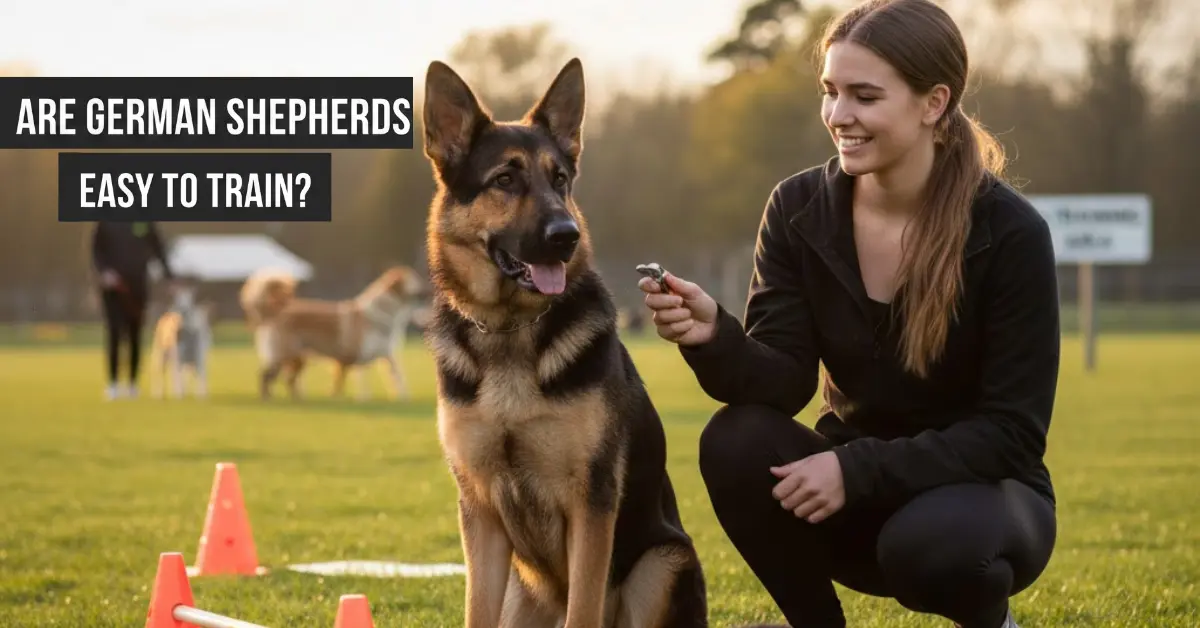
Fast learners, German Shepherds catch on quickly. Sharp minds meet willingness in these dogs, most alive when working or helping. Purpose fuels their success, making them stand out in how well they learn.
- Here’s the catch these dogs won’t do well if ignored
- Always thinking, always moving
- Left without routine or tasks, they invent their own activities likely messy ones
- Training comes easily, yet constant attention is needed
- They learn fast, still demand involvement
Work at it, yet the payoff goes beyond a polite pet.
- That bond forming through practice grows strong over time
Understanding Their Mindset
To understand Shepherds fully, start by exploring where they came from. Their past holds clues most miss when guessing what drives them.
- Out on the fields they began, moving flocks, guarding land, tackling tasks needing sharp minds and steady courage
- Now they appear in disaster zones, patrol work, city streets, and precision trials
- AKC ranks them among the top all around working dogs
Out of their past comes a way of noticing every detail.
- Always alert
- Solving problems without being told
- Driven more by purpose than comfort or cuddles
- They commit fully when given a task
Working Lines vs. Show Lines
Some German Shepherds act nothing like others. Where they come from shapes how much drive they show.
Working Line Shepherds
- Bred for tasks and performance
- Used in patrol, sport, and military work
- High endurance and strong focus
- Fast reaction to cues
- Require mental and physical challenge
- Without challenges, that drive can become chaotic
- They need experienced handling
Show Line Shepherds
- Bred for appearance and calmer temperament
- More relaxed pace
- Easier for first-time owners
- Still trainable and loyal
- Less intense daily demands
Missing a walk won’t trigger extreme behavior like some working lines.
What Drive Actually Is
A spark shows when instinct activates.
- Chasing movement
- Grabbing objects
- Guarding space
- Reacting to scent, sound, or shadow
Energy builds quickly.
- Muscles tense before action
- Focus locks in instantly
- Sudden bursts of motion appear
Not all dogs burn this way.
- Some are slow and steady
- Others react sharply to stimuli
- Each dog expresses drive differently
Without structure:
- High-energy Shepherds can become chaotic
- Lower-energy ones may still need encouragement
Just How Smart Are They?
German Shepherds rank among the most intelligent dog breeds.
- They don’t just repeat commands they understand them
- They read human moods and patterns quickly
- They learn habits faster than owners expect
This intelligence works both ways.
- Good habits form quickly
- Bad habits form just as fast if ignored
Without guidance:
- Confusion builds
- Behavior becomes inconsistent
- Problems appear quickly
Temperament and Trainability
Training changes depending on the handler.
- Confidence and loyalty define the breed
- They respond best to structure and clarity
- Daily tasks improve focus and stability
- Clear rules at home support learning
Inconsistency creates problems.
- Changing rules confuses the dog
- Predictability builds calm behavior
- Stability matters more than complexity
Starting fresh is enough.
- Consistency beats perfection
- Small daily effort builds strong results
- Long-term bonding grows through steady training
A trained German Shepherd becomes one of the most reliable companions when guided properly.
Are German Shepherds Hard to Train?
This is one of the most searched questions online: are German Shepherds hard to train?
The honest answer: No, but they require commitment.
They are not stubborn in the traditional sense. They are independent thinkers. If training feels repetitive, unclear, or boring, they may disengage. This does not mean they cannot learn. It means they need engagement.
Here is how they compare to other popular breeds:
| Trait | German Shepherd | Labrador Retriever | Bulldog |
|---|---|---|---|
| Intelligence | Very high | High | Moderate |
| Work Drive | Very strong | Moderate | Low |
| Energy Level | High | Moderate to high | Low |
| Sensitivity to Training | Very responsive | Very responsive | Less responsive |
| Best for Beginners | With guidance | Yes | Yes |
While all three breeds can be trained successfully, their motivations and energy levels differ significantly. Bulldogs tend to be less responsive because they were not developed as working partners that required precision tasks or sustained focus. Their moderate intelligence combined with lower drive means they may learn more slowly and require more repetition.
Labrador Retrievers are generally easier for beginners because they combine high intelligence with a naturally cooperative and forgiving temperament. They are eager to please and typically less intense than German Shepherds, making training feel smoother for new owners.
German Shepherds, on the other hand, possess a stronger work drive and higher mental intensity. This makes them extremely capable but also means they require clearer structure, consistent rules, and more mental stimulation than Labradors.
Training a German Shepherd
Start strong with consistency, because daily routines shape behavior fast. Mix in clear rules so the dog knows what works every single time. Toss rewards into moments when good choices happen, linking actions to outcomes without delay
- Consistency
- Structure
- Positive reinforcement
Positive Reinforcement Training
Rewards shape good actions better than scolding ever could this idea guides today’s animal training. Groups like the American Veterinary Medical Association back techniques that celebrate progress, not failures. Outcomes matter most when teaching new habits; success grows where encouragement follows effort. What sticks isn’t fear, but moments when doing right brings something favorable in return.
German Shepherds Respond Especially Well To
- Treats
- Praise
- Toys
- Clear verbal markers
When dogs like German Shepherds sense tension, their sharp minds start linking scoldings to people, not actions.
- Discipline without clarity can lead to emotional withdrawal
- Harsh tones may stop behavior temporarily but create confusion later
- Trust weakens when training feels threatening
A good thing happens right after a German Shepherd does what you want then the brain lights up with dopamine, wiring that move into habit.
- Timing matters most
- Rewards must follow quickly to build clear association
- Delayed rewards weaken learning
A marker like “yes” or a click helps lock in behavior instantly.
- It bridges action and reward
- Speeds up learning in intelligent breeds like German Shepherds
Training a German Shepherd Puppy
Early training makes a huge difference.
- Start the moment the puppy arrives home
- Puppies absorb environment details very quickly
Basic Obedience First
- Sit
- Stay
- Come
- Down
- Leave it
- Keep sessions short and focused
- Small bursts improve attention and retention
Socialization Is Critical
Expose your puppy to:
- Different people
- Various environments
- Sounds and surfaces
- Other vaccinated dogs
The AKC emphasizes early socialization to prevent fear based behaviors later in life.
Leash Training Early
Puppies learn best when lessons start early.
- Early leash habits prevent future pulling problems
- German Shepherds grow quickly, so mistakes scale fast
- Reward walking beside you to reinforce behavior
German Shepherd Obedience Training Matters
A well-trained German Shepherd follows clear routines because consistency shapes behavior.
- Rules must stay the same every day
- Structure builds safety and understanding
- Obedience improves with repetition
Key Benefits
- Improved focus
- Better impulse control
- Stronger owner bond
- Safer interactions
Group training can help beginners.
- Builds confidence
- Shows real-world distractions
- Encourages consistency
When Protection Turns Harmful
Alertness runs deep in German Shepherds.
- Instincts trigger quickly when something feels off
- Protection without balance can become reactivity
Calm vs Reactive Behavior
A stable dog:
- Brief bark, then calm
- Watches handler for cues
- Relaxed body posture
A fearful/reactive dog:
- Stiff posture
- Excessive barking
- Lunging or rushing forward
- Slow return to calm
Warning Signs of Reactivity
- Excessive barking at guests
- Lunging at strangers
- Guarding resources aggressively
- Inability to relax around visitors
- Heightened response to minor stimuli
Managing Behavior Safely
- Start new experiences slowly
- Build confidence step by step
- Avoid overwhelming situations
Sudden exposure can increase fear responses.
- Gradual repetition builds stability
- Calm experiences strengthen emotional control
If reactivity appears:
- Working dog trainers can help refine behavior
- Veterinarians specializing in behavior may assess deeper issues
Severe cases (fear-based aggression, inability to calm) should be evaluated professionally.
Final Insight
Training a German Shepherd works best when structure, timing, and calm consistency come together.
- Early guidance shapes long-term behavior
- Clear rewards build trust and learning speed
- Patience prevents fear-based habits
With steady direction, most German Shepherds develop into balanced, focused companions who understand both boundaries and trust.
Common German Shepherd Training Challenges
Even easy-to-train dogs present challenges.
High Energy
Without enough movement each day, their mind starts searching for work. A German Shepherd left alone too long picks up strange tasks.
- More often than not, your favorite shoe becomes part of the plan
- Boredom hits hard when a German Shepherd spends eight hours solo
- Digging might begin, then walls feel the teeth next
- Barking stretches on, filling silence nobody answers
Frustration inside the mind is usually what fuels these actions.
- Seldom is defiance really at play here
Adolescence Phase
Somewhere between six and eighteen months, German Shepherds push limits.
- This phase is part of normal development
- It passes with time and consistency
Out of nowhere, hormones start calling the shots during teenage months.
- Dogs become bolder and more independent
- Males may show stronger territorial behavior
- Females may show shifting moods with cycles
This is not misbehavior.
- It is biological change, not lost training
Focus Changes
At around six to ten months:
- Known cues may suddenly get ignored
- Curiosity increases
- Environmental distractions become stronger
Out of nowhere, dogs may act more protective.
- Barking at strangers increases
- Territory awareness becomes stronger
- Without guidance, reactions can intensify
Training During Adolescence
Patterns matter most in this stage.
- Keep rules steady every day
- Practice even when progress feels invisible
- Revisit old commands in new environments
- Consistency reduces confusion
Most German Shepherds settle into calm adulthood between two and three years with steady training.
- Routine shapes long-term stability
Over Attachment
German Shepherds form deep emotional bonds.
- Without early independence training, clinginess may develop
Building Independence Early
- Short periods alone help build confidence
- Prevents whining and destructive behavior
- Encourages emotional stability
German Shepherd Training Insights Shared by Longtime Owners
What Works Best
- Train daily, even in short sessions
- Keep rewards varied to maintain interest
- Use clear and consistent commands
- End sessions with success
- Add mental games like scent work
- Practice waiting and impulse control
A short structured session often works better than long unstructured play.
- Focused mental work can tire them faster than physical exercise
German Shepherd Training Myths
Myth 1: They Are Naturally Aggressive
- False
- Behavior usually comes from fear, poor training, or lack of socialization
- Well-raised German Shepherds are stable and confident
Myth 2: They Are Only for Experts
- Not true
- Many families successfully raise them
- They require consistency, not perfection
Myth 3: They Learn Without Training
- Intelligence does not replace guidance
- Training still shapes behavior outcomes
German Shepherds and First-Time Owners
A German Shepherd can suit first-time owners if structure is consistent.
Requirements
- Daily structured exercise
- Regular obedience training
- Mental stimulation
- Clear leadership
- Lifestyle must match their energy level
- Training commitment is essential
If you enjoy learning and staying active, the match can work well.
- If calm and low-effort living is preferred, this breed may not fit
People Who Should Avoid Owning a German Shepherd
You might want to reconsider if:
- You work long hours with little interaction
- You prefer minimal training effort
- You want a low-energy apartment dog
- You dislike shedding
- You struggle with setting boundaries
- Leadership is essential for this breed
- Without involvement, behavior problems may appear
Mental Stimulation and Its Impact
German Shepherds need thinking work, not just physical activity.
- Their brains are built for problem solving
- Mental work reduces stress levels
- Helps regulate energy and behavior
Mental Enrichment Ideas
- Puzzle toys
- Advanced obedience drills
- Scent detection games
- Agility work
- Trick training
Short mental sessions can be more tiring than long physical exercise.
- Focused thinking drains energy quickly
Working Dog Breeds and Natural Drives
German Shepherds are task-oriented by nature.
- Purpose keeps them stable and focused
Helpful Structure in Home Life
- Task-based routines
- Structured play
- Clear expectations
Frequently Asked Questions
1. Are German Shepherds easy to train for first time owners?
German Shepherds can be trained by first time owners, but they require consistency, patience, and daily engagement. Their intelligence helps them learn quickly, but they also need proper leadership and structure.
2. Why are German Shepherds considered highly trainable?
German Shepherds are highly trainable because they are intelligent, loyal, and eager to work with their owners. They respond well to positive reinforcement and structured routines.
3. At what age should you start training a German Shepherd?
Training should begin as early as 8 weeks old. Early socialization and basic obedience training help German Shepherd puppies develop good behavior and confidence.
4. Are German Shepherds difficult to train without experience?
German Shepherds can become challenging without proper experience or consistency. Lack of training, exercise, and mental stimulation may lead to stubborn or destructive behavior.
5. What training methods work best for German Shepherds?
Positive reinforcement, reward based training, and short consistent sessions work best for German Shepherds. They respond well to praise, treats, and clear commands.
6. How long does it take to train a German Shepherd?
Basic obedience training can take a few months, while advanced training may take a year or more. Regular practice and consistency are important for long term results.
7. Can German Shepherds be trained to live with children and other pets?
Yes, German Shepherds can be trained to live peacefully with children and other pets when properly socialized from a young age and given consistent guidance.
Conclusion
German Shepherds rank high in trainability.
- They thrive on routine, guidance, and engagement
- Lack of structure leads to behavioral issues
- Balanced training creates stable, loyal companions
German Shepherds are highly trainable when effort matches their intelligence and energy.