Key Temperament Components
|
Trait |
What It Means | Impact on Protection |
|
Loyalty |
Strong attachment to family | Drives owner focused protection |
|
Intelligence |
Quick learning and problem solving |
Enables advanced protection training |
|
Confidence |
Calm under pressure |
Prevents fear based aggression |
| Alertness | Awareness of surroundings |
Early threat detection |
| Territorial instinct | Awareness of space ownership |
Guarding behavior at home |
These traits explain why German Shepherds consistently appear on lists of protective dog breeds.
German Shepherd Protective Behavior Explained
Why German Shepherds Show Strong Protective Behavior
Start with their history bred for guarding flocks, that instinct stuck through generations. Then there’s loyalty, not just blind attachment but a deep bond shaped by daily interaction. Finally, awareness kicks in, they notice shifts in environment before most do, reacting without being told.
1. Breed History
Born for duty, German Shepherds took on herding tasks early in their history. Guarding followed close behind as a core role. Affection wasn’t the main goal when shaping the breed. Other dogs were built just to bond – these weren’t.
Born from generations of doing a job, they stay alert because it’s built into them. Following directions comes naturally since that is how they were shaped over time.
2. Strong Bonding Behavior
Bonding tightly with those they live alongside, German Shepherds show strong devotion. One person might stand out as their main guide, yet every family member earns steady trust.
Protective actions come from that connection. Not every target earns their watchful eye. What matters most gets shielded. Guarding follows meaning, never chance.
3. Environmental Awareness
Watchful eyes move across the space around them. Not fear – just attention. Awareness lives in how they stand, how their ears twitch at a sound. A change in position comes fast if something seems off.
When a dog is well-balanced, that sense stays steady.
German Shepherds Protecting Owners
True, many purebred German Shepherds guard their people closely. Still, that loyalty shows itself quietly, not with force.
Common Protective Behaviors
- Standing between owner and stranger
- Alert barking when someone approaches
- Increased focus during unfamiliar situations
- Body blocking or positioning
Most times, these creatures won’t strike unless provoked. A warning comes before any move.
Now here’s a twist – what looks like protection might actually be panic. The ASPCA teams up with animal experts who point out clear lines between calm vigilance and raw hostility. Picture a German Shepherd standing tall, eyes tracking movement, muscles ready but not lunging. Its reactions match the situation, nothing more. That kind of dog watches, waits, then acts only when needed.
German Shepherds: Aggressive Or Protective?
This question appears frequently in search engines: are German Shepherds aggressive or protective?
It’s not so simple. The right response depends on details you might overlook at first glance.
Protective Behavior
- Purpose driven
- Controlled
- Situational
- Triggered by perceived threat
Aggressive Behavior
- Impulsive
- Fear driven or poorly socialized
- Lacks clear trigger
- Often rooted in anxiety
Born from strong lines and taught clear rules, German Shepherds show defense when needed, never blind rage. Their calm comes from smart breeding paired with steady lessons. Not every loud bark means attack – most often it’s alertness shaped by care. When raised right, their loyalty shows through watchful stillness more than teeth.
Most troubles start when:
- Socialization is inadequate
- Owners encourage hostility
- Training methods rely on fear
- The dog lacks mental stimulation
Simply put, hostility isn’t what people start with.
German Shepherds and Territory Behavior
Home grounds see some strong defense, sometimes intense. Territory matters quite a bit now and then. Their space often gets guarded well. Protection kicks in more when it is about where they live.
Home areas matter deeply to them, so they stay alert when strangers approach. Because of this, families often find these dogs especially reliable for safety around the house.
Still, keeping space boundaries in check won’t likely be a big issue.
Healthy Territorial Behavior
- Alert barking at unfamiliar entry
- Watching visitors carefully
- Relaxing once owner signals safety
Problematic Territorial Behavior
- Persistent lunging at guests
- Staying restless instead of calming down
- Guarding furniture or specific family members
Training and leadership determine which version develops.
German Shepherds as Guard Dogs
Barking late at night comes naturally to these dogs because they notice changes fast. Their muscles make them look tough when standing still near a door. Trust builds quickly between owner and dog over weeks of shared routine. Learning new tasks? They pick up rules faster than most breeds around.
They excel in:
- Home protection
- Personal protection
- Law enforcement work
- Military service
Big enough to notice, quick-minded too – that’s what keeps trouble away. Houses showing a German Shepherd often get skipped by those looking to cause problems.
Comparison With Other Protective Dog Breeds
|
Breed |
Natural Protectiveness | Trainability | Family Compatibility |
|
German Shepherd |
High | Very High | High with training |
|
Rottweiler |
High | High | Moderate to High |
| Doberman Pinscher | High | High |
High |
| Belgian Malinois | Very High | Very High |
Demands experienced owner |
| Labrador Retriever | Low to Moderate | High |
Very High |
While several breeds qualify as protective dog breeds, German Shepherds offer a rare blend of work ethic and family adaptability.
German Shepherd Protection Training
Is Training Necessary?
Of course, instincts alone can’t shape a person into someone who reliably protects others.
Start strong with trust. A real pro stays close when training German Shepherds to protect. Long before drills kick in, sharp handlers shape behavior – calm repetition comes early. Focus grows step by step, never rushed.
Foundational Skills First
- Basic obedience
- Impulse control
- Socialization
- Neutral response to non threats
Leaving them out could turn tight protections into a problem.
Bite work takes a backseat when it comes to what the AKC and ethical breed groups stress – early manners come first. Training pups to listen matters more than sharpening their grip, say these organizations. Not skills in clamping down, but calm behavior around strangers defines proper raising. Obedience drills shape temperament far better than any jaw-focused exercise ever could. What counts most? A dog who stays steady beside its person, not one ready to snap on cue.
When Protection Training Should Be Avoided
Over by that small house, little kids spend their days. When stuff comes up, it can get messy pretty quick. Grown-ups standing nearby may feel stuck, unsure how to step in. Without practice under their belt, errors pop up easier than expected.
- If the dog shows anxiety
- If temperament testing reveals instability
- Untrained or poorly trained protection dogs pose liability risks
German Shepherds Are Not Born Aggressive Guard Dogs
Some dogs may bite strangers
Most German Shepherds come off calm, even if they’re watching closely at first. A moment of stillness doesn’t mean disinterest – it’s just their way of tuning in before moving. Quiet glances often carry more than quick reactions ever could.
Aggression Does Not Make Guard Dogs Better
Most times, when you push a person toward aggression, what shows up isn’t strength – it’s fear wearing a mask. Calm doesn’t come from pressure. It slips in quietly, often unnoticed, only after the noise stops. Force rarely invites peace. Instead, it echoes louder than intended. Reactions born from tension tend to twist rather than protect. Defense works better without being sharpened by demand.
Some Believe Peaceful Coexistence With Visitors Is Impossible
Most of the time, honest greetings along with consistent direction let them spot friends versus threats. A solid beginning changes everything if trust has to build quickly yet gently. The outcome rests on whoever arrives first – never chance.
Not All German Shepherds Are the Same
Most lines aren’t the same. Teams made to win tend to work harder than ones designed just to look good. When the goal shifts, so does the motion. How a team acts depends on what it’s really there for.
Turns out myths play a big role in deciding what we keep around. When beliefs are off base, decisions often crash hard down the road.
When Safety Causes Harm
That’s when keeping things safe starts causing danger
- The dog cannot relax around routine visitors
- Barking escalates into uncontrollable lunging
- The dog guards family members excessively
- Resource guarding extends beyond territory
These behaviors often stem from:
- Poor early socialization
- Inconsistent leadership
- Lack of mental stimulation
- Anxiety
Picture this: getting support early from someone skilled – say, a dog trainer or vet familiar with behavior – can clear up issues fast. When guidance shows up on time, lengthy solutions arent always necessary.
Usually they remain right where they are if you pay no attention. Stillness follows neglect more often than not.
Who Might Not Suit a German Shepherd?
Some people click with German Shepherds right away – others just don’t mesh, despite how often they’re picked.
Not Suitable For:
- Sedentary households
- Starting fresh with a pet, many miss the classes designed to help
- People seeking a low maintenance dog
- Owners without time for daily exercise
- Those uncomfortable managing strong personalities
Somehow, without clear form, thought pushes further. Quiet work holds restlessness back. Left alone, the voice inside shouts more.
If peace and quiet matter most, some dogs just won’t fit. One that greets strangers like old friends might not suit your needs. Consider another breed instead.
German Shepherds Helping Families Stay Safe
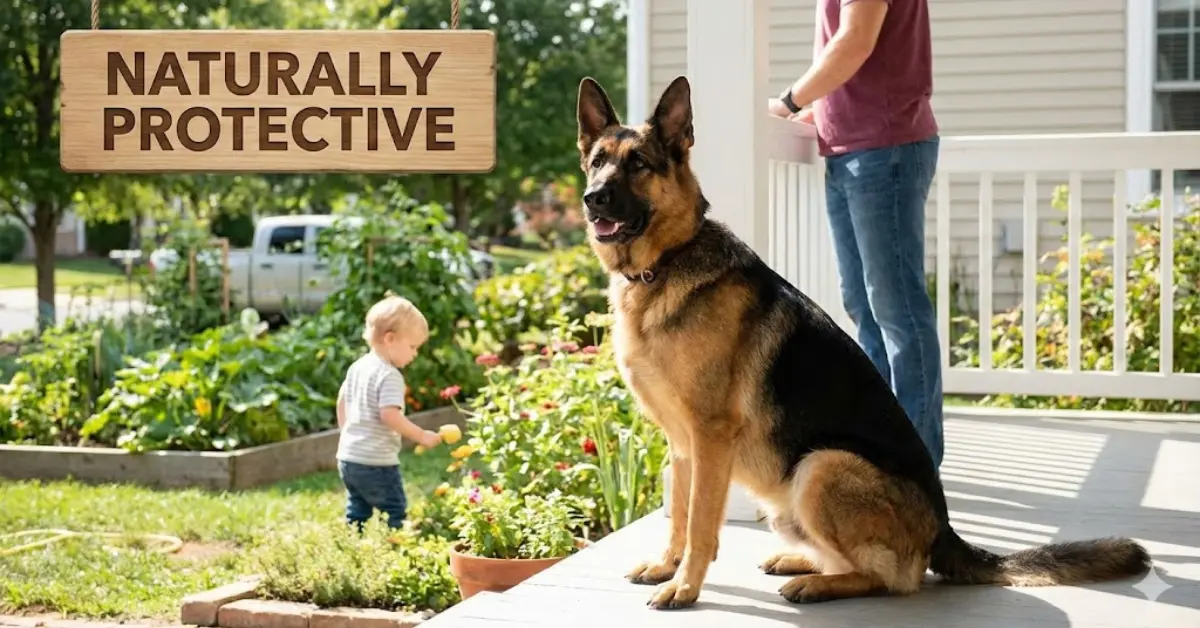
Out of nowhere, a loud bark greets unfamiliar faces typical for German Shepherds. Still, what counts most shows up when they stick near loved ones. Just having them around makes trespassers think twice, whereas quiet loyalty shapes their role indoors. Few dogs balance both like this. Effortless? Maybe. Common? Definitely not.
They usually:
- Attach strongly to children in their household
- Patrol property naturally
- Alert without excessive unpredictability
Yet attention stays key above all else. A single breed never replaces watchful care.
German Shepherds Show Protective Traits?
Every time a dog meets someone new, it may act like the person is a threat. Because of that fear, the animal could start protecting its space whenever folks are near.
This usually reflects:
- Inadequate exposure during puppyhood
- Reinforcement of guarding behaviors
- Owner anxiety
Puppies bump into all sorts of people, sounds, spots this builds their ease with surprises. When they’re eight to sixteen weeks old, each moment out discovering sticks with them, keeps reactions calm down the road.
Most dogs stay calm unless there is reason to speak. One that jumps at nothing often yelps too soon.
Frequently Asked Questions
1. German Shepherds Naturally Protective?
It’s true – German Shepherds often seem cautious right from the start, since breeding shaped that trait over time. Loyalty runs deep with them, tied closely to how aware they are of shifts around home. Training makes a difference, guiding those instincts into steady responses.
2. Why are German Shepherds so protective compared to other breeds?
Born to guard herds and steer livestock, their nature was molded by the job at hand. Alertness marked them clearly, while a keen mind and swift moves kicked in whenever threats neared. What mattered most showed up in how they faced moments of risk – calm, aware, ready.
3. German Shepherds Aggressive Or Protective?
Something inside them just knows how to guard. If they act out, it usually traces back to shaky experiences, feeling afraid, or mixed signals from their person – never written into their bloodline.
4. German Shepherds and Their Home Territory Habits?
Exactly. Most of these dogs guard their house along with the people they care about. If trained properly, they figure out friends from threats. With age, that natural sense grows sharper – watchful but never quick to attack.
5. German Shepherds Can Be Family Guard Dogs?
For sure. With sharp minds come loyalty and a watchful eye that keeps strangers at bay. Yet even so, when training lacks structure or daily practice slips, behavior tends to unravel fast.
6. German Shepherd Protection Training and Behavior?
Practice regularly – this brings stronger control. Without guidance during training, risks increase quickly. Strong methods focus on order well ahead of safety measures.
Conclusion
Guarding isn’t about anger with German Shepherds it’s their alert minds at work, tied tightly to loyalty. Purpose shapes their vigilance, not unpredictable urges driving them.
Thinking first, that is how they begin. Over months, bonds grow like roots underground. Protection follows what holds real weight.
Alone or pushed too hard, those instincts could rush off course. When nurtured well guided firmly, bounded clearly, tied by trust – they become calm guardians within walls.
A loyal dog stands where confusion might grow. Each day, it acts without needing words. With every choice, duty walks close behind.
If safety’s a priority, these dogs are already prepared – no hesitation. Light tasks aren’t their focus, so someone else might suit you better.
Most times, a guarded heart finds purpose when shaped carefully. Should someone steady take hold, it builds what matters.
References
Looking into specifics led toward organizations shaping canine guidelines. Such groups outline what defines every breed type. Insights about behavior stemmed from their studied approaches. Aligning features with established benchmarks formed one step along the way. Input from them shaped portrayals that stayed precise and rooted
- American Kennel Club
- German Shepherd Dog Breed Characteristics and Official Guidelines: https://www.akc.org/dog-breeds/german-shepherd-dog/
- German Shepherd Dog Club of America: https://www.gsdca.org
- American Veterinary Medical Association: https://www.avma.org/resources-tools/pet-owners
- ASPCA: https://www.aspca.org/pet-care/dog-care
- American Veterinary Society of Animal Behavior: https://avsab.org/resources/position-statements/