German Shepherd Personality and Temperament Guide most folks see German Shepherds as smart, steady, and full of trust built that way by nature. Alertness runs deep in them, dependability too; add flexibility into the mix, they fit right into homes or jobs needing sharp dogs.
Table of Contents
ToggleGerman Shepherd Personality and Temperament Overview
Raised well, their actions stay calm and consistent not wild, never sudden outbursts. Their nature leans on structure, shaped early, showing up later as quiet strength.
Key traits
• Smart and observant
• Calm and predictable
• Naturally adaptable
• Thrive with structure
Loyalty and Watchful Behavior
Loyal to those they live with, German Shepherds watch everything closely. Not quick to trust outsiders, yet never shaky or jumpy around them. Alertness moves through them like a steady pulse.
When raised with varied experiences, they respond without rushing. Protection comes easily, almost without thought. Calm shows up right alongside vigilance. They stand beside people who understand consistency.
Highlights
• Deep loyalty to family
• Calm around strangers
• Natural protective instinct
• Steady and composed responses
Understanding Boredom and Behavior
Boredom can shape how a German Shepherd acts when there is little to do. Pacing or constant barking might show up if challenges are missing from daily life.
What looks like stubbornness usually points to unused energy instead. Structure helps these dogs stay balanced without it, habits shift in ways people misread.
Common signs
• Restless pacing
• Excessive barking
• Destructive habits
• Lack of focus
German Shepherd Temperament Overview
Confidence defines the usual German Shepherd mood, along with steady emotions and devotion to those they know. Alertness shows up clearly in how these dogs act, matched by bravery and awareness.
Instead of rushing into things, they watch first, think next. This shapes their role as both trustworthy workers and calm companions at home.
Core temperament points
• Confident and composed
• Observant before reacting
• Balanced emotional control
• Reliable in routine settings
Loyalty and Protection Traits
Most folks know German Shepherds for sticking by their people, along with a sharp eye for safety. These dogs tend to watch over loved ones without being told.
Their drive to protect is not about hostility it feels automatic, built into their nature. Instead of rushing forward, they observe closely and step in only when needed.
Key insights
• Protective without aggression
• Calm and controlled reactions
• Strong long term bonds
• Natural guarding instinct
Intelligence and Training Ability
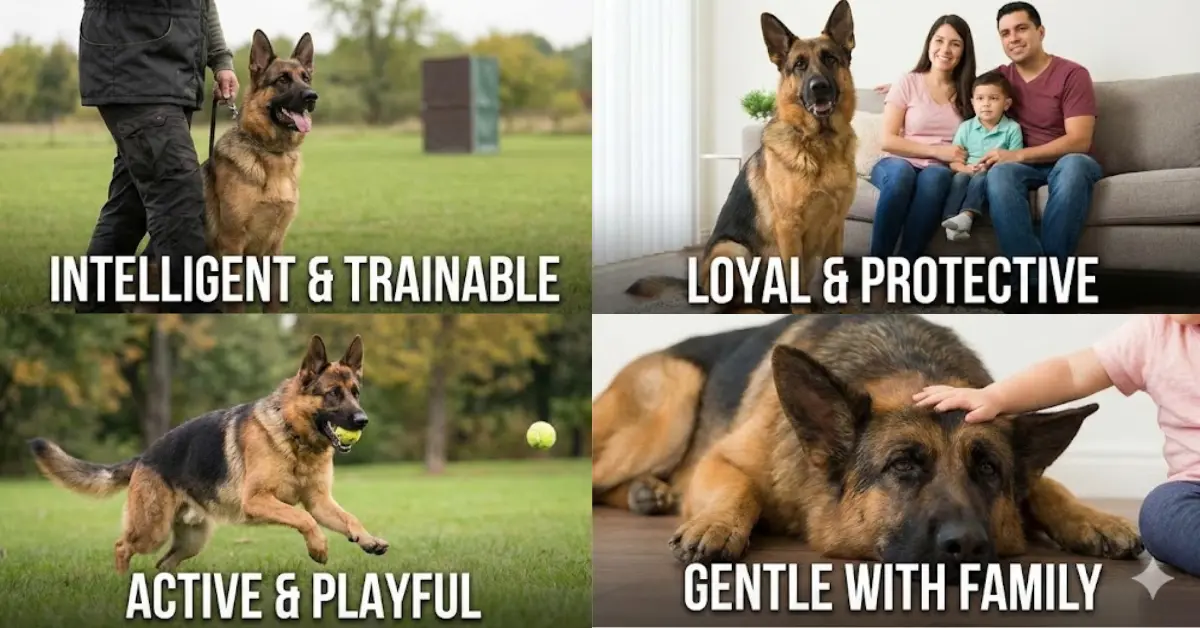
What stands out about German Shepherds is sharp thinking. Near the top in breed smarts, they solve puzzles, remember patterns, and stay focused.
Because their minds grasp cues fast, training becomes effective when routines stay clear and steady. They thrive when given purpose and direction.
Abilities include
• Quick learning
• Strong memory
• High focus levels
• Adaptability to complex tasks
Tasks such as assisting people, tracking scents, or structured routines fit their strengths well.
German Shepherd Behavior Around Family and Children
Most times, a German Shepherd moves through home life with quiet confidence. Loyal without needing attention, it stays close to those it knows.
Behavior Around Kids and Families
They read moods before reacting, which helps them fit into family routines. Not pushy, not distant just balanced.
Family behavior traits
• Calm presence indoors
• Observant around children
• Emotionally aware
• Consistent daily behavior
German Shepherds and Children
Little ones and German Shepherds usually get along fine if the dog meets kids early. These dogs prefer watching quietly rather than reacting suddenly.
A child playing nearby often has the dog close by, calm and steady.
Important considerations
• Gentle interaction works best
• Supervision needed with small kids
• Strong protective instinct
• Calm companionship
Bonding and Attachment Style
German Shepherds often stay close to their main humans, earning the nickname velcro dogs. They follow from one space to another, guided by steady devotion.
Their bond is not loud or demanding it grows quietly over time.
Bonding traits
• Strong emotional connection
• Awareness of human moods
• Preference for routine interaction
• Deep long term attachment
Behavior Around Strangers and Other Animals
Most people misread how German Shepherds act around new faces. Instead of rushing, they observe first. Calm distance appears more often than nervousness.
With proper early exposure, they stay balanced around both humans and other animals.
Behavior traits
• Calm observation
• Controlled responses
• Adaptability with exposure
• Predictable reactions
Aggression Versus Protection
German Shepherds act out of protection, not aggression. Their guarding nature comes from alertness and devotion rather than hostility.
Instead of attacking, they place themselves between their family and potential concern. Calm control guides their actions.
Key differences
• Protection is instinctive
• Aggression is rare when raised well
• Behavior guided by confidence
• Stability over reactivity
Behavior With Other Dogs and Pets
German Shepherds usually stay relaxed around other animals if raised with them early. Their responses depend heavily on early exposure and stable routines.
Given time, new animals become familiar rather than threatening.
Traits with other pets
• Calm adjustment over time
• Strong understanding of boundaries
• Predictable interactions
• Quiet confidence
German Shepherd Working Instincts and Drive
German Shepherds carry a natural drive to work. Their behavior reflects purpose, focus, and attention to detail.
They thrive in environments where tasks exist and routines guide their actions.
Drive characteristics
• Strong focus
• Task oriented behavior
• Consistent effort
• Mental engagement
Prey Drive Herding Instincts and Alertness
Movement naturally draws their attention, though not every reaction turns into action. Often, they observe rather than chase.
Their instincts show in quiet control rather than force.
Instinct traits
• Strong awareness of surroundings
• Controlled response to movement
• Natural herding tendencies
• High alertness
German Shepherds in Work Roles
German Shepherds perform exceptionally in structured roles due to their calm mind and sharp focus.
They handle pressure well, staying attentive even in demanding environments.
Common roles
• Police and patrol work
• Assistance and service support
• Search and rescue
• Therapy and emotional support
Their strength lies not in force, but in reliability, adaptability, and steady focus.
German Shepherd Temperament Across Ages
Little by little, a German Shepherd’s mood shifts while it gets older, showing distinct traits at every age. Puppies tend to bounce around, sniff everything, reacting fast to what they meet. When adulthood comes along, actions settle into steady patterns, less sudden, more reliable.
Puppies act differently from older dogs because their bodies and minds grow over time. As they age, German Shepherds show new ways of reacting to the world around them. Growth brings shifts in behavior that aren’t about character but natural progress.
Key transitions
• High energy in early stages
• Gradual emotional balance
• More predictable responses with age
• Behavior shaped by growth and experience
German Shepherd Puppies: How They Act When Young
Curiosity drives a German Shepherd pup, matched by sharp awareness and quick understanding. Right from the start, little movements, playful moments, yet careful watching shape how they interact.
You might see biting on objects, running after things, then suddenly flopping down to sleep. Because of these actions, balance improves along with thinking skills.
Puppy traits
• Quick reactions to sounds and movement
• Strong curiosity and exploration
• Early bonding with familiar people
• Observing before reacting to unknown situations
Little dogs notice fresh noises, faces, smells quick to react. Because their attitude shifts easily now, habits like following or greeting grow without force.
Over time, pups start paying better attention, their actions growing steadier. Right from the start, how they act shapes what kind of grown up dog they’ll become calm, sure of themselves.
Adult and Senior German Shepherd Behavior Shifts
Most grown up German Shepherds act steady, sure of themselves, yet calm each day. Their personality now reflects full growth, balanced feelings, because they know what comes next.
Older German Shepherds begin to show gradual changes. Movement slows down, yet awareness stays sharp. Quiet spaces often replace bursts of activity.
Age based traits
• Adults show stability and routine driven behavior
• Seniors move slower but stay observant
• Reactions become more measured
• Loyalty remains unchanged over time
Behavior shifts follow age naturally, not a loss of character. Their actions bend gently with years, shaped by experience.
Training and Socialization Influence Temperament
A German Shepherd’s behavior reflects how it learns and where it lives. Steady teaching builds calm reactions and flexibility over time. When rules stay predictable, sharp thinking turns into steady conduct.
Important influences
• Consistent routines
• Clear communication
• Real world exposure
• Purpose driven learning
Restless energy often signals a need for direction. With steady lessons and experience, these dogs begin to act calm on purpose.
Early Socialization Shapes Balanced Temperament
Puppies learn balance through real experiences with people, places, and sounds. Early exposure reduces fear and builds confidence.
Key benefits
• Less nervous reactions later
• Better emotional control
• Strong self assurance
• Calm response in new environments
What once felt unfamiliar becomes ordinary. Calm replaces hesitation when early experiences guide them.
Training Approaches for Different Personalities
German Shepherds respond best to structured learning with rewards. Their intelligence makes them quick learners when guidance stays clear.
Effective approaches
• Reward based training
• Clear and repeated signals
• Gradual challenges
• Mental stimulation through tasks
Some dogs bring intense energy, others a calm focus. Matching training style to personality improves results.
German Shepherd Behavior Challenges
Strong instincts sometimes shape behavior more than anything else. What appears as stubbornness often comes from confusion or lack of structure.
Common challenges
• Barking or restlessness
• Over alert behavior
• Confusion from inconsistent rules
• Energy without direction
Without clear routines, even loyal dogs may feel unsettled.
Anxiety Reactivity and Overprotectiveness
Restless movement or whining can signal stress. Because these dogs form deep bonds, being apart from familiar people can create unease.
Triggers include
• Sudden environmental changes
• Lack of routine
• New or unfamiliar settings
• Separation from owners
Alertness may look like aggression, but often it reflects uncertainty. Understanding this helps separate normal behavior from concern.
Addressing Unwanted Behavior
Most issues improve when the root cause becomes clear. Watching why behavior happens matters more than reacting to it.
Helpful solutions
• Maintain a steady daily routine
• Provide mental and physical activity
• Use consistent signals
• Reinforce positive behavior
Structure creates stability. With patience and repetition, unwanted habits fade while calm behavior grows stronger.
German Shepherd Temperament Suitability
Personality matters more than appearance when choosing this breed. German Shepherds need structure, attention, and engagement in daily life.
Suitability factors
• Active lifestyle compatibility
• Time for training and bonding
• Consistent routines
• Mental engagement opportunities
Knowing these needs early shapes a better experience over time.
Best Lifestyle for German Shepherd Owners
A person with an active routine often matches well with a German Shepherd. These dogs thrive on shared activity and structured days.
Ideal lifestyle traits
• Regular physical activity
• Daily engagement and interaction
• Consistent schedule
• Involvement in training and tasks
These dogs do not thrive in passive environments. They stay balanced when included in daily life and given purpose.
Living With a German Shepherd
German Shepherds notice everything and respond to structure. When routines stay steady, they act with calm confidence.
Key takeaways
• Strong bond with owners
• High need for mental stimulation
• Thrive on routine and purpose
• Best suited for engaged owners
When connection, structure, and activity come together, their temperament settles into something reliable, focused, and deeply loyal.
German Shepherd Behavior Beside Other Dogs
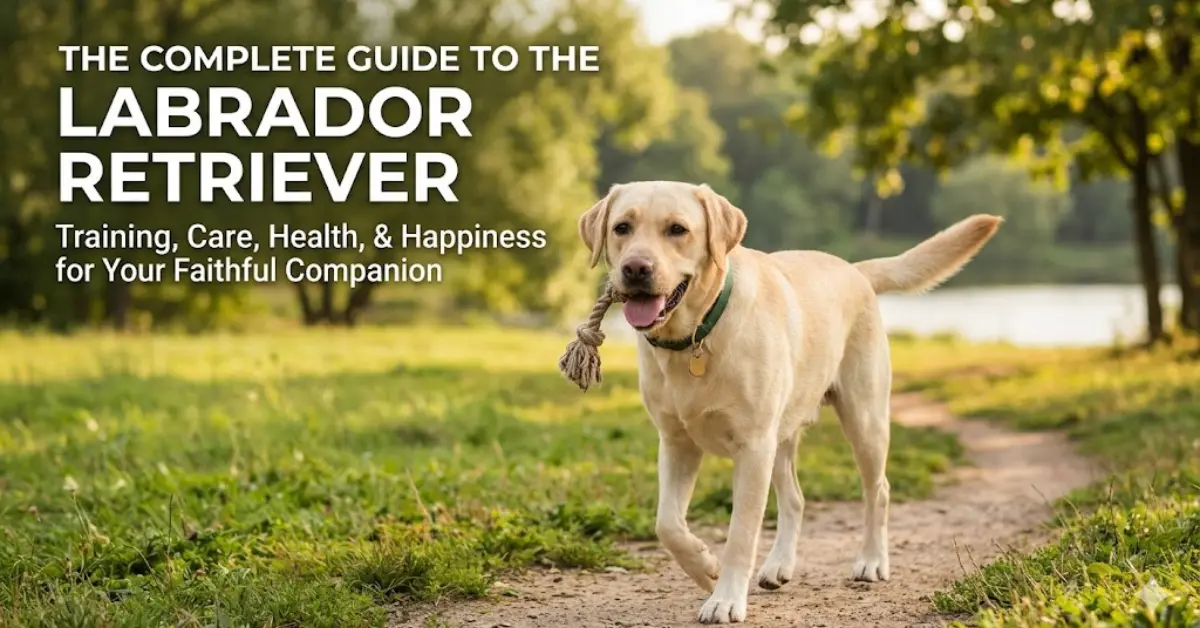
What catches the eye isn’t size or color – it’s how they act. Watch a German Shepherd and you’ll see caution, a pause before stepping forward, eyes scanning. Meanwhile, a Lab bounds in, tail high, face bright, meeting everyone like an old friend. One holds back until sure, the other offers trust right away.
Smarts show up in both animals, though their styles split apart. Where one watches closely, holding back, the other reaches out, eager to connect. Quiet focus meets lively response.
Key differences
German Shepherd watches then moves
• German Shepherd watches then moves
• Labrador reacts quickly and socially
• Focus driven versus interaction driven behavior
• Guarding instinct versus friendly openness
What makes a German Shepherd click? It’s their sharp focus, paired with steady control – that’s why jobs demanding alertness often go to them. A Labrador thrives where faces gather, drawn by routine closeness, always tuned to human rhythm.
How People Act Differently Every Day
From day one, German Shepherds take a breath before reacting – Labradors dive right in without stopping. One watches, the other leaps; life feels unlike depending on which stands beside you.
Out of calm comes the German Shepherd, shaping days with quiet attention. From motion leaps the Labrador, sparking moments with loose joy.
Lifestyle contrasts
• German Shepherd thrives on routine and purpose
• Labrador enjoys social interaction and activity
• One focuses on tasks, the other on connection
• Calm observation versus expressive behavior
It really comes down to what kind of energy fits better – calm engagement or easygoing friendliness. Someone might lean one way when picturing daily moments. A steady presence could feel right for quiet routines. Others may imagine shared laughter at gatherings. Temperament shapes the match more than breed ever does. The decision often mirrors personal rhythm.
Drive and Temperament Compared
A German Shepherd’s energy isn’t matched by all dogs. What sets them apart? A sharp awareness, deep loyalty, built into their daily rhythm.
Some dogs might show different traits instead
• Lower guarding instincts
• Higher social friendliness
• Less structured behavior patterns
• Different energy expressions
Seeing these differences makes it clearer what daily life looks like with either dog around.
Conclusion
Some folks think of German Shepherds as quick thinkers, loyal companions, because they notice every little change nearby. Pressure doesn’t rattle them – eyes tracking, ears up, minds running quiet beneath the surface. Their quiet alertness shows in daily routines just like it does on duty tasks.
Little by little, facing new things helps shape how they respond each day. What happens around them, along with steady support, shows in the way they act – never just chance.
• Intelligence shapes their actions
• Loyalty defines their bonds
• Structure builds stability
• Consistency strengthens behavior
Fed by patience and quiet attention, these dogs prove their place as some of the sturdiest companions around. Their steady nature unfolds slowly, shaped by consistent kindness rather than force.
FAQs
1.German Shepherds Are Not Born Aggressive
Some stay calm unless provoked. After watching closely, they react if the situation seems off.
2.German Shepherds in family homes
From steady households, these individuals build deep ties to relatives, staying tightly linked over time.
3.German Shepherds and Kids Together
When handled softly and brought into a home young, they move through spaces where kids play without rushing or reacting. Quiet moments build trust slowly over time.
4.German Shepherds with Other Pets
Given time to adjust, these creatures settle comfortably alongside different pets.
5.German Shepherd Traits for New Dog Owners
Success often comes to those who stick with a routine, even when these creatures test beginners with their sharp minds. Stillness helps more than force does.
6.German Shepherds and Their Bond with Owners
Close at hand, they form strong ties with their people, rarely straying far during daylight hours.
7.German Shepherd Temperament Changes Over Time
Puppies burst with energy, though grown dogs carry it more evenly. Seniors move slower, yet stay sharp. What changes is pace, not attention.
8.German Shepherds Are Easy to Train
Because they pay attention so well, lessons stick if you follow the same routine every time.
9.German Shepherds in police and service roles
Even when things get loud, they stay steady.