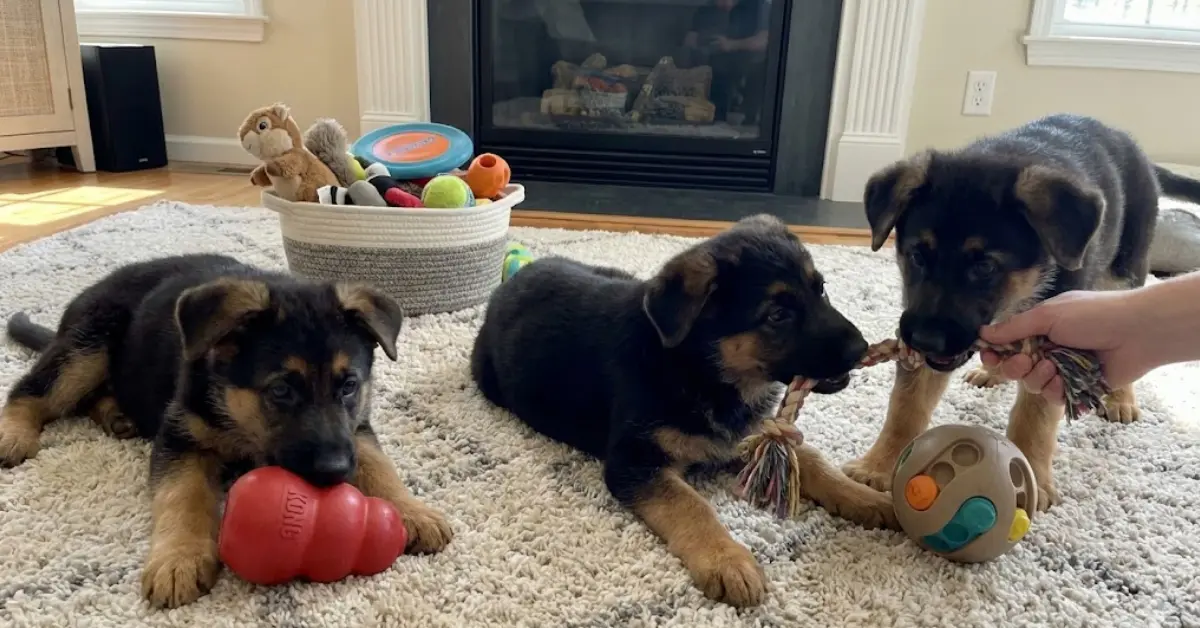
Chewing things isn’t just habit – it’s how they explore. A sturdy jaw needs something tough enough to handle constant gnawing, otherwise furniture legs become targets. Boredom hits fast when nothing holds their attention. Puzzle toys work well because they make the dog think instead of destroy. Energy doesn’t vanish on its own; it has to go somewhere useful. Without guidance, those sharp teeth find trouble quickly. Mental effort counts more than long walks sometimes. Tough rubber bones last longer when filled with treats. Puppies learn through what they’re allowed to touch. Choices matter – some items calm them down, others get shredded in minutes.Best Toys for German Shepherd Puppies: How to Choose Safe, Durable Options start by picking toys based on what they do, not how they look. One good mix covers three things a puppy needs every day: something to chew when stressed, items that keep them mentally busy, plus ways to move without chaos. Meet those, then you’ll see fewer bites on couch legs and less whining for notice. Pile in too many options right away? That backfires – too much choice numbs curiosity fast.
Start strong – German Shepherds don’t chew softly, they push and probe with intent. Toughness matters, yet it must suit how fiercely your pup grips and shakes. Try squeezing each toy before buying; if it folds too fast, forget it. On the flip side, rock-solid ones usually sit untouched in corners. What works? Something that pushes back just enough. That balance holds interest longer than anything else.
Table of Contents
ToggleWatching Behavior and Managing Toy Use
Watch closely right from the start. When a pup gets something new, keep an eye on how they interact with it at first. Calm chewing happens sometimes, yet frantic tugging at edges pops up too. Spotting trouble fast means fewer risks later plus less cash spent swapping things out. The moment anything looks worn or broken, take it away without delay.
Most new pet parents skip rotation, even though it comes next after setup. Toys left out nonstop lose their charm fast. Switching them around every few days sparks curiosity back up. This also shows which ones truly catch your dog’s attention. A pause makes old favorites seem fresh once more.
Puppies learn quiet moments best when their toys encourage stillness instead of constant motion. A chew toy introduced at nap time shapes better habits than one used only during play. Evening fussiness tends to fade when downtime includes something safe to gnaw on. Chewing the right object slowly teaches what belongs untouched.
Toy time means nothing without real moments between you. The smartest puppy toy fails if it sits alone while hours slip by. Little bursts of attention work harder than stretched-out solo romps. What sticks is presence, not plastic.
Starting here makes picking toys clearer. With things set up right, it’s smoother to choose chew rings, play items, or movement-based gear while your German Shepherd pup gets older.
This information shares basic guidance only. Watch your German Shepherd pup closely while playing, since safety matters most when questions arise about toys – turn to a vet or expert for clarity whenever needed.
What German Shepherd Puppies Look for in Toys
Puppies of this breed aren’t just chewing for fun. Their early days full of watching, sniffing, reaching – every bit wired into action. Right toys turn biting into learning. Life settles faster when play fits how they think. First owners often miss that link. Match the urge, guide the energy, skip endless scolding.
Chew time matters a lot for young German Shepherds. Excitement fades easier when jaws are busy working on something firm. Tension slips away through steady gnawing, especially once playtime winds down. Teeth aren’t the only reason – this habit sticks around long past puppyhood. Calm often comes from crunching textures they can grip. Without proper things to work on, their mouths explore what’s nearby: chair corners, sneakers, fingers. What fills their mouth shapes how settled they feel.
A busy mind matters just as much, yet it’s something people tend to ignore. Bred for tasks demanding sharp thinking, focus, and quick decisions – these dogs expect challenges. Without puzzles or activities to chew on mentally, young ones may pace, bark, or tear things apart inside the house. Items they can nudge, push with their paws, or explore quietly give that active brain a job to do.
Running around matters just as much, though direction beats disorder. Little dogs must stretch their legs, still endless free-for-all zooming risks wired nerves. Objects that spark brief, orderly games drain excess drive without wrecking calm or rules.
Most first-time owners think a single toy handles every need. Truth is, nothing works perfectly at all tasks. Calmness comes from chew toys. Focus grows through interactive ones. Movement thrives with play-based picks. Clear roles mean simpler choices. Picking gets smoother when purpose guides it.
Watch closely when your pup plays with a toy. One might nibble gently, another could rip into it right away. How they act can show what kind works well – and what doesn’t last. A slow chewer may handle soft materials fine. Fast, forceful biters often need tougher builds. Behavior tells you more than labels ever will.
Truth is, when a puppy ignores a toy, just set it aside awhile. After a few days out of sight, bringing it back usually sparks curiosity again. That small pause tends to reset their attention – saves money too.
Most mornings go smoother once you pick toys matching what your pup naturally craves. Figuring out those instincts makes it easier to find chewers, puzzles, and fetch items that keep up as your German Shepherd gains size.
Teething Toys for German Shepherd Puppies Safe and Durable Choices
Puppies like German Shepherds go through rough patches when their teeth start coming in – this moment often feels overwhelming, particularly for new owners. Chewing becomes more than routine behavior; it helps them ease sore gums while finding balance amid growing pains. A well-picked chew toy can shift everything, turning chaos into something far easier to handle.
Most German Shepherd pups need chew items that aren’t too rigid, not too squishy. Overly plush options usually fall apart fast – leading to messy bits left behind. Then again, rock-solid ones rarely get more than a sniff before being pushed aside. What works sits somewhere in the middle: tough enough to last, yet slightly yielding when bitten down on gently. Relief comes from slight give, even under strong jaws.
Puppies pay more attention to how something feels than how it looks when they are teething. Because rougher surfaces soothe sore gums, textures like small bumps or lines tend to stick around in their mouth longer. Even if a toy seems attractive at first glance, without texture it gets dropped fast once the chewing starts. While fancy shapes might seem fun, basic forms actually do more good right now.
Big enough matters just as much. A teething toy must stretch wider than your pup’s jaw can open. That way, chewing stays safe because chunks stay outside reach. When something’s built for tiny dogs, it often fails here – especially for young German Shepherds.
First things first – safety matters most. Steer clear of chew toys held together by glue, those with sharp ridges, or ones featuring bits that can loosen. When pups are gnawing hard, like young German Shepherds often do while teething, weak spots show fast. If a plaything begins splitting, unraveling, or dropping fragments, take it away without delay.
A useful idea pops up now and then – give pups chew toys when things are quiet, not only when playing. Right after running around, little dogs tend to gnaw the most. A steady favorite to bite on while relaxing helps avoid nipping at table legs or fingers.
Picking different chew toys now and then helps hold a pup’s attention longer. Because variety feels fresh when introduced slowly. A handful of choices works better than a pile – calmer reactions happen that way.
Picking the right chew toy means less mess on your floors, a calmer pup, because relief comes easily when gums ache. A good choice keeps cords intact while teaching what belongs in their mouth instead. Some textures ease swelling better than others, so trial matters even if labels claim otherwise. Durable materials stand up to strong jaws, since gentle phases pass faster in big breeds like yours. Early favorites shape later preferences, which shapes how well they adapt once baby teeth fall out.
Teething Toys for German Shepherd Puppies
Chewing gets serious once those baby teeth begin to shift in German Shepherd pups. Not long ago sturdy? Now it’s flimsy. What sticks around isn’t flashy or packed with features – it’s what holds up when gums ache. Toughness matters more than looks. Comfort wins if the texture feels right under sore jaws. A quiet favorite beats a noisy novelty every time.
When pups chew, bumpy rubber picks usually hold up best. Pressure comes even but never too strong, easing tender mouth spots. Ridges or lines offer grip to gnaw on – pups stick with them more than flat ones. Calm times, like winding down, turn smoother with these near.
Chewing something steady but just a bit yielding? Puppies tend to stick with those. Pressure without collapse keeps them busy, focused. Too soft and it tears apart fast. Too hard and they turn away. The sweet spot sits right in between – where gnawing feels natural. Most pups land on relief there.
A chill helps some pups settle down – especially if their gums ache. Toys cooled just a bit tend to soothe better than icy ones. Hardness matters more than temperature; frozen means too firm. Puppies might ignore them, turning toward socks or shoes. Softer chews feel safer, even when they should not. Aim for cool, never stone-cold.
Pieces come off easily when chewed too hard. Toys built with squeaky bits, rigid plastic chunks, or narrow ridges fall apart fast. Attraction fades once cracks form. Pressure reveals weak spots sooner than expected. Safety drops the moment fragments break free.
Puppies often figure things out by doing – owners notice they like chew toys that stay the same. A sudden noise or squish during gnawing tends to throw them off, making them lose interest fast. When a toy pushes back evenly, it keeps their attention steady. What holds firm helps them relax into the moment.
Even when toys are well made, watching how they’re used still matters. Look at each one every day, paying close attention to bumpy spots since those show harm early. As those jaws get tougher, destruction might come quicker than anyone guesses – that’s just how it goes with German Shepherd pups who never stop gnawing.
Rest breaks are good moments for offering chew toys, not only playtime. As pups start to relax, that is when biting tends to peak. A solid teething item nearby keeps them from gnawing fingers, chairs, or random things around the house.
Start soft, yet tough enough to handle sharp little teeth – that’s what helps German Shepherd pups most. Because comfort matters, sore gums turn less into chaos when the right chew is near.
The 5 Best Toys for German Shepherd Puppies by Age and Energy
Puppies start off wild, bouncing off walls like tiny tornadoes – what works at eight weeks won’t hold attention by five months. As German Shepherds mature, bursts of zoomies slow into purposeful movement, quieter moments replacing nonstop crashes into furniture. Their toys? Should shift just as quietly, keeping pace without adding chaos. Introducing one chew item early avoids mess; tossing in ten overwhelms even the calmest pup. Match playthings to current behavior, not hopes for future calmness. A busy brain needs challenge – but too much sparks snapping at socks or shredding shoes. Timing matters more than quantity when picking what stays and what gets tossed aside.
1. Soft Chew Toys for Young Puppies
Little German Shepherd pups find soft chew toys easier on their mouths, needing less force to enjoy. Chewing at this age leans toward discovery, not damage. Quiet times turn into chances for gentle play. Early patterns form when play stays calm and focused.
2. Textured Teething Toys for Puppies
When pups grow stronger, their need for chewy textures grows too. Because little jaws get busy, bumpy toys help ease the urge without chaos. Since teeth push through gums fast, sofas and fingers often pay the price – unless something tougher shows up first.
3. Interactive Toys for Beginners to Help with Mental Focus
Puppies might nose at puzzles when they start poking around with intent. When that spark shows up, toss in a basic toy that clicks or rolls. Because their brains light up during discovery, something slow and steady works best. A few minutes here, a try there keeps them calm inside. Thoughtful playtime means fewer zoomies off the walls.
4. Lightweight Tug Toys for Controlled Play
When pups get extra wiggly, soft pulling toys keep things calm and fun. Not long after they start bouncing around, a quick game with these helps burn off steam. Because supervision matters, grown-ups stay close while tails wag hard. With every gentle back-and-forth, rules stick better than chaos. Instead of biting hands, little teeth grip fabric – turning wild jumps into learning moments.
5. Gentle Fetch Toys for Movement
When kids get better at moving their bodies, gentle games of fetch keep them active but prevent wild sprints. With limits built in, tossing a toy uses up extra steam yet supports steady rhythms good for young frames.
Puppies surprise their owners when they show how much energy shifts day to day. Matching toys to those moods works better than going by age alone. On quiet afternoons, soft chewers help them wind down. When bursts of zoomies hit, tougher interactive picks keep things safe. Swapping between five kinds gives balance. German Shepherds stay engaged without tipping into chaos.
Picking toys suited to the child’s years and how active they are helps calm the day down. Problems often fade when playthings match their pace instead of fighting it.
The 10 Best German Shepherd Puppy Toys for Chewing Playing Training
Chewing, playing, plus learning – all packed into one toy – can ease daily routines with a young German Shepherd. Strong jaws meet sharp minds in these pups; their best matches withstand bites while sparking thought. Ten picks follow: trusted by seasoned handlers, built to last, free of flashy tricks. Not every chew holds up under pressure. Some pretend to entertain but fall apart fast. Others invite tugs yet ignore smarts. These do more. One bends without breaking when bitten hard. Another rolls unpredictably, making fetch less routine. A third hides treats inside, turning calm moments into puzzles. Tough rubber meets clever design here. Rope fibers twist tight enough for powerful shakes. Textured surfaces help clean teeth during long chews. Size matters too – large pieces suit big mouths better. Each choice fits real homes, not just showrooms. Long days demand gear that keeps pace. Puppies grow quick, but good habits start early. What works now may fail next month. That is why durability counts. Watch how they interact – not just what gets destroyed fastest. Learning lives in repetition, disguised as fun. These tools back that effort quietly. No noise. No flash. Just steady use.
Chew rings made of tough rubber stand up well to daily use. When pets feel like gnawing, these give them a safe outlet instead of tearing up couches or chewing on sneakers.
Little bumps and dips on chew things help calm a pup’s tender mouth. These shapes hold interest better than flat surfaces ever could. A puppy might linger longer when there is something to explore with their teeth.
Chewing on rope toys can be a good way to play tugging games that stay light and calm. When dogs gnaw them right, their jaws get stronger while plaque lifts off teeth.
Hidden snacks inside toys make dogs think harder. When a pup works for its reward, it stays sharp. These feeders slow down fast eaters too. A busy nose means less gnawing on furniture. Solving simple challenges keeps minds active. Chewing problems often fade when curiosity is sparked.
Puppies tire fast, so lighter toys work well. These fit small paws, move slow through air. A quick game helps shed extra drive. Gentle landings keep tails wagging longer.
These treat balls keep clever pups busy, offering a step up from basic puzzles. A good pick for young dogs who think fast, they slow down snapping instincts by making snacks harder to reach. Instead of grabbing food right away, your dog learns to wait while figuring out rolling motions and hidden openings. Movement triggers rewards, turning playtime into calm problem solving. Not just fun – it teaches self control through small delays.
Chew time feels just right when pups meet these rubber bones – built strong yet kind on new teeth. Though firmer than plush playmates, they push back gently during bites. Not too hard, never harsh, each gnaw brings steady give. Puppies get what works: lasting texture without sharp edges. Toughness stays balanced by a yielding feel that invites longer crunching.
Puzzle pieces made for new learners – easy tasks like sliding or flipping something open keep your pup paying attention, yet never too stressed. Tiny movements bring big concentration wins.
Older pups might like these handle-equipped tugs – they hold up a bit better during games. You can guide the fun easier since they fit well in your grip.
Soft toys with tougher stitching – okay for light play when someone’s watching. Watch closely so bits don’t come off.
Later on, once your pup has eaten or woken up relaxed, chew toys tend to fit just right. When it’s quiet time at night and attention matters, puzzle gadgets hold interest well. Instead of guessing, go by how your dog seems – some moments call for gnawing, others for thinking. Matching playthings to energy levels often makes things smoother.
Start slow. Picking just one or two at a time works better than tossing all ten into the mix right away. Switch things out now and then so boredom doesn’t creep in. Fresh changes help hold attention while shaping calm actions. Different options meet different urges – gnawing, exploring, learning. A steady shift builds routine without chaos. Happy pups often come from small shifts done well.
Top Toys for Growing German Shepherd Puppies
Puppies change fast, yet some chew things stay useful. As jaws toughen and play grows wilder, certain picks keep up without needing swaps each season. Tough materials bend but don’t break under new habits. A pup stays busy longer when challenges evolve slowly on its own. Less clutter piles up around the house that way. Long-term thinking cuts down trips to buy replacements too often.
Chew toys built tough tend to last longer when pups start gnawing. Even as baby teeth give way to stronger jaws, they keep their shape under pressure. Lighter versions crumble fast, but heavy-duty ones? They stick around through months of growing chaos. Some even survive past the teenage phase without splitting apart.
Puzzle toys that adjust get tougher as your young dog grows bolder. As confidence builds, the challenge level can rise too. Take a basic treat ball – swap it out when interest shifts toward something like a layered puzzle dispenser. Step by step, mental sharpness stays strong while curiosity deepens through clever play.
Puppies grow fast, so chew-resistant tugs keep up with their changing needs. Right from the start, plush pull toys help guide play that’s calm and connected. Once jaws get stronger, sturdier models enter the picture – brief rounds under watchful eyes work best. Done right, these games spark energy, yet stay clear of chaos.
Puzzle-style toy feeders fit different stages of growth without needing replacements. Early on, ones that drop rewards after a soft bump tend to suit young pups most. Later, when skills grow stronger, models demanding pushes or tilts keep minds engaged longer.
Most pet owners eventually notice something real: tough toys often lose appeal fast. Ones that slowly ramp up the challenge keep pets engaged more than those stuck at one level. Switching out these evolving options keeps things fresh – no endless purchases needed.
Chewing tough rubber bones can last a while when pups need something strong. Because they hold up well, little ones tend to stick with them instead of tearing apart weaker picks too soon.
Picking playthings that evolve alongside your German Shepherd means fewer changes in daily habits, less spending over time, because challenges stay fresh as your pup matures. A single toy doing double duty later on still holds interest months down the road when earlier versions would’ve been tossed aside by now.
Interactive Toys for German Shepherd Puppies Mental Stimulation
Puppies of this breed don’t just run – they figure things out too. When they meet a toy that pushes them to think, their energy finds direction instead of spinning wild. A challenge keeps their mind locked in, not wandering toward shoes or baseboards. Restlessness fades when curiosity has work to do.
Something small works best at first – puzzle toys that give treats when nudged. A pup might push or swipe at moving parts just to see what happens. Instead of chasing noisy gadgets, lots stay busy figuring out hidden spaces. When the task feels worth it, attention tends to last much longer. Should it become too simple, swap in one that asks a bit more thought but still feels possible.
Start moving that ball along the floor and see how your pup adjusts their steps, trying to nudge it just right. Because the toy keeps going, your dog stays involved, tracking every turn without rushing in. Instead of grabbing fast, they begin to slow down, figuring out how to tap instead of chomp. Over time, those small moments add up when you’re stuck inside or need calm energy midday.
When your puppy gets older, loud toys might grab too much attention; they can obsess over noise instead of playing with purpose. Toys that react the same way each time your pup interacts help them feel sure about what happens next, slowing down rushed reactions.
Those clever playthings work best if you bring them out only now and then, not constantly. A brief stretch of ten minutes – eyes on the pup, fully present – can ease their energy in a quiet way later. Moments like that often lead to smoother moments ahead, one calm choice at a time.
Toys Promoting Active Play for German Shepherd Puppies
Running around nonstop might burn off energy, yet it won’t teach young German Shepherds how to move with purpose. Instead, well-chosen playthings guide their actions – building balance, attention, steady nerves through each new stage. What looks like fun often shapes serious growth behind the scenes.
Puppies love soft toys made for fetching, perfect for daily movement that supports growth. Light enough to grip, they won’t hurt tender jaws when bitten. Try brief rounds with clear rules – toss nearby so the pup can return at a relaxed pace. A calm game like this uses up extra energy, builds focus, yet avoids chaos. Returning the item becomes part of learning to pay attention, even when excited.
Puppies can burn off energy through brief tugging games, if done right. These moments give them a chance to push back, channeling their drive with direction. You stay in charge by deciding exactly when play begins or ends. Stopping now and then keeps things calm while building self-restraint slowly.
Puppies might just scoot across the floor chasing a rolling toy. When something rolls after being tapped by a paw, it invites quiet motion instead of wild sprints. On rainy afternoons or slow evenings, these kinds of toys keep activity going without leaps or loud dashes. Movement happens softly, even inside.
Little pups need care when playing – too much leaping or dashing can do more harm than good. Though wild bursts of energy look joyful, steady motion supports growing muscles and joints far better. Smooth, calm activity strengthens balance while skipping heavy stress on tender frames.
Later on, try giving chew toys when the pup wakes up or during breaks in learning time. That rhythm lets your German Shepherd burn off steam without going wild.
Puppies move more when their play includes clever toys that keep them busy. These tools help hold attention, making moments calmer later on. With smart choices in gear, energy finds direction instead of chaos building up. Behavior improves simply because minds get used to staying involved.
Choosing toys for a german shepherd puppy
Picking toys for a German Shepherd pup means thinking about use, not looks. Focus on items built for gnawing, attention challenges, maybe calm interaction instead of bright colors or noise makers. Big enough is key – grab only those labeled for midsize or bigger dogs to keep things safe. Press into the material with your hand; give it a test – it ought to hold shape but still have some give. Bring out fresh ones while you’re watching closely, see what grabs their interest and how they interact. Hold back on piling up loads all at once. Swapping out just a handful of thoughtfully picked playthings now and then beats an overstuffed bin any day.
Common Mistakes When Choosing Toys for German Shepherd Puppies
Picking things for a young German Shepherd means skipping tiny objects, ones stuffed too lightly, or built without care. Seams that look weak, parts stuck together with glue, or bits you can pull off tend to split fast – making them risky. Instead of hard plastic picks, which feel cold and dull, go for tougher options since pups might redirect chewing urges elsewhere. Plush styles? Watch those closely; many of these dogs aim to rip, not cuddle. Too many new choices dropped all at once tends to spark less interest, strangely enough.
Toy Rotation Frequency for German Shepherd Puppies
Every few days, swapping out playthings keeps a young German Shepherd curious instead of gnawing on things it should not. Try changing them around every three to five days; never leave all items lying about. Always let the dog have one or two known chew options while tucking away the others. After time off, old toys seem fresh when brought back into view. Their worth returns simply by being gone awhile. Watch what grabs your pup’s focus when playing – switch things up depending on mood or how lively they feel. Now and then changing out play items lets you catch frayed edges sooner, taking risky ones away before trouble starts.
Replacing Puppy Toys During German Shepherd Growth
When your German Shepherd gets bigger and chews harder, old puppy toys might not last. Cracked surfaces or dangling bits mean it is time to toss them right away. Once grown teeth appear, what used to work can suddenly become risky. Checking each toy every week helps catch problems before they grow. Heavy-duty chewers need closer watching than most. Puppies grow fast, so those tiny chew things might not fit anymore. When toys get too small, they could be dangerous. Swap them out before trouble starts. Fresh toys mean safer fun, plus better ways to chew. Timing matters just as much as picking strong ones.
German Shepherd Puppy Toy Schedule for Calm Behavior
Every now and then, a steady pattern with toys gives a German Shepherd pup a sense of calm during the hours. Instead of handing out playthings at odd moments, slotting each one into your schedule works better. That way, the young dog learns timing when to jump into fun, pay attention, or lie down quietly.
Chew toys fit nicely into quiet times, like after eating or during rest periods. When things settle down, these help pups unwind instead of gnawing furniture. Group them apart from others interactive kinds shine in brief stretches where thinking matters most. Supervision stays key while they figure out puzzles or chase moving parts. Play that gets hearts racing? Save those pieces for when you’re ready to move together. Energy finds its match in shared runs or fetch rounds. Each category has its moment, its rhythm within the day.
Puppies settle better when toys appear on a steady rhythm. A familiar object around the same hours daily builds trust through repetition. When expectations stay clear, excitement doesn’t spike without reason. Moving from play to calm feels natural if patterns hold firm.
Every now and then, switch up which toys your puppy can reach – this keeps things fresh without too much clutter. A small number of go-to toys should always be within paw’s reach while the others wait quietly elsewhere. Out of sight means out of mind until suddenly they’re new again.
Playtime isn’t meant to fill every quiet moment. Energy finds better outlets when directed with care. With thoughtful choices in playthings, young German Shepherds settle easier, pay attention longer, while building behaviors that stick well beyond puppyhood.
Choosing Toys for a German Shepherd Puppy
Most puppies chew because they need to, so picking things that match how hard they bite matters more than owning lots of them. Since boredom leads to trouble, items that make a pup think tend to quiet down wild moments. A busy mouth often means a relaxed mind, especially when play fits their growing body’s pace. Instead of chasing hands or furniture, little jaws find better targets ones built tough on purpose.
Puppies need different toys as they get stronger, more focused, less unsure. When gums hurt, soft chewables bring relief at key moments. Sharp minds stay busy with puzzles instead of boredom taking hold. Movement builds stamina gear that encourages motion matters just enough. Swapping out old ones keeps things fresh while avoiding hazards sneaking in unnoticed. Watch closely when trying something new helps catch problems before they spread. Worn-down pieces lose their purpose time to swap them comes faster than expected.
Truth is, toys shine brightest during brief moments of mindful engagement. Rather than leaving a pup alone for hours, try tossing a puzzle their way every now and then – it sticks. Watch closely. See how they nudge it, chew it, push it aside. That quiet attention shifts everything. Life slows down. Routines settle. Surprises fade. The space between chaos and calm? It’s smaller than most think.
Start with picking chew items one at a time – this shapes moments of calm attention. A steady pattern forms when each choice gets purpose, not just chance. Over weeks, those choices build into daily rhythms. Chewing becomes useful, not random. Play stays sharp because it follows clear pauses. Good actions stick around when they feel natural. The pup learns without pressure, simply by repeating what works.
FAQs
1. Best Toys for German Shepherd Puppies?
Chew-resistant playthings stand up well when German Shepherd pups start gnawing. Teeth soothe better on bumpy surfaces made just for sore gums. Puzzles with basic challenges keep young minds busy without frustration. Movement happens naturally using soft gear meant for quick bursts. One meets the urge to bite, another feeds curiosity, yet others guide energy into motion.
2. Toy count for german shepherd puppies?
A handful of toys just five to eight – is usually enough for most German Shepherd pups. Switching them out now and then keeps things fresh. Piling on too many at once? That often leads to ignoring them completely.
3. Chew Toys and German Shepherd Puppies?
True, chew toys matter yet they’re just one piece. Puppies of the German Shepherd breed require more: something that engages the mind, like puzzle playthings. Movement matters too, so items encouraging steady motion help balance energy.
4. Safe Toys for Teething German Shepherd Puppies?
Teething toys that won’t harm your pup feel firm but give a little under pressure. Not stiff like wood, yet not soft like foam either somewhere in between works best. Pups built larger need sturdier builds, so size matters when picking one out. Thin ridges can chip off easily, posing risks if swallowed whole. Glued sections tend to split apart after some chewing time. Parts that come loose turn into choking hazards without warning. Choose ones crafted as a single solid piece whenever possible.
5. Toy Rotation Frequency for German Shepherd Puppies?
Every few days, swapping out toys can spark fresh curiosity. Out of view, put away the ones not being used – bring them back another time to surprise again.
6. German Shepherd Puppies and Plush Toys?
Puppies often go straight for soft toys, though some chew right through. Watch closely when playtime includes cuddly figures – teeth find weak spots fast. Tougher versions hold up better, yet solo time still risks mess. Even strong seams give way if jaws keep tugging.
7. Puppies show confusion when toys are too tough.
Watch how your pup interacts with it. If they give up fast, maybe it’s not right. Frustration means difficulty might be too high. Try something easier instead.
A bit of give matters when you press on a toy. Should it feel stiff, chances are it’s not right for soothing sore gums. Pups tend to turn away from ones that don’t bend at all.
8. Replacing Toys for a German Shepherd Puppy?
When a toy starts splitting or has ragged spots, swap it out right away. As your dog grows stronger at gnawing, what worked before might not hold up now. Loose parts? Time to let go of that plaything. If the object feels too small suddenly, set it aside. Wear shows fast when jaws get tougher. Bigger chompers need sturdier stuff. Outgrown shapes lose their fit quick. Damaged bits mean trouble waiting. Change comes quietly watch how hard teeth meet rubber. What passes today may fail tomorrow.
9. Interactive Toys and German Shepherd Puppies?
True, playful gadgets work well for young German Shepherds. Boredom fades quickly once these pups start exploring them, especially if time spent is brief yet regular. Focus sharpens as they interact, since their minds stay busy solving small challenges. Mental effort gets channeled instead of building up when activities last just a few minutes at a stretch.
10. Can toys take the place of playing with your German Shepherd puppy?
Toys alone won’t fill the gap left by real connection. Mixing them with brief, focused moments of play works better helping shape attention, routine, back and forth exchange.