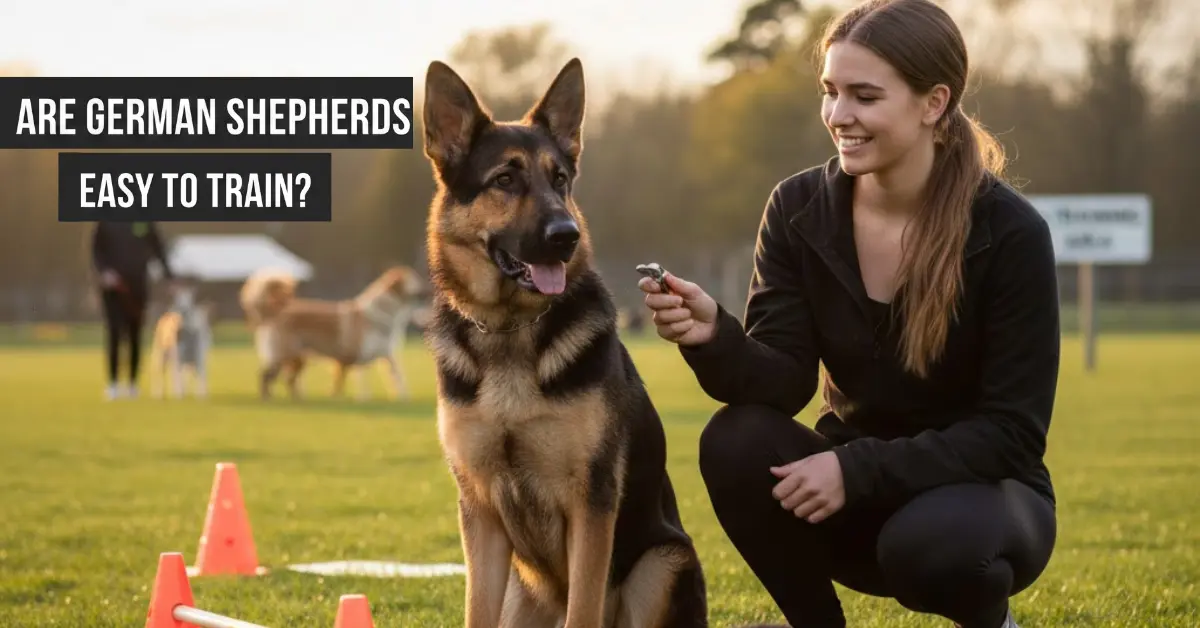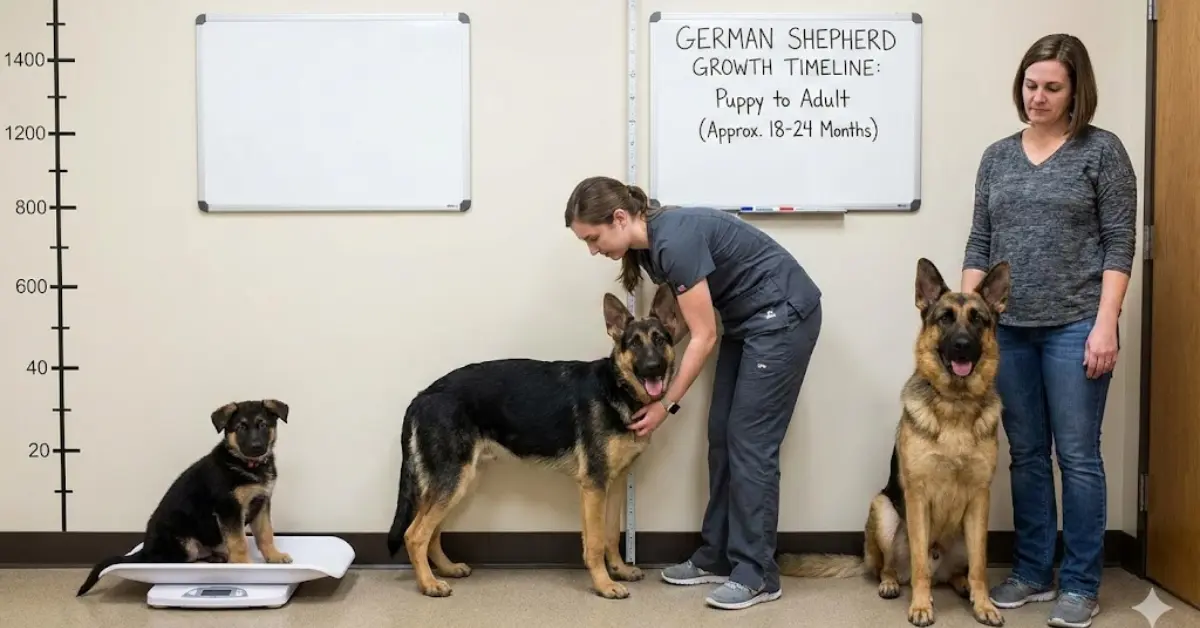
Yes. German Shepherds need a lot of daily exercise, both physical and mental to stay healthy, stable, and well-behaved. Most healthy adult German Shepherds require 1–2 hours of structured activity per day, including long walks, training sessions, play, and mental stimulation. Without proper outlets, they often develop German Shepherd behavior problems such as excessive barking, destructive behavior in dogs, anxiety, or reactivity.
Because they belong to the group of high energy dog breeds, they thrive in active households that provide structure, leadership, and engagement.
Now let’s break this down properly.
German Shepherds did not earn their global reputation by relaxing on couches.
The American Kennel Club (AKC) describes the breed as confident, courageous, and highly intelligent. Originally developed in Germany for herding and guarding livestock, they later became leading working dogs in police, military, and search-and-rescue roles.
That working heritage still drives them today.
If you’re asking, “Do German Shepherds need a lot of exercise?” you are asking the right question. This breed does not simply enjoy activity. They require structured physical activity and mental stimulation to stay mentally balanced.
Understanding German Shepherd Exercise Requirements
Why They Have High Energy Levels
German Shepherds were selectively bred for endurance, focus, and responsiveness. Herding required long hours of movement combined with constant decision-making.
The AKC consistently places them among high energy dog breeds. That means they:
- Need structured daily activity
- Thrive on training and challenges
- Become restless without engagement
A bored German Shepherd rarely stays quiet. They usually find something to do and you may not approve of their choice.
How Much Exercise Does a German Shepherd Need?
Most healthy adults need:
- 60–120 minutes daily
- A mix of cardio and mental stimulation
- Structured activity rather than free roaming
Split exercise into multiple sessions:
- Morning brisk walk (30–45 minutes)
- Afternoon training or play
- Evening enrichment or problem-solving games
This balance prevents burnout and maintains consistency.
How Long Should You Walk a German Shepherd?
For most adults:
- 45–60 minutes of brisk walking daily
- Ideally divided into two sessions
Long walks for dogs support heart health, weight control, and behavioral stability. The American Veterinary Medical Association (AVMA) emphasizes that regular physical activity reduces obesity risk and improves overall wellness in dogs.
But walking alone does not meet full German Shepherd exercise requirements.
They also need mental stimulation for dogs to feel satisfied.
Physical Exercise vs Mental Stimulation
You can tire their body and still leave their brain fully charged.
Physical Exercise
- Brisk walks
- Hiking
- Fetch
- Controlled jogging (after skeletal maturity)
- Dog agility training
Dog agility training works particularly well because it combines physical effort with obedience and coordination.
Mental Stimulation for Dogs
- Obedience drills
- Puzzle toys
- Scent detection games
- Learning advanced commands
- Structured play sessions
Mental effort often exhausts them faster than running.
A bored German Shepherd equals a creative German Shepherd. And creative German Shepherds redesign furniture.
Exercise Needs by Age
German Shepherd exercise requirements change significantly across life stages.
|
Age Group |
Daily Exercise | Key Considerations |
|
Puppy (2–12 months) |
Short sessions; 5 minutes per month of age |
Avoid high-impact running |
| Adult (1–7 years) | 1–2 hours |
Mix physical & mental |
| Senior (8+ years) | 30–60 minutes |
Low-impact focus |
Puppy Exercise
Large-breed puppies develop slowly. Growth plates remain open until 12–18 months. Excessive jumping or forced running can strain joints.
The AKC advises controlled play and short structured walks instead of endurance sessions. Focus heavily on training and mental stimulation during this stage.
Puppies need engagement more than mileage.
Senior Exercise
Older German Shepherds often develop joint stiffness or early arthritis. They still need movement, but intensity should decrease.
Better options include:
- Shorter, more frequent walks
- Swimming (low-impact)
- Gentle obedience refreshers
- Slow-paced hiking
Movement keeps joints mobile and helps prevent an overweight German Shepherd, which adds pressure to aging hips.
Seasonal Exercise Adjustments
German Shepherds tolerate cold weather well due to their double coat. Heat, however, poses risk.
Summer Adjustments
- Walk early morning or late evening
- Avoid hot pavement
- Provide constant hydration
- Reduce intensity during heat waves
Overheating can lead to heat stress quickly in active breeds.
Winter Adjustments
- Monitor paw pads in icy conditions
- Increase mental stimulation indoors
- Use structured indoor training sessions
Cold weather does not eliminate exercise needs. It simply shifts how you meet them.
Apartment Living Adaptations
Many people assume German Shepherds cannot live in apartments.
They can, but only with commitment.
Apartment owners must:
- Provide structured outdoor walks daily
- Schedule training sessions
- Use enrichment toys
- Avoid long unattended hours
Some owners also rely on structured daycare programs or professional dog walkers to ensure consistent physical activity when work schedules become demanding.
Space does not tire a dog. Engagement does.
Without structure, apartment confinement may worsen destructive behavior in dogs.
Signs of Over-Exercising
More exercise is not always better.
Watch for:
- Limping or stiffness
- Excessive panting
- Reluctance to move
- Behavioral withdrawal
- Sore paw pads
Puppies face the highest risk. Overtraining during growth can impact joint development.
Balance matters. Intensity should match age and health.
What Happens If They Don’t Get Enough Exercise?
Insufficient activity often triggers:
- German Shepherd behavior problems
- Digging and chewing
- Excessive barking
- Hyperactivity
- Separation anxiety in German Shepherds
The ASPCA explains that physical and mental stimulation reduces anxiety and destructive behaviors by channeling energy appropriately.
An under-exercised German Shepherd does not become calm.
They become frustrated.
The Risk of an Overweight German Shepherd
Exercise directly impacts weight control.
An overweight German Shepherd faces higher risk of:
- Hip and elbow stress
- Reduced stamina
- Metabolic strain
- Increased arthritis progression
The AVMA notes that obesity reduces quality of life and increases joint degeneration risk in large breeds.
Consistent daily movement protects long-term mobility.
When Protective Behavior Becomes Problematic
German Shepherds are naturally protective.
The AKC describes them as loyal and self-assured. However, without structure and exercise, protectiveness can escalate into reactivity.
Warning signs include:
- Excessive guarding
- Lunging at visitors
- Resource guarding
- Over-alert barking
As many trainers emphasize, “A tired dog is a more focused dog.” Physical outlets improve impulse control and training responsiveness.
If aggression escalates, consult a certified trainer or veterinary behaviorist immediately.
Who Should Not Get a German Shepherd?
This breed may not suit you if:
- You work long hours away from home
- You prefer low-maintenance pets
- You dislike structured training
- You cannot commit to daily exercise
- You want a purely relaxed companion
German Shepherds demand involvement.
They reward effort with loyalty, intelligence, and reliability.
But they do not tolerate neglect.
Comparing German Shepherds to Other High Energy Dog Breeds
|
Breed |
Exercise Needs | Mental Stimulation | Suitable for First-Time Owners? |
|
German Shepherd |
High | Very High | With commitment |
|
Labrador Retriever |
Moderate-High | High |
Yes |
| Border Collie | Extremely High | Extremely High |
Challenging |
| Bulldog | Low | Low |
Yes |
Among high energy dog breeds, the German Shepherd requires one of the most structured approaches due to both physical stamina and cognitive intensity.
Signs Your German Shepherd Gets Enough Exercise
Look for:
- Calm indoor behavior
- Stable body weight
- Good training focus
- Healthy sleep patterns
- Relaxed posture
- Reduced reactivity during walks
- Ability to settle without constant stimulation
If your dog walks past distractions with better focus and shows fewer reactive responses, it often signals that their physical and mental needs are being met.
A well-exercised German Shepherd can relax on their own without demanding nonstop attention. If they struggle to settle or constantly seek stimulation, you may need to adjust their routine.
Creating a Balanced Weekly Exercise Plan
Daily:
- 45-minute brisk walk
- 15-minute obedience session
- 10–15 minutes enrichment
Three times weekly:
- Dog agility training or advanced drills
Weekend:
- Hiking or extended outdoor activity
Consistency builds stability.
Frequently Asked Questions
1. How much exercise does a German Shepherd need daily?
Most healthy adults require 1–2 hours of structured activity daily. This includes walking, training, and mental stimulation for dogs.
2. How long should you walk a German Shepherd?
Aim for 45–60 minutes of brisk walking per day, split into sessions for better endurance and recovery.
3. Can lack of exercise cause aggression?
Lack of structured activity can increase frustration and reactivity. Exercise combined with obedience training improves impulse control.
4. Do German Shepherds need mental stimulation every day?
Yes. Daily training sessions, puzzle games, or scent work prevent boredom and reduce destructive behavior in dogs.
5. Can you over-exercise a German Shepherd puppy?
Yes. Puppies should avoid forced running or high-impact jumping because growth plates remain open until maturity.
6. How do I prevent an overweight German Shepherd?
Provide consistent daily exercise, monitor food portions, schedule veterinary checkups, and adjust intensity based on age.
References
-
American Kennel Club (AKC) – German Shepherd Dog Breed Information
-
American Veterinary Medical Association (AVMA) – Pet Obesity & Exercise Guidance
-
ASPCA – Dog Behavior and Enrichment Resources
Conclusion: Do German Shepherds Really Need a Lot of Exercise?
Yes, and not just a little extra.
German Shepherd exercise requirements reflect a powerful working heritage. They thrive when owners provide:
- 1–2 hours of structured activity
- Daily mental stimulation
- Consistent training and leadership
- Weight monitoring and joint care
When their physical and mental needs are met, German Shepherds become focused, loyal, and remarkably dependable companions.
When those needs are ignored, frustration often turns into destructive behavior, anxiety, or reactivity.
This is not about “hyper dogs.”
It is about understanding a working breed with real energy demands.
If you are ready to meet those needs, a German Shepherd will reward you with intelligence, protection, and lifelong loyalty.
That is not exaggeration.
It is breed reality.