
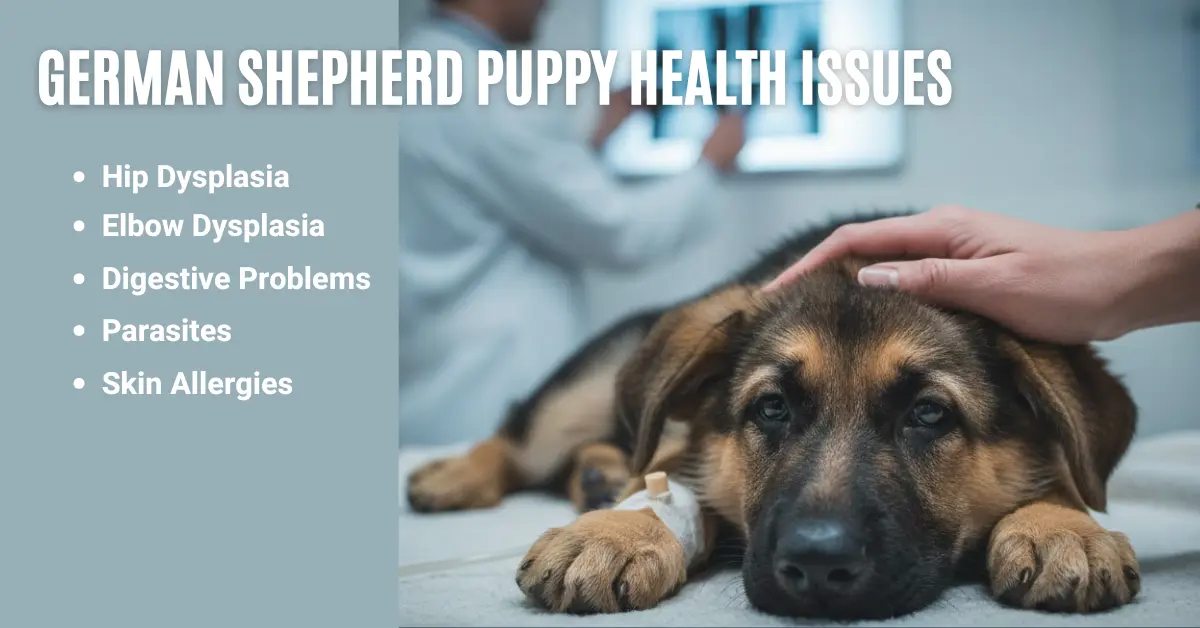
Puppies bring excitement, though the rush of raising a German Shepherd reveals deep demands fast. Growth surprises everyone – bodies stretch rapidly while thoughts whirl without pause. Such speed places stress few expect. Notice small shifts early, because those details shape outcomes months ahead. Those paying attention today face fewer rough patches tomorrow.German Shepherd Puppy Health Issues: What Every New Owner Should Know puppies born into the German Shepherd line seem sturdy at a glance, although their growth hides fragile phases. Bones slowly set themselves during these months, joints settle into place, the gut begins its job, defenses grow bit by bit. Skipping balance in food now, too much running then, or ignoring parasites once in a while those things often pass unseen early on. Still, down the road, tiny oversights can shape what kind of life they carry forward.Young German Shepherds rarely have sudden issues – signs creep in quietly instead. First, appetite shifts slightly; after that, longer naps start showing up out of rhythm. Getting moving feels harder, legs seem tight at times. Poop turns different, consistency shifting overnight. These hints slip past many new owners simply because nobody pointed them out before.When a problem shows up, it does not always point to a mistake. Dogs bred for tasks – think German Shepherds – are sometimes born with issues passed down through genes. Staying steady while facing these challenges is simply how you honor their nature. Panic makes nothing better. Clear choices make the real difference.Puppies of the German Shepherd kind often grow out of many health hiccups if their food is right, activity isn’t too much, and vaccines come on time routine makes it work. German Shepherd Puppy Health Issues: What Every New Owner Should Know When you begin young, those choices tend to last. Dealing with issues down the road usually needs far more effort than heading them off at the start.
Table of Contents
ToggleGerman Shepherd Puppies Often Have Health Issues
Twelve months of rapid changes test young German Shepherds hard. Bones stretch while joints take shape, muscles grow right after. Coordination trails behind when development races ahead. Uneven progress invites hip pain, digestion issues creep in too. Immune strength often falls short during this phase.Over years, jobs changed their biology bit by bit. Task-driven raising gave German Shepherds strength and sharp minds though weak spots tagged along quietly. Stiff hips pop up now and then. Digestive hiccups appear despite tight breeding plans. Skin flare ups sneak through even when breeders watch close.Most people underestimate how food builds a child’s body. Take large-breed pups, like German Shepherds growth thrives when nutrition hits exact needs. Overfeeding, excess calcium, or low-quality components may harm developing bones before signs show. Even organs take damage, quietly, over time.Puppies of the German Shepherd breed thrive on activity, although that energy can nudge owners toward poor choices. Leaping high, sprinting through grassy areas, or rushing up staircases may seem fine still, such moves strain developing joints. How they move plays a role, just make sure it fits their current growth phase. Staying mild, consistent, and timed right shapes what truly helps them.Puppies born into the German Shepherd line enter the world with immune systems still forming. Since that inner armor is thin, parasites or viruses slip through more easily until vaccines complete their course. Early days need sharp attention regular checkups mixed with steady routines catch problems early. Risk eases only once defense mechanisms wake up.
Common Health Issues in German Shepherd Puppies
Puppies born into the German Shepherd line sometimes struggle with health hiccups early on. Because bodies at this stage are building fast, big dogs often bump into similar issues. Early notice helps smooth the path ahead. Caregivers who learn the signals usually respond without delay, which lessens long-term fallout.
Hip Dysplasia in German Shepherd Puppies
Puppies growing too quickly might develop loose hips, especially in German Shepherds. That shift sets the stage for trouble down the road. Movement feels harder before it shows. A skip in their step or less speed could catch your eye. Instead of smooth strides, they leap like rabbits.
Some puppies grow fast because of their genes, yet pace can change how bones form. Large-breed formulas give nutrients that match slower body changes. Running hard every day might add pressure to young legs, which makes gentle walks wiser. Seeing a vet early often leads to fewer problems later.
Elbow Dysplasia and Joint Growth Problems
Something’s off when a pup favors one front leg. Take a young German Shepherd – after running around, it might keep a limb lifted. Watch how it moves; lopsided steps sometimes trace back to elbow issues. These problems tend to rise when bones grow wrong during puppyhood.
Beneath stiff ground and too much movement, joints take more pressure. Because of this, gentler workouts paired with close watching ease stress on growing joints. A vet’s advice shapes how problems are found plus what happens next over time.
Digestive Problems and Uncomfortable Stomachs
Some German Shepherd pups have touchy tummies. When their food shifts suddenly – or if it’s poor quality – they might get runny poop, swollen bellies, or start refusing meals. Tension plays a part too. Worms sometimes stir up trouble inside them.
Puppies stay steady inside when meals are always clean and clear. Shifting chow step by step keeps upset bellies away. Worm checks done on schedule ease trouble that creeps in slow.
German Shepherd Puppies and Parasite Risks
Puppies often carry worms, fleas, or ticks because their bodies aren’t fully equipped to fight them off yet. Spotting weight loss might mean worms have taken hold inside. A swollen belly or loose stools could be a sign too. Itching heavily may point to fleas affecting comfort and blood health.
Parasites cause less trouble when checked regularly, helping bodies grow right. Staying clean matters a lot, especially at first, because it cuts danger fast.
Skin Allergies Itching Hot Spots
Little red spots show up often on baby German Shepherds. When they lose fur and keep scratching, it might come from food, bugs, or things around them. Licking too much turns into sore skin fast.
Most of the time, fixing the real problem works better than just handling surface signs. Healthy eating, vet care, and slow changes over weeks clear up many skin troubles before they get worse.
Genetic Links to German Shepherd Puppy Health Issues
Strong-looking German Shepherd pups can hide genetic weaknesses beneath the surface. While not all will face health problems, this breed tends to be more prone than most. Spotting signs early makes handling them easier down the road.
When problems come from genes, they usually appear early in life. Choosing breeders who test their animals carefully cuts down these chances a lot.
Degenerative Myelopathy Risk
Later on, some dogs develop degenerative myelopathy a condition tied to their genes. Though young pups can carry the faulty gene, they stay symptom-free at first. Knowing about it early shapes how owners manage health down the road. Signs might not show until years pass, yet preparation begins much sooner.
Starting strong means checking genes before breeding. Though nothing fixes it completely, keeping muscles firm plus a steady weight can delay worsening.
Panosteitis (Growing Pains)
Puppies of the German Shepherd breed sometimes face panosteitis when growing fast. One leg shows a limp today, another tomorrow movement keeps changing. Bone development plays a role, altering structure as the dog matures.
Most puppies bounce back without issues given enough time. Since growth tapers off, symptoms tend to fade. Movement kept calm plus meals rich in nutrients ease the strain. Recovery shows up slowly but steadily.
Heart and Blood Conditions
Not every puppy escapes health hiccups – some carry genes that affect the heart. Tiredness might show up fast, even during short play. Growth could lag behind siblings by weeks. Energy levels are often quieter than the rest of the pack.
Spotting issues fast often starts with routine vet visits. Because breeders who care follow smarter methods, fewer genetic troubles show up later. When health concerns appear sooner, managing them tends to go more smoothly down the road.
Healthy German Shepherd Puppies
Early progress lives in how closely you follow each move during year one
Early progress lives in how closely you follow each move during year one. Proper nutrition hits harder than many expect. Movement at the right rhythm molds joint structure ahead of maturity. Checkups, spaced smartly, reveal hidden shifts sight alone won’t find. Daily routines formed now shut down serious issues down the road.
Little shifts add up, nudging your system to handle threats better while supporting joint health. Vanishing risks entirely? Impossible. The goal sits elsewhere tipping odds toward better outcomes. Weight rests in what follows.
Large Breed Puppy Nutrition Basics
Puppy days for German Shepherds call for chow made with large breed youngsters in mind. Fast bone growth that is why keeping a lid on calories matters calcium levels get balanced right. Overfeeding brings stress to developing joints a problem simple portion control might prevent.
Food served on a schedule lets digestion work smoothly, supporting consistent growth. Shifting diets constantly might lead to problems, especially when treats appear without veterinary approval. Today’s meal shapes long term health more than many realize.
Vaccination and Veterinary Check Schedule
Puppies born into the German Shepherd line face fewer threats from serious illnesses if their shots come on schedule. From day one, visits to the veterinarian keep track of growth, manage worms and bugs, since catching problems fast makes fixing them easier down the road. Skipping immunizations or dragging feet on timing invites trouble that could have stayed far away.
Puppies shoot up in size before you know it, which means watching how much they weigh and how their legs move is key. When a veterinarian has seen your puppy since day one, guidance tends to improve as growth hits new stages. Getting ahead of trouble beats reacting once signs appear every time.
Exercise Limits for Young German Shepherds
Little German Shepherds burst with motion, though their frames still grow. Rather than long runs or jumping, gentle play protects tender joints better. Climbing steps, say, could strain limbs not ready for stress. Short moments of action steered by care are what fit such pups right now. The wisest path matches pace to age, nothing more.
Step by step, walking beats sprinting every time. Not rushing through it building slowly actually builds tougher muscles. When motion stays smooth, joints don’t take the hit. Moving well years down the line starts with how you move today.
When German Shepherd Puppies Should See a Vet
Most folks overlook when to bring their young German Shepherd to the vet. Yet subtle changes can hint at bigger issues hiding beneath. While some odd behaviors pass on their own, certain red flags mean it is time to go. Showing up early often means small problems stay small avoiding months of hassle later down the road.
Puppies seeming off could mean something is wrong if vomiting lasts more than a short while, especially when loose stool won’t quit after a day. Suddenly refusing food that matters just as much. Pay attention to motion struggling to stand limping slightly or swelling by the joints hints at deeper problems. Fast growing breeds like German Shepherds often display such signs earlier clearer stronger.
A change shows up in their behavior once pets start feeling unwell. Not only does a sluggish dog need rest, but constant whining may signal trouble. As normal routines disappear, say turning away from favorite games or refusing outdoor trips, it pays to notice. Oddly enough disorientation can strike leaving them puzzled even in familiar rooms. Restlessness emerges or maybe skipped activities that is when second glances matter.
Puppies often look just fine yet visits to the vet remain key. Staying on a routine lets you follow growth, block worms, keep up with vaccines. When things seem strange even slightly advice from a professional guards their health most. Starting early builds habits that last.
Cost of Caring for a German Shepherd Puppy’s Health Issues
Pricing often swings for a young German Shepherd depending on the issue and how soon it shows up. A bellyache, skin flare up, or parasites usually won’t drain your wallet if caught early. But let time pass trouble digs in so does the cost. What matters most is not just the problem but when you step in.
Heavy bills usually come from joint troubles or growth hiccups. Trouble with hips or elbows think scans, regular check ins, possibly a specialist visit. Catching it fast makes the path easier down the road. Head off future issues reduce what you will pay.
Week by week routine vet trips pile up without much notice. Still spotting trouble now means less panic down the road when sudden issues explode. Vaccines deworming exams each slots into a timeline like clockwork. When life throws injuries or illness those moments bring disorder but planned care slips through smoothly. Thinking ahead tends to cost less once years pass.
Puppies bounce back quicker if their humans are not stressing over money. A bank account just for checkups can do what insurance does. Start early fix small things now so big troubles stay away later.
Selecting a Healthy German Shepherd Puppy
Picking out a healthy German Shepherd puppy starts with tracking down someone who truly cares either a careful breeder or a solid rescue group. Not focused on flashy appearances strong breeders put health and temperament first. Openness matters these folks hand over vet records vaccination timelines plus background on both parents without being asked.
Notice the way the young dog moves really look. A healthy German Shepherd puppy will be alert curious spending time near people and its brothers or sisters. Its eyes shine when all is fine much like smooth untangled coat hints at good health. Ease in motion counts so does steady energy from morning onward.
Puppies usually thrive when their parents had DNA checks first. Responsible breeders screen for inherited conditions early. Right after being born a trip to the veterinarian tells you a lot. Deworming and vaccines start quickly in well managed litters. Eating quality meals at the beginning sets up lasting strength later.
Before you choose wait a moment. When facing many puppies begin with questions this grows confidence step by step. Starting well means fewer troubles down the road for your German Shepherd puppy guiding its wellness forward. Clarity begins early.
FAQs
1.What is the most common health issue in German Shepherd puppies
Awkward steps in young German Shepherds often it is the hips or elbows acting up. Fast growth does not help yet it is the family line that sets the stage. Bones shaped by certain genes sometimes form unevenly especially when development races ahead. Without solid blueprint from ancestry joints face stress they are not built for. Tiny imbalances grow larger as the frame expands. Misalignment between muscles and joints might hide behind clumsy movement at first. Before full maturity hits small hiccups can turn into lasting trouble.
2.German Shepherd Puppies and Long Term Health Issues
Puppies of the German Shepherd breed can carry health issues into later life hips acting up digestion going sideways. Still getting off on solid footing with smart routines slashes how often that plays out.
3.German Shepherd Puppies Care Level
Puppies born into the German Shepherd line require regular training structured times for walking but also prompt care focused on health making their needs more involved than some breeds. Life each day depends on steady patterns exercise built with intent along with careful visits to catch trouble before it spreads.
4.Signs of a Healthy German Shepherd Puppy
A little German Shepherd puppy watches everything nearby with interest. Effortless movement feels normal for this youngster. Each feeding time brings eager eating. Bright eyes stay clean clear of crust. Smooth coat appears tidy never tangled or lifeless. Out the other side things stick without falling apart. Through each hour power inside does not dip or spike.
5.What are red flags when choosing a German Shepherd puppy
Limping slightly could mean discomfort deep inside. Movement dropping off may point to hidden issues. Stiff steps do not always mean age. Meals ignored more than once matter. Trouble passing waste for over twenty four hours needs attention. Constant scratching often means something is off. Missing records on treatment also catches attention.
6.German Shepherd Puppies and Natural Aggression
Starting life quiet these puppies carry a steady temper early on. Later issues tend to surface when social moments were skipped few run ins with strangers or animals leave marks. Missing lessons adds fuel what gets taught matters just as much. Reactions form slowly shaped heavily by daily handling and choices made along the way.
7.German Shepherd Puppy Vet Visit Timing
Puppies need checkups every few weeks when young. A visit at eight weeks kicks things off. After that shots and checks happen about once a month. Most follow ups wrap up by sixteen weeks. From then on yearly trips keep health on track. Sudden changes mean calling the clinic sooner.
8.German Shepherd Puppies Foods to Avoid
Pacing matters when changing chow sudden switches risk tummy trouble. Big puppies thrive on meals built for their size not bargain bins. Treats best kept rare since extra bites pile on pounds. Growth stays on track only if fuel matches their needs. One wrong ingredient may slow what should move forward.
9.German Shepherd classified as high risk
German Shepherds are judged harsh by appearance alone. Their serious expression often mistaken for threat even when calm. Because they tend to guard by instinct misunderstandings happen fast without context. Training shapes behavior far more than breed alone.
10.German Shepherd Puppy Essentials
Every pick shapes what comes next problems can appear walking each day holds things down training builds how they act still everything links back to hours passing after that dog steps inside.
Conclusion
Puppies that come from German Shepherds can feel overwhelming when you are new to having them around. Right away noticing something off means quicker responses speed makes the difference. What clues you pay attention to changes how much say you have in the situation. Watching closely works better than worrying always.
Dogs often deal with the same risks still being aware lets owners respond without panic. Since DNA has an influence catching shifts at first sign can shift outcomes. Food based on well matched nourishment supports steady body function. Activity counts just so long as it stays inside sensible boundaries. Most trips to the vet spot trouble early. Prevention fits into daily habits surprises drop off. Even growth happens without shaking up schedules. When fundamentals hold steady hiccups fade through the years.
Right away tending to wellness guides how a German Shepherd puppy grows. Though every pup progresses differently consistent care shows real results. When beginning decisions count development flows easier if handled with purpose. Getting things sorted early usually means less stress down the road. Lasting routines take root not by chance instead they grow from repeated aware efforts.





1 thought on “German Shepherd Puppy Health Issues: What Every New Owner Should Know”