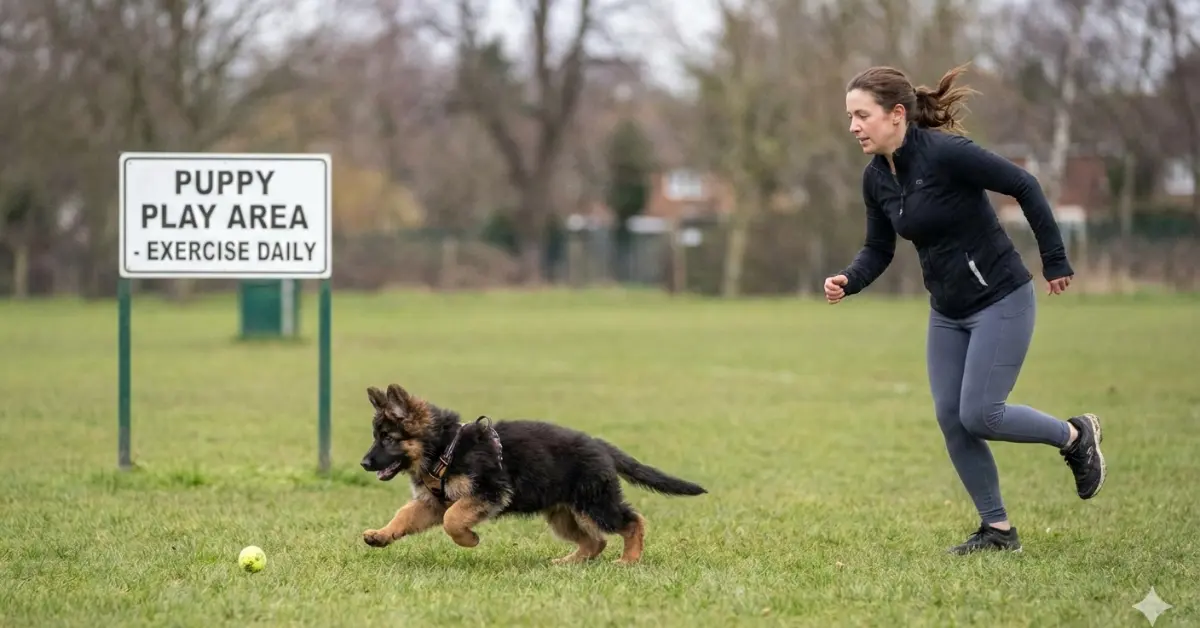
It’s clear just watching them bounce around – motion shapes a puppy’s world. Following German Shepherds for years revealed a pattern: when young ones move in purposeful ways, calm confidence follows later on.
Start slow when tiny feet begin to step. Through soft steps, muscles learn balance close to knees and elbows. Strength comes not from speed but steady rhythm.German Shepherd Puppy Exercise Needs Joints gain confidence when movement stays light. Each small shift adds up to firm footing later on.
Bouncing between tasks keeps more than paws busy – minds grow when legs do. Since quick learners like German Shepherds soak it all in, empty hours lead to fidgety thoughts unless there’s daily work to chew on.
Table of Contents
ToggleGerman Shepherd Puppy Exercise Needs Change As They Grow
Puppies of the German Shepherd breed grow quickly during their first twelve months, although movement patterns change sharply with age. Proper exercise plays a role – it supports steady development while protecting delicate joints and still-forming bones. Adult animals tolerate greater demands, whereas youngsters face injury risks when overloaded because their growing parts remain sensitive.
Start small when they’re barely steady on paws. These wobbly pups burn out quick, so short stints make sense. Try five to ten minutes of gentle fun, twice or three times before noon, again later. Peek-a-boo near the door, slow crawls across rugs, plus sniffing shoes by the entry – tiny steps count. Watch them blink heavy after exertion; rest pulls them under every few rounds. Brains stretch fastest while bodies lie still, sprawled in sunbeams off the kitchen tile.
Out of nowhere, tiny feet begin darting about by three months – change is clearly on the move. Wide-eyed wonder shows up early, spotting each little detail like it’s never seen anything quite like it before. Each week, motion grows in importance – but go too far and tension might follow later. Walking with a leash fits fine here, so long as the pace stays slow and quiet. Simple lessons settle during this stretch, words sticking better when said again and again. Puppies often enjoy tossing soft toys, which also builds useful skills if kept gentle. Throughout the day, shorter rounds work better than long ones for little bodies. One may tire after twenty minutes, while another plays happily near forty. Strength grows best when paired with moments of calm decision making. Rough jumps strain developing joints – slow progress fits them just right.
Puppies aged six to twelve months seem strong, although their skeletons are still forming. While maturing, activity each day can stretch from thirty minutes to sixty – combining brief strolls with training drills along with brain-teasing play. Light exercise strengthens endurance together with coordination while protecting tender joints. But rigorous routines stay out of bounds: long-distance running, constant jumping, high-impact bursts.
Puppies find balance once motion lines up with growing bodies. While age climbs, smart exercise prevents setbacks and shapes routines that stick. A pup’s right move today might misfire tomorrow – bodies shift month after month. Steady timing now carves paths for wellness much later.
Exercise Needs of an 8–12 Week Old German Shepherd Puppy
Wobbles win most races at this age. From week eight through twelve, movement carves the path for a German shepherd puppy’s growth. Strength finds its rhythm bit by bit, coordination flickers like a weak light, confidence seeps in grain by grain. Each walk turns into discovery once fresh views appear along the way. Too much pressure risks harm while bones stay tender. Stillness feeds joints just like movement does. Time heals better than busy effort ever could.
Puppies aged eight to twelve weeks thrive on short bursts of activity spread through the day. Five to ten minutes here and there, repeated two or three times, fits their rhythm just right. Open spaces – like grassy yards or soft carpets – let them wobble, pause, explore without pressure. Something light in motion, like a feather toy, draws their focus gently. Tug games with care, pushing a ball with their nose, keeps energy flowing safely. Strength builds quietly when they move at will.
A breath of open air counts, but just if done right. Walking inside secure boundaries or pausing outdoors with someone nearby gives puppies chances to see new things, hear unfamiliar tones, feel varied textures below their feet. At this stage, outdoor time builds confidence and attention much more than muscle. Rushing them to move quickly or keep up with grown dogs completely misunderstands the goal.
Thinking wakes up during play, especially when paws stay still. A short round of seek-a-snack, responding to a spoken cue, or winning bites by finishing tiny jobs – these spark curiosity gently. When quiet stretches appear, such acts slip in quietly, shaping routine before anyone notices.
Sleep holds its own weight. Little pups nap deep and often, then settle after quick spells of running around. Gentle motion works best when it follows stillness, along with bits of problem-solving here and there. When these parts line up, development gets a steady push. What sticks today guides their steps and choices down the road.
Exercise Needs for a 3 to 6 Month Old German Shepherd Puppy
Little paws start covering more ground when German Shepherd pups hit three to six months. Not only do they zoom around with growing pep, but their legs learn how to move without tripping quite so much. The world suddenly seems full of things worth sniffing, poking, following – everything grabs attention. Even though these youngsters bounce like springs, their bodies remain fragile underneath; joints aren’t ready for hard play just yet. That means walks stay short, games gentle, jumps limited – all tailored to what young frames can handle.
Most days, aim for about twenty to forty minutes of activity, split into smaller chunks throughout the day. Leash-led strolls work well – they’re gentle on joints while teaching puppies how to walk calmly beside you. Pace stays relaxed, durations kept brief, since developing bones need protection from too much stress. Instead of rushing forward, letting your pup pause and nose around adds another layer to their learning. Movement matters, yet what happens between steps counts just as much.
Puppies still need active play at this point. Gentle fetching on grassy areas works well, while mild tugging games – with clear limits – add balance. Playing under watchful eyes alongside calm dogs builds both coordination and confidence. Sudden leaps, quick pivots, or rowdy actions are best left out, since they may harm developing joints. Movement matters, but so does caution.
As weeks go by, around three to six months, teaching your pup new things matters more each day. Instead of just running around, trying out simple rules at home helps build focus. A game here or there, something that makes them think, keeps their mind busy when they’re not playing outside. When pups work through small challenges, like finding treats hidden in toys, they tend to calm down faster later on. Rather than tiring muscles only, turning playtime into problem solving can ease restless behavior better over time.
Even quiet moments matter just as much. Little ones nap often, while playtime needs calm time after. A mix of moving around, thinking tasks, then resting helps them grow right, behave better, plus prepares their body for what comes later. This rhythm shapes how they handle activity once grown.
Exercise Needs of a 6–12 Month Old German Shepherd Puppy
By six to twelve months, a German Shepherd pup starts acting and appearing grown up yet inside, development marches on. Though they seem full sized, growth zones in bones stay active most of this stretch. Because those joints are still forming, movement needs care. High energy doesn’t mean rough play fits. Activity should flow smoothly, never jarred by sudden jumps or hard stops.
Later on, aim for half an hour up to one full hour of activity each day, broken into chunks. Moving steadily on a longer lead boosts stamina while shaping how your dog moves beside you. Stick to softer ground, never pushing too far. Instead of rushing, let pauses happen nose to the world for thinking space woven into motion.
When puppies hit this stage, working on training really matters. Since they start pushing limits or ignoring cues, practice helps them stay focused. Instead of just running around, they need tasks that make them think. A tired brain means less chewing on shoes. Lessons in self control work better than long walks sometimes. Puzzles, rules, waiting it all adds up to calmer days.
Out in the open, gentle games think tossing a ball on soft turf or watching your pup interact with mellow companions build strength slowly, carefully. Jumping hurdles, sprinting mile after mile, spinning fast on tight corners? Those wait. Bones need time to finish growing before they handle that kind of push.
Puppies need space to move, time to learn, then quiet moments to recover each piece shapes how a young German Shepherd becomes steady on its feet, clear in mind, ready for what comes next.
Exercises Suitable for German Shepherd Puppies
Puppies grow strong when their days include smart choices about play and learning. Because these dogs were built to work, they crave tasks that challenge body and mind each day. A walk here, a game there keep it gentle until joints finish developing. Too much jumping or running too early can cause problems later on. Mix short bursts of movement with puzzle toys or scent games. Let downtime happen often; young bodies rebuild during sleep. Balance looks different every single day depending on mood, weather, energy level. Some afternoons call for quiet time instead of fetch. Watch how the pup moves afterward – that tells more than any schedule ever could.
Puppies learn best when they move at their own pace on a lead. A steady stroll shapes how they behave without tiring them too soon, plus it opens up the world around them slowly. Letting them stop often to smell things keeps minds active, even if bodies stay calm. Little legs need brief outings, timed carefully by age, where slowing down matters more than distance covered. Fresh sights and scents become part of each step forward.
Playing together brings solid movement benefits. Try tossing a toy gently across grass to boost balance and power. Keep those rounds brief, one at a time, never rapid fire or full of sudden pivots. A game of tug works well if pauses happen by cue, beginning only when told. That kind of structure teaches patience along with listening.
Because they’re so smart, German Shepherd pups need brain workouts just as much as walks. Start small teaching sit or stay gives their thoughts something solid to chew on. A quick game of find-the-treat during breakfast time keeps things fresh. Toys that hide snacks make them pause, think, then figure it out. Tired minds tend to quiet restless paws better than long runs. Boredom fades when there is always a new problem waiting.
Puppies can stay active inside when storms roll in or tiny legs aren’t ready for long walks. Instead of waiting it out, try calling their name from behind a door and let them scramble toward the sound. A treat tucked under a towel might turn into a mini adventure using only their nose. Even sitting still becomes part of the game when you wait for eye contact before offering praise. Each moment builds trust without needing space or sunshine. Solving small puzzles on four paws teaches them how to think when things feel new.
Puppies pick up good habits when they interact with peaceful, polite dogs under watchful eyes. These moments teach them how to talk to other dogs while using up their wild bursts of motion. Watch every second though too much chaos might slip in if nobody is paying attention.
Puppies of the German Shepherd breed thrive when their routines include thoughtful movement, steady structure, time to think, plus downtime. Confidence grows through calm motion paired with puzzle-like tasks, then rounded out by proper naps – day after day.
German Shepherd Puppy Exercise Limits
Though movement matters for a young German Shepherd, some types of play might hurt more than help while growing. Bones change fast in these pups, leaving joints and soft spots weak till adulthood hits. Because of that, skipping intense workouts early on helps dodge joint issues later – like hips or elbows forming wrong.
Heavy landings rank among the worst moves for young dogs. Furniture hops, obstacle leaps, or constant bouncing mid-play strain growing joints hard. Such actions push joints out of line easier, adding wear that lasts. Breeds with weak joints feel these effects worse.
Running far distances might seem harmless, yet it’s risky for young dogs. Just because a breed looks strong doesn’t mean pups handle the same strain. While adults move easily, growing bodies react differently under pressure. Until bones fully form, repetitive pounding harms joints slowly. Muscle tiredness builds faster than many realize in developing animals. A steady rhythm over miles pushes too hard on fragile frames. Letting them struggle to follow sets back healthy development.
Stairs aren’t always safe for young dogs. Each step shifts weight in ways that stress hips, knees, or elbows without balance. Too much of it early on might lead to awkward walking styles later. When there’s no way around them, hold the pup instead unless brief trips under watch feel reasonable.
Chasing balls too hard might not help when joints get stressed. Sudden pivots or abrupt halts often bring strains if pups sprint without pause. Leaping into crashes with full force tends to backfire once muscles twist oddly. Games built on quick bursts work better when brief, done gently over grassy patches instead of pavement.
Puppies shouldn’t drag anything heavy while growing. Once their bodies are fully developed, then strength-related exercises might make sense. Until that point, gear like weighted jackets or pulling tools has no place in their routine.
Most movement stays possible even when some activities are skipped. Picking gentle actions keeps development steady without strain. Guarding a young German Shepherd’s limbs and tissue at first shapes what comes later. A fit, mobile, comfortable life as an adult often begins with those quiet choices.
Socializing Keeps Minds Active
Little German Shepherds grow better when life comes at them fast. Folks of all kinds, strange sounds, different spots – these build their backbone later on. Miss that window, fear can set deep roots. Pups diving into chaos early usually hold it together when surprises pop up. Solid calm? It often starts before they’ve even lost all their baby fur.
Restless thoughts weigh heavier sometimes than sore muscles. Puzzle games, scent hunts, trick training – also silly games – wake up the brain and calm jittery energy. If thinking work gets skipped, German Shepherds may chew shoes or yell at clouds all afternoon. Meaning shows up in jobs made for their minds, ones that settle them without loud fuss.
Daily exercise requirements
Most days, a German Shepherd will demand movement just to stay balanced. Without solid activity, restlessness shows fast. Picture brisk walks that stretch into longer paths. Sometimes they match speed beside a moving bicycle. Throwing a ball again and again fills one slot. Training basic signals works too. Open space helps – so long as someone watches closely. Their thick fur does not slow them down. Time outdoors? Nearly every day it adds up near two hours.
Some days start strong when motion changes without warning. Shifting patterns lets tension move where it needs to go. Walking at a constant speed outdoors settles the mind slowly. Strength spreads through limbs by switching tasks fast. Most days, stillness feeds a kind of pressure that sneaks out later in odd ways. Walking keeps thoughts from drifting off track. Sticking to routine walks ties directly to miles put underfoot. When the body works, feelings find calm afterward.
Health Lifespan Genetics
Every now and then, a longer or shorter coat doesn’t change how healthy a German Shepherd stays – body care runs deeper than looks. Since DNA weighs heavier than fur type, paying attention to family health patterns makes more sense than judging by fluff alone. Feeding them meals suited to their growth stage helps inner functions stay steady without fanfare. Walking each day does double duty: easing pressure on limbs while waking up the mind slowly. Showing up at vet visits routinely spots quiet red flags way before they get loud.
Frequently Asked Questions
1.When to Begin Exercise for a German Shepherd Puppy
By week eight, movement begins for puppies through gentle play and short bursts of action.
2.Can too little exercise affect behavior
Yes, it can bring a sharp sound along with wasted power. Three workouts inside keep things steady. Not every session needs fresh air. Movement at home fills the need just fine. True, it makes a difference – yet nothing replaces time spent outside.
3.How to know enough exercise
Peaceful actions catch notice just like quiet nights do. Stillness speaks when bodies rest well past midnight. Gentle rhythms show up where breathing slows down completely.
Conclusion
Little dogs thrive if motion comes easily, never pushed. When soft games flow at a calm pace, bodies build power free from stress.
Little by little, motion shapes the body. When effort sticks around day after day, peace tends to show up quietly. Starting small is where wellness begins.