
Puppy Growth and Development grow at different speeds, so comparisons can cause unnecessary concern. What matters most is steady progress over time. A vet checks more than scales or tape measures watching energy levels, coat health, movement patterns too. Some dogs naturally fill out later; others shoot up fast then slow down. Growth charts give guidance but every dog sets its own pace. Even siblings may end differently shaped. Regular checkups catch issues early without fixating on averages.
Puppies start shifting fast right away. Year one? Big jumps happen then, but the next twelve months shape how muscles settle and posture lines up. Not every dog follows the same path though boys often rise higher, pack on more weight, whereas girls typically carry less bulk, built slimmer overall.
Pictures of progress drawn line by line show what’s really happening. When numbers rise or fall too soon, problems like being too thin or too heavy can be seen ahead of time. Visits to the animal doctor every so often, meals that fit just right, moving around enough for how old the pet is, these shape steady development. What grows well today rests on attention given now.
Most dogs fit loose guidelines, yet each one turns out different somehow. Active movement, clear awareness, balanced build, these matter more than measurements alone for a German Shepherd. When appetite stays steady, motion feels smooth, energy runs high, health likely follows. Unique traits appear even inside standard expectations.
Picture a clear path through your German Shepherd’s growth, this resource lines up height and weight details so choices feel easier. Stages unfold step by step, letting you track progress without guessing. Confidence builds when facts replace doubt, especially around feeding or vet visits. Numbers gain meaning when seen over time, not in isolation. Care becomes clearer once patterns emerge from the noise. Understanding shifts when real examples take center stage instead of vague advice. Growth isn’t random, it follows form, just needs context.
Table of Contents
ToggleAverage German Shepherd Height and Weight
Pictures of health often show up in how a German Shepherd stands, solid, steady. Tallness and heaviness together hint at growth that’s going well. Some pet keepers measure theirs against neighbors’ dogs, yet bodies differ because of family lines, food types, daily movement, attention given.
Most German Shepherds fit into a clear size bracket, though tiny shifts happen without cause for concern. When fed right food, taken out often, checked by vets now and then, they grow just fine. Males take shape at a different pace than females do. Size paths split depending on sex.
Out of step with poor form, a German Shepherd’s stature means little if energy drags or stance feels off. Comfortable motion often tells more than numbers on a chart ever could. Proportion matters most when the body flows without strain, neither sharp angles nor heavy bulk stealing grace. Height paired with weight gives clues when watched over time, not rules carved in stone. Owners gain clarity by noticing patterns, not chasing ideals that shift like shadows.
German Shepherd Average Weight
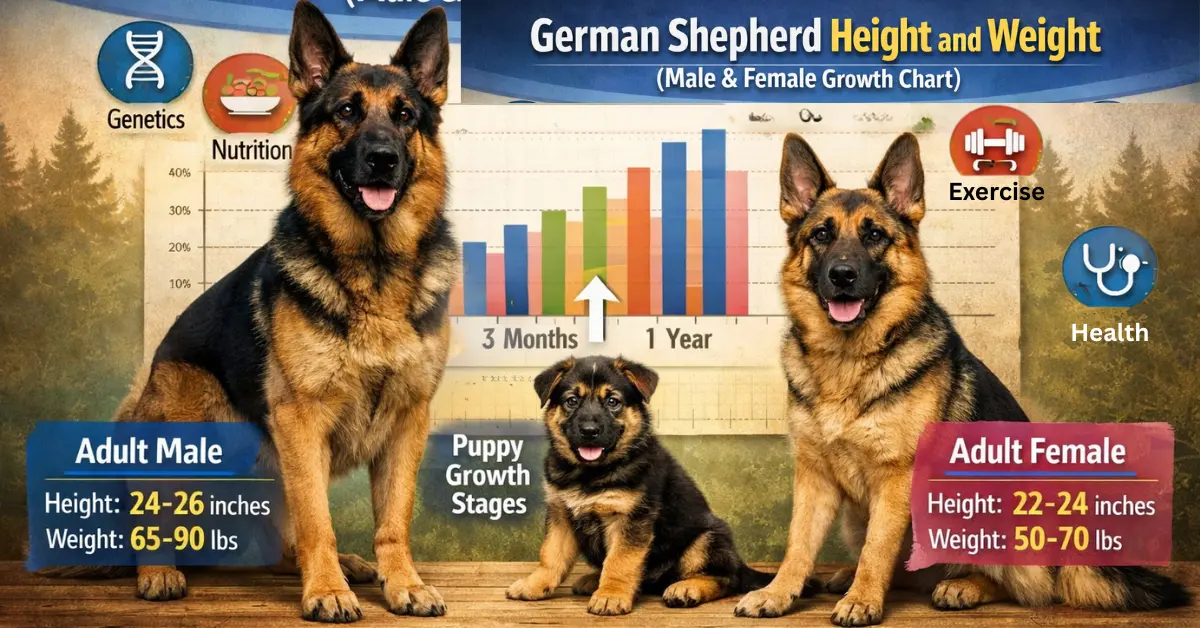
Pounds aren’t everything when it comes to German Shepherds, males often tip the scale at 65 to 90 pounds that’s 29 to 41 kilograms. On the lighter side, females generally fall between 50 and 70 pounds 23 to 32 kilograms. Health plays a big role here, especially if meals are steady and walks happen daily.
German Shepherd Height Male Compared to Female
Most folks spot the German Shepherd’s size right away. Standing tall, these dogs are sized up from floor to shoulder shows their build clear enough. Males tend to rise higher than females, thanks to thicker bones and wider bodies. That extra frame makes the difference obvious.
Most times, a male German Shepherd stands taller than his female counterpart, who tends to be a bit smaller, yet sleeker in build. That kind of variation comes naturally, without impacting how strong, smart, or effective they are at tasks. When raised well and taught correctly, each one male or female performs just as well as the other.
Puppies born into herding bloodlines often stand a bit taller, their frames stretched out like morning shadows. Those raised in family homes might carry themselves closer to the ground, built sturdy instead of slender. When walking, if the back stays level and steps flow without hitch, small differences fade into background noise. A dog’s roots shape its silhouette, yet balance matters far more than inches.
From day one, tracking how tall your German Shepherd gets can spot problems before they grow. Watch closely, consistent vet visits along with steady movement keep things on track. Growth isn’t rushed, it unfolds when care stays reliable.
German Shepherd Weight Male Compared to Female
Heavy bodies can stress a German Shepherd’s joints, affecting how they move. Males often tip the scale higher, built with more muscle and larger frames. On the flip side, females carry less weight yet remain fit and capable. Size differences show up clearly between them.
Most German shepherds weigh different amounts based on how old they are, what they eat, also how much they move each day. When young, these dogs pack on pounds fast later slowing down as they reach adult size. Once mature, their frame ought to seem firm yet lean if you run your palms over the rib area.
A healthy weight isn’t just how a dog looks. Moving without effort often means the body is balanced in size. Energy stays even through the day when pounds are right. Bouncing back after play happens smoothly at an ideal mass. Too much weight? Breathing gets heavy fast during movement. When too thin, muscles struggle to support daily actions.
Most days, stepping on the scale brings clarity. Portion size matters just as much as what goes in the bowl. A veterinarian’s advice often makes the difference. Staying close to the right weight keeps movement smooth later on. Energy flows better when numbers stay steady. Comfort follows consistency more than effort ever does.
German Shepherd Growth Guide Age Based
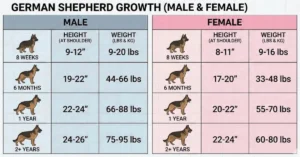
Puppies start small, yet their growth spikes quickly in the first few months. Owners gain clarity when they see how size shifts year by year. Changes slow down after the initial surge, then level off toward maturity. A timeline of height plus weight gives a clear picture across ages. This pattern helps tell if development stays on track. Surprises become less stressful once expectations match reality.
Most puppies grow in predictable ways, which age based charts help illustrate. As weeks pass, their height gains follow a steady curve, mirrored by gradual weight increases that keep proportions stable. Vets pull these visuals out regularly when checking if growth trends stay on course. Breeders also lean on them heavily throughout the crucial early months of a dog’s life.
Most times, charts just point the way never set in stone. What genes a puppy inherits shapes development, along with what it eats every day. Movement matters too, like daily walks or playtime out back. Good handling over months makes a difference you might not see right away. Some dogs grow taller than expected, others shorter, yet stay strong and active.
Most days, watching how your pet eats tells you plenty. A steady hand with meals pairs well with check ins from someone who knows animal bodies. Charts work best when they guide calm choices instead of feeding worry. Spotting shifts early opens space for quiet fixes before small things swell.
German Shepherd Puppy Size Over First Year
Puppies sprint through their fastest changes right now. Month by month, those little bodies stretch upward while pounds pile on fast. Watching how much a German Shepherd pup weighs alongside how tall they stand can catch small problems before they get big. Growth marks time like footprints in soft dirt.
Early on, extra pounds show up faster than inches. When pups hit various phases of growing into German shepherds, their limbs stretch out while the chubby shape fades. Growth tends to ease a bit past the half year mark, something charts tracking GSD progress usually reflect completely expected.
A pup ought to appear fit without seeming too thin. You can notice the ribs by touch, yet they mustn’t stick out harshly. How active it is, how much it eats, also matter just like weight records do. Movement tells its own story alongside measurements.
Puppies grow best when their meals are well balanced, yet too much food slows things down. Watch for quick changes in size either up or down and talk it over with your vet if something seems off. Catching small issues early keeps bones and joints healthier years later.
German Shepherd Growth Ages 1 To 3
Most people wonder how long it takes for a German Shepherd to reach full size. Height tends to level off between one and one and a half years. After that, changes shift toward building strength. The dog keeps gaining bulk and shape up to age three. Growth during this time shows less in height, more in form.
By now, how big a grown German Shepherd will be starts showing. Broadening happens in the chest area about then. Better stance comes through gradually over these weeks. Even when standing tall doesn’t change much, heavier they get bit by bit. That steady gain? Just how bodies finish growing.
Puppies grow fast, yet their minds take longer to catch up. Even full sized shepherds need daily movement plus clear habits for strong bodies. A steady pace helps keep bones and muscles in good shape over time.
Most dogs stay balanced when meals follow a routine, while weigh ins track progress. Growth records let pet keepers see if shifts come from normal aging instead of too much food or little exercise. Healthy maturity often shows up as an even build, strong but not bulky.
German Shepherd Full Growth Timeline
Some folks start questioning how long until a German Shepherd finishes growing once they notice changes past the puppy stage. Not every dog follows the same path growth unfolds in phases, each unique. By 12 to 18 months, many stand at their tallest. Yet reaching full height doesn’t signal the end of development. Maturity stretches beyond just inches.
Most German shepherds reach their full size by around two, sometimes stretching to three. Once they stop growing taller, changes still happen inside. Muscle builds up gradually, the chest expands outward, bones settle into proportion. A steady transformation like this shows everything progressing naturally.
Growth speed of German shepherds ties to genes, food, activity, care routines. Early bloomers round out fast, late ones need extra months. Full maturity? Males usually trail behind females by a stretch.
Slow progress beats a sprint every time when building strength. Instead of pushing hard, gentle movement pairs well with balanced meals to guard delicate joints. Watching how things unfold means trips to the vet can catch hiccups early. Growth thrives on patience, not pressure.
A dog that’s reached full size might seem powerful without being heavy, moving with purpose yet staying calm. Energy held in check, spine aligned right, steps smooth, these hint at growth more clearly than time passed. Maturity shows through balance, not just years lived.
German Shepherd Size Influences
Big or small, a German Shepherd’s build depends on more than time passing. Genes mix with diet, activity level, even early life conditions to shape development. A pup might grow fast but still face health risks if balance gets ignored. Owners who notice patterns can guide better outcomes without forcing changes.
From day one, certain traits already exist, yet routines shape what comes next. Though genes lay down the base, meals, movement, together with medical attention decide progress. When raised well, most dogs grow into steady frames with solid builds.
Most growth takes time, never rushes. When numbers shift fast on the scale, something else could be going on instead of regular change. Spotting odd patterns sooner keeps trouble away down the road.
Genetics and Bloodline
Most of a dog’s size comes from its genes. What kind of ancestors it has can tell you why one German Shepherd stands higher or weighs more than another. Take working lines compared to show lines – that contrast shows how breeding shapes body type. Some grow bulkier, others leaner, depending on their lineage.
Most working dogs carry less weight, stand a bit higher, because they need stamina. Show types tend toward broader bones, with curves that catch the eye. When breeders take care, either kind stays strong.
One reason pups from the same family differ in height? Ancestors play a role, along with mom and dad’s build. Breeding norms also shape how big each one gets. Size isn’t copied like a stamp, even among siblings.
Most of a dog’s size comes from its genes – those can’t shift. Yet knowing what to expect makes care easier. A pup reaching only as far as its blueprint allows tends to stay stronger. Pushing past that limit often leads to trouble instead.
Diet and Nutrition
What you feed your dog shapes how it grows and holds its frame. The right meals for a German Shepherd puppy build solid bones, steady muscles, tight joints. When nutrients fall short, growth drags or shifts off track.
Getting heavier needs to happen slowly for German Shepherds. Too much food might pile on pounds, whereas too little could mean low power and weak muscles. When things are right, you can feel the ribs but not see them poking through. Weight that fits well shows up this way.
Meals that mix good amounts of protein, fats, and minerals help the body grow at a steady pace. Not overeating matters just as much as what you choose to eat.
Watching weight often, along with advice from a vet, keeps meals aligned to steady development instead of rushing it forward.
Exercise and Activity Level
Puppies grow stronger when they move just enough. Moving daily builds strong legs instead of extra pounds. Joints suffer if workouts hit too hard too soon. A steady pace keeps hips sound over time.
Puppies grow best when movement shapes their young bodies. From the start, gentle walks mix well with careful games outside. Bones need time, so big leaps wait until joints settle fully. Running too much too soon brings more strain than strength.
Once grown, a dog gains strength and balance through regular walks. Over time, steady motion helps maintain its shape while making each step smoother. Staying active shapes how it carries itself day by day.
Rest mixed with steady movement helps growth happen gently.
Health Conditions That Affect Growth
When health problems show up, they might slow how fast things grow. Take hip trouble in German Shepherds – it can make moving harder, changing how muscles build. Spotting signs early gives a better chance to handle what comes next.
A bony German Shepherd might have trouble keeping food down or feel full too fast. Yet sometimes, a heavy one groans through each step, knees creaking under extra weight.
Spotting trouble sooner often comes down to routine checkups with a vet. How much your pet eats can hint at bigger issues, especially when watched over time. Shifts in how they move might signal discomfort or illness brewing underneath. Weight changes, subtle or sudden, add another piece to the puzzle of wellness.
Faster healing shows up when problems get spotted early, while treatment shifts keep pace with changes. Care that waits too long often falls short, yet small fixes along the way make a difference. What works today might not tomorrow, so staying alert matters more than sticking to plans. A slow response can widen issues, but noticing details helps avoid bigger setbacks.
Healthy Weight Range for a German Shepherd
A German Shepherd moves easier when its body weight stays in check. Joints handle stress better if the frame isn’t too heavy. You’ll notice smoother steps, sharper alertness. Balance matters most – neither bony nor swollen. Too much load shows up in tired eyes and slow rises. Comfort ties closely to how light or dense the build appears. Long walks become harder when extra pounds press down. Look at the shape from above – a slight tuck near the ribs means it’s on track. Few think about how breath changes with bulk. Energy flows freer in leaner frames.
Most days, moving around feels smooth when your body carries just enough weight. Run your fingers gently across the chest area – you ought to sense each rib beneath skin that isn’t tight. Seen from overhead, a subtle curve at the midsection shows where things sit right. From the side, there’s a small lift near the belly, not a straight drop.
Older dogs often carry more weight than young ones, yet both can be fit. What matters isn’t just the scale but how the body looks overall. Activity shapes health as much as age does. Size plays its part too – never ignore it. Judging wellness means seeing beyond numbers alone.
Most days, watching the scale tells you more than guessing ever could. Feeding right means less pressure builds up where it shouldn’t – especially around hips and movement points. A visit now and then to the vet keeps small things from becoming big ones. Staying close to ideal weight lets muscles work easier. Movement stays smooth when everything runs without extra load. Fewer aches show up when daily habits stay steady.
German Shepherd Looking Too Thin
Bone structure stands out sharply on a slim German Shepherd. Without even brushing your hand over the coat, you can spot ribs, along the back, hips poking through skin. Strength seems drained, muscles fading where they should hold firm – down the limbs, across the front. What once looked powerful now looks stretched too thin.
A pup built like a German Shepherd should grow steadily, yet when meals stay consistent but pounds do not, something might be off. Energy dips throughout the day could point to more than just rest needs. A fur coat losing its shine often tags along with internal struggles. Tiredness showing up too often isn’t always about age or activity. Hidden worms sometimes steal nutrients before the body gets them. Not every cause ties back to food quality alone – health hiccups run deeper.
A pup might seem a bit tiny for how old it is. Weakness creeps in when dogs carry too little weight, slowing their bounce-back after moving around. Grown ones sometimes fade without notice, pounds slipping away piece by piece.
Watch how much your pet eats and any shifts in their weight. If they lose pounds fast without reason, talk to a veterinarian right away. Catching things early makes it easier to get them back to normal. Before long, steady care can prevent bigger health issues down the road.
German Shepherd Weight Signs
A big belly can make a German shepherd move differently than before. Seen from above, its shape might lack curves, just one wide line across. Instead of a tucked middle, there’s fullness where slimness once was. Touching the sides, fingers meet fat instead of bone. From the front, the chest seems stuffed, the stomach low and broad.
Breathing hard after little movement might mean a German Shepherd carries too much weight. Tiring fast during walks can be one clue. Joints take more strain when the body is heavier than ideal. That extra load often leads to problems in hips or elbows. Moving less frequently may not just be laziness – it could point to discomfort from added pounds.
Little by little, extra pounds pile on without much notice. Feeding too much, skipping movement, alongside giving endless snacks – these trip up most pets.
Starting young makes keeping weight in check simpler than fixing excess pounds down the road. Because meals are balanced, movement stays part of each day, and advice comes from professionals, returning to a healthier size becomes possible. When dogs stay fit and move freely, they feel better daily while avoiding issues that build up over years.
German Shepherd Size Next to Other Dogs
Big dogs get measured against German Shepherds more than most. Right in the thick of things size wise, they carry strength but never seem too heavy. That mix explains why so many pick them for jobs or home life.
Standing next to other big dogs, a German Shepherd looks leaner, built for movement. Picture one beside bulkier types its frame shows balance, not mass. Tall it may be, yet never clumsy. Where some breeds spread out sideways, this one stretches upward, poised. Agility shapes its silhouette more than weight ever could.
Most big dogs need room to move, yet German Shepherds fit better in active homes than bulkier types of the same height. Though powerful, they’re lighter on their feet compared to others like Great Danes or Saint Bernards. When sizing up choices, looking at how one breed stacks against another makes daily life simpler. Matching energy and upkeep starts with seeing who stands where on the scale.
German Shepherd Compared to Labrador in Size
Standing tall, German Shepherds stretch higher yet carry a narrower build compared to Labs. A Labrador might not reach the same height, though it often shows a wider chest and stockier form. While both count as big dogs, one leans long and sharp, the other stays low and solid. Shape sets them apart more than sheer bulk ever could.
Most big dogs tip the scales heavier when built thick, like Labs often are. Though not always tallest, that solid frame adds pounds. German Shepherds move with a springier step, shaped leaner. Their look leans toward agile, less bulky.
Heavy legs change how they run and play. Built light, German Shepherds turn fast, yet Labs move slower with thick bones. Each dog stays strong, though one pushes stamina, the other power through motion. Shape tells what job fits best.
German Shepherd Compared to Belgian Malinois by Size
One reason people compare the Belgian Malinois to the German Shepherd? They’re both bred for work. While German Shepherds tend to be bulkier, standing taller with broader bodies, the Malinois carries less weight, shaped by agility and drive. Built differently, each reflects its own kind of stamina. Size isn’t everything when purpose shapes form.
When you line them up, German Shepherds carry bulk like they were built for force. Malinois move tighter, quicker like speed shaped into form. How they’re handled shifts because of it. Training bends one way with the Shepherd, another with the Malinois. Energy needs stretch further each day depending on which stands there.
One stands out for its power, the other for sharp thinking. Picking usually ties more to daily routine than bulk or inches.
Male vs Female German Shepherd Size Differences
| Feature | Male German Shepherd | Female German Shepherd |
|---|---|---|
| Average Height | Taller with a more upright frame | Slightly shorter and more compact |
| Body Structure | Broader chest and heavier bone structure | Leaner build with refined features |
| Average Weight | Heavier due to greater muscle mass | Lighter but still strong and athletic |
| Growth Duration | Takes longer to fully mature | Reaches maturity slightly earlier |
| Overall Appearance | Powerful and robust | Balanced and agile |
German Shepherd Size Overview
A healthy German Shepherd isn’t defined just by numbers on a chart. Growth unfolds differently for each dog, depending on genes, meals, movement, and daily attention. Charts give clues yet straying from them happens often. Slight variations usually mean nothing’s wrong.
A strong German Shepherd carries itself evenly, stepping without effort. Not just any scale reading tells the story watching it play reveals far more. Each morning brings clues does it rise ready, eager to walk? Movement flows better when hunger stays regular, spirit bright. Numbers shift, yet routine actions speak louder each time.
Take time with growth instead of pushing it forward fast. Feeding that fits the stage of life matters just as much as movement suited to young bodies. Watch how things shift week by week weight jumping up or down can speak louder than numbers at times. Care from a vet every so often keeps small issues from becoming big ones. Changes show most when pups turn into adults, moment by moment.
Most folks overlook how size affects movement down the road. Keeping numbers in check eases pressure on hip joints over time. Staying within balanced limits means getting around feels lighter later. Body load shapes daily motion more than expected.
Most days, these dogs learn fast if someone pays attention. Their strength shows best when nobody rushes the process. A steady frame comes from calm handling over time. Often, their height matters less once trust builds. Worries fade if you watch how they move through life. Confidence grows where patience stays long enough.
FAQs
1. Average Height of a German Shepherd?
Standing tall comes naturally to most grown German Shepherds. While males often edge higher than females, small differences happen without cause for concern.
2. Weight of a full grown German Shepherd?
A dog like a German Shepherd, once fully grown, carries weight suited to how big it is and how much it moves each day. When everything lines up right, the animal appears even not too round, never bony. What you see is what matters shape fits size, movement fits energy.
3. German Shepherds growth timeline for height?
Some German Shepherds reach full height by a year, while others keep stretching into their second. Their frame often fills out even later.
4. German Shepherd full growth timeline?
Most reach full size by age two or three, once muscles and frame have settled into their final form.
5. Male German Shepherds Typically Larger Than Females?
Most times, males stand taller and weigh more. Females tend to be a bit shorter and lighter. Size difference shows clearly when you look closely. Body shape also varies males more solid, females more slender by comparison.
6. German Shepherd puppy weight gain speed?
Puppies grow fast early on, especially before six months. After that, growth gradually slows down.
7. German Shepherd appears smaller than typical?
Size shifts when genes mix with food choices and movement. A bit smaller still fits within normal range. Health depends on more than height alone.
8. Overfeeding and German Shepherd growth?
Extra weight is not the same as proper growth. Too much food often leads to fat gain and joint strain.
9. Signs Your German Shepherd Might Be Overweight?
Heavy movement, no visible waistline, and ribs hard to feel can indicate excess weight.
10. Your German Shepherd Not On Growth Chart?
Puppies grow in their own way. Energy, appetite, and comfort matter more than exact chart matches. Charts only guide, not define.


1 thought on “German Shepherd Height and Weight (Male & Female Growth Chart)”