Are German Shepherds Friendly to Strangers? A Complete Temperament Guide

By HINDHUJA VAKADA

Updated On:

are german shepherds friendly to strangers

Join WhatsApp

Join Now

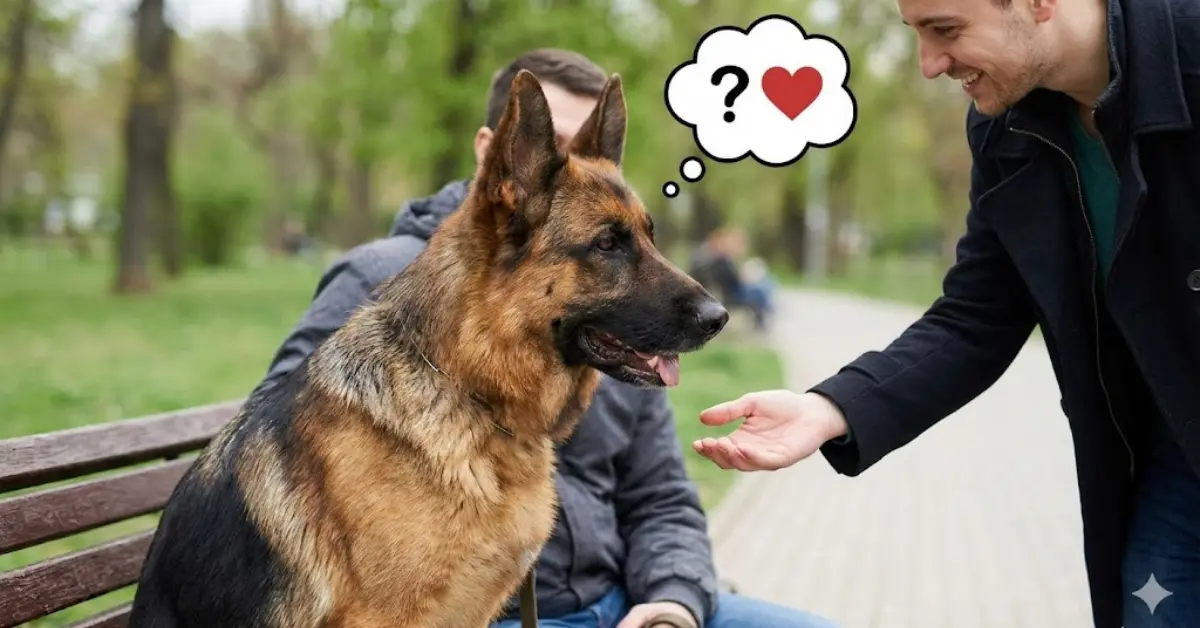
One moment you’re pondering strangers, the next a German Shepherd is sizing them up. These dogs don’t just default to warm greetings out of nowhere. Their behavior leans on what they were born with, plus early experiences sniffed out in youth. Training that sticks matters more than sheer repetition. A quiet household shapes them differently than constant movement around doors and voices. Reaction varies, no single switch flips every time.

One reason these dogs often pause before trusting strangers? Years spent guarding made quick affection less common. Bold actions once helped them tackle hard tasks, shaping how they behave today.

A young shepherd who meets lots of folks while growing up tends to carry calm certainty. When others come near, there is seldom stress, provided those first seasons held consistent teaching. Notice how silence can say far more than shouting ever might.

Start by letting go of what you think you know. Instead of guessing, look closer at why they act kindly toward others. The following pages trace where that kindness really comes from. Daily life with them becomes clearer when limits are spelled out ahead of time. From there, shaping a dog who stays calm near strangers unfolds step by step.

Table of Contents

German Shepherd Behavior Traits

Besides a quiet temperament, the German Shepherd shows quick reasoning, loyal behavior, and smooth pickup of new duties. Originally developed for herding sheep and protecting land, it demanded bravery when stressed, rapid decisions, yet also patience to observe fully prior to acting.

A quiet moment passes before the dog moves, eyes fixed on what just showed up. Most times, it waits instead of rushing in or pulling away. Nervous energy doesn’t take hold, even when the world shifts around it. Its steps stay steady because trust comes from within, not noise.

A pup’s future hinges heavily on what it carries in its DNA, the biological blueprint shapes much of who it becomes. Lineage counts just as much; respected bloodlines lean toward balanced temperaments, while haphazard matches can spark nervous reactions. When young dogs experience varied sights, sounds, people during early weeks, confidence tends to take root. Guidance built on predictable patterns steers their actions down the road.

Quiet moves often speak loudest. When trained well, a German Shepherd stands steady instead of charging ahead. Power reveals itself through stillness rather than noise. Holding back weighs heavier than pushing forward.

When tasks show up often, restlessness slips away, focus acts like an anchor. Purpose weaving through daily hours makes belonging click into place.

German Shepherds Protection Or Aggression?

A thoughtful German Shepherd guards its space not from rage, but from attachment. Should strangers approach, the dog turns watchful, quiet, centered, noticing every detail. Trouble begins when fear rewires instinct, particularly after a start filled with confusion or harsh handling. Without clear routines during growth, some lose balance, reacting from worn out patience rather than strength. Behind what seems like bold resistance could sit nothing more than dread playing strong.

A quiet German Shepherd pauses, sensing the situation before moving at all. Rather than charging forward, it may ease itself slowly between its human and whatever feels threatening. Notice the tight posture, alert ears, eyes locked in place. The barking arrives short and clear, never chaotic or loose. These moves speak of attention, not anger.

A crack in composure appearing without warning, this sort of response may reveal emotional brittleness. Explosive reactions might suggest instability within, rather than standard behavior across breeds. When stirred up, certain individuals fail to return to calm. The inability to regain balance afterward suggests underlying tension, far from the state of a well adjusted mind.

include behavior:

Protective Behavior Aggressive Behavior
Alert but controlled Overreactive and unpredictable
Responds to training Ignores commands when aroused
Calm recovery after stimulus Remains agitated or escalates

When raised with early social exposure and consistent leadership, most German Shepherds demonstrate protective confidence rather than uncontrolled aggression.

Working Dog Breeds with Natural Guard Dog Tendencies

Origins of Protective Behavior

From the start, German Shepherds took on tasks like guiding sheep and guarding land, shaping sharp protective behaviors over time. Such traits grew out of daily work demands, later becoming clear markers in official breed descriptions. Confidence matters most, a well grounded dog stays alert, calm, and aware, never jumping at shadows.

Watchful Actions in Working Dogs

Watchful actions usually show up like this:

  • Alertness rises if someone unfamiliar comes near
  • Standing tall with focused eye contact
  • Positioning near entry points
  • Deep warning bark before any physical reaction

Most dogs built for guarding react this way, it’s typical, sometimes even useful. Still, consistent lessons matter so the animal learns when to calm down and act indifferent.

Working Lines vs Other Types

Most working line German Shepherds carry a sharper edge than their show bred cousins, yet steady temperaments exist across both types if breeding is responsible. Left without clear guidance or engaging tasks, protective urges might slip into constant barking or defensiveness over space. Set fair limits, though, and those same impulses become quiet confidence, watchful presence that guards the house while staying calm around family.

Loyal and Protective Traits

What makes a German Shepherd stand out? Loyalty sits right at the top. These dogs tie themselves closely to their main person and family. Because of that connection, they watch over them, not because they distrust everyone who shows up.

Common Personality Traits

  • Strong attachment to family
  • High trainability and responsiveness
  • Observational and situational awareness
  • When raised right, they act sure of themselves

When these dogs form attachments, routines tend to suit them better than unpredictable settings. Though slower to warm up compared to certain housemates, a proper introduction helps them stay composed around new people. Their comfort grows not through constant chatter, but steady presence. Jumping into crowds isn’t their instinct, quiet consistency earns trust instead. Meeting guests becomes easier, not by force, but through repeated gentle exposure. Unfamiliar faces shift from startling to familiar, one calm moment at a time.

Out in the world early, pups meet all kinds of faces and sounds, building quiet sureness over time. When little dogs experience many places, voices, and shapes, they tend to stay calm as things change around them. Steady guidance helps a pup feel grounded, so it won’t react to every small shift. A dog that trusts its surroundings rarely feels pushed to act out.

A well raised German Shepherd shows steady loyalty, its protective instincts kept in check through careful guidance. Not every dog turns out calm; this one learns when stillness matters more than noise. Family life shapes its role, less about alert barking, more about quiet presence. Protection stays balanced because trust grows early. Instead of reacting fast, it watches, waits, then responds only if needed.

German Shepherd Reactions to Unfamiliar People

Most German Shepherds stay calm around unfamiliar faces if raised right. Temperament matters, sure, yet so does how they’re guided at home. Puppies who meet different folks early often handle newcomers without panic or pushiness. Rather than charge ahead or shrink back, many will pause, watching their person closely before deciding what to do next. Their actions tend to follow quiet signals only they seem to hear.

Some dogs act cautious because they were bred to make choices on their own yet still watch their person closely. Because of that mix, you might notice hesitation instead of instant warmth. Hesitant does not mean hostile. Often a German Shepherd waits for quiet moments, predictable steps, then decides when to join.

Out in the world, surroundings shape behavior too. Puppies growing up where little happens, few sounds, few faces, often respond unlike pups used to doorbells and strangers on sidewalks. When exposed regularly to new places, paired with calm guidance, many German Shepherds adjust without tension, staying steady when meeting someone unknown.

Some German Shepherds Feel Anxious Around Strangers

Most times, a German Shepherd acting uneasy around strangers stems from being afraid. Because of this, poor experiences, or lack of them, early on can shape how they react later. When young dogs miss meeting different folks or hearing new noises, trouble might follow. Unfamiliar places or faces could feel dangerous to them down the line.

Some of the traits come down to genes. Good breeders aim for calm nerves along with even moods. Puppies from careless breeding often show skittishness or unpredictable actions. When stress shows up, it might look like constant barking, pulling away, shaking, low sounds, or being too alert.

Common causes of stranger anxiety include:

  • Insufficient early social exposure
  • Negative past experiences
  • Inconsistent leadership or unclear boundaries
  • High sensitivity to environmental stimuli

Looking at the situation helps decide if an action counts as aggression. When a dog barks but moves back, it usually shows unease instead of wanting to hurt someone. Spending time slowly introducing new things, rewarding calm reactions, along with consistent daily patterns tend to build stronger self-assurance over time.

Should anxiety become intense or linger, reaching out to a certified trainer or animal behavior vet helps handle it properly. A specialist’s guidance keeps solutions grounded, thoughtful. Working with pros means care stays focused, never rushed. Their insight brings clarity where needed most.

Territorial Behavior and Protective Instincts

Barking tends to happen when unfamiliar people come near doors. That’s just how these dogs are wired, space matters to them. Their surroundings feel like territory needing attention. Fences and entrances? They watch those closely. A visitor shows up, noise follows. It’s normal. Home is not just shelter, it’s something they guard without thinking.

Most of the time, a well tempered German Shepherd doesn’t rush into action. Standing tall and staring intently shows it notices something off. That quiet moment might shift if whatever triggered it stays too long. Then again, a bark could break the silence, sharp, meant to warn. Only when danger feels real does the dog move closer, body tense. Unlike raw hostility, this response builds slowly, step by step.

Key differences between healthy territorial behavior and problematic reactivity include:

Healthy Protection Problematic Reactivity
Responds to owner commands Ignores commands
Settles once introduced Remains agitated
Controlled barking Continuous, frantic barking

Clear leadership is critical. When owners confidently manage introductions and signal that a guest is welcome, most German Shepherds relax and shift into a neutral state. Structure transforms instinct into reliable, controlled guarding rather than unpredictable behavior.

Signs People Show Without Words When You First Meet

Reading Body Language in Dogs

How a dog stands gives clues about meeting someone unfamiliar. Ears pulled slightly backward? That means something just like narrowed eyes do. Watch closely when frozen posture begins to change. Before barking, a tail held close to the body signals unease. Motion speaks louder than vocalizing every single time.

Neutral or Relaxed Signs Include

Soft eyes and blinking

Halfway through, a loose motion begins at the back end. From there, a gentle shift ripples toward the midpoint. Around the center, things stay easy, unhurried. When extended partway, the very end flicks without tension

Ears naturally forward but not rigid

Willingness to disengage and look away

Warning or Stress Signals May Include

  • Stiff body posture
  • Intense, unbroken staring
  • Raised hackles

A rigid tail holds its position, frozen in place. Motionless, it extends straight upward. Standing tall, it refuses to sway. Locked tight, it points skyward. Stillness defines its every inch

Deep inside the throat, a noise stays trapped when words might have been spoken. Tension grips the face now, as if some invisible force pushes out from beneath the skin

Early Subtle Warning Signs

Out of nowhere, tiny signs can pop up well ahead of big reactions. Dogs sometimes flick their tongue, blink slow, or glance away when something feels off. Spotting those hush-hush seconds means room to shift how things are going. Relief comes easier once distance appears, long before noise kicks in.

Watching slow moments carefully builds confidence slowly. As tiny clues appear, dealing with things moves before trouble shows, calm responses strengthen, yet fear driven choices fade around unfamiliar people.

German Shepherds and How Strangers Are Perceived

What stands out is alertness, not aggression, when strangers show up. Their posture comes from confidence, it’s about staying level headed, not showing off. When someone unfamiliar arrives, they pause, take stock, instead of rushing in. Raising them right keeps fear at bay, prevents sudden erratic actions. What a breed should be hinges on steady behavior. Confidence moves them, not quick startled reactions. Seeing things often when young helps them recognize normal. Tense vibes do not belong in well rooted specimens of this kind.

A sudden bite from a dog does not always come from spite, more often, it stems from confusion about unfamiliar moments. Nervous energy creeps in when past routines were shaky, maybe marked by chaos or inconsistent lessons. Behind what seems like fury, fear frequently pulses, rising when surroundings shift too fast. A pup unexposed to crowded sidewalks may stiffen at passing faces, mistaking ordinary presence for threat.

Calm watchfulness usually shows up in German Shepherds when training stays consistent, not anger. Since patterns work well for them, clear boundaries tend to quiet nervous responses. A structured start to each meeting often leads to quieter moments later. Little by little, praise adjusts actions better than scolding ever does.

Difference Between Protective Behavior and Aggression

A dog on duty could simply be paying attention, not preparing to lunge. Only when movement snaps out of nowhere does it hint at deeper triggers beneath watchfulness. Certain types carry themselves like defenders by nature, still holding steady even as surroundings shift inch by inch. Should the reply explode beyond the moment’s size, it drifts from guarding into something older than thought.

Out of nowhere, a bark breaks the silence when someone unfamiliar steps near. The dog sidles up beside its person rather than holding ground at a distance. Tension lingers, coiled tight, until a soft phrase cuts through. Then, just then, muscles ease. This response shows how closely it watches both space and people, picking up signals without being told.

A dog may leap without warning, total silence before. When it halts, there’s already motion too far gone. A sharp move appears though everything seemed steady. Told to pause does not slow what’s rushing forward. Odd how that response seems unsteady, almost brittle. Protection isn’t what fuels it. Beneath runs a current of fear instead.

The distinction becomes clearer when comparing behavior patterns:

Protective Response Aggressive Response
Alert but controlled posture Tense and explosive reactions
Responds to recall or commands Ignores commands
Settles after introduction Continues escalating
Situation specific Generalized reactivity

Understanding this difference prevents unfair labeling. In stable dogs, protectiveness is measured and manageable. True aggression warrants professional assessment to identify root causes and ensure safe, structured intervention.

Causes of Aggression in German Shepherds

Main Causes of Aggression

Most of the time, a German Shepherd’s aggressive behavior has clear roots. What brings it out often ties back to specific situations mixed with surroundings. Spotting those moments gives handlers a chance to step in before things grow worse.

Common triggers include:

  • Lack of early social exposure
  • Fear from past negative experiences
  • Pain or underlying medical issues
  • Resource guarding behaviors
  • High arousal without mental stimulation
  • Inconsistent boundaries at home

Medical and Physical Triggers

Out of nowhere, a sore joint might explain the growl. When hips ache due to dysplasia, touch can feel threatening, so space gets guarded. Suddenly acting tense? That shift deserves a vet’s eye. Medical checks matter most when actions flip without warning.

Mental Stimulation and Boredom

Boredom plays a big role here. These dogs thrive on clear tasks because their minds stay sharp when busy. When they lack exercise or challenges, tension often shows up as moodiness or sudden reactions.

Role of Breeding and Early Environment

Most of the time, calm dogs come from families that have been bred carefully. When breeders choose pups based on steady behavior, those animals tend to stay predictable as they grow. A solid routine at home helps just as much, starting young with new people and places builds trust slowly. Clear rules and consistent guidance shape how a dog handles stress later. Stability often shows up where planning meets patience.

Dog Bite Data by Breed

Most times, dog bite data gets shared missing key details, fueling false ideas about certain types of dogs. German Shepherds show up a lot in those reports. Still, counting cases straight doesn’t reflect how common the breed is, differences in how bites get recorded, skill in handling them, or how owners care for their animals.

Bigger dogs show up more in reports simply because they stand out. Since guard jobs often go to working types, these animals appear in incident stats at higher rates. Just seeing them there more means nothing about natural behavior.

Among the key things to consider are these elements:

  • Breed popularity and overall population
  • Quality of breeding and socialization
  • Owner responsibility and training practices
  • Was there a reason the dog acted that way
  • Accuracy of breed identification in reports

Bite likelihood ties more to surroundings plus how people handle dogs than to breed itself. A steady personality, early experiences, or careful care tend to lower problems. What happens often depends less on type, more on upbringing alongside daily choices.

Looking only at breed misses the full picture when it comes to behavior. What matters most sits between inherited traits, life experiences, together with how an animal was taught to respond. Instead of broad labels, seeing all three gives clearer insight.

Early Socialization and Stranger Friendliness

Puppies learn how to act around new people when they meet them early. Though genes set some traits, what happens in their first few months matters a lot. Experiences from week three to sixteen shape who they become later. Meeting different folks in that time helps them stay steady as grown dogs.

Later on, pups who meet various folks, places, textures, noises in a good way tend to lean into new things with interest instead of doubt. What happens early shapes how they face what comes next.

Not every meeting needs to turn into a full on playdate. What matters is giving your young dog chances to see new faces in a quiet, steady way. A stranger showing up doesn’t have to spark fear if the pup has seen it before gently. Over time, those moments add up, no pressure, just presence.

Early experience matters. A German Shepherd might act afraid, even without genetic issues, if not introduced properly at first. Yet when supported steadily, many dogs pick up calm behavior near new people. That steady response, nothing dramatic, is what usually works best for this kind of working dog.

Why Puppies Need Early Social Experiences

Puppies start shaping their sense of danger and security right from the beginning. What they go through then shapes how their bodies react to unfamiliar things later on. Alert by nature, German Shepherds pick up on surroundings more sharply. Because of that, those first months matter even more for them.

Puppies need different safe moments when they are young. While growing up, one thing matters, meeting new situations slowly. A little at a time, because trust builds through calm exposure. Through these times, confidence begins to form. With care taken, each moment teaches something quiet. Early days shape how they see the world later.

  • Different ages, appearances, and voices
  • Various environments such as parks or urban settings
  • Common household sounds
  • Gentle handling and grooming routines
  • Spending quiet time near dogs that have had their shots

Starting life with good moments shapes a puppy’s brain in deep ways. Because positive meetings come along with kind words or treats, young dogs learn steady ways to handle stress. Yet when pups spend time alone or face harsh events, they’re more likely to react with fear later.

Starting slow builds trust much faster than pushing too hard. When pressure shows up early, fear tends to stick around longer. Dogs meant to guard or assist thrive when learning unfolds in steps. Rushing moments that feel unsafe backfires almost every time.

German Shepherd Socialization Methods

Puppies learn best when experiences feel natural, yet guided. Calm reactions matter more than how many dogs they meet. A steady routine shapes behavior better than chance meetings. What counts is not crowds, but clarity.

Proven techniques include:

  • Controlled meet and greet sessions with calm individuals
  • Reward based exposure using treats or verbal praise
  • Short public outings with positive reinforcement
  • Pairing new experiences with obedience cues such as sit or focus

A little pup stays back, just looking on. While it keeps its space, eyes follow every move. From far away, learning happens quiet like. The scene unfolds without touch or sound, just watching grows understanding slowly.

Start slow. Pick quiet spots at first, then move to louder places later. Watch how the pup holds its body, it shows calmness or stress. A twitching tail might mean too much going on.

Every time you repeat something, it sticks better. Because patterns start feeling normal, surprises fade away. With steady help, mixing with others shapes self assurance while calming guarded behavior. If a dog is born to protect, introducing experiences early steers that drive toward calm awareness instead of wariness.

Obedience Training and Confidence

Start with a steady routine, because it builds trust through consistency. When rules make sense, these dogs settle faster into daily life. Picture them pausing on cue, holding position until released, small moments like that shape calm reactions elsewhere. Learning to come back every time they’re called, that’s quiet strength growing behind the scenes.

Confidence building exercises may include:

  • Practicing commands in gradually increasing distractions
  • Rewarding calm behavior around visitors
  • Introducing new environments with structured tasks
  • Using leash guidance to maintain control during greetings

Out there, handlers start paying closer attention once training begins. Because the dog turns to them for cues, hesitation begins to fade. As a result, fewer outbursts happen when unfamiliar people come near.

Just like physical exercise, giving the mind something to do matters a lot. Solving puzzles, tracking smells, or following game rules keep thinking sharp while reducing impulsive reactions tied to boredom.

Out of practice comes confidence, never by pushing. Each repeated moment builds it, good outcomes strengthen it, steady guidance holds it together. Unfamiliar faces, calm reactions show up when training meets real world contact.

German Shepherds Around Guests and Family

Most German Shepherds handle busy households just fine, provided they’re well trained and emotionally steady. Loyalty runs deep in these animals, matched by a sharp sense of what happens around them. Because of this, they tend to watch over homes like quiet protectors. Their guard nature rarely becomes aggression. Instead, curiosity and attention mark how they respond to strangers passing through.

When puppies meet people young, they learn what’s expected. A dog knows when someone knocks if rules were shown early. Calm reactions start with knowing who is in charge at home. If the front door means chaos, stress builds fast. Clear routines help a shepherd stay steady around visitors.

Most German Shepherds aren’t naturally outgoing, quiet caution comes first. Still, with steady training, they often greet guests without losing that alert edge.

Introducing German Shepherds to New People

Start things off right by thinking ahead. A German Shepherd does better when it knows what comes next because someone leads with calm confidence. When you set it up clearly, surprises fade, so growling or backing away gets less likely.

Recommended steps include:

  • Ensure the dog is exercised before guests arrive
  • Use leash control during initial greeting
  • Ask guests to remain calm and avoid direct staring
  • Let the dog come closer when they’re ready
  • Reward relaxed body language

Start calm, not close. Pressure pushes a dog into defense mode. Space builds trust better than touch ever could. That quiet spot by you signals safety without words.

When a dog hears clear cues like sit or place right when someone arrives, it helps them settle faster. Over time, good moments pile up and trust grows.

Territorial Behavior at Home

At doorways, gates, or windows, dogs may act out of territorial habit. German Shepherds tend to watch these spots naturally, so managing behavior works better than trying to remove it completely.

Practical strategies include:

  • Teaching a reliable place command away from the door
  • Practicing calm door opening drills without guests
  • Rewarding silence after an alert bark
  • Blocking visual access to high trigger areas if needed
  • Maintaining consistent household rules

Start quiet. Repetition helps the dog expect nothing serious when someone knocks. The noise becomes normal, not a threat.

Stability grows when everyone agrees. One person correcting barking while another ignores it creates confusion. Predictable responses calm things down.

Most dogs of this type pay close attention to their space. With clear routines and steady direction, that instinct becomes controlled vigilance instead of reactive behavior.

Male vs Female German Shepherd Behavior

Males might seem more easygoing around new people, but upbringing matters far more than gender. Some females stay more alert in unfamiliar settings, but training shapes both equally. Genetics and daily experiences both play major roles.

Out in daily life, males may step forward faster, while females observe first before reacting. But neither pattern is fixed. What truly shapes behavior is early handling, consistency, and exposure to the world.

Temperament testing in puppies gives better insight than guessing by sex. A well raised German Shepherd, male or female, shows curiosity without panic or avoidance. Early experiences matter more than gender differences.

Training and Behavioral Tendencies

Training responsiveness is often similar between male and female German Shepherds, but motivation styles can differ slightly. Males may respond strongly to praise and engagement based rewards, while females sometimes excel in structured, task oriented training.

Behavioral tendencies that may influence stranger interactions include:

Factor Males Females
Social engagement Often more outwardly social Often more reserved initially
Maturity rate Slightly slower emotional maturity Earlier emotional maturity
Territorial behavior Can be pronounced if unmanaged Often precise and controlled

Consistency in leadership shapes outcomes more than gender. Clear expectations during greetings, reinforcement of calm behavior, and early exposure to varied people reduce defensive tendencies in both sexes.

Hormonal influences may also affect behavior, particularly if the dog is intact. Responsible management and training minimize these variables.

Ultimately, a balanced temperament results from breeding quality, early experiences, and structured guidance, not simply whether the dog is male or female.

Training a German Shepherd to Accept Strangers

Can German Shepherds Learn to Stay Calm Around Strangers?

True, a German Shepherd can learn to stay calm near people they do not know. Still, the aim isn’t warm greetings, it’s steady composure. Bred for guard work and tasks needing focus, these dogs aren’t wired to welcome each stranger like family. Training done well builds assurance, balance, and attention even when surroundings get noisy.

Most of the time, good training comes down to when you train, how steady you stay with it, and knowing how dogs learn. Because rewards push actions forward, dogs tend to do again what gets them something they want. If a dog stays relaxed around strangers and keeps getting praise or treats for it, that calm attitude sticks without much thought later.

Fear or overstimulation needs attention just as much as the actions they cause. Instead of shutting down reactions, guiding through calm repetition helps more. A steady routine, along with known signals for expected responses, sets a reliable rhythm. That rhythm slowly eases tension while strengthening confidence. Given time, consistent support, and well timed feedback, many German Shepherds adjust calmly when meeting unfamiliar people.

Simple Obedience Training Steps

Start slow. A clear routine helps dogs understand what comes next, which means fewer surprises that lead to stress. Step by step, lessons shift, first in quiet spaces, then into busier spots where life happens. Focus builds not through speed but through steady shifts in place and pace.

Foundation Commands Step One

  • Sit
  • Stay
  • Down
  • Come when called
  • Go to a designated spot

Do this training in calm environments first. Without solid habits inside, handling noise later won’t stick.

Focus Training

Start by using a word like “look” to bring focus back to the handler instead of others nearby. That small shift builds better self control over reactions.

Controlled Exposure Step Three

A single quiet visitor comes forward first. The dog stays leashed throughout. Calm stance earns attention from the handler. Eye contact with the handler gets reinforced right away. Each moment builds slowly, without rush.

  • Gradually increase distractions
  • Start in slightly busier spaces while keeping the dog calm
  • Reward steady behavior, never excitement spikes

Supporting Calm Recovery

When excitement fades, the dog should shift gears fast. A moment later, calm takes over without delay. After intensity drops, stillness arrives like a quiet breath. Once active arousal ends, peace slips in behind it.

Readiness depends on behavior, not the clock. Over time, repetition creates reliable responses, like muscle memory forming without thought.

Positive Reinforcement Methods

Most times, good actions stick when followed by something rewarding. A German Shepherd might respond strongly to small pieces of chicken, praise, toys, or short play sessions. Rewards work best when they match what the dog values most.

Effective methods include:

  • Rewarding calm behavior when a stranger enters
  • Marking desired responses with a clear cue such as “yes”
  • Creating positive associations with new people
  • Reinforcing eye contact and handler focus
  • Gradually reducing rewards as behavior becomes consistent

Timing matters most. The instant the dog shows the desired behavior, the reward should follow. Calm observation gets reinforced, not pushy behavior or rushing forward. Over time, stillness becomes the default response.

Start small. Gentle repetition builds stronger results than intense sessions. With time, calm behavior replaces tension through consistent experience.

Common Training Mistakes to Avoid

Most training issues happen when timing is off or signals are inconsistent.

Pushing a dog to engage too soon can backfire. When it hasn’t settled, pressure adds stress. Comfort develops gradually, not instantly.

Punishing warning signals such as growling can suppress communication without fixing the underlying emotion.

Skipping foundational obedience weakens later progress.

Introducing too much stimulation too quickly overwhelms the dog.

Inconsistent household rules create confusion.

When warning signals are punished, communication shuts down while underlying stress remains. A dog may stop growling but still feel unsafe, which increases risk of sudden reactions. The goal is to address the cause, not silence the signal.

Change takes repetition and time. Pushing too fast creates instability. Steady progress builds lasting calm.

German Shepherds and Stranger Friendliness

German Shepherds tend to observe new faces carefully rather than rush into interaction. They are not naturally eager greeters, but they are rarely hostile without reason. With proper breeding, early exposure, and consistent guidance, most develop balanced behavior around unfamiliar people.

Instead of reacting quickly, many pause and assess. Calm behavior grows when routines are predictable and training is consistent.

What shapes behavior most is not pedigree alone, but daily handling and environment.

Frequently Asked Questions

1. German Shepherds and Friendliness Toward Strangers?

Most German Shepherds are cautious with unfamiliar people. Early exposure and training help them become more relaxed over time.

2. German Shepherds and Strangers?

Behavior issues usually come from lack of training, fear, or poor experiences rather than breed alone.

3. German Shepherds Becoming Friendlier?

Early socialization with different people, places, and sounds helps build calm responses.

4. German Shepherds and House Guests?

With proper training, most German Shepherds learn to accept visitors calmly, especially when introductions are controlled.

5. Are German Shepherds Good Family Dogs With Visitors?

Yes, if trained well. Without structure, protective instincts can become overactive, so consistency is important.

Final Thoughts on German Shepherds and Strangers

If you are wondering are German Shepherds friendly to strangers, the answer is that most German Shepherds are naturally cautious rather than instantly friendly. Their protective instincts, intelligence, and strong loyalty encourage them to observe unfamiliar people before deciding how to respond. This reserved nature should not be confused with aggression.

Early socialization, consistent training, responsible breeding, and positive experiences all play important roles in shaping a German Shepherd’s behavior around new people. Dogs that are exposed to different environments, sounds, and individuals from a young age are more likely to remain calm, confident, and well mannered when meeting strangers.

While many German Shepherds may never be as outgoing as some companion breeds, they can learn to accept unfamiliar people comfortably and appropriately. With patience, structure, and ongoing guidance, most German Shepherds develop into balanced family companions who combine natural watchfulness with good social behavior.

HINDHUJA VAKADA

Written by Hindujha Vakada, Sr. SEO Specialist at Market Data Forecast, with expertise in creating research driven digital content. She has a strong passion for dogs and actively researches dog nutrition, training, behavior, and overall pet wellness. Dedicated to providing informative and trustworthy content that supports responsible dog care and better pet parenting.

🔴Related Post

Leave a Comment