Bringing home a German Shepherd puppy is exciting, but concern quickly sets in when you notice German Shepherd Puppy Not Eating Food? This issue is common, especially during the early weeks of adjustment. Changes in environment, routine, or diet can temporarily affect a puppy’s appetite.
A German Shepherd puppy not eating food does not always mean illness. Teething discomfort, stress, vaccinations, or sudden food changes often lead to short term appetite loss. In many cases, normal eating habits return once the puppy feels settled and comfortable.
However, food refusal should never be ignored for long. Puppies need consistent nutrition to support rapid growth, strong bones, and a healthy immune system. Missing meals repeatedly can slow development and reduce energy levels.
This guide explains the most common causes of appetite loss, practical steps you can take at home, and clear warning signs that indicate when veterinary advice is necessary. The goal is to help you understand the situation and respond with confidence and care.
Why Is My German Shepherd Puppy Not Eating Food?
Many owners worry when their German Shepherd puppy is not eating food, but appetite changes are often linked to age, routine, or temporary discomfort. Puppies rarely eat the same way every day, especially during early development stages.
A normal appetite means your puppy eats most meals, remains playful, drinks water, and shows steady growth. An abnormal appetite includes skipping multiple meals, low energy, vomiting, diarrhea, or visible weight loss, which may indicate an underlying problem.
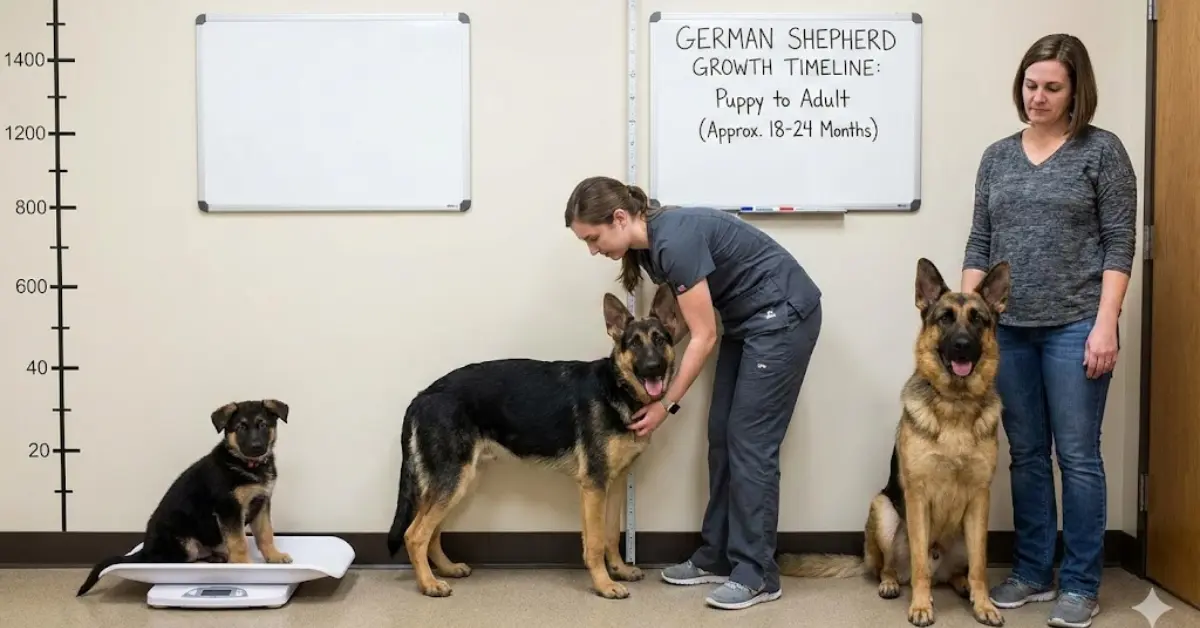
Age plays a key role in eating behavior. At 6 to 8 weeks, puppies may eat less while adjusting to solid food and new surroundings. From 8 to 12 weeks, teething pain and recent vaccinations commonly reduce appetite. Between 3 to 6 months, growth spurts can cause fluctuating hunger levels, with occasional disinterest in food.
In most healthy puppies, missing one meal or eating lightly for up to 24 hours is generally safe if behavior remains normal. Appetite loss lasting longer than a day, especially in younger puppies, should be monitored closely and may require veterinary advice.
Common Reasons a German Shepherd Puppy Refuses to Eat
When a German Shepherd puppy refuses to eat, the cause is often linked to development, diet, or temporary health changes. Puppies experience rapid physical and emotional shifts that directly affect appetite. Some reasons are harmless and short term, while others need prompt attention.
Identifying patterns such as age, recent food changes, stress, or medical events helps separate normal behavior from warning signs. Understanding these common triggers allows owners to respond correctly without panic while ensuring the puppy’s growth and health stay on track.
Teething Pain and Gum Sensitivity
Teething pain is one of the most common reasons a German Shepherd puppy not eating food during early months. German Shepherd puppies usually begin teething around 8 weeks, with peak discomfort between 3 and 6 months as adult teeth push through the gums. During this stage, gums become sore and inflamed, making chewing kibble uncomfortable.
Sore gums often reduce interest in hard food, especially dry kibble. Puppies may sniff food, walk away, or chew slowly before stopping. Appetite usually returns once discomfort eases or when softer food options are offered temporarily.
Signs of teething include excessive chewing, drooling, red gums, and biting toys or furniture. In contrast, sickness often includes lethargy, vomiting, diarrhea, or fever. If appetite loss occurs alongside normal playfulness and chewing behavior, teething is the likely cause rather than illness.
Sudden Change in Puppy Food
A sudden change in puppy food is a frequent trigger for a German Shepherd puppy not eating food. Puppies have sensitive digestive systems, and abrupt switches confuse their gut bacteria. This often leads to food refusal, mild stomach upset, or loose stools.
Texture, smell, and taste matter greatly to puppies. A new kibble may feel harder, smell unfamiliar, or taste less appealing, causing immediate rejection even if it is nutritionally balanced.
A proper 7 day food transition helps prevent refusal. Mix 75 percent old food with 25 percent new food for two days. Gradually increase the new food every two days until fully switched. This slow method supports digestion and improves acceptance.
Stress, Anxiety, or Environmental Changes
Stress is a major but often overlooked cause when a German Shepherd puppy refuses to eat. Moving to a new home is a big emotional shift. New smells, people, and routines can temporarily suppress appetite.
Separation from littermates also plays a role. Puppies are social animals, and sudden isolation can cause anxiety that affects eating habits. Loud noises, crate training, visitors, or schedule changes may further increase stress.
In these cases, appetite usually returns within a few days as the puppy feels safe. Maintaining a calm environment, predictable feeding times, and positive reassurance supports recovery.
Overfeeding Treats or Table Scraps
Overfeeding treats is a common reason a German Shepherd puppy not eating food at mealtime. Treats are calorie dense and can quickly suppress natural hunger, especially in small puppies.
Treats should make up no more than 10 percent of daily calories. Excessive rewards during training often lead puppies to hold out for tastier options instead of balanced meals.
Human foods like bread, cheese, rice, or fatty scraps can kill appetite and disrupt digestion. These foods also create picky eating habits that are hard to reverse. Consistent meal feeding with limited treats restores normal hunger cues.
Vaccination or Deworming Side Effects
Temporary appetite loss after vaccinations or deworming is common in German Shepherd puppies. The immune response can cause mild fatigue, soreness, or nausea, leading to reduced interest in food.
In most cases, appetite returns within 24 to 48 hours. Puppies usually remain alert and drink water even if they eat less.
Concern arises if appetite loss lasts longer than two days or is paired with vomiting, swelling, or extreme lethargy. In such cases, veterinary follow up is important.
Intestinal Parasites (Worms)
Intestinal parasites are a serious cause of appetite issues in puppies. Signs of worms in German Shepherd puppies include bloating, weight loss, dull coat, diarrhea, scooting, or visible worms in stool.
Parasites interfere with nutrient absorption, which can reduce appetite or cause hunger without weight gain. Puppies may eat inconsistently or refuse food due to digestive discomfort.
Veterinarians diagnose worms through stool tests and prescribe targeted deworming treatments. Regular deworming schedules are essential for healthy appetite and growth.
Digestive Upset or Food Intolerance
Digestive upset or food intolerance can cause a German Shepherd puppy not eating food consistently. While grain sensitivity is often blamed, true intolerance is more commonly linked to specific proteins or additives.
Symptoms include loose stools, gas, itching, ear infections, or repeated food refusal. These signs often appear after eating the same ingredient repeatedly.
Identifying problem ingredients requires careful observation and sometimes an elimination diet under veterinary guidance. Switching to limited ingredient puppy food often improves appetite and digestion.
Illness or Underlying Medical Conditions
Illness should always be considered when appetite loss persists. Infections such as viral or bacterial illnesses commonly reduce appetite in puppies. Congenital issues affecting digestion or metabolism can also play a role.
German Shepherd puppies are particularly sensitive due to rapid growth and developing immune systems. Skipping meals combined with lethargy, fever, vomiting, or diarrhea is not normal.
Prompt veterinary evaluation is critical to rule out medical causes and prevent complications during this vulnerable growth stage.
German Shepherd Puppy Not Eating but Acting Normal, Should You Worry?
It is common for owners to notice a German Shepherd puppy not eating but acting normal, which can be confusing and stressful. Puppies, like humans, do not have identical appetite levels every day. Growth spurts, mild teething discomfort, excitement, or minor routine changes can cause a puppy to skip a meal while remaining playful and alert.
When appetite loss is behavioral, the puppy continues to show normal energy, curiosity, and hydration. They play, respond to commands, and show interest in their surroundings. This type of appetite change is often linked to food boredom, recent treats, stress, or temporary discomfort and usually resolves on its own.
Medical appetite loss looks different. Warning signs include lethargy, hiding, vomiting, diarrhea, fever, or weight loss. Even if the puppy eats occasionally, these symptoms indicate a possible health issue that needs attention.
A puppy acting normal is generally reassuring for up to 24 hours. Missing one meal or eating lightly during this time is usually safe. If food refusal lasts beyond a day or behavior changes appear, veterinary guidance is recommended to rule out underlying problems and protect healthy development.
How Long Can a German Shepherd Puppy Go Without Eating?
How long a German Shepherd puppy can go without eating depends largely on age, health, and hydration. Young puppies have limited energy reserves and higher nutritional needs due to rapid growth, making prolonged fasting unsafe.
For puppies under 8 weeks, missing more than one meal is not recommended. At this age, consistent feeding supports blood sugar stability and brain development. Puppies 8 to 12 weeks old can usually tolerate up to 24 hours of reduced intake if they are active and drinking water. From 3 to 6 months, a healthy puppy may skip one day of food, but this should remain an exception rather than a pattern.
Water intake is more critical than food in the short term. A puppy that continues to drink water, urinate normally, and remain energetic is less likely to be in immediate danger. Dehydration, dry gums, or refusal to drink are serious warning signs.
Fasting becomes dangerous when appetite loss lasts longer than 24 hours in young puppies or 48 hours in older puppies. Immediate veterinary attention is needed if fasting is combined with lethargy, vomiting, diarrhea, or weakness.
What to Do If Your German Shepherd Puppy Won’t Eat (Step-by-Step Solutions)
When a German Shepherd puppy will not eat, structured and calm adjustments often work better than constant food changes. Puppies respond strongly to routine, environment, and sensory cues. The goal is to encourage healthy eating habits without creating dependency or stress. These step by step solutions focus on safe, vet approved methods that support appetite while protecting long term feeding behavior and nutritional balance.
Adjust the Feeding Schedule
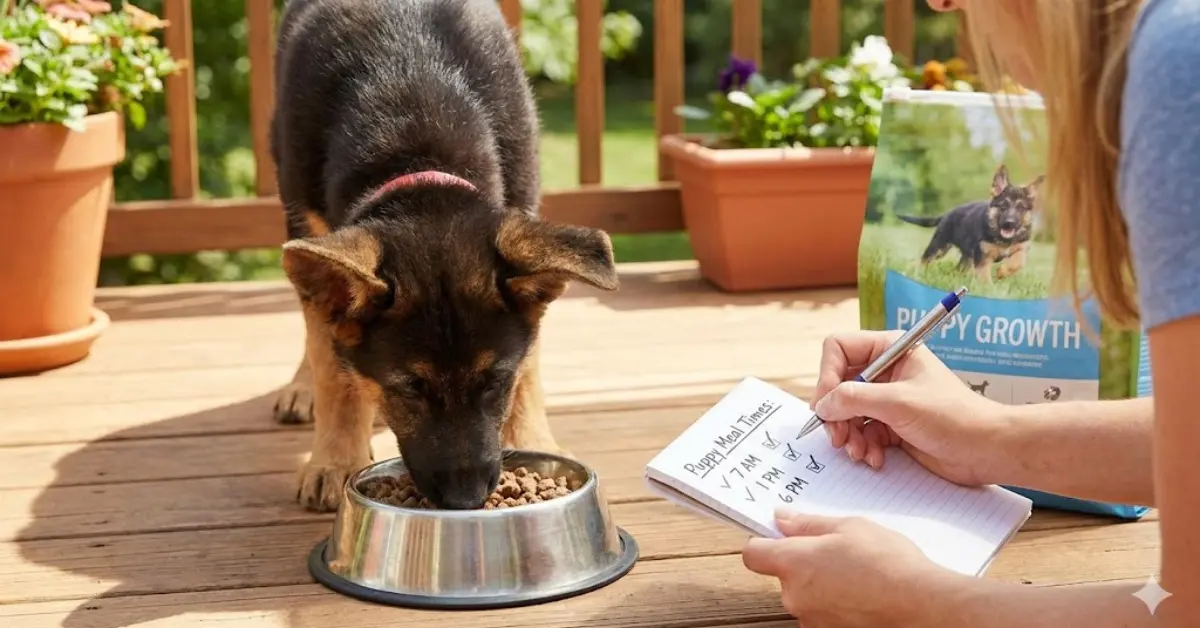
Adjusting the feeding schedule is often the first and most effective step when a German Shepherd puppy will not eat. Puppies thrive on predictability. For puppies under 3 months, feeding three to four times daily at consistent times supports digestion and appetite. From 3 to 6 months, two to three structured meals work best.
Free feeding allows food to sit out all day, which often reduces hunger signals and encourages picky behavior. Scheduled meals help puppies recognize feeding times and build a healthy appetite. Offer food for 15 to 20 minutes, then remove the bowl if uneaten. This method reinforces routine without pressure and usually improves consistency within a few days.
Improve Food Smell, Texture, and Palatability
Improving food smell and texture can help when a German Shepherd puppy not eating food due to sensory issues. Puppies rely heavily on smell, and dry kibble may seem unappealing during teething or mild stomach discomfort.
Adding warm water or low sodium bone broth enhances aroma and makes food easier to chew. Softening dry kibble safely involves soaking it for a few minutes until tender, not mushy. Mixing wet food correctly means using small portions blended evenly with kibble rather than topping, which prevents selective eating. These methods maintain nutritional balance while increasing acceptance.
Hand Feeding – When It Helps and When It Hurts
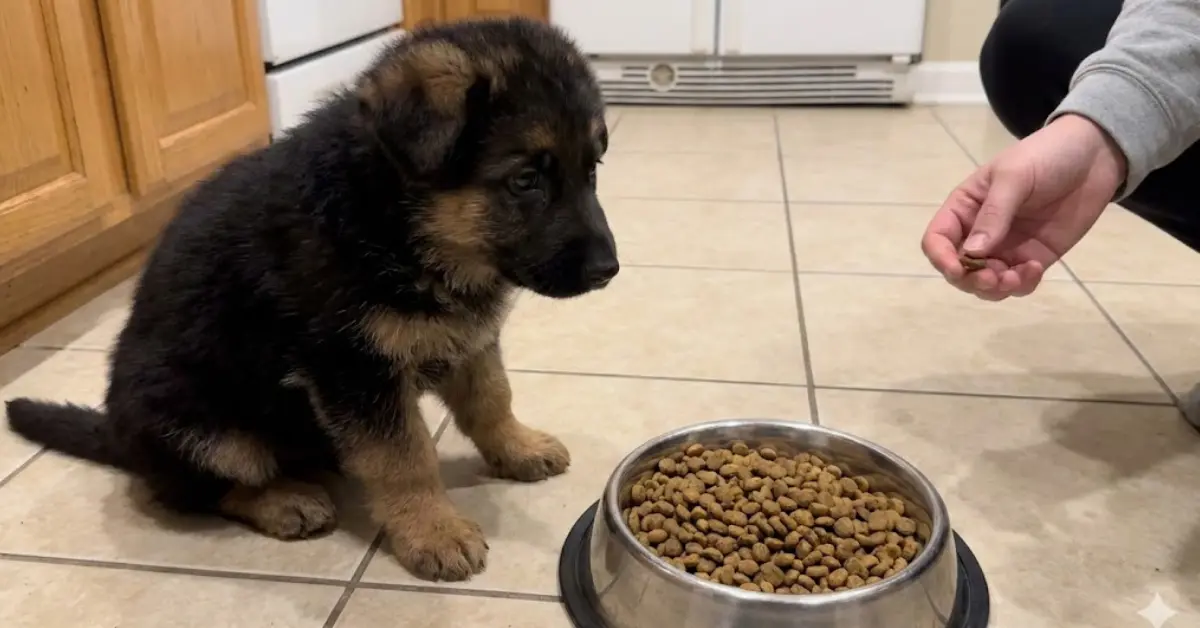
Hand feeding can help a German Shepherd puppy not eating food during short term stress, illness recovery, or early bonding stages. It can reassure anxious puppies and encourage initial interest in meals.
However, long term hand feeding creates dependency. Puppies may refuse to eat unless food is offered by hand, leading to behavioral feeding issues. Hand feeding should be used briefly, then gradually phased out by placing food back into the bowl once appetite improves.
Reduce Distractions During Mealtime
Reducing distractions supports focus and appetite. A calm feeding environment without noise, foot traffic, or other pets helps puppies feel secure. Some puppies eat better in a crate, while others prefer open space feeding. Choose the setup where the puppy appears relaxed and undisturbed. Consistency is more important than location.
Increase Physical Activity Before Meals
Physical activity naturally stimulates appetite. Age appropriate exercise such as short walks, gentle play, or basic training sessions before meals helps regulate hunger. Puppies under 3 months need light activity, while older puppies benefit from structured play. Avoid intense exercise, as overtired puppies may eat less.
Best Food for a German Shepherd Puppy That Won’t Eat
Choosing the best food for a German Shepherd puppy that will not eat requires understanding large breed nutritional needs. German Shepherd puppies need balanced protein, moderate fat, DHA for brain development, and carefully controlled calcium to support joint and bone growth. Excess calcium or overly rich formulas can suppress appetite or cause digestive upset. Kibble, wet food, and fresh diets can all work when properly balanced, but texture, smell, and digestibility often determine acceptance. The focus should always remain on complete and balanced puppy nutrition rather than short term appetite fixes.
Best Kibble Texture for Picky German Shepherd Puppies
Kibble texture plays a major role when dealing with picky German Shepherd puppies. Hard, large, or very dry kibble can be uncomfortable, especially during teething. Medium sized kibble with a softer crunch is often better tolerated and easier to chew.
Puppies tend to prefer kibble with stronger aroma and higher moisture content. Lightly hydrating kibble with warm water can improve texture without reducing nutritional value. Avoid extremely grain heavy or overly dense kibble, as these can feel heavy in the stomach and reduce appetite.
Selecting kibble specifically formulated for large breed puppies helps ensure proper protein levels, balanced fat, DHA support, and safe calcium ratios. This supports both appetite and healthy development.
Should You Switch to Wet Food Temporarily?
Switching to wet food temporarily can help a German Shepherd puppy not eating food regain interest. Wet food has stronger smell, softer texture, and higher moisture, which appeals to puppies with sore gums or mild digestive discomfort.
However, wet food should be used strategically. Mixing a small amount of wet food evenly with kibble maintains nutritional balance and prevents selective eating. Long term exclusive wet feeding can create dependency and may not provide ideal chewing stimulation.
Wet food should always meet large breed puppy nutritional standards and be introduced gradually.
Foods to Avoid That Reduce Appetite
Certain foods reduce appetite in German Shepherd puppies. Excess treats, table scraps, fatty foods, and dairy products commonly suppress hunger. Low quality fillers and artificial flavor heavy foods may also cause digestive upset.
Avoid foods with excessive calcium, sugar, or strong spices. Stick to simple, nutritionally balanced options to support appetite and long term health.
Feeding Amount & Portion Control for German Shepherd Puppies
Correct feeding amount and portion control play a major role in appetite, digestion, and long term health of German Shepherd puppies. Large breed puppies grow rapidly, but overfeeding can be just as harmful as underfeeding. Feeding amounts should always align with age, body condition, and activity level rather than guesswork.
Age based feeding charts provide a starting point. Puppies between 6 to 12 weeks typically need three to four small meals daily. From 3 to 6 months, two to three meals are ideal, with gradual portion increases as weight and activity rise. After six months, most puppies transition to two meals per day. Adjustments should be based on growth patterns, not constant hunger cues.
Signs of underfeeding include visible ribs, low energy, poor weight gain, and dull coat. Overfeeding signs include rapid weight gain, loose stools, bloating, and frequent meal refusal. Puppies that are consistently overfed often skip meals because they are not truly hungry.
Portion size directly affects appetite. Oversized portions dull hunger signals, while balanced portions encourage consistent eating and healthy digestion. Measured feeding supports steady growth and prevents joint stress in developing German Shepherd puppies.
Mistakes Owners Make When a German Shepherd Puppy Won’t Eat
When a German Shepherd puppy will not eat, well intentioned reactions can unintentionally make the problem worse. One common mistake is constantly changing food. Frequent switches prevent the puppy from adjusting, disrupt digestion, and encourage picky eating. Puppies quickly learn to wait for something new instead of accepting a balanced meal.
Overusing food toppers is another issue. While toppers improve smell and taste, using them regularly teaches puppies to expect extras. This reduces interest in plain food and creates long term feeding dependency. Toppers should be used sparingly and mixed evenly, not layered on top.
Giving extra attention when a puppy skips meals can also reinforce the behavior. Puppies associate food refusal with increased interaction, coaxing, or hand feeding. This turns a temporary appetite issue into a learned habit.
Ignoring early warning signs is the most serious mistake. Repeated meal refusal, weight changes, digestive issues, or behavior shifts should never be dismissed as normal. Early signs often point to developing health or nutritional problems.
A calm, consistent feeding routine combined with observation helps prevent these mistakes and supports healthy appetite patterns as the puppy grows.
When to Take a German Shepherd Puppy to the Vet
Knowing when to take a German Shepherd puppy to the vet for appetite loss is critical for early intervention. Puppies have limited reserves and fast metabolism, so prolonged food refusal should never be ignored. In general, not eating for 24 hours in puppies under three months is a concern, while 48 hours without food in older puppies requires veterinary evaluation even if water intake continues.
Weight loss is a major red flag. Visible ribs, a tucked abdomen, or slowed growth indicate the puppy is not meeting nutritional needs. Any sudden or unexplained weight drop warrants immediate attention.
Vomiting, diarrhea, or lethargy alongside appetite loss are urgent warning signs. These symptoms suggest infection, parasites, digestive disorders, or reactions to vaccines or medications. Puppies can decline quickly, making prompt care essential.
During the visit, veterinarians will assess hydration, body condition, temperature, and gum color. They may perform stool tests for parasites, blood work to rule out infections or metabolic issues, and review diet history. Early veterinary care helps identify treatable causes before they affect long term growth and development.
How Vets Diagnose Appetite Loss in German Shepherd Puppies
When a German Shepherd puppy shows ongoing appetite loss, veterinarians follow a structured diagnostic approach to identify the cause accurately. The process begins with a detailed physical exam. Vets assess body condition, hydration levels, gum color, temperature, and abdominal comfort. They also observe posture, energy level, and signs of pain or discomfort that may affect eating.
Stool tests are commonly performed, especially in young puppies. These tests check for intestinal parasites such as roundworms, hookworms, or giardia, which frequently cause reduced appetite and poor nutrient absorption in German Shepherd puppies.
Blood work is used when appetite loss persists or is paired with other symptoms. Basic blood panels help identify infections, inflammation, anemia, dehydration, or metabolic issues. This step is important for ruling out hidden conditions that may not be visible during a physical exam.
Diet review is a critical part of diagnosis. Veterinarians evaluate food type, portion size, feeding schedule, recent changes, and treat intake. Nutritional imbalances, excess calcium, or inappropriate food for large breed puppies can directly affect appetite. Combining these steps allows vets to determine whether the issue is behavioral, dietary, or medical and guide proper treatment.
Preventing Feeding Problems in German Shepherd Puppies
- Proper weaning practices: Puppies should be gradually weaned between four and eight weeks of age using soft, easily digestible puppy food. Slow transitions protect digestion and help puppies accept solid food without stress.
- Early feeding routines : Feed at consistent times each day in the same quiet location. Structured meal times help puppies develop clear hunger cues and reduce feeding confusion.
- Avoiding picky eater behavior : Limit frequent food changes, hand feeding, and excessive toppers. Offer meals for a set time and remove uneaten food calmly to reinforce healthy eating habits.
- Appropriate portion control : Use age appropriate portions based on growth and activity. Overfeeding often leads to skipped meals and dull appetite signals.
- Balanced large breed nutrition : Choose food formulated for large breed puppies with proper protein, fat, DHA, and controlled calcium to support joints and steady growth.
- Gradual food transitions : Any diet change should be done slowly over several days to prevent refusal and digestive upset.
- Long term appetite management : Monitor weight, energy levels, and stool quality regularly. Consistent routines, balanced nutrition, and healthy activity help maintain stable appetite patterns as the puppy matures.
Real Owner Experiences – German Shepherd Puppy Not Eating Food
Many German Shepherd owners report that their puppy not eating food often begins within the first two weeks of bringing the puppy home. Common scenarios include skipping breakfast, eating only at night, or refusing kibble while eagerly accepting treats. In most cases, puppies remain playful and alert, which adds to the confusion and concern.
One frequent situation involves puppies refusing food after a sudden diet change. Owners found that returning to the original food and following a slow transition plan helped restore appetite. Others noticed appetite loss during teething stages between three and five months. Softening kibble with warm water or offering meals after short play sessions improved eating consistency.
Stress related causes are also common. Puppies separated from littermates or adjusting to crates often skipped meals for a day or two. Owners who maintained calm routines and avoided constant food switching saw appetite return naturally within a few days.
Key lessons learned across owner experiences emphasize patience and consistency. Overreacting by adding toppers, hand feeding, or changing brands daily often made picky behavior worse. Monitoring hydration, energy levels, and stool quality proved more reliable than focusing on one missed meal.
Most owners concluded that appetite issues resolved once routines stabilized, but they also stressed the importance of seeking veterinary advice when appetite loss persisted beyond 24 to 48 hours or was paired with concerning symptoms.
Conclusion – Helping a German Shepherd Puppy Eat Normally Again
Helping a German Shepherd puppy eat normally again starts with understanding that appetite changes are often part of normal growth and adjustment. Teething, routine shifts, mild stress, or temporary discomfort can all affect eating behavior without indicating serious health issues. Patience and observation are key during these stages.
Establishing a consistent feeding routine, offering age appropriate portions, and choosing balanced large breed puppy nutrition supports healthy appetite patterns. Avoid frequent food changes, excessive treats, or attention driven feeding, as these habits can create long term picky eating behavior.
At the same time, it is important to recognize when appetite loss is not normal. Ongoing refusal to eat, weight loss, digestive symptoms, or changes in energy levels require prompt veterinary attention. Early intervention helps protect growth, joint development, and immune health during critical puppy stages.
Every German Shepherd puppy is unique, and small adjustments often make a big difference. With calm consistency, informed decisions, and timely professional care when needed, most puppies return to normal eating habits and continue to grow into strong, healthy adults.
FAQs
1. Why is my German Shepherd puppy not eating food suddenly?
Sudden appetite loss is often caused by teething, stress, routine changes, recent vaccinations, or a quick food switch. If your puppy is active and drinking water, it is usually temporary.
2. Is it normal for a German Shepherd puppy to skip meals?
Yes, skipping one meal can be normal, especially during teething or adjustment periods. Repeated meal refusal is not normal and should be monitored closely.
3. How long can a German Shepherd puppy go without eating safely?
Most healthy puppies can miss one meal or eat lightly for up to 24 hours if they are drinking water and acting normal. Longer periods require veterinary advice.
4. My German Shepherd puppy is not eating but acting normal. Should I worry?
If your puppy is playful, alert, and hydrated, it is usually not an emergency. Concern increases if appetite loss lasts beyond a day or behavior changes appear.
5. Can teething cause a German Shepherd puppy to stop eating?
Yes, sore gums during teething often reduce interest in hard kibble. This is common between three and six months of age.
6. Should I change food if my German Shepherd puppy refuses to eat?
Do not change food immediately. Frequent switches cause picky behavior. If needed, follow a slow seven day transition.
7. Do treats affect my German Shepherd puppy’s appetite?
Yes, too many treats or table scraps suppress hunger and encourage meal skipping. Treats should be limited and controlled.
8. When should I take my German Shepherd puppy to the vet for not eating?
Vet care is needed if your puppy refuses food for over 24 hours, shows weight loss, vomiting, diarrhea, lethargy, or stops drinking water.
9. What food is best for a German Shepherd puppy that will not eat?
Large breed puppy food with balanced protein, fat, DHA, and controlled calcium works best. Texture and smell also influence acceptance.
10. How can I prevent feeding problems in my German Shepherd puppy?
Use consistent feeding times, measured portions, limited treats, gradual food changes, and a calm feeding environment to support healthy eating habits.