Hip dysplasia in German Shepherd puppies is a developmental joint condition that affects how the hip socket forms, potentially leading to pain, limping, and reduced mobility as a dog grows. Because German Shepherds grow rapidly during puppyhood, this condition can begin developing long before obvious symptoms appear.
Hip dysplasia does not develop overnight and is rarely caused by a single factor. Genetics, rapid growth, nutrition, exercise habits, and even slippery flooring can all influence how a puppy’s hip joints form. Small imbalances during the early growth stages may increase the risk of long-term joint problems.
Early awareness gives owners a critical advantage. Recognizing subtle changes in movement, understanding risk factors, and knowing when to seek veterinary guidance can help reduce long-term joint damage. With informed care and timely intervention, many puppies with hip dysplasia can still grow into active, comfortable adult dogs.
This article is for educational purposes only and does not replace professional veterinary advice. Always consult a licensed veterinarian for diagnosis or treatment.
What Is Hip Dysplasia in German Shepherd Puppies?
Hip dysplasia is a developmental condition that affects how the hip joint forms and functions as a dog grows. In German Shepherds, the hip joint may develop with a loose or imperfect fit between the ball (femoral head) and the socket (hip acetabulum). Over time, this instability can place abnormal stress on the joint, leading to discomfort and reduced mobility.
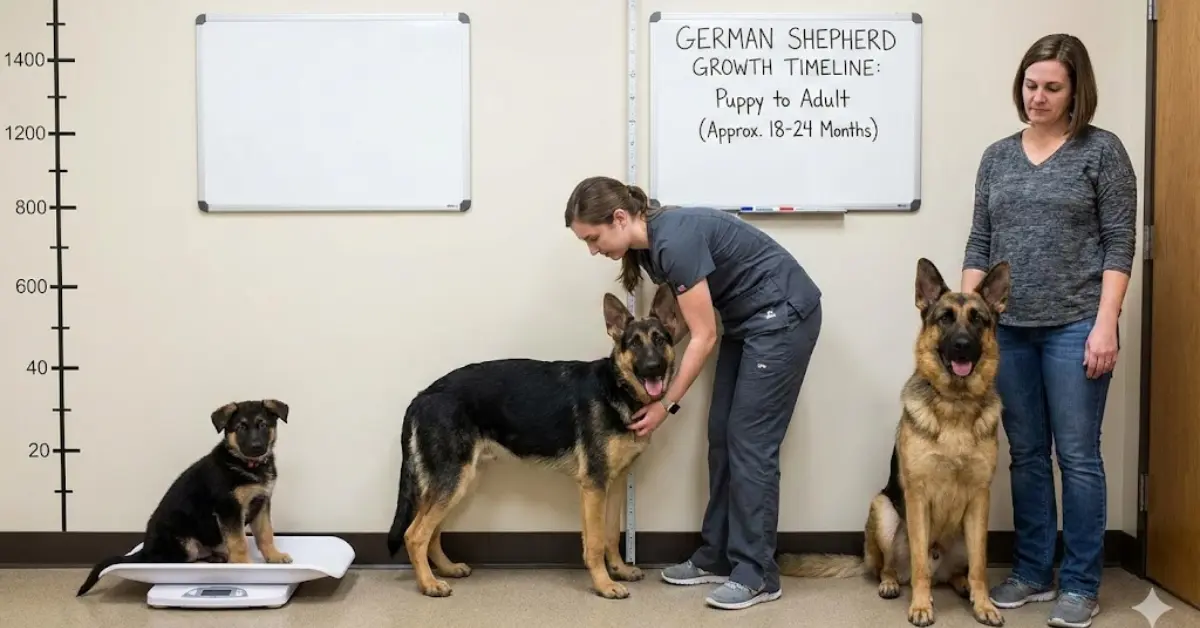
For first-time owners, it is important to understand that hip dysplasia is not a sudden injury. It develops gradually, often beginning during the puppy’s growth phase. A puppy may appear healthy and energetic while subtle joint changes are already taking place beneath the surface. This is why early knowledge of the condition matters, even before obvious symptoms appear.
German Shepherds are considered a high-risk breed largely due to inherited traits. However, genetics alone do not determine outcomes. Growth speed, body weight, nutrition, exercise intensity, and environmental factors all play a role in how the hips mature. Puppies that grow very quickly or carry excess weight may place additional strain on developing joints.
The hip joint is designed to function smoothly when the ball and socket align properly. When alignment is poor, movement can become uneven. Over time, this may cause cartilage wear and inflammation, which can affect comfort and movement quality. The process varies from dog to dog, and progression is not the same in every case.
Hip dysplasia can influence everyday activities that owners often take for granted, such as rising from rest, climbing stairs, or maintaining balance during play. Changes may be subtle at first and are sometimes mistaken for normal clumsiness in young dogs.
Factors that commonly influence hip development include:
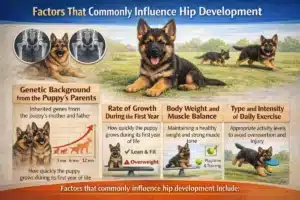
- Genetic background from parent dogs
- Rate of growth during the first year
- Body weight and muscle balance
- Type and intensity of daily exercise
Understanding this condition does not mean expecting problems, but rather being prepared. When owners recognize how hip dysplasia develops and what contributes to it, they are better equipped to make informed decisions about diet, activity levels, and veterinary checkups. This foundational awareness supports healthier growth and more confident long-term care for German Shepherds.
Warning Signs of Hip Dysplasia in Puppies
Hip dysplasia in puppies can be challenging to recognize early, as the signs are often mild and may come and go. Many young dogs remain playful and energetic, which can make subtle changes easy to overlook. For this reason, owners are encouraged to pay close attention to how their puppy moves, rests, and responds to everyday activities.

One of the earliest clues may be changes in gait. A puppy may appear slightly unsteady when walking or show a brief hesitation before running or jumping. These moments can seem harmless at first, but repeated patterns may suggest developing joint discomfort rather than simple clumsiness.
Puppies affected by early hip issues may also rest differently. Some prefer to sit with one leg extended to the side or avoid lying in positions that put pressure on the hips. After naps or longer periods of rest, stiffness may be noticeable for a short time before movement improves.
Behavioral changes can be just as important as physical ones. A puppy that once enjoyed play may become less enthusiastic about activities that involve climbing, chasing, or sudden turns. These shifts are not always dramatic and can easily be mistaken for fatigue or personality changes.
Common observable signs that may be associated with developing hip dysplasia symptoms include:
- Difficulty standing up from a sitting or lying position
- A “bunny hopping” motion when running
- Reduced willingness to climb stairs or jump
- Occasional limping or uneven weight distribution
- Swaying of the rear end while walking
- Sensitivity when the hips are touched or handled
In some puppies, muscle development around the hind legs may appear uneven. One side may look less toned, which can reflect reduced use rather than natural growth differences. Over time, this imbalance can affect posture and coordination.
It is also worth noting that symptoms can fluctuate. A puppy may appear comfortable one day and more hesitant the next, especially after intense play or rapid growth spurts. This inconsistency often leads owners to delay seeking advice.
While none of these signs confirm a diagnosis on their own, patterns and persistence matter. Observing changes early and discussing them with a veterinarian allows for better monitoring and informed decision-making. Careful attention during puppyhood can help owners respond proactively and support healthier joint development as the dog grows.
When to See a Veterinarian
- Persistent limping or stiffness
- Difficulty standing or walking
- Pain reactions when hips are touched
- Sudden decrease in activity
- Repeated gait changes over several days
How Hip Dysplasia Is Diagnosed
Diagnosing hip dysplasia in German Shepherd puppies requires professional veterinary evaluation rather than observation alone. While owners often notice early changes in movement or posture, these signs do not confirm a diagnosis on their own. A veterinarian uses a combination of physical examination, medical history, and diagnostic imaging to assess hip joint development accurately.
During an initial exam, the veterinarian will observe how the puppy walks, stands, and sits. Gait patterns, balance, and weight distribution can provide useful clues about joint stability. The hips may also be gently palpated to check for discomfort, reduced range of motion, or looseness within the joint. In young puppies, joint laxity may be present even before pain becomes obvious.
Diagnostic imaging plays a key role in confirmation. X-rays allow veterinarians to evaluate the shape of the hip socket, the position of the femoral head, and how well the joint components fit together. Because puppies are still growing, imaging results are interpreted carefully and in context with age and development stage. In some cases, mild changes may simply require monitoring rather than immediate intervention.
For puppies with ongoing symptoms or higher risk factors, veterinarians may recommend follow-up evaluations as the dog grows. Hip development can change over time, and repeat assessments help track progression and guide care decisions. Early identification does not always mean severe disease, but it allows for informed planning and supportive management during critical growth periods.
It is important for owners to avoid attempting to diagnose hip dysplasia at home. While early awareness is valuable, only a veterinarian can determine whether joint changes are present and whether they require treatment or monitoring. Prompt professional evaluation ensures that puppies receive appropriate guidance based on their individual development, rather than assumptions based on appearance alone.
Hip Dysplasia Causes in Puppies
Hip dysplasia in puppies develops through a combination of inherited and environmental influences rather than a single trigger. Understanding these contributing factors helps owners make informed choices during critical growth stages without assuming the condition is unavoidable.
Genetic Influence
Genetics play a significant role in hip development. Puppies born to parents with poor hip structure may inherit traits that affect how the hip joint forms. This does not mean every puppy from such lines will develop problems, but the risk may be higher. Responsible breeding practices aim to reduce this likelihood, though genetics alone do not determine outcomes.
Rapid Growth and Body Development
The first year of a puppy’s life is marked by fast skeletal growth. When bones grow quickly but supporting muscles and ligaments lag behind, joint stability can be affected. Large-breed puppies, including German Shepherds, are especially sensitive to this imbalance. Excess weight during growth may further increase stress on developing hips.
Exercise and Physical Activity
Exercise is essential for healthy development, but type and intensity matter. High-impact activities performed too early can place strain on immature joints. Repeated jumping, long runs on hard surfaces, or rough play during growth spurts may contribute to joint stress. Balanced, age-appropriate movement supports muscle strength without overloading the hips.
Environmental Factors
A puppy’s daily environment can influence joint development in subtle ways. Slippery floors may cause repeated minor slips, forcing the hips into awkward positions. Limited traction during movement can increase strain on the joints over time. Providing stable footing and controlled spaces for play may reduce unnecessary stress.
Several causes often work together rather than independently:
- Inherited hip structure from parent dogs
- Rapid growth combined with excess body weight
- Inappropriate exercise during early development
- Environmental stressors such as slippery surfaces
Nutrition and Feeding Practices
Diet quality and portion control are also relevant. Overfeeding or high-calorie diets designed for rapid growth may unintentionally accelerate bone development. Balanced nutrition tailored for large-breed puppies supports steady growth and joint health rather than speed.
Hip dysplasia does not result from a single mistake or short-term event. It develops gradually as multiple factors interact over time. By understanding how genetics, growth patterns, exercise habits, and environment influence hip development, owners can focus on supportive care choices that encourage healthier movement and long-term comfort during a puppy’s formative months.
Hip Dysplasia Treatment for Puppies
Treatment for hip dysplasia in puppies is not one-size-fits-all. The appropriate approach often depends on the puppy’s age, severity of joint changes, activity level, and overall health. In most cases, a veterinarian will recommend a step-by-step plan that begins conservatively and adjusts as the puppy grows.
For many young dogs, non-surgical management is the first line of care. This approach focuses on supporting joint development, reducing unnecessary strain, and improving comfort during movement. Puppies with mild or early signs may respond well to lifestyle adjustments made under veterinary supervision.
Common non-surgical strategies may include controlled activity rather than unrestricted exercise. Instead of intense play or repetitive jumping, puppies are often encouraged to engage in low-impact movement that supports muscle development without stressing the hips. Maintaining a healthy body condition is also important, as excess weight can place additional pressure on developing joints.
Veterinarians may also recommend supportive therapies as part of a broader care plan. These can vary based on individual needs and may evolve as the puppy matures. Regular follow-ups allow progress to be monitored and adjustments to be made when necessary.
In cases where joint instability is more advanced or symptoms persist despite conservative care, surgical options may be discussed. Surgery is typically considered carefully and only after diagnostic imaging and professional evaluation. The goal of surgical intervention is to improve joint function, reduce discomfort, and support long-term mobility.
There are different surgical procedures available, and suitability depends on factors such as the puppy’s age and stage of development. Some procedures are designed specifically for young dogs whose bones are still forming, while others may be considered later if joint changes progress. A veterinarian or veterinary orthopedic specialist will explain potential benefits, limitations, and recovery considerations before any decision is made.
Regardless of the treatment path, ongoing veterinary guidance remains essential. Puppies change quickly, and what is appropriate at one stage may need revision later. Owners play a key role by observing movement, following professional recommendations, and maintaining open communication with their veterinarian.
Hip dysplasia treatment is not about immediate fixes, but about long-term management and quality of life. With early evaluation, informed decisions, and consistent care, many puppies can remain active and comfortable as they grow, even when hip development requires closer attention.
Prevention of German Shepherd Hip Dysplasia
Preventing hip dysplasia in German Shepherds is best approached with realistic expectations. While no method can completely eliminate risk, thoughtful decisions during puppyhood can support healthier hip development and reduce avoidable strain on growing joints. Prevention is about managing controllable factors rather than seeking absolute certainty.
Responsible breeding is an important starting point. Reputable breeders prioritize hip health by selecting parent dogs with good joint structure and documented evaluations. This does not guarantee outcomes, but it helps lower inherited risk. Prospective owners benefit from asking informed questions and choosing breeders who are transparent about health practices.
Once a puppy comes home, daily care plays a significant role. Growth management is especially important during the first year, when bones and joints are still forming. Allowing steady, balanced growth rather than rapid weight gain helps reduce unnecessary pressure on the hips. Nutrition plans are most effective when guided by a veterinarian and tailored for large-breed puppies.
Exercise should support development without overloading immature joints. Puppies need movement, but repetitive high-impact activities can add stress during critical growth stages. Controlled play and age-appropriate activity encourage muscle strength while protecting joint alignment.
The home environment is another often-overlooked factor. Slippery floors may cause repeated minor slips that affect joint positioning over time. Creating stable walking and play surfaces can help reduce this risk, especially during early months when coordination is still developing.
Practical prevention-focused steps owners can consider include:
- Choosing a breeder who prioritizes hip health screening
- Maintaining steady, healthy growth rather than rapid weight gain
- Providing controlled, low-impact exercise during puppyhood
- Ensuring good footing on floors and play areas
- Scheduling regular veterinary checkups during growth phases
Early monitoring also plays a preventive role. Routine veterinary visits allow subtle changes in movement or posture to be noticed sooner. This does not mean expecting problems, but rather staying informed as the puppy grows and matures.
Prevention is most effective when viewed as a long-term approach rather than a single action. By combining responsible breeding choices, supportive home care, appropriate activity, and professional guidance, owners can create an environment that encourages stronger joint development. These efforts may not eliminate risk entirely, but they can positively influence comfort, mobility, and overall quality of life as a German Shepherd grows into adulthood.
Conclusion
Raising a German Shepherd puppy comes with both excitement and responsibility, especially when it comes to long-term joint health. Staying informed, observant, and proactive allows owners to respond to changes early rather than feeling caught off guard later. Hip development is influenced by many factors, and thoughtful care during the growth stage can make a meaningful difference over time.
By working closely with a veterinarian, providing a supportive home environment, and making balanced choices around nutrition and activity, owners can help their puppies grow with confidence. Awareness is not about expecting problems, but about being prepared. With patience and responsible care, many German Shepherds can enjoy comfortable movement and an active, fulfilling life as they mature.
FAQs
1. At what age can hip issues begin to develop in puppies?
Hip joint changes can begin forming during early growth, often within the first few months. Puppies may not show obvious signs right away, which is why monitoring movement and posture during growth stages is important.
2. Can a puppy appear normal but still have developing hip problems?
Yes. Many puppies remain active and playful even when early joint changes are present. Subtle signs may only appear during specific movements or after rest, making early awareness helpful for owners.
3. Are large-breed puppies more prone to joint development concerns?
Large and fast-growing breeds tend to place more stress on developing joints. Growth rate, body weight, and muscle balance all influence how joints mature during puppyhood.
4. Does exercise help or worsen hip development in young dogs?
Appropriate exercise supports muscle strength and coordination. However, high-impact or repetitive activities during early growth can increase joint stress, so balance and moderation are important.
5. How does flooring at home affect a puppy’s hips?
Slippery surfaces may cause repeated minor slips that affect joint positioning over time. Providing good traction in play and walking areas can support more stable movement during growth.
6. Is hip dysplasia always inherited from the parents?
Genetics influence risk, but inheritance alone does not determine outcomes. Environmental factors, nutrition, growth speed, and daily activity all interact with genetic predisposition.
7. When should owners talk to a veterinarian about movement concerns?
Any repeated stiffness, gait changes, or reluctance to move normally is worth discussing. Early conversations allow for monitoring and guidance without assuming a serious issue.
8. Can puppies with early joint concerns still live active lives?
Many puppies with monitored joint development grow into active adult dogs. With informed care, appropriate activity, and veterinary guidance, long-term comfort and mobility can often be supported.