Table of Contents
ToggleFast Changing Start With Your German Shepherd Puppy
Out of nowhere, a German Shepherd pup fills your house with energy, noise, eye contact that sticks. Fast almost too fast the tiny shape shifts: one morning short on legs, next day stretching like something uncoiling. Paws look oversized overnight. A collar slips loose by Tuesday. Ears twitch upward, flop sideways, then climb again days later. Change hits so quick it feels unreal. First time handlers pause mid thought, wondering under their breath is this really how it’s supposed to go?
Why Growth Can Feel Confusing
Worry tends to show up early. Does your pup seem smaller than expected? Maybe they appear lanky, stocky, or simply out of proportion. Growth can feel confusing when you’re watching day by day. Sometimes it’s hard to tell if things are on track. Most folks wonder about this, particularly when raising a big dog built for fast changes. A tool like a German Shepherd puppy growth chart helps here less about strict rules, more about seeing how things line up over time.
Years of raising German Shepherds reveal a messy truth: progress isn’t steady. Sudden leaps forward give way to quiet halts without warning. Watch two pups from the same litter differences jump out, despite identical meals and attention. Spotting these rhythms eases tension, keeps hands off extra feeding or powders. What looks like lag might just be rest before the next climb.
Understanding the Growth Journey
Picture this: each week, then each month, unfolding just how a German Shepherd pup grows muscles firming, paws enlarging, ears shifting position. Changes appear slowly at first, some pups ahead, others taking their time, none exactly alike. Watch closely, yet stay relaxed; differences often fall within usual bounds. Moments arise where pace slows or skips a head tilt lasting days, weight plateauing that might prompt a vet call. Think of these pages like steady ground underfoot while your little furball stumbles toward boldness. Growth isn’t raced; it unfolds.
German Shepherd Puppy Growth Overview
Half a season passes. Weight shifts between seven and nine kilos. A small window of change appears
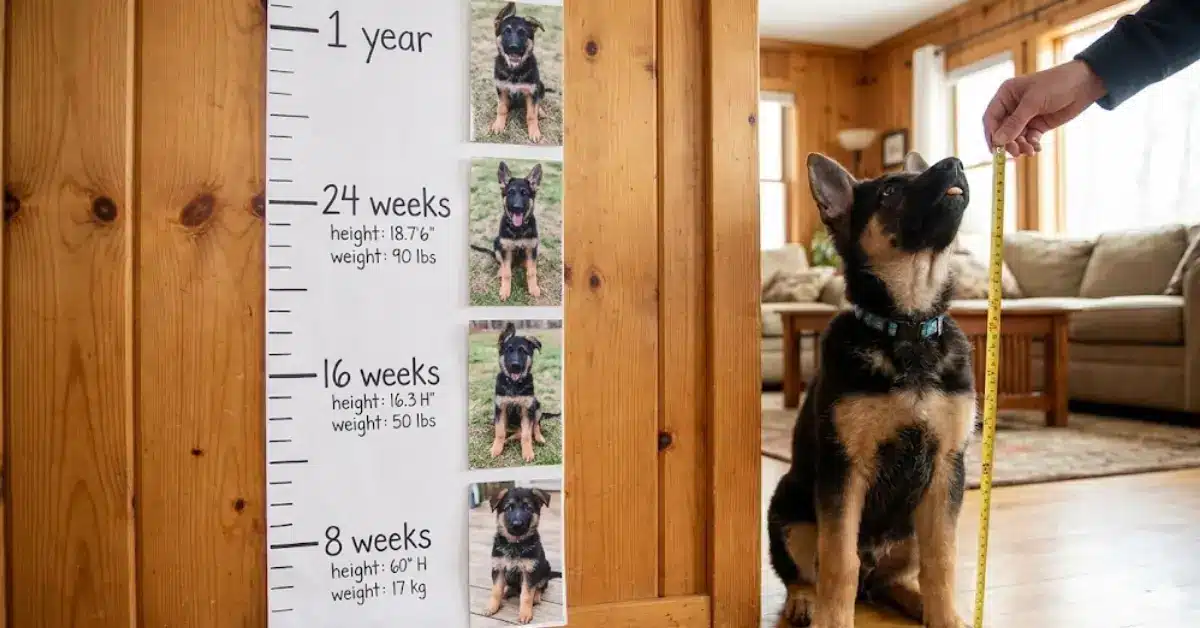
3 months: ~10–15 kg
Half a year in, weight ranges between twenty and thirty kilograms
A year old brings weights near 30 to 40 kilograms for boys. Girls at that age tip the scale around 22 to 32 kilos
Keep in mind, these numbers are just typical. A puppy can be healthy even if outside the range.
Growth Progress Timeline
Newborns grow fast right away, relying completely on their mother while putting on pounds each day
By week three or four, growth becomes clear. Strength builds in the legs around this time. Better balance shows up as stance adjusts. Changes arrive quietly but they are there
By week six to eight, growth picks up speed. The form stretches out gradually now. Changes in shape begin subtly here. Length increases become more obvious during this phase
By two or three months, legs begin stretching fast; feet look too large for the rest. A few weeks more and the shift shows clearly body catching up slow
Legs start growing fast between three and six months. Then, the chest begins to widen soon after. Muscle gains show up last in this stage
Baby’s growth takes a gentler turn around six to nine months. Shape shifts now less stretch, more roundness settling in. Height gains ease up while chubby limbs start showing. The frame widens instead of shooting upward
Becoming close to full height around nine to twelve months. Body keeps refining strength and form beyond that point. Growth doesn’t stop even when stature seems set. Changes shift subtly into background work bones firm up, muscles define further
Most grown men weigh around 30 to 40 kilograms
Typical adult weight (female): ~22–32 kg
Some German Shepherd pups grow faster than others. That is normal. Size differences happen even when health is good. Genes play a role. So does food quality. Growth patterns change from dog to dog. What matters most is steady progress. A pup might be bigger or smaller than average. This can still fit within healthy limits. Watch how it develops over time. Not every puppy hits the same marks at once.
German Shepherd Puppy Growth Stages Explained
1. From Birth to Eight Weeks
Right now, things grow fast though it does not show much on the outside. Shape comes later than what’s building inside. Joints stay flexible, movement feels clumsy, strength hasn’t arrived yet. Underneath, wiring of nerves sparks up along with first hints of motion control.
Right off the bat, those new to dog ownership tend to see fast changes in young pups suddenly their eyes snap open, wobbly steps appear overnight. Often, newcomers stress when spotting slight builds, shaky legs, or size below what they thought was normal for the type. Tiny movements carry big meaning here.
Most pups act this way. Puppies around this stage aren’t built to appear powerful or sleek. Clumsy steps, bloated stomachs, yet wobbly stances fit right into young growth patterns.
Most people think a bigger baby means a larger grown up fish. That idea often leads them down the wrong path. Feeding too much too soon tends to backfire later on. Growth pushed by extra food may look good at first glance yet bones pay the price. Supplements added early disrupt what happens naturally inside the body. The animal’s frame develops best without outside help rushing things along.
2. Rapid Structural Growth 2 to 6 Months
A sudden spurt takes hold here. Limbs stretch fast while the torso slowly broadens, giving a gangly look. Bones shoot ahead of muscles, so some pups seem awkward or slim. Height rises sharply just before body fills out.
One moment everything fits just right. Then, without warning, collars dig in overnight. Limbs stretch out like they’re racing ahead of the rest. Paws appear too big, almost clumsy. Worries creep in fast maybe the pup isn’t gaining enough. Sometimes it feels like growth happens while you blink.
Most of the time, things just shoot up at odd times. Puppies like German Shepherds lurch forward in chunks, never a steady climb. Tallness shows first, while bulk tags behind. Balance gets better bit by bit, though it stumbles along the way.
Some people see a lean frame and react by pouring more into the bowl. When bones are stretching fast, extra calories add pressure where it’s not needed. Bigger meals might mean heavier loads on fragile joints. That kind of strain has no real benefit. Pushing portion sizes rarely helps structure grow stronger.
3. Adolescent Growth Phase 6 to 12 Months
Not growing as fast now, though shifts still happen beneath the surface. Taller? Less so instead, muscles firm up, ribs widen, bones settle into shape. Moods shift too, quietly shaped by hormones underneath it all.
Now here’s when things shift the pup doesn’t fit its own frame quite right. Some days burst with motion, others drag slow. Limbs might look too long one week, just odd the next. It’s normal to wonder if something stopped growing before it should have.
Most German Shepherds grow close to their full height now, yet remain lean. It happens naturally, part of shifting into adulthood slowly.
Most people think their pup has stopped getting bigger when it hasn’t really finished yet. Switching to grown up food or activities too soon can cause problems later on. Bones keep changing long after a dog looks full sized. Waiting just makes more sense than rushing into new habits.
4. Full Maturation Phase 12 to 24 Months
Now growth you can see begins to ease. Instead of gaining height, the frame adds width. Muscle builds up slowly over time. Broadening happens across the shoulders. Balance settles into how everything fits together. Strength becomes clear only once maturity arrives. Presence shows most at this stage.
Some owners grow unsure when progress seems slow, questioning whether a problem exists or if their pup will reach full size. Still others compare their dog’s slim frame to bulkier adults spotted online or on walks.
Most of the time, that’s just how it goes. These dogs take their time growing up, so reaching full size usually stretches past twelve months, sometimes even longer.
Most people jump into tough workouts too soon, thinking their body has fully grown. Yet giving it time means bones and tissues can mature without harm.
German Shepherd Puppy Growth Chart (Birth to 12 Weeks)
The first twelve weeks of a German Shepherd puppy’s life lay the foundation for everything that follows—bone strength, digestion, immunity, and long-term growth patterns. During this stage, consistency in nutrition, warmth, and care matters far more than hitting exact numbers. Early growth should be viewed as a general trend, not a test your puppy must pass each week.
German Shepherd Puppy Weight Chart (Week-by-Week)
|
Age |
Average Weight Range |
| Birth |
0.4 – 0.6 kg |
|
1 week |
0.7 – 0.9 kg |
| 2 weeks |
1.1 – 1.4 kg |
|
3 weeks |
1.8 – 2.3 kg |
| 4 weeks |
2.5 – 3.6 kg |
|
5 weeks |
3.6 – 4.5 kg |
| 6 weeks |
4.5 – 5.9 kg |
|
7 weeks |
5.9 – 7.3 kg |
| 8 weeks |
7.3 – 9.1 kg |
| 9 weeks |
8.6 – 10.9 kg |
|
10 weeks |
10.0 – 12.7 kg |
| 11 weeks |
11.3 – 14.5 kg |
| 12 weeks |
12.7 – 16.3 kg |
Ranges reflect healthy averages; individual puppies may fall outside them and still be developing normally.
Early Growth What to Expect
Week by week, young dogs grow at a steady pace though not always evenly. Brief lulls tend to match shifts in their development instead of signaling trouble.
Puppies often pause in growth when shifting from milk to solid meals. Because their bodies focus on mastering new skills, moving around, exploring surroundings growth slows while digestion adapts. Weight might stall briefly during this phase, simply due to internal shifts.
Litter size shapes how fast puppies grow at first. From big litters, pups tend to put on weight slower; in contrast, small litter pups look chunkier sooner. Over weeks, most of these gaps fade away.
A pup that does not put on weight week after week might be heading into trouble. Weakness you can see often signals something deeper going on. Trouble latching or eating stands out when others in the litter feed without issue. Lethargy, especially next to active siblings, raises red flags fast. When these signs pile up, a vet check makes sense better sooner than later. Guessing at fixes at home could miss serious causes hiding underneath. Nutritional gaps, parasites, or problems present at birth need professional eyes.
German Shepherd Puppy Growth Every Month From 3 to 12 Months
Three Month Old German Shepherd Puppy Development
Puppies of this breed often hit the 10–15 kg mark by month three. Now you can actually see how they stretch taller and longer less about thickness, more about frame.
Surprisingly energetic one minute, then curled up sound asleep the next this shift catches many off guard. A lean frame shows through, with legs that seem too long, ribs faintly outlined beneath thin fur. Curiosity drives them into every corner, sniffing, pouncing, investigating shadows. After all that motion, stillness takes over fast, like a switch flipped. Some wonder if it’s normal, seeing how little they fill out at times. Muscle stays tight along their sides, never quite filling the space people expect. Quiet moments stretch longer than expected once exhaustion sets in.
This look happens often. Bones grow quicker than muscles right now. Instead of pushing food to add bulk, stick to regular meals and calm guidance. Each pup takes shape differently, since genes and life in the first weeks play big roles. Watching other puppies might confuse more than help.
Weight of a 4 month old german shepherd
Most German Shepherd pups weigh between 15 and 20 kilos by the time they hit four months. Sudden growth surges can make them look much bigger almost overnight.
Puppies chew more when their teeth come in, which can make them seem always on the move. Hunger spikes stand out at this stage, catching many owners off guard. A thin appearance sometimes causes concern, even if it’s normal. Energy levels stay high, feeding into restless moments throughout the day.
Most things seem off because balance isn’t typical right now. Legs grow fast while the torso lags behind just as muscles take their time too. Hunger comes in waves when bodies stretch suddenly. Feeding amounts should never depend on what another pup eats since siblings might appear nothing alike these weeks.
5 to 6 months rapid growth body changes
Half a year old, babies often weigh anywhere from twenty to thirty kilograms. Growth spikes happen without warning during these weeks.
Clumsy feet often catch the eye first big paws dragging behind like they’re too heavy. Legs grow faster than the rest, making movement seem off balance at times. The whole frame starts looking loose, almost like it hasn’t caught up with itself yet. Sudden bursts of motion come out of nowhere, energy flashing without warning. Moods shift along with strength, actions bolder now that self assurance creeps in.
Some folks fret when their pup seems to grow fast, almost like it’s stumbling through its own legs. Bones stretch sudden like during these times, putting stress on joints normal stuff though. Instead of a steady climb upward, development jumps forward in bursts. Watching two pups side by side might stir concern, even if both are fine each one moves at its own pace.
Seven to Nine Months The Puppy Awkward Stage
Most German Shepherds sit between 25 and 35 kilograms by the time they hit seven to nine months. Growth in height doesn’t race ahead like before, yet their build starts settling into shape. Their legs may seem long at first, still matching a changing structure.
Some days feel unpredictable when the dog acts restless. It might stand awkward, narrow through the middle, limbs growing faster than the rest. Hunger stays steady now, yet it pushes limits just to see what happens. Patience gets pulled in different directions without warning.
Some pups stand awkward at this age. Their legs grow faster than their strength catches up. Owners sometimes frown seeing wobbly steps instead of smooth motion. Truth is, balance often slips before it settles. Photos online show polished adults, not clumsy teens. Watching a young dog stumble does not mean something went wrong. Growth takes its own route, never matching pictures.
10 to 12 Months Near Adult Size
Close to a year old, many German Shepherds weigh between 30 and 40 kilograms nearly grown, yet still filling out. While height stabilizes around then, muscle and bulk keep developing beyond that point. Some take extra months before they fully settle into their frame. Growth slows by eleven months, but changes continue under the surface. Size may look complete, even when internal systems aren’t quite finished.
Most owners see a quieter vibe, better movement, smoother shape despite the slender look. Worries tend to turn toward early growth plate closure or potential for future filling in.
Most dogs grow like this. Even when height stops changing, muscles and chest keep growing past twelve months. Puppies the same age might look different because bodies finish maturing later. German Shepherds often take until twenty four months to reach their full shape.
Right now, waiting quietly beats measuring against others. Stick to daily habits that feel right, move in ways that suit you, give time for growth without pushing. The body unfolds best when left to find its rhythm.
Male and Female German Shepherd Puppies Growing Differently
Female German Shepherd growth stages
Most female German Shepherds build lighter bodies, maturing faster than their male counterparts. Coming into full size ahead of schedule, they settle in height and bone structure early on then slowly gain strength through added muscle. Often looking well proportioned before long, it may seem like they’ve finished growing when still quite young.
Most times, owners see girls grow up faster body and actions alike. Because they mature quicker, some worry their young female isn’t as big or tough as a male pup the same age.
Most girls carry less body mass simply because their frames are smaller by design. Reaching milestones faster doesn’t mean fragile structure or lower potential. Often, young women stabilize physically and mentally ahead of schedule this timing often helps them adapt better to practice demands and everyday tasks.
Truth is, tiny doesn’t mean weak or worn out. Actually, a strong female German Shepherd might match her male counterpart in stamina and skill just packed into a leaner build.
Male German Shepherd growth stages
Starting strong doesn’t mean finishing first male German Shepherds tend to keep filling out long after their initial height spurt. Their bodies add bulk slowly, with shoulders widening and muscles building past what many expect. Late growth shows up most in chest depth, bone thickness, strength gains appearing months beyond female peers. Size differences become obvious only when maturity finally settles in.
Most of the time, boys just take their sweet time growing into themselves lanky, lean, kind of stretched out. It happens so slowly some folks start wondering if something’s off with how they’re developing.
Most guys go through this. Growth kicks off with bones stretching tall before muscles catch up. That delay makes it seem like they’re lagging behind, but really their development runs on track. Being lanky early doesn’t mean something’s wrong.
Most people think large size automatically brings strength or health. Yet fast gains in bulk rarely lead to real progress. Over time, steady increase builds tougher tendons and bones. When males grow slowly, their bodies adapt with greater balance later on.
Sex Based Growth Differences
Most girl pups grow up faster, then stop changing early. Boy dogs keep growing longer, slowly rounding into their size. Genes and body chemistry drive this gap nothing to do with how well they’re fed or cared for. Measuring one against the other stirs stress that doesn’t belong. Every puppy moves along its own path; fairer to watch progress alone, not beside a different kind.
Working Line versus Show Line German Shepherd Development
Czech and Working Line German Shepherd Growth Differences
Young dogs built for work grow long and light, shaped by purpose. Not thick or massive, but stretched tight like wire. Czech bloodlines push speed through bones that stretch slow, mature late. Instead of bulk, they carry sinew tough tendons pulled taut under skin. DDR roots favor stamina over size, every limb tuned sharp. Frame stays narrow, movement fluid, built to last far beyond first sprint. Muscle fits close, never bloated, always ready.
Some owners spot a leaner frame early on in working line pups, particularly while they’re hitting their teenage months. Their ribcage might seem tighter, hips sharper, muscle gain lagging when set beside show types. It’s common for people to then wonder if the young dog is too thin or simply falling short on development.
Bodies built for work focus on strong muscles, steady joints, sturdy movement bulk takes a back seat. Progress shows slowly, only standing out once balance and power grow together. Less body fat while maturing helps quick steps, nimble shifts, lasting health not lack of food. Shape changes follow function, never forced into showy size.
Most folks miss this: shaping a working line pup like a show dog often backfires. Feeding too much or rushing growth harms joints slowly. These animals were built to move sharply, not just fill out fast.
Show Line German Shepherd Growth Traits
Most show line German Shepherds take shape with looks and build in mind, shaped by strict breed standards. A wider chest tends to show up early, setting them apart before they reach full size. Heavier bones come through as they age, adding weight that’s noticeable over time. Fullness appears sooner than usual especially halfway into their growing phase.
Surprisingly broad, young show line pups often gain mass early. While height rises, so does thickness across the chest. These changes might look like quicker growth when set beside working types at identical ages. Maturity seems ahead, yet it’s mostly build shaping perception. Bulk arrives first, fooling some into thinking development runs faster. Still, timing stays close; structure just shows up differently.
Most of the time, this looks unusual but it is normal. The outer shape develops based on breed purpose rather than long term durability. Instead of waiting years, size shows up faster even if full maturity is still ahead. Appearance moves quicker than internal development.
Some think big pups must mean strong pups. Truth is, lean ones grow correctly too when bred for that structure. Health looks different depending on purpose. Matching expectations to the breed’s role matters more than comparing types.
Line Based Growth Variances Explained
Lean frames come naturally to working line German Shepherds, while show line dogs carry more weight and broader appearance. These differences come from genetics and breeding goals, not diet or upbringing. Understanding lineage makes expectations clearer and reduces unnecessary worry.
German Shepherd Puppy Growth Size
Early Puppy Weight Not Reliable Indicator
Estimating adult size from a young German Shepherd is not straightforward. Even experienced breeders cannot predict it with certainty early on. Many factors influence growth, and they do not follow a fixed pattern.
Genetics Influence How Tall Adults Grow
Inheritance plays the biggest role. Not only parents but also earlier generations affect final size. Littermates can end up very different even when raised the same way. Early numbers do not decide final outcome.
Growth Comes in Waves
Large parents do not always produce large pups. A small puppy can later surpass its siblings. Growth follows uneven phases rather than steady increase. What looks small early can develop into a much larger adult.
Starting weight offers limited insight into final size. Growth occurs in spurts, followed by slower periods, especially during the first year. Early size does not guarantee adult height or structure.
Realistic Size Expectations
What matters most is consistent development rather than exact numbers. A well raised German Shepherd typically grows into the frame set by genetics. Growth charts should be treated as flexible references rather than strict rules. This reduces unnecessary concern during natural fluctuations.
Tracking German Shepherd Puppy Growth Accurately
Weighing a German Shepherd Puppy at Home
Choose a consistent time of day
Pick one weekly routine and stick to it
Use a stable, accurate scale
Place it on a flat surface for consistent readings
Weigh yourself first
Record your weight
Hold the dog while stepping on the scale
Step on again holding the puppy
Calculate the difference
Subtract your weight to find the puppy’s weight
Record the result
Keep a log to track changes over time. Patterns become clearer when viewed across weeks rather than isolated readings.
Stay calm and neutral
Small changes are normal and expected during growth.
Weight Tracking Frequency
Weekly tracking is usually enough. Growth happens gradually, not day to day. Short term fluctuations often reflect water intake or meals rather than real development.
Daily scale changes can be misleading and may cause unnecessary concern. Watching longer trends gives a clearer picture. If weight drops consistently over several weeks or behavior changes appear, a vet visit becomes more important than frequent weighing.
Body Condition Compared to Weight Charts
Weight Charts Miss Important Details
Numbers alone do not fully describe healthy growth. Body shape, movement, and energy provide better insight than a chart.
Healthy Growth Visual Indicators
A visible waistline should appear behind the ribs. From the side, the belly should rise gently rather than hang low. These signs indicate balanced development.
Ribs should be felt easily with light pressure but not overly visible. Too much covering may suggest excess weight, while extreme visibility may indicate undernourishment. Touch often provides better feedback than numbers.
Movement Quality Signals Growth
Walking style reveals a lot about development. Smooth, confident movement indicates healthy growth. Stiffness or hesitation may signal underlying issues even when weight appears normal.
Energy Levels and Recovery Time
Healthy puppies recover quickly after play and rest easily. Constant fatigue, stiffness, or reluctance to move may indicate growth or health concerns.Watching behavior, body shape, and movement gives a more complete picture than weight alone. Feeding and care should adjust to activity level rather than strict chart values, ensuring healthy joint and muscle development over time.
German Shepherd Puppy Feeding and Growth
How Food Affects How Fast Things Grow
What a German Shepherd pup eats shapes how it develops, yet extra food won’t help. Instead of just eating more, what matters is how nutrients fit together. Too much richness in meals may speed up growth beyond what young bones can handle.
Too Many Calories and Poor Nutrition Can Slow Growth
Puppies don’t stretch taller just because they eat more protein that idea gets twisted too much. Getting enough of it helps build muscles and fix worn tissues, yet piling on extra won’t push growth forward by itself. Too many calories or uneven mineral mixes trip up development far more than the amount of protein ever does.
Large Breed Puppies Need Special Food
Most people get calcium wrong. Puppies of German Shepherds struggle to manage how much they absorb while growing. Too many added supplements or meals off balance in minerals disrupt healthy bone formation, raising chances of joint problems. That’s why special food for big pups keeps calcium and phosphorus tightly balanced.
Starting slow means healthier bones later. What matters most is how nutrients line up, not just how fast weight adds on. Pacing growth helps avoid strain down the road. Strong frames come from balanced intake, not overload at the start. Energy levels stay steady when meals match natural timing. Minerals work better together when they arrive in step. Bulk too soon can backfire months after. Building takes patience, even when hunger seems urgent.
Feeding Tips That Support Healthy Growth
Watch how your puppy looks, not just how much they want to eat. Even full German Shepherds may beg like they’re starving. Size and activity show better than hunger cues whether food amounts should change. What you see matters more than what they ask for.
Most days, feed at the same time. Meals on a steady rhythm help the body break down food while making shifts in hunger stand out like when growing fast or feeling unwell.
Skipping vet advice before adding supplements happens too often. Calcium, extra vitamins, or anything promising faster growth might throw off a diet already in balance causing issues instead of fixing them.
Most pups look a bit thin because they are built for movement. When growing, being light on their feet helps protect knees and bones. Fullness around the middle might seem cozy but can cause strain later. Trust the frame you see now; it suits them better than extra pounds ever could.
From time to time, vet visits help keep growth steady, shaping meals around how each pup develops rather than matching them to charts or other dogs.
German Shepherd Puppy Growth When Concern Is Needed
One pup might grow fast, another slow both can be fine. What matters isn’t matching a graph but how the dog feels day to day. If walking seems stiff or play drops off, that’s worth noticing. Size shifts mean little unless something else feels off too. Watch what the puppy does, not just what it weighs.
Growth Warning Signs Requiring Vet Check
- Ongoing or unexplained weight loss despite consistent feeding
- Staying tired all the time or not wanting to play
- Ignoring food or suddenly skipping meals
- One leg dragging more than the other or visible stiffness
- Difficulty standing up or sitting down without clear reason
- Pain during movement or reactions when touched
- Coat looking dull, patchy, or slow to regrow after shedding
- Digestive issues such as chronic diarrhea, vomiting, or food intolerance
- Growth slowing compared to earlier development stages rather than littermates
- If these signs continue, a vet check is important. Charts can guide growth, but they do not reveal hidden health issues. Early attention helps identify diet imbalance, infections, joint concerns, or metabolic problems before they worsen.
Bigger Puppies Not Necessarily Healthier
Most large puppies are not in better condition automatically. Extra weight may be fat rather than muscle or bone strength. Movement, energy, and behavior show far more than size alone.
Faster Growth Does Not Mean Stronger Bones
Rapid growth can strain joints. As height increases quickly, bone strength may lag behind muscle development. Pushing growth too fast can increase the risk of long term joint issues.
Myth: All Puppies Should Follow the Same Growth Chart
Puppies do not grow the same way. Genetics, lineage, and individual development shape size more than charts. These charts only show averages, not fixed rules. Variation in timing is normal.
Why These Myths Are Harmful
Pushing for faster size or heavier bodies can stress joints and disrupt natural alignment. Steady growth supports stronger structure over time, while rushed development can create long term weakness.
German Shepherd Puppy Growth Final Thoughts
Puppies develop in their own way no chart can fully define it. Genetics and lineage shape most of the outcome, while numbers only give rough guidance. Small variations in growth are normal and expected.
Well-being shows through behavior more than weight. A puppy that moves freely after rest, plays with energy, and settles easily is usually developing well. Eating habits, recovery after activity, and comfort levels tell more than numbers ever will.
Steady care, balanced meals, and patience allow bones and muscles to form naturally. When growth is not rushed, development tends to be stronger and more stable in adulthood.
Growth charts are only rough guides. A veterinarian should always be consulted if development or health seems unusual.
FAQs
1. German Shepherd Puppy Growth Speed
Growth happens in bursts rather than a steady line. Periods of rapid increase are followed by pauses, which is normal as long as the puppy stays active and healthy.
2. Why a puppy may look slim despite eating well
Bones often grow faster than muscles early on. This creates a lean appearance even with proper feeding. If energy and appetite remain normal, it is usually part of natural development.
3. German Shepherd Puppy Growth Timeline
Most reach near adult height by the end of the first year, but muscle and structure continue developing beyond that. Full maturity often takes up to eighteen to twenty four months.
4. Why ears change position while growing
Ear position can shift during growth as the skull develops and calcium distribution changes. These adjustments are common and usually settle naturally over time.
5. Should food be changed if growth seems slow
Not immediately. Short slowdowns are normal. Diet changes should only be considered if stagnation continues for weeks or other health changes appear.
6. Why puppies differ in size at the same age
Genetics, litter variation, and individual development rates cause differences. Age alone is not a reliable measure of size or growth stage.
7. Does extra food build stronger puppies
No. Excess calories can strain developing joints. Balanced nutrition supports stronger long term development better than overfeeding.
8. When uneven growth becomes a concern
Stiff movement, persistent limping, pain, or fatigue are warning signs. Simple clumsiness during growth is normal, but ongoing issues should be checked.
9. Do male and female puppies grow differently
Yes. Females tend to mature earlier and settle sooner, while males continue growing for a longer period and fill out later in development.