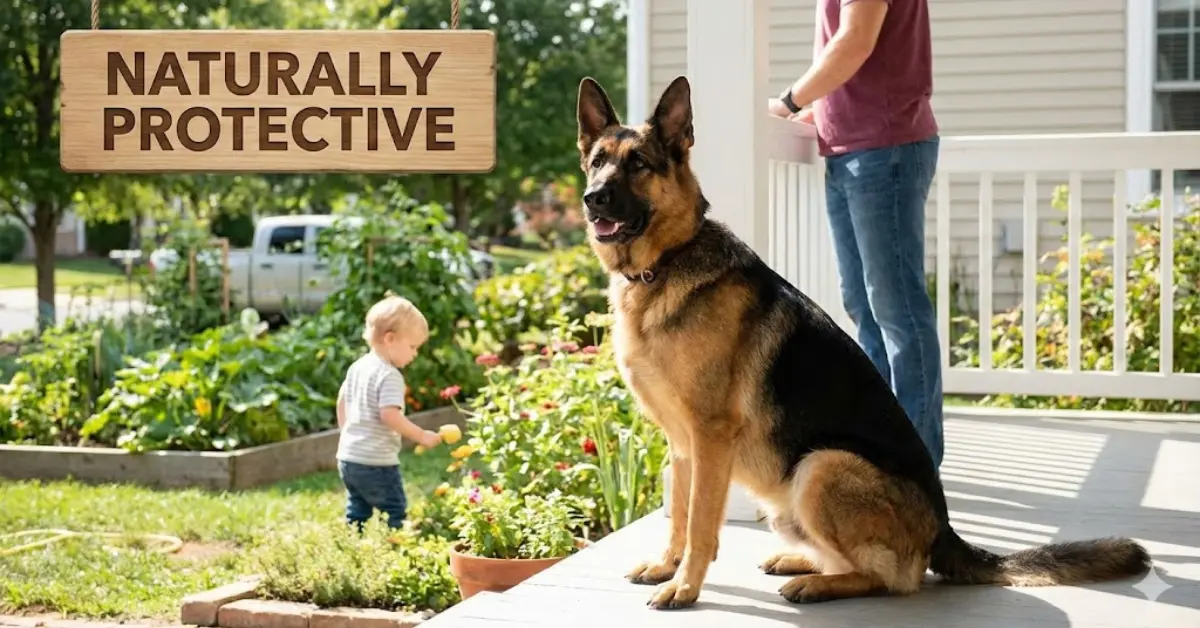
Yes, German Shepherds are naturally protective of their owners due to their strong loyalty, intelligence, and working dog heritage. Their breed history as herding and protection dogs has shaped instincts that make them alert, confident, and responsive to perceived threats. However, protective behavior depends on genetics, early socialization, training, and environment. A well raised German Shepherd shows controlled protectiveness rather than uncontrolled aggression. When properly trained, they rank among the best dogs for home protection, but without structure and leadership, their guarding instincts can become problematic.
Few breeds spark the same level of admiration and curiosity as the German Shepherd. Police departments rely on them. Military units deploy them. Families trust them. That reputation leads many people to ask, are German Shepherds protective of their owners by nature, or is it purely training?
The answer sits at the intersection of genetics, temperament, and responsible ownership.
German Shepherds were developed in Germany in the late 19th century as versatile herding and working dogs. According to the American Kennel Club, the breed standard emphasizes confidence, courage, and steadiness. These are not accidental traits. They were deliberately cultivated.
But natural protectiveness does not automatically mean aggression. Understanding the difference is essential before bringing one into your home.
Let us break it down clearly and thoroughly.
Understanding German Shepherd Temperament Traits
The Foundation of Their Protective Instinct
German Shepherd temperament traits revolve around:
- Loyalty
- Intelligence
- Courage
- Alertness
- Confidence
- Trainability
The AKC describes them as self assured and steady. These qualities allow them to evaluate situations rather than react impulsively.
Their herding roots required them to guard livestock without harming it. That balance between control and vigilance forms the core of their protective nature.
Key Temperament Components
|
Trait |
What It Means | Impact on Protection |
|
Loyalty |
Strong attachment to family | Drives owner focused protection |
|
Intelligence |
Quick learning and problem solving |
Enables advanced protection training |
|
Confidence |
Calm under pressure |
Prevents fear based aggression |
| Alertness | Awareness of surroundings |
Early threat detection |
| Territorial instinct | Awareness of space ownership |
Guarding behavior at home |
These traits explain why German Shepherds consistently appear on lists of protective dog breeds.
Why Are German Shepherds So Protective?
When people ask, why are German Shepherds so protective, the answer lies in three major factors:
1. Breed History
German Shepherds were bred to guard and herd. Protection was part of their job description from the start. Unlike some companion breeds, they were not designed solely for affection.
Their working lineage reinforced traits such as vigilance and responsiveness to commands.
2. Strong Bonding Behavior
German Shepherds form deep attachments to their families. They often choose one primary handler but remain loyal to the entire household.
That bond fuels protective behavior. They do not guard randomly. They guard what they value.
3. Environmental Awareness
They constantly scan their environment. This does not mean paranoia. It reflects situational awareness. Their posture, ear movement, and stance shift quickly when something feels unusual.
In balanced dogs, this awareness remains controlled.
Are German Shepherds Protective of Their Owners?
Yes, most well bred German Shepherds are protective of their owners. However, protectiveness manifests in measured ways.
Common Protective Behaviors
- Standing between owner and stranger
- Alert barking when someone approaches
- Increased focus during unfamiliar situations
- Body blocking or positioning
They do not typically attack without reason. Instead, they warn first.
The ASPCA and veterinary behaviorists consistently emphasize that controlled guarding differs from uncontrolled aggression. A confident German Shepherd reads body language and responds proportionally.
Are German Shepherds Aggressive or Protective?
This question appears frequently in search engines: are German Shepherds aggressive or protective?
The correct answer is nuanced.
Protective Behavior
- Purpose driven
- Controlled
- Situational
- Triggered by perceived threat
Aggressive Behavior
- Impulsive
- Fear driven or poorly socialized
- Lacks clear trigger
- Often rooted in anxiety
German Shepherds with stable genetics and proper training display protection, not random aggression.
Problems usually arise when:
- Socialization is inadequate
- Owners encourage hostility
- Training methods rely on fear
- The dog lacks mental stimulation
In short, aggression is not the default setting.
Are German Shepherds Territorial?
Yes, they are moderately to highly territorial, especially regarding their home.
Territorial instincts mean they recognize and defend space associated with their family. This trait enhances their role among the best dogs for home protection.
However, territorial behavior should remain manageable.
Healthy Territorial Behavior
- Alert barking at unfamiliar entry
- Watching visitors carefully
- Relaxing once owner signals safety
Problematic Territorial Behavior
- Persistent lunging at guests
- Refusing to settle after introduction
- Guarding furniture or specific family members
Training and leadership determine which version develops.
Are German Shepherds Good Guard Dogs?
German Shepherds are widely regarded as excellent guard dogs due to their intelligence, strength, loyalty, and trainability.
They excel in:
- Home protection
- Personal protection
- Law enforcement work
- Military service
Their combination of size and mental sharpness creates a natural deterrent. Many intruders avoid properties with visible German Shepherds.
Comparison With Other Protective Dog Breeds
|
Breed |
Natural Protectiveness | Trainability | Family Compatibility |
|
German Shepherd |
High | Very High | High with training |
|
Rottweiler |
High | High | Moderate to High |
| Doberman Pinscher | High | High |
High |
| Belgian Malinois | Very High | Very High |
Demands experienced owner |
| Labrador Retriever | Low to Moderate | High |
Very High |
While several breeds qualify as protective dog breeds, German Shepherds offer a rare blend of work ethic and family adaptability.
Protection Training for German Shepherds
Is Training Necessary?
Yes. Natural instinct alone does not create a reliable protector.
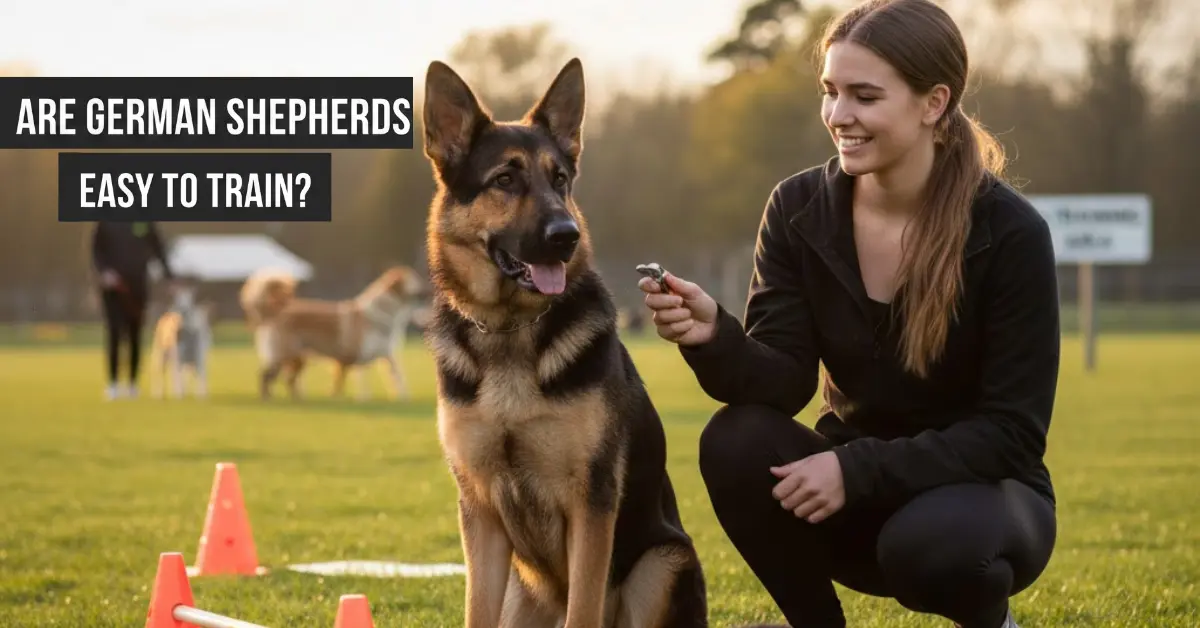
Protection training for German Shepherds should only occur under professional supervision. Reputable trainers focus on control, obedience, and stability before introducing protection work.
Foundational Skills First
- Basic obedience
- Impulse control
- Socialization
- Neutral response to non threats
Without these, advanced protection work can amplify instability.
The AKC and responsible breed clubs emphasize that obedience and socialization remain priorities over bite training.
When to Avoid Protection Training
- In homes with small children and inexperienced handlers
- If the dog shows anxiety
- If temperament testing reveals instability
Untrained or poorly trained protection dogs pose liability risks.
Common Myths About German Shepherd Protectiveness
Myth 1: They Automatically Attack Strangers
Reality: Most well socialized German Shepherds evaluate before reacting.
Myth 2: Encouraging Aggression Makes Them Better Guard Dogs
Reality: Encouraging aggression often produces fear driven behavior, not controlled protection.
Myth 3: They Cannot Live Peacefully With Guests
Reality: Proper introductions and leadership allow them to distinguish friend from threat.
Myth 4: All German Shepherds Are the Same
Reality: Lines differ. Working lines may show stronger drive than show lines.
Understanding these myths prevents poor ownership decisions.
When Protective Behavior Becomes Problematic
Protectiveness crosses into danger when:
- The dog cannot relax around routine visitors
- Barking escalates into uncontrollable lunging
- The dog guards family members excessively
- Resource guarding extends beyond territory
These behaviors often stem from:
- Poor early socialization
- Inconsistent leadership
- Lack of mental stimulation
- Anxiety
Early intervention with a certified trainer or veterinary behaviorist can correct most issues.
Ignoring them rarely works.
Who Should Not Get a German Shepherd?
Despite their popularity, German Shepherds are not ideal for everyone.
Not Suitable For:
- Sedentary households
- First time owners unwilling to invest in training
- People seeking a low maintenance dog
- Owners without time for daily exercise
- Those uncomfortable managing strong personalities
They require structure, mental work, and engagement. Without these, their protective instincts may become overwhelming.
If you want a relaxed companion that greets everyone like a long lost friend, consider another breed.
German Shepherds and Family Protection
German Shepherds often rank among the best dogs for home protection because they balance deterrence with loyalty.
They usually:
- Attach strongly to children in their household
- Patrol property naturally
- Alert without excessive unpredictability
However, supervision remains essential. No breed replaces responsible parenting.
Are German Shepherds Overprotective?
Overprotectiveness occurs when a dog perceives normal social interactions as threats.
This usually reflects:
- Inadequate exposure during puppyhood
- Reinforcement of guarding behaviors
- Owner anxiety
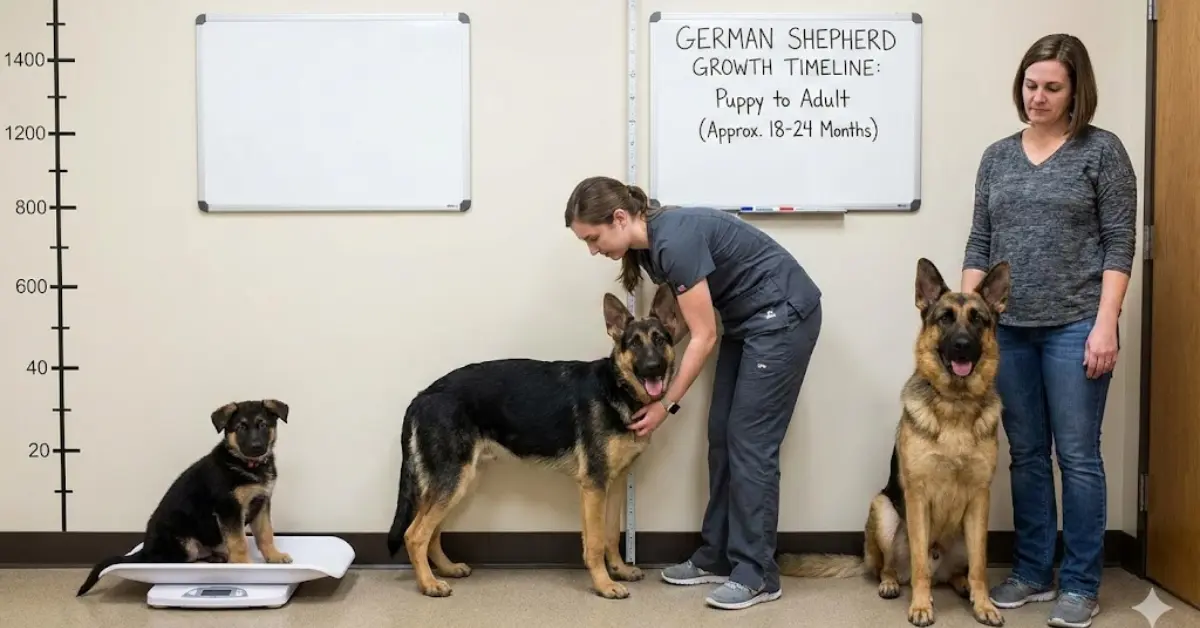
Balanced socialization between 8 and 16 weeks plays a critical role. Exposure to varied people, sounds, and environments builds confidence.
Confident dogs protect selectively. Insecure dogs overreact.
Conclusion
German Shepherds are naturally protective, but their protectiveness reflects intelligence and loyalty rather than uncontrolled aggression.
They evaluate before acting. They bond deeply. They guard what they value.
When raised with socialization, consistent training, and responsible leadership, they become confident family guardians. When neglected or mishandled, their instincts can become difficult to manage.
Choosing a German Shepherd means choosing structure, engagement, and accountability.
If you want one of the most versatile and dependable protective dog breeds, they remain a top contender. If you want minimal responsibility, this is not your breed.
Protective instinct is powerful. In the right hands, it becomes a remarkable asset.
Frequently Asked Questions
1. Are German Shepherds protective of their owners naturally?
Yes. Most German Shepherds display natural protective instincts due to their breeding history, loyalty, and territorial awareness. Proper training ensures these instincts remain controlled.
2. Why are German Shepherds so protective compared to other breeds?
Their working heritage emphasized guarding and herding. Selective breeding reinforced confidence, intelligence, and responsiveness to threats.
3. Are German Shepherds aggressive or protective?
They are protective by nature. Aggression usually results from poor socialization, fear, or improper training rather than breed temperament.
4. Are German Shepherds territorial at home?
Yes. They often guard their property and family space. With training, they can differentiate between guests and genuine threats.
5. Are German Shepherds good guard dogs for families?
Yes. They combine loyalty, intelligence, and deterrent presence. However, they require structured training and daily engagement.
6. Does protection training for German Shepherds make them dangerous?
Professional training enhances control and obedience. Poorly managed or unsupervised training increases risk. Responsible methods focus on discipline before defense.
References
The following authoritative organizations and breed authorities were consulted to ensure accuracy, alignment with breed standards, and evidence based canine behavior guidance:
- American Kennel Club (AKC)
German Shepherd Dog Breed Standard and Official Breed Overview
https://www.akc.org/dog-breeds/german-shepherd-dog/ - German Shepherd Dog Club of America (GSDCA)
Official Breed Standard, History, and Responsible Ownership Guidance
https://www.gsdca.org - American Veterinary Medical Association (AVMA)
Dog Behavior and Responsible Pet Ownership Resources
https://www.avma.org/resources-tools/pet-owners - ASPCA
Canine Behavior, Socialization, and Aggression Guidance
https://www.aspca.org/pet-care/dog-care - American Veterinary Society of Animal Behavior (AVSAB)
Position Statement on Puppy Socialization and Behavior Development
https://avsab.org/resources/position-statements/