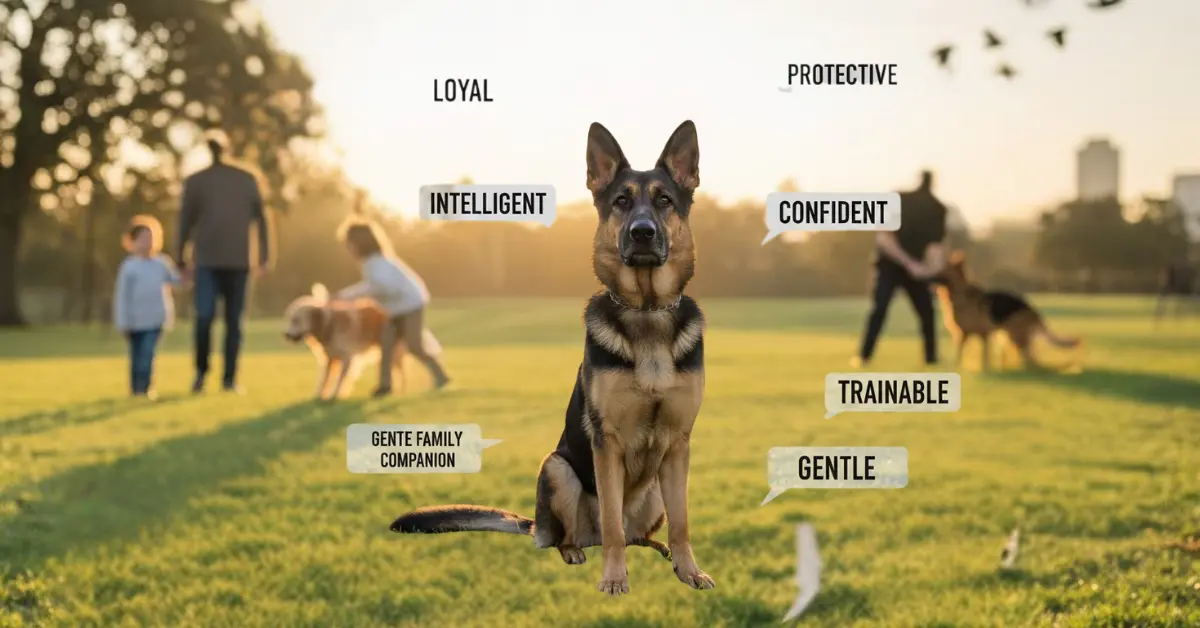
German Shepherd Personality Traits are one of the main reasons this breed is trusted by families, professionals, and dog lovers around the world. Known for their intelligence, loyalty, and strong protective instincts, German Shepherds form deep bonds with their owners and often see themselves as part of the family. They are confident dogs with a natural desire to work, learn, and please, which makes them highly trainable when guided correctly.
At the same time, their temperament and behavior depend heavily on early socialization, daily routine, and consistent leadership. A well raised German Shepherd is calm, alert, and affectionate, while a poorly guided one may develop anxiety or overprotective habits. Understanding their personality traits helps owners set realistic expectations and provide the right environment.
In this guide, we explain German Shepherd temperament, behavior patterns, and key characteristics in simple terms, so you can understand what truly makes this breed unique and whether it fits your lifestyle.
Overview of German Shepherd Personality Traits
German Shepherd personality traits are shaped by genetics, training, and daily routine. At their core, this breed is confident, alert, and deeply loyal. A stable german shepherd temperament includes calm behavior at home and focused awareness outdoors. They naturally observe their surroundings and respond quickly to commands.
German shepherd characteristics also include intelligence and emotional sensitivity. These dogs learn fast and prefer clear structure. When given consistent training and mental stimulation, their behavior stays balanced. Without guidance, boredom can lead to restlessness or stubborn habits.
German shepherd behavior is closely tied to their bond with owners. They enjoy staying near family members and often act as quiet protectors. With proper socialization, this instinct remains controlled and non aggressive.
Understanding these traits helps owners provide the right environment. When their physical and mental needs are met, German Shepherds show a temperament that is dependable, adaptable, and well suited for active households.
Are German Shepherds Loyal and Protective Dogs?
German Shepherds are widely recognized as a loyal dog breed with strong protective instincts. German shepherd loyalty develops naturally as they form deep emotional bonds with their owners. They are not independent by nature and prefer staying close to the people they trust. This attachment makes them attentive, responsive, and highly dependable in daily life.
Among protective dog breeds, German Shepherds stand out because their protection is thoughtful, not reckless. They observe situations before reacting and rely on training and familiarity to guide their behavior. When raised in a stable environment with proper socialization, they protect through presence and awareness rather than aggression.
Understanding this balance between loyalty and protection helps owners guide their dog correctly. With clear leadership and positive reinforcement, German Shepherds become reliable companions who protect calmly and remain emotionally connected to their family.
Natural Guarding Instincts
German Shepherds are born with natural guarding instincts that develop early. They are alert to changes in their environment and quickly recognize unfamiliar sounds or movements. This instinct is rooted in awareness, not hostility, which is why they often watch first before acting.
Their protective behavior becomes balanced through training and exposure. When introduced to people, pets, and new environments early, they learn to differentiate between real threats and normal activity. This prevents fear based reactions and supports stable behavior.
German Shepherds do best when their guarding instincts are guided, not suppressed. Clear commands, routine training, and calm owner behavior help them remain confident. When properly managed, their natural instincts make them dependable protectors without unnecessary aggression.
Bonding With Owners and Family
German Shepherds form strong emotional bonds with their owners and family members. This bond is the foundation of german shepherd loyalty and influences how they behave at home and outside. They often follow their owners closely and show concern when routines change.
They are highly responsive to tone, body language, and consistency. Positive interactions such as training, play, and daily care strengthen trust. This trust encourages obedience and emotional stability.
Family bonding also affects how they interact with children and other pets. With proper introductions and supervision, they become gentle and patient companions. When they feel secure and included, German Shepherds express loyalty through affection, attentiveness, and steady protective behavior.
Intelligence and Trainability of German Shepherds
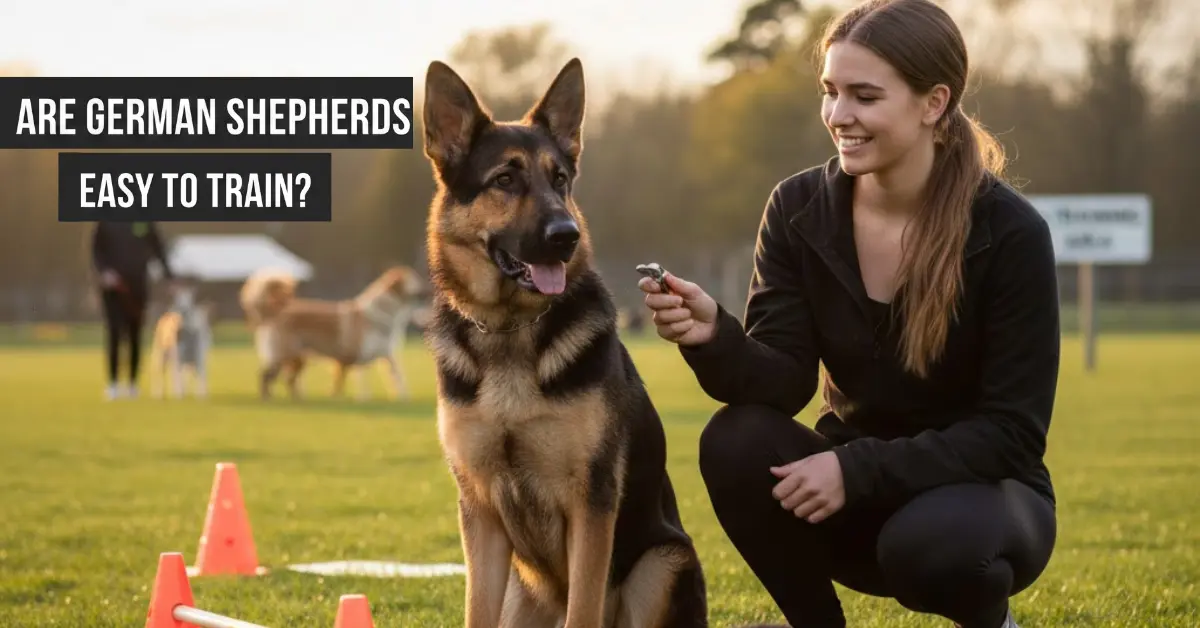
German Shepherds are widely recognized among the most intelligent dog breeds. Their ability to learn quickly, remember commands, and adapt to new situations makes them an easy to train dog for owners who use consistent methods. They are not just smart, they enjoy learning and performing tasks, especially when training is structured and rewarding.
As a working dog breed, German Shepherds thrive on purpose. They respond best to clear instructions, repetition, and positive reinforcement. Training sessions that combine mental challenges with physical activity help maintain focus and prevent boredom related behaviors.
Understanding their intelligence helps owners train more effectively. When guidance is calm and consistent, German Shepherds develop strong obedience, reliable recall, and confident behavior. Their trainability is one of the key reasons they are trusted in demanding roles and active households.
Problem-Solving and Obedience Skills
German Shepherds show strong problem solving abilities from an early age. They can quickly figure out routines, patterns, and expectations. This skill allows them to respond well to obedience training and adjust their behavior based on feedback.
They excel in learning complex commands, including multi step tasks. With regular practice, they retain lessons for long periods and respond accurately even in distracting environments. This level of obedience depends on clear communication and patience from the owner.
Mental stimulation is essential for maintaining these skills. Puzzle toys, obedience drills, and new challenges keep their minds engaged. When their intelligence is used constructively, German Shepherds remain focused, confident, and well behaved.
Why German Shepherds Excel as Working Dogs
German Shepherds are considered a top working dog breed because of their intelligence, discipline, and emotional control. They are able to follow instructions under pressure and remain calm in unfamiliar situations.
Their physical strength supports long working hours, while their mental clarity allows quick decision making. These qualities make them reliable in roles that require trust and consistency.
They also respond strongly to handler guidance. When trained with respect and structure, they form deep working bonds and perform tasks with accuracy. This combination of intelligence, trainability, and stability is why German Shepherds continue to excel in demanding working roles worldwide.
German Shepherd Energy Levels and Exercise Needs
German Shepherds belong to high energy dog breeds that require regular physical and mental activity to stay healthy. Their energy level is closely tied to their role as an active dog breed, developed for work and movement rather than a sedentary lifestyle. Understanding german shepherd exercise needs helps prevent common issues like restlessness, destructive behavior, and weight gain.
Daily activity supports joint health, muscle strength, and emotional balance. German Shepherds that receive proper exercise tend to be calmer at home and more responsive to training. Exercise is not just about long walks, it is about purposeful movement that matches their natural drive.
Providing the right balance of activity helps owners maintain a stable routine. When their energy is managed correctly, German Shepherds show better focus, improved behavior, and a more relaxed temperament.
Daily Physical Activity Requirements
German Shepherds need consistent daily physical activity to maintain overall well being. Most adult dogs benefit from at least one to two hours of combined exercise each day. This can include brisk walks, controlled running, fetch, or agility style movements.
Structured exercise is more effective than unplanned activity. Leash walks with training cues, play sessions with rules, and supervised off leash time help release energy in a controlled way. Puppies and seniors require adjusted routines to protect growing or aging joints.
Regular physical activity also supports heart health and prevents obesity. When exercise is part of a daily routine, German Shepherds remain balanced, alert, and physically strong.
Mental Stimulation and Enrichment
Mental stimulation is just as important as physical exercise for German Shepherds. Their intelligence means they need activities that challenge their thinking, not just their bodies. Without enrichment, boredom can lead to unwanted behaviors.
Training sessions, puzzle toys, scent games, and task based play keep their minds active. Even short mental exercises throughout the day can improve focus and reduce anxiety.
Enrichment builds confidence and strengthens the bond between dog and owner. When mental needs are met alongside physical exercise, German Shepherds stay calm, engaged, and emotionally satisfied.
German Shepherd Temperament With Family and Children
German Shepherds are often described as a family friendly dog when raised in a stable and caring environment. Their loyalty and awareness make them a good family guard dog that stays attentive without being overly aggressive. Many families choose this breed because of its balance between protection and affection.
When properly trained, a german shepherd with kids can be gentle, patient, and highly watchful. They tend to see children as part of their group and naturally stay close. However, their size and energy mean guidance and supervision are always important.
Understanding their temperament helps families create positive interactions. With consistent routines, clear boundaries, and early exposure, German Shepherds adapt well to family life and form strong emotional connections with both adults and children.
Behavior Around Young Children
German Shepherds can behave calmly and protectively around young children when introduced correctly. They are observant dogs that notice changes in movement and sound, which often makes them cautious rather than reactive.
Teaching children how to interact respectfully is essential. Gentle touch, no rough play, and calm behavior help the dog feel secure. Supervised interactions prevent misunderstandings and reinforce positive habits.
German Shepherds often position themselves near children during play or rest. This behavior reflects watchfulness, not dominance. With proper guidance, they become reliable companions who offer quiet protection and affection in family settings.
Importance of Early Socialization
Early socialization plays a key role in shaping a German Shepherd’s behavior with family and children. Exposure to different people, environments, and sounds helps reduce fear and uncertainty.
Introducing puppies to children early teaches them how to respond calmly. Positive experiences during this stage support emotional balance and confidence.
Socialization should continue as the dog grows. Regular family interaction, controlled play, and structured training help maintain stability. When socialized properly, German Shepherds grow into dependable family dogs that combine protection with gentleness.
German Shepherd Personality With Other Dogs and Pets
German Shepherd personality around other animals depends largely on early exposure, training, and consistent boundaries. With proper german shepherd socialization, they can live peacefully with other dogs and household pets. They are not naturally aggressive, but their confidence and guarding instincts can be misunderstood without guidance.
Concerns about german shepherd aggression usually come from poor introductions or lack of structure. When raised correctly, they can behave similarly to other dog friendly breeds, showing calm interest rather than dominance.
Understanding their social behavior helps owners prevent conflicts. Clear leadership, routine interaction, and gradual exposure allow German Shepherds to adapt well to multi pet homes while maintaining balanced behavior.
Same-Sex Dominance and Territorial Behavior
German Shepherds may show same sex dominance, especially between unneutered adults. This behavior is rooted in confidence and territory awareness rather than aggression. It often appears during maturity if boundaries are unclear.
Consistent training helps manage dominance tendencies. Structured walks, obedience exercises, and controlled play reduce tension and reinforce calm behavior. Avoid forcing interactions during early signs of discomfort.
Territorial behavior is also common, particularly in familiar spaces. Early socialization teaches them to accept other dogs without feeling threatened. With proper management, these traits remain controlled and do not lead to conflict.
Introducing German Shepherds to Other Pets
Introducing a German Shepherd to other pets should be done gradually and calmly. First meetings in neutral spaces help reduce territorial reactions and allow controlled observation.
Positive reinforcement plays a key role. Reward calm behavior and avoid sudden corrections that create stress. Short, supervised sessions build trust over time.
With cats and small pets, leash control and patience are essential. Early exposure increases acceptance and reduces prey driven reactions. When introductions are handled correctly, German Shepherds can coexist peacefully with other pets and remain emotionally balanced.
Are German Shepherds Aggressive or Dangerous?
Questions like are german shepherds dangerous often come from misunderstanding the breed. German Shepherds are not naturally aggressive. Most german shepherd aggression myths are based on isolated incidents, poor training, or lack of socialization rather than true temperament issues.
This breed is naturally alert and protective, which can appear intimidating to unfamiliar people. However, alertness is not the same as aggression. A well guided German Shepherd remains calm, observant, and controlled in normal situations.
Understanding their behavior requires looking at upbringing, environment, and daily routine. When raised with consistency and positive guidance, German Shepherds are dependable companions rather than dangerous dogs.
Nature vs Nurture in Dog Behavior
German Shepherd behavior is influenced by both genetics and environment. While genetics shape traits like confidence and awareness, nurture determines how those traits are expressed.
Early experiences play a major role. Dogs exposed to positive social interactions develop emotional stability. Lack of exposure can create fear based reactions that are often mistaken for aggression.
Routine, structure, and calm leadership help reinforce balanced behavior. When nurture supports natural traits, German Shepherds show confidence without hostility.
How Training Impacts Aggression
Training has a direct impact on how German Shepherds handle stress and unfamiliar situations. Positive reinforcement builds trust and encourages calm responses.
Poor training methods or inconsistent rules can increase anxiety and confusion. This may lead to reactive behavior, not true aggression.
Obedience training, controlled exposure, and clear communication help prevent unwanted reactions. When training is consistent, German Shepherds learn to respond thoughtfully rather than emotionally, reducing aggressive tendencies and improving overall behavior.
Male vs Female German Shepherd Personality Differences
Understanding male vs female german shepherd temperament helps future owners choose the right fit for their lifestyle. While both genders share core breed traits like intelligence and loyalty, subtle german shepherd gender differences can influence daily behavior and bonding style.
Personality differences are often shaped by hormones, training, and environment rather than gender alone. Males may display stronger confidence, while females often show quicker emotional awareness. These traits are tendencies, not strict rules.
Choosing between male and female should focus on activity level, household structure, and training commitment. With proper guidance, both genders develop stable temperaments and adapt well to family life.
Personality Traits of Male German Shepherds
Male German Shepherds are often described as confident and bold. They tend to be more territorial and may show stronger protective behavior, especially around familiar people and spaces.
They usually mature more slowly, both mentally and emotionally. This means extended puppy like behavior, which can include high energy and playful dominance. Consistent training is important to guide this energy positively.
Males often form strong attachments to one primary handler but remain friendly with the family. With clear leadership and routine, they grow into dependable, steady companions.
Personality Traits of Female German Shepherds
Female German Shepherds are often more focused and emotionally aware. They typically mature faster and show earlier responsiveness to training.
Females may display stronger independence and decision making skills. They often balance affection with alertness, making them attentive without being overly demanding.
They commonly bond closely with the entire family rather than one individual. With structured training and socialization, female German Shepherds develop calm, adaptable personalities that fit well in active households.
German Shepherd Personality Traits by Age
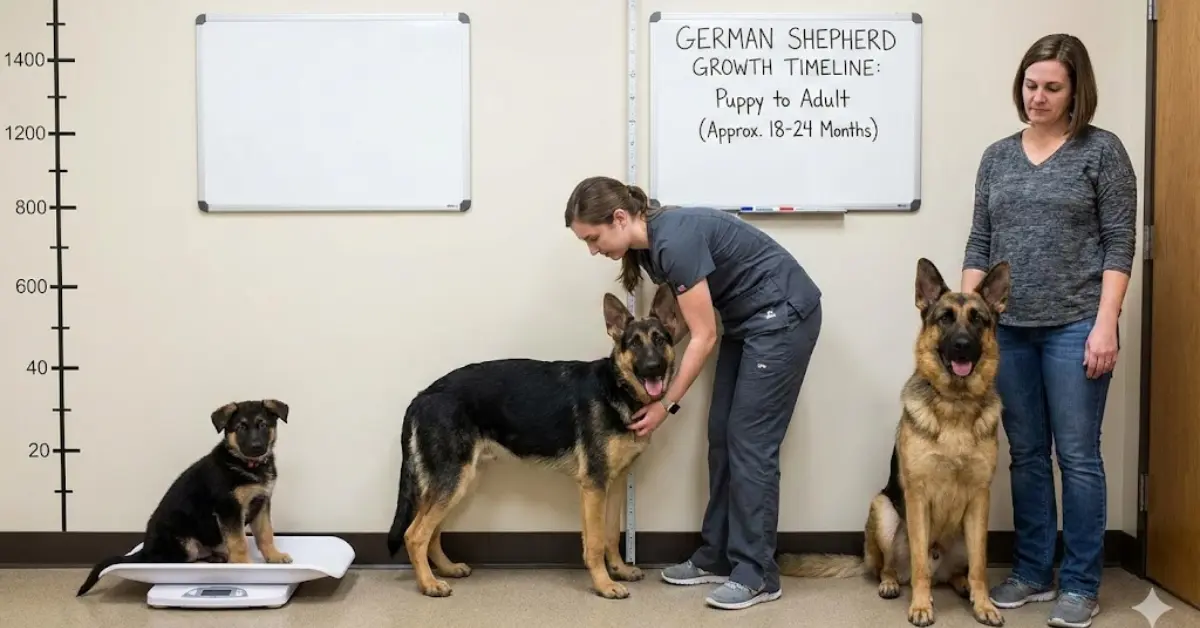
German Shepherd personality traits change naturally as the dog grows. Understanding these stages helps owners set realistic expectations and provide age appropriate care. From playful puppyhood to calm senior years, behavior evolves with physical and emotional development.
German shepherd puppy behavior is often energetic and curious. As they mature, adult german shepherd temperament becomes more balanced and predictable. In later years, senior german shepherd personality shifts toward calmness and routine.
Each stage requires different training, exercise, and attention. Recognizing these changes allows owners to support healthy behavior and emotional stability throughout the dog’s life.
Puppy Stage Personality Traits
German Shepherd puppies are curious, energetic, and eager to explore. Their behavior is driven by learning and discovery, which often includes chewing, jumping, and testing boundaries.
Early training and socialization are essential at this stage. Puppies absorb habits quickly, both good and bad. Gentle structure helps them understand expectations and build confidence.
Positive exposure to people, sounds, and environments reduces fear later in life. With guidance, puppy energy turns into focus and trust.
Adult German Shepherd Behavior
Adult German Shepherds display a more stable temperament. Energy levels remain high, but behavior becomes controlled with proper exercise and routine.
They are confident, loyal, and responsive to training. Adult dogs often show stronger protective instincts combined with emotional balance.
Consistency is key during this stage. Regular mental and physical stimulation helps maintain obedience and prevents boredom related behaviors.
Senior German Shepherd Temperament Changes
Senior German Shepherds become calmer and more routine focused. Energy levels decrease, and they prefer familiar environments.
They may show increased sensitivity to change. Patience and gentle interaction support emotional comfort.
Adjusting exercise and maintaining mental stimulation helps seniors stay engaged. With proper care, their personality remains affectionate, loyal, and emotionally connected to family.
How Training Shapes German Shepherd Personality
Training plays a major role in shaping a German Shepherd’s personality. Their intelligence and sensitivity mean they respond strongly to guidance, structure, and routine. Using the right german shepherd training tips helps develop calm behavior, confidence, and trust.
Obedience training teaches more than commands. It sets clear expectations and builds communication between dog and owner. Dogs trained with positive reinforcement learn faster and show fewer stress related behaviors.
A well trained German Shepherd is not just obedient but emotionally balanced. Training helps channel energy, reduce anxiety, and prevent behavior problems before they start.
Importance of Early Training
Early training lays the foundation for lifelong behavior. Puppies that begin obedience training early learn boundaries, social skills, and impulse control.
Positive reinforcement is especially effective at this stage. Rewarding calm behavior builds trust and confidence. Harsh methods can create fear and confusion.
Short, consistent sessions help puppies stay focused. Early training encourages emotional stability and reduces future behavior challenges.
Consistency, Leadership, and Structure
Consistency is essential for shaping reliable behavior. German Shepherds thrive when rules remain clear and predictable.
Leadership does not mean force. Calm direction and routine create security. Dogs feel more confident when they understand expectations.
Structured daily routines support mental stability. When training, exercise, and rest are balanced, German Shepherds develop a personality that is confident, obedient, and emotionally steady.
Common Behavioral Problems in German Shepherds
German Shepherds are intelligent and loyal dogs, but like any breed, they can develop behavior problems if their needs are not met. German shepherd anxiety is one of the most common concerns, often linked to lack of routine, mental stimulation, or social interaction. Because they form strong bonds, separation anxiety can also occur when they are left alone for long periods.
Destructive behavior such as chewing or digging is usually a sign of boredom or stress, not disobedience. These behaviors are often communication signals that something in the dog’s environment needs adjustment.
Understanding the root of these problems helps owners respond effectively. With proper training, structure, and attention, most behavior issues can be prevented or corrected before they become long term habits.
Causes of Behavioral Issues
Behavioral problems in German Shepherds usually start with unmet physical or emotional needs. Lack of daily exercise can lead to excess energy, which often shows up as destructive behavior.
Poor socialization is another key factor. Dogs that are not exposed to different environments may develop fear based anxiety. Inconsistent rules can also create confusion and stress.
Changes in routine, long periods alone, or insufficient mental stimulation can trigger separation anxiety. These causes are manageable once identified.
How to Prevent and Correct Problems
Prevention begins with routine. Regular exercise, training, and mental enrichment reduce stress and boredom.
Positive reinforcement helps correct unwanted behavior without increasing fear. Reward calm responses and redirect energy toward appropriate activities.
Gradual independence training helps reduce separation anxiety. With consistency and patience, German Shepherds can develop stable behavior and emotional balance.
Is a German Shepherd the Right Dog for You?
Asking is a german shepherd right for me is an important step before choosing this breed. German Shepherds are loyal, intelligent, and highly active dogs, but they are not low maintenance companions. Understanding the pros and cons of german shepherds helps set realistic expectations.
They thrive in homes that offer structure, daily exercise, and regular interaction. This breed needs mental challenges and physical activity to stay balanced. Without proper engagement, behavior issues can develop.
German Shepherds reward committed owners with loyalty, protection, and strong emotional bonds. The key is matching the dog’s needs with your lifestyle, time availability, and experience level.
Ideal Owner Lifestyle
German Shepherds are best suited for active owners who enjoy routine and involvement. Daily walks, training sessions, and playtime are essential.
They do well with people who can provide leadership and consistency. Homes with predictable schedules help them feel secure.
This breed fits families or individuals who value companionship and are willing to invest time in training and care.
First-Time Dog Owner Considerations
First time owners can succeed with German Shepherds if they are prepared. Early obedience training and socialization are critical.
Learning canine body language helps prevent misunderstandings. Professional guidance can be helpful during early stages.
With patience and commitment, first time owners can build a strong, rewarding relationship with a German Shepherd.
Final Thoughts on German Shepherd Personality Traits
Understanding german shepherd temperament summary helps set clear expectations for anyone considering this breed. German Shepherd dog traits include loyalty, intelligence, confidence, and a strong desire to stay connected with their family. These qualities make them dependable companions when their physical and emotional needs are met.
Their personality is shaped by training, socialization, and daily routine rather than instinct alone. A well guided German Shepherd shows calm behavior, controlled protection, and strong responsiveness to owners. Without structure, the same traits can lead to anxiety or frustration.
Choosing this breed means committing time and attention. Regular exercise, mental stimulation, and positive guidance support balanced behavior. When raised in the right environment, German Shepherds develop a temperament that is trustworthy, adaptable, and deeply bonded to the people they live with.
FAQs
1. Are German Shepherds good family dogs?
Yes, German Shepherds can be excellent family dogs when properly trained and socialized from an early age.
2. Do German Shepherds have aggressive behavior?
German Shepherds are not naturally aggressive. Poor training or lack of socialization usually causes behavior issues.
3. Are German Shepherds safe around children?
With supervision and early exposure, German Shepherds are generally gentle and protective with children.
4. How loyal are German Shepherds to their owners?
German Shepherds are extremely loyal and often form strong emotional bonds with their family.
5. Do German Shepherds need a lot of exercise?
Yes, they are a high energy breed and need daily physical and mental exercise.
6. Are German Shepherds easy to train?
Their intelligence makes them easy to train when consistent and positive methods are used.
7. Do German Shepherds get separation anxiety?
They can develop separation anxiety if left alone too often without proper training or routine.
8. Can German Shepherds live with other pets?
With early socialization, they can live peacefully with other dogs and pets.
9. Are male or female German Shepherds calmer?
Temperament varies by individual, but females often mature faster while males may be more playful.
10. Is a German Shepherd suitable for first time dog owners?
They can be suitable if the owner is committed to training, exercise, and structured care.