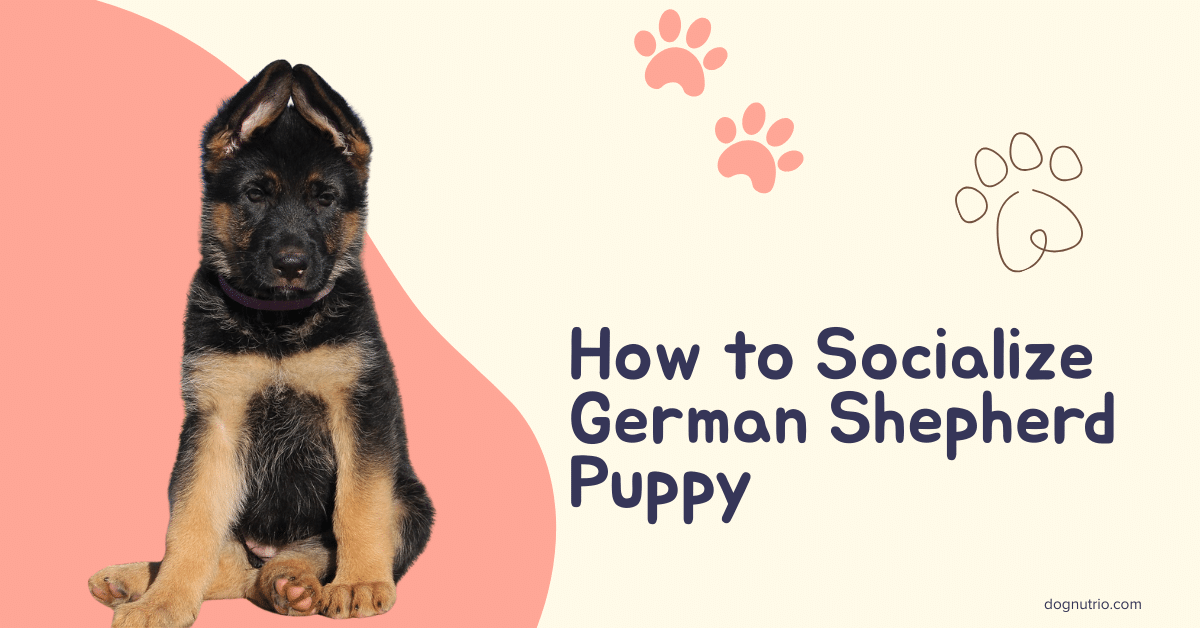
If you’ve recently brought home a German Shepherd puppy, you’re stepping into a world of boundless energy, intelligence, and loyalty. But one thing I’ve learned after years of raising and training GSDs is this: socialization decides the kind of adult dog your puppy becomes. A confident protector, a calm companion, a dog who trusts the world — it all starts early.
German shepherd puppy socialization isn’t a “nice to do.” It’s the foundation of everything your pup will learn later in life.
Let’s break down how to do it right — in a way that feels natural, simple, and stress-free for both you and your pup.
Why Socialization Matters So Much for German Shepherd Puppies
German Shepherds are naturally alert and observant. That’s what makes them excellent family protectors and working dogs. But this also means they can become anxious, reactive, or even fearful if they aren’t exposed to the right things early.
In my experience, well-socialized German Shepherd puppies tend to grow into dogs that:
- Handle new environments calmly
- Accept visitors without fear
- Play well with other dogs
- Trust children and strangers
- Respond better to training
- Rarely show aggression caused by fear
And the pups who miss socialization? They often become nervous adults who bark excessively, lunge toward other dogs, or panic in crowded spaces.
That’s why starting early — ideally from 8 to 16 weeks — makes socializing your German Shepherd puppy so important.
Understanding the Fear Periods in GSD Puppies
German Shepherd puppies go through fear stages. These are completely normal, but knowing when they happen helps you avoid accidental trauma.
First Fear Period (8–12 weeks)
Your pup may suddenly fear harmless things like:
- A broom
- A fast-moving child
- Loud voices
- New objects at home
Keep interactions gentle. No forced meetings. No yelling. Let your puppy explore at their own pace.
Second Fear Period (6–14 months)
This one catches many owners off guard. Your nearly-grown GSD might suddenly be scared of:
- People wearing hats
- Other large dogs
- Loud vehicles
- Dark rooms
It’s temporary — but only if you respond calmly. I always remind owners: confidence is contagious. If you stay relaxed, your dog learns to do the same.
How to Start Socializing Your German Shepherd Puppy
Let’s get practical. Here’s a simple step-by-step plan I’ve used with dozens of GSD pups over the years.
Step 1: Begin with Safe Home Exposure
Your puppy’s first world is your home. Make it a fun, safe place for exploration.
Expose your puppy to:
- Floor textures (tiles, carpets, grass, wooden floors)
- Household sounds (TV, vacuum cleaner, blender)
- People moving normally around the house
- Light grooming sessions
- Being gently held, touched, and examined
Small, daily exposures work wonders for german shepherd puppy confidence building.
Step 2: Introduce New People Slowly
Start with people your dog will see often:
- Neighbors
- Friends
- Regular visitors
- Children, if available (always supervised)
Ask people not to rush your puppy. A calm, quiet introduction builds trust far better than excited greetings.
Step 3: Take Short Outdoor Adventures
You don’t need a full-blown puppy outing to create good social exposure. Even a few minutes outside can create amazing progress.
Start with:
- Calm streets
- Quiet parks
- Walking near, but not inside, busy areas
- Watching people from a distance
Your goal is to help the pup observe the world without feeling overwhelmed.
Step 4: Controlled Dog Interactions
Don’t rush dog-to-dog meetings. German Shepherd puppies can become shy or pushy depending on their personality.
Things that help:
- Meet calm, vaccinated adult dogs
- Avoid dog parks for now
- Choose neutral spaces
- Watch for over-excitement
- Teach your puppy to sit before greeting
Controlled meetings shape better long-term german shepherd socialization.
Socialization Checklist for a GSD Puppy
Here’s a simple table you can use to track progress.
| Exposure Type | Examples | Frequency |
| People | kids, elderly, men with beards, women, crowds | 3–4 times weekly |
| Animals | calm dogs, cats (if possible) | 1–2 times weekly |
| Surfaces | sand, tile, grass, metal grates | daily |
| Sounds | sirens, traffic, vacuum, thunder recordings | daily |
| Environments | parks, elevators, car rides | 2–3 times weekly |
Use this as a guide, not a rulebook. Every puppy has a different pace.
Helping Your Puppy Build Confidence Naturally
A confident German Shepherd is easier to train, calmer in public, and far less likely to develop reactivity issues.
Here are techniques I’ve used for years:
1. Let Your Puppy “Win” Small Challenges
Examples:
- Walking over a small bench
- Climbing a short ramp
- Carrying a toy while walking
- Exploring new rooms alone (while you supervise)
2. Reward Curiosity, Not Fear
If your puppy looks at a new object, praise them.
If they sniff it, praise again.
That’s how confidence grows — step by step.
3. Avoid Forcing Scary Situations
You should never drag or push a GSD pup toward something scary. It damages trust and delays learning.
Let them:
- Observe
- Sniff
- Move closer slowly
Patience is everything.
4. Practice Gentle Discipline
This doesn’t mean punishment. It’s more about boundaries.
Examples:
- No jumping on people
- No biting hands during play
- No rushing through doors
- No pulling on the leash
Simple “ah-ah” or redirecting with a toy is enough. Harsh corrections do far more harm than good.
Gentle guidance forms the heart of good german shepherd puppy discipline tips.
Introducing Your Puppy to New Environments
When you’re socializing a German Shepherd puppy, real-world environments teach the lessons no training book can.
Busy Streets
Let your pup:
- Sit and watch cars
- Observe bicycles
- Hear honking from a distance
Start from far away, then slowly get closer over several outings.
Pet-Friendly Stores
These places offer amazing exposure:
- Different floors
- Shopping carts
- Random noises
- New smells
- Friendly strangers
Always keep interactions controlled.
Parks
Great for:
- Children running
- Joggers
- Dogs at safe distances
- Birds and squirrels
One of my pups used to get excited at pigeons — we solved it just by calmly walking through parks regularly.
Common Socialization Mistakes (And How to Avoid Them)
Over the years, I’ve seen owners try so hard… but still make small mistakes that slow progress.
Here are the big ones:
Mistake 1: Rushing Introductions
Your puppy doesn’t need to meet every dog in the neighborhood on day one. Give space, and let them observe first.
Mistake 2: Thinking Socialization Means “Everyone Must Pet the Puppy”
It doesn’t.
Sometimes watching is more valuable than interacting.
Mistake 3: Overexposing Too Fast
If your pup:
- Yawns repeatedly
- Keeps turning their head away
- Tucks their tail
- Refuses treats
They’re overwhelmed. Take a break.
Mistake 4: Not Socializing at Home
Even family members contribute to german shepherd socialization training. Puppies learn the most in familiar environments.
Mistake 5: Using Harsh Punishments
Fear-based training damages confidence.
Calm, firm boundaries work much better.
People Also Ask–Style Insights
Is 3 months too late to socialize a German Shepherd puppy?
No. Three months is actually a great time to begin. The key is consistency and gentle exposure.
How long does it take to fully socialize a GSD puppy?
It takes around 6–12 months of regular practice for a German Shepherd to feel comfortable in most situations.
Can you socialize your German Shepherd at home?
Yes. Home-based exposure builds confidence early — new sounds, textures, people, toys, and gentle handling all count as socialization.
What happens if you don’t socialize a GSD puppy?
They may grow into fearful, reactive, or aggressive adults. Early socialization prevents lifelong behavioral issues.
How do I know if my puppy is overwhelmed?
Look for lip licking, yawning, backing away, or refusing treats. These signs mean it’s time to slow things down.
A Simple Week-by-Week Socialization Plan
Here’s a roadmap many new owners love using:
Week 8–10
- Meet 3–5 calm people
- Explore 2 new rooms
- Listen to household sounds
- Short car rides
- Gentle handling
Week 11–13
- Walk on new surfaces
- Meet calm vaccinated dogs
- Visit a quiet park
- Introduce leash walking
- 5-minute training sessions
Week 14–16
- Pet-friendly stores
- Busier roads
- Joggers and bicycles nearby
- Longer car rides
- Structured playtime
Week 16+
Healthy routine of:
- Weekly people exposure
- Controlled dog interactions
- Regular outings
- Obedience training
- Home boundaries
This is how you raise a well-behaved German Shepherd with calm confidence.
Final Tips That Make a Huge Difference
Here are little things I wish every new GSD owner knew:
- Keep treats handy during all outings
- Practice short sessions instead of long overwhelming ones
- Praise curiosity often
- Don’t baby the puppy during mild fear — calm leadership works best
- Socialization must be positive, not forced
- Every puppy moves at their own pace
Small efforts add up fast.
Conclusion
German Shepherd puppy socialization isn’t just a phase — it’s the heart of raising a confident, stable, and well-balanced dog. The world can seem big and unpredictable to a young GSD, but with your guidance, they learn that new experiences are safe, people are friendly, and life is full of exciting rewards.
Stay patient. Stay consistent. Celebrate small wins.
Your puppy is watching you closely, learning from every reaction.
And one day, you’ll look at your calm, confident adult German Shepherd and think, “I’m glad I took the time to do this right.”
FAQs
1. When should I start socializing my German Shepherd puppy?
Start at 8 weeks. It’s the perfect time to gently introduce new people, sounds, and environments.
2. Can socializing german shepherd puppy help prevent aggression later?
Yes. Many aggression issues come from fear. Early socialization eliminates most fear-based reactions.
3. How often should I do german shepherd socialization activities?
A few short exposures daily work best. It doesn’t have to be long or intense.
4. Can german shepherd socialization training be done indoors?
Absolutely. Home exposure to sounds, objects, and handling builds strong foundations.
5. How do I build confidence in a shy GSD puppy?
Use gentle encouragement, small challenges, calm praise, and plenty of positive experiences to support german shepherd puppy confidence building.
6. How do I raise a well-behaved german shepherd long-term?
Consistent boundaries, early socialization, good routines, and positive training shape a balanced adult dog.