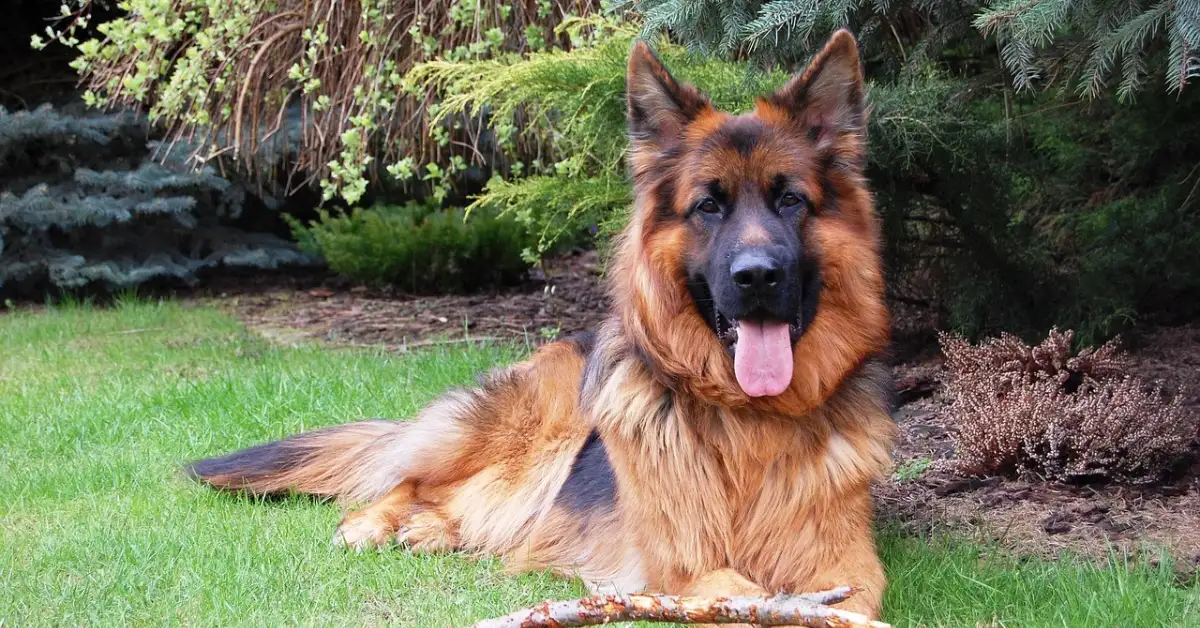
Their minds work fast, solving problems without much guidance. Loyalty runs deep in these animals, forming tight bonds with people they trust. Same roots as short-coated types, yet many wonder how that lush mane affects daily life. Grooming becomes a regular task, not something done once in a while. Temperament stays steady, calm around familiar faces. Families often ask if they fit well at home – answers usually lean yes. Questions pop up more than expected when looks differ from the norm.
Table of Contents
ToggleNot a distinct breed, long-haired German Shepherds stem from a hidden genetic trait
Their duties stay unchanged – tracking, guarding, learning fast like their short-coated kin. A fluffy coat grows instead, thanks to one quiet gene passed down through generations. Temperament stays sharp: alert, eager to follow tasks, deeply loyal without being told. Seen worldwide, these dogs serve just as reliably, whether at border crossings or beside families. Coat type shifts appearance alone; everything else roots firmly in classic Shepherd strength.
This guide exists because knowing what to expect matters
Traits show up early, yet care routines shape most of the journey. Health patterns emerge over time instead of overnight. Daily tasks pile up, whether someone sees them or not. Researching the breed reveals surprises some never anticipate. Owning one changes small habits without warning. Details shared here came from real situations, not theories. Trust builds when advice matches actual results.
Long Haired German Shepherd Dog
A different look comes from a hidden gene – this one shapes the fluffy outer layer of a long coat German Shepherd. Not every purebred carries it, yet those who do stay true to the breed’s roots just the same. Smarts match up perfectly with short-haired versions, even if the fur flows more freely. Built for tasks like herding or guarding, their drive does not change with softer strands. What sets them apart sits purely on the surface – the feel, the length, nothing beneath.
Feathers of fur sprout near the ears, chest, legs, and tail when the long-hair gene shows up in German Shepherds. Without that thick inner layer seen in short coats, these dogs often face different upkeep demands. Climate plays a role too – less undercoat means less insulation. What grows outside shapes how they handle cold.
Grown differently, some German Shepherds carry longer coats – this trait shows up in their genes even if it doesn’t fit the usual picture seen at dog shows. Still, life at home tells another story: with care and time spent around people, these fluffy versions stand just as true, learn just as well, stay just as devoted.
History and origin of long haired German Shepherds
Back in the late 1800s, Germany saw the start of what would become the German Shepherd. A man named Max von Stephanitz, once a captain, shaped it with purpose – smarts, drive, strength. Herding mattered most at first, so looks stayed loose. Because function ruled over form, fur types began to differ without pushback.
A few early German Shepherds carried a hidden trait – one that led to longer fur when two copies showed up. These fluffy pups popped up now and then, yet often missed out on jobs where toughness mattered most. Since thick undercoats helped block wind and rain, shorter coats usually won preference in harsh conditions.
Later on, kennel clubs began focusing more on performance, so long-haired German Shepherds were left out of most work trials and breed shows. Still, the long-haired type is fully recognized as part of the breed, now finding favor with pet lovers across different countries.
Long Haired German Shepherds Recognition by Kennel Clubs
A different look doesn’t mean it’s not purebred – some German Shepherds just grow longer fur. Though accepted by the American Kennel Club, that extra fluff keeps them out of show rings. Registration works fine, yet judging their shape? Not allowed. Long hair opens one door while closing another quietly.
Long coats on German Shepherds? Yep, FCI says they count. Even if their fur drapes longer than usual, these dogs still fit the official type. Show up at a conformation event with one, so long as everything else matches – size, stance, spirit – and entry stands approved. Rules don’t shut them out just because hair flows past the body. Recognition comes without extra conditions beyond standard expectations. A flowing mane does not cancel correctness. Judges assess based on full criteria, coat length included but never isolated.
Even though rules differ across shows, big dog organizations still see long-haired German Shepherds as fully authentic – not a different type at all. Whether they’re recognized changes how they compete, nothing else – how they act, think, or fit into homes or jobs stays unchanged.
Long Haired German Shepherd Compared With Short Haired German Shepherd
One thing stands out when looking at long-haired versus short-haired German Shepherds – looks aren’t the only factor. Though they come from the same roots, show equal smarts, and bond just as deeply, their fur makes a difference in upkeep. Grooming demands shift depending on length, affecting time spent brushing or cleaning loose hair. Because of this, one might suit active jobs better than the other. Breed judges often favor the shorter coat during competitions. Yet each version brings its own rhythm to daily care. For someone picking a match, knowing these small contrasts matters more than expected.
Coat Differences and Genetics
Out there among dogs, one stands apart by how it looks – long fur flows gently down its body. Soft strands drape over ears, brush the legs, puff along the chest, trail behind the tail. Meanwhile, another type keeps things tight – the coat clings close, built tough through weather and work. Where one glides with silkiness, the other stays firm, packed dense against cold and dirt. Appearance shifts, yet both trace back to the very same roots.
One reason behind this trait lies in a hidden genetic factor that needs to come from both mother and father dog. Purebred status or well-being does not shift just because fur grows longer. Still, dogs with flowing coats often miss out on dense inner layers of hair. That leaves them more exposed when storms roll in or temperatures drop.
Brushing matters more for long-haired German Shepherds – without it, knots take hold fast. Short-haired ones lose lots of fur, yet their upkeep feels lighter day after day.
Temperament and Personality Differences
Surprisingly smart, both long haired and short coated German Shepherds pick up tasks quickly. Because they bond closely with people, these dogs often stay alert around strangers. Their loyalty shows not in fur length but through consistent actions every day. Intelligence links to breeding, never proven tied to whether hair is thick or thin. Protection comes naturally, regardless of which coat type appears.
Still, plenty of owners and breeders notice quiet patterns over time. Some say long haired ones act a bit gentler, leaning into human company this helps them fit smoothly into homes. On the flip side, short-coated versions, particularly from working backgrounds, seem wired tighter, built for action like guarding, guiding livestock, or nailing complex cues.
Surprisingly, genes shape a dog’s behavior much more than fur length ever could. Whether short haired or long-haired, a German Shepherd raised right tends to stand calm, steady, on its feet. Breeding matters so does handling through life.
WORKING ABILITY AND BREED STANDARDS
Historically, short-haired German Shepherds have been favored for professional roles such as police work, military service, and search-and-rescue. Their dense double coat offers better protection against extreme weather and rough terrain, which is why they dominate working line vs show line breeding programs.
According to the official German Shepherd breed standard, short coated dogs have traditionally been preferred in conformation and working trials, particularly under organizations like the AKC. Long-haired German Shepherds were often excluded from shows due to coat structure, not ability.
However, this does not mean long-haired German Shepherds lack working potential. Many excel in obedience, agility, therapy work, and active companion roles. The difference lies more in tradition and standards than in intelligence or capability.
In summary, choosing between a long-haired and short haired German Shepherd should depend on lifestyle, grooming commitment, and intended purpose. Both are loyal, intelligent, and powerful dogs when bred responsibly and raised with proper care and training.
Long Haired German Shepherds Temperament and Personality
Besides having long fur, these dogs carry the same steady nature that gives German Shepherds their global reputation. Loyalty defines them, creating close ties with people they live with, sticking near those they trust. Because of this bond, they grow into attentive partners, doing best when included in daily tasks and given clear roles.
Alertness comes easily to long-haired German Shepherds when it comes to guarding their family. These dogs do not start off hostile, yet deep down they feel driven to defend their space and people. When raised with steady exposure to different experiences, they pick up how to tell ordinary moments from real danger – turning into calm, trustworthy watchers over time.
Because they’re smart and want to cooperate, long-haired German Shepherds learn quickly. Starting young helps them pick up simple rules, tough directions, or detailed jobs – practice makes progress. Praise works better than pressure; clear habits build trust. Steady guidance keeps their energy focused, results strong.
When brought up right, these dogs tend to be soft and steady around kids at home. Thanks to a quiet kind of strength, they fit into daily life without hassle – so long as their minds stay busy and their bodies move enough. If left idle too often, restlessness might show up as troublemaking.
A deep bond forms easily with these dogs, since their nature blends devotion and smarts without tipping too far one way. When raised with steady lessons, time around people, plus daily attention, they grow into steady helpers – just at home beside children as on active tasks.
Long Haired German Shepherds as Family Dogs
Because they need space to move, long-haired German Shepherds thrive where days include activity and structure. Their sharp minds pick up cues fast – patience during puppyhood builds trust that lasts. A steady rhythm at home helps them stay calm, even around strangers or loud sounds. Loyalty shows in quiet ways: a watchful pause by the door, following footsteps through rooms. When raised with clear boundaries, their guarding instinct becomes gentle awareness instead of fear. These dogs bond deeply, responding best to owners who match energy with consistency.
Long Haired German Shepherds With Children
Most times, a German Shepherd that grows up around kids shows calm behavior, staying relaxed even in busy moments. Because they bond closely, long-coated ones tend to stick near younger siblings, watching quietly while games unfold outside.
Even small kids need watching around these dogs because of their big build. Kids learning to treat the dog kindly – alongside basic training from an early age – builds trust slowly. That quiet bond makes life better at home, one calm moment at a time.
Compatibility With Other Pets
Because they meet other animals early, long-haired German Shepherds often get along well with household pets like cats or dogs. When introduced carefully during youth, their instinct to chase tends to fade over time. Living calmly alongside others becomes more likely when experiences start young.
Start slow when bringing them together, building good moments step by step. Even if one pushes for control at first, steady guidance and a quiet hand often lead to peace among pets living together.
Ideal Living Environment and Space Needs
A dog needs room to move if it’s going to stay calm and healthy. Homes that offer open areas work best for long-coated German Shepherds. Fenced yards let them wander without risk. Running freely helps these animals feel balanced.
Living in small spaces works just fine when walks happen every day along with puzzle toys or training games. A lack of room to move around plus boredom often leads to chewing, barking, or restlessness – so staying busy isn’t optional, it’s part of the deal.
Grooming And Maintenance Needs
Start brushing early if you want fewer tangles later. A shiny coat often means healthier skin underneath. When days get warmer, expect more fur on furniture. Try a slicker brush two times each week instead of waiting till clumps form. Some dogs hate combing at first – go slow. Loose hair has to go somewhere; without regular work, it ends up in corners or on clothes. Patches that feel thick might be mats hiding close to the body. Swap tools when one stops working well. Comfort matters just as much as cleanliness. Notice how seasons shift what comes out during brushing. Sticking to small sessions beats skipping weeks then struggling. Each stroke removes dead strands before they scatter. Good habits start quiet, not forced.
Shedding Levels and Seasonal Coat Changes
Heavy German Shepherd shedding surprises no one, yet even longer-coated types follow the same pattern. Most of the time, fur loss stays manageable across seasons. Come spring or autumn, though, things ramp up – old hair loosens fast when weather swings hit. That shift makes brushing sessions far less forgiving as clumps start piling up. Temperature flips trigger it, and the dog responds by ditching layers like clockwork.
Heavy tufts of fur often fall out near the chest, tail, or back of the ears on long-haired types – different from their shorter-furred relatives. Though certain ones carry less underlayer fluff, they still drop hair steadily throughout the year. Brushing every few days keeps stray hairs off furniture while supporting better skin and fur balance.
Most pets shed less when brushed often, so homes stay cleaner. A regular brush brings out dull fur, leaving it healthier. Fewer loose hairs mean fewer on couches. Care like this shows in how a coat shines. Simple steps add up without extra effort.
Brushing Bathing Coat Care
Most days, a brush keeps things under control. Three or four passes weekly work well outside heavy shed periods. When fur flies fastest, every day makes sense instead. Tangles fade when routine steps in. Dead strands come out before they knot up further. Oils spread naturally with each stroke of the tool. Consistency matters more than counting sessions.
Once every six to eight weeks works best for baths – only more often if mud covers the dog from nose to tail. Skin dries out when washed too much, since natural oils vanish with frequent scrubbing. A shampoo made just for dogs always fits better, especially one built for thick fur or tender skin.
Start by looking over the fur after a bath, spotting twigs or dirt caught in the strands. A quick wipe between the footpads keeps matted hair at bay, especially when walks get muddy. Instead of waiting for smells or redness, peek into the ears weekly just to be sure. Skin checks go hand in hand with grooming time – dry spots or bumps show up faster that way. Little efforts like these add up, stopping irritation before it starts. Smooth coats often come down to consistency, not fancy tools.
RECOMMENDED GROOMING TOOLS
Most dogs sit still when tools fit their fur type. Picking a proper comb for a German Shepherd ties to how thick the coat feels plus how much it drops hair. Loose knots up top often slide away with a fine-wire tool instead of a stiff one. Deep layers shed better using a fork-like scraper especially when clumps pile up fast.
Start with a wide-tooth metal comb it glides through feathery spots while keeping tangles at bay. Smoothing things out comes next, using a soft bristle brush that polishes the fur gently. When tools work well, tension drops for dog and person alike, plus there’s less wear on the coat.
Starting each session with the right brush helps manage loose fur before it spreads across furniture. A steady schedule keeps the coat from tangling when seasons shift. Instead of waiting for clumps to form, regular care supports skin health while reducing mess indoors. When done consistently, combing turns into quiet time that both owner and dog settle into. Through this habit, comfort grows alongside cleanliness without sudden surprises on upholstery.
Training and Exercise Needs
Smart German Shepherds with long fur need clear rules plus plenty of movement each day. When left without direction or tasks, those sharp minds and restless bodies often cause trouble around the home. Starting early with lessons on behavior, meeting others, problem solving games helps them stay calm later. Running, playing, learning new things each piece matters just as much as the rest.
Intelligence and Obedience Training
Smart dogs like German Shepherds pick things up fast this holds true even when they have longer fur. Because these animals thrive on routine, steady rules help them behave well over time. Training works better if begun at a young age; rewards guide progress far more than pressure ever could. Brief lessons done often stick in their memory much deeper than marathon drills. Structure matters just as much as patience when shaping how they act.
Obedience training should begin in puppyhood with basic commands like sit, stay, come, and leash walking. As they mature, long-haired German Shepherds excel in advanced obedience, agility, and task-based training. Their eagerness to please makes them highly responsive, but inconsistent leadership can lead to stubborn or dominant behavior.
Flowing fur sets long-haired German Shepherds apart, turning heads wherever they go. Their minds work fast, solving problems without much guidance. Loyalty runs deep in these animals, forming tight bonds with people they trust. Same roots as short-coated types, yet many wonder how that lush mane affects daily life. Grooming becomes a regular task, not something done once in a while. Temperament stays steady, calm around familiar faces. Families often ask if they fit well at home – answers usually lean yes. Questions pop up more than expected when looks differ from the norm.
Not a distinct breed, long-haired German Shepherds stem from a hidden genetic trait altering only fur length. Their duties stay unchanged – tracking, guarding, learning fast like their short-coated kin. A fluffy coat grows instead, thanks to one quiet gene passed down through generations. Temperament stays sharp: alert, eager to follow tasks, deeply loyal without being told. Seen worldwide, these dogs serve just as reliably, whether at border crossings or beside families. Coat type shifts appearance alone; everything else roots firmly in classic Shepherd strength.
This guide exists because knowing what to expect matters. Traits show up early, yet care routines shape most of the journey. Health patterns emerge over time instead of overnight. Daily tasks pile up, whether someone sees them or not. Researching the breed reveals surprises some never anticipate. Owning one changes small habits without warning. Details shared here came from real situations, not theories. Trust builds when advice matches actual results.
Long Haired German Shepherd Dog
A different look comes from a hidden gene – this one shapes the fluffy outer layer of a long coat German Shepherd. Not every purebred carries it, yet those who do stay true to the breed’s roots just the same. Smarts match up perfectly with short-haired versions, even if the fur flows more freely. Built for tasks like herding or guarding, their drive does not change with softer strands. What sets them apart sits purely on the surface – the feel, the length, nothing beneath.
Feathers of fur sprout near the ears, chest, legs, and tail when the long-hair gene shows up in German Shepherds. Without that thick inner layer seen in short coats, these dogs often face different upkeep demands. Climate plays a role too – less undercoat means less insulation. What grows outside shapes how they handle cold.
Grown differently, some German Shepherds carry longer coats – this trait shows up in their genes even if it doesn’t fit the usual picture seen at dog shows. Still, life at home tells another story: with care and time spent around people, these fluffy versions stand just as true, learn just as well, stay just as devoted.
History and origin of long haired German Shepherds
Back in the late 1800s, Germany saw the start of what would become the German Shepherd. A man named Max von Stephanitz, once a captain, shaped it with purpose – smarts, drive, strength. Herding mattered most at first, so looks stayed loose. Because function ruled over form, fur types began to differ without pushback.
A few early German Shepherds carried a hidden trait – one that led to longer fur when two copies showed up. These fluffy pups popped up now and then, yet often missed out on jobs where toughness mattered most. Since thick undercoats helped block wind and rain, shorter coats usually won preference in harsh conditions.
Later on, kennel clubs began focusing more on performance, so long-haired German Shepherds were left out of most work trials and breed shows. Still, the long-haired type is fully recognized as part of the breed, now finding favor with pet lovers across different countries.
Long Haired German Shepherds Recognition by Kennel Clubs
A different look doesn’t mean it’s not purebred – some German Shepherds just grow longer fur. Though accepted by the American Kennel Club, that extra fluff keeps them out of show rings. Registration works fine, yet judging their shape? Not allowed. Long hair opens one door while closing another quietly.
Long coats on German Sheherds? Yep, FCI says they count. Even if their fur drapes longer than usual, these dogs still fit the official type. Show up at a conformation event with one, so long as everything else matches – size, stance, spirit – and entry stands approved. Rules don’t shut them out just because hair flows past the body. Recognition comes without extra conditions beyond standard expectations. A flowing mane does not cancel correctness. Judges assess based on full criteria, coat length included but never isolated.
Even though rules differ across shows, big dog organizations still see long-haired German Shepherds as fully authentic – not a different type at all. Whether they’re recognized changes how they compete, nothing else – how they act, think, or fit into homes or jobs stays unchanged.
Long Haired German Shepherd Compared With Short Haired German Shepherd
One thing stands out when looking at long-haired versus short-haired German Shepherds – looks aren’t the only factor. Though they come from the same roots, show equal smarts, and bond just as deeply, their fur makes a difference in upkeep. Grooming demands shift depending on length, affecting time spent brushing or cleaning loose hair. Because of this, one might suit active jobs better than the other. Breed judges often favor the shorter coat during competitions. Yet each version brings its own rhythm to daily care. For someone picking a match, knowing these small contrasts matters more than expected.
Coat Differences and Genetics
Out there among dogs, one stands apart by how it looks – long fur flows gently down its body. Soft strands drape over ears, brush the legs, puff along the chest, trail behind the tail. Meanwhile, another type keeps things tight – the coat clings close, built tough through weather and work. Where one glides with silkiness, the other stays firm, packed dense against cold and dirt. Appearance shifts, yet both trace back to the very same roots.
One reason behind this trait lies in a hidden genetic factor that needs to come from both mother and father dog. Purebred status or well-being does not shift just because fur grows longer. Still, dogs with flowing coats often miss out on dense inner layers of hair. That leaves them more exposed when storms roll in or temperatures drop.
Brushing matters more for long-haired German Shepherds – without it, knots take hold fast. Short-haired ones lose lots of fur, yet their upkeep feels lighter day after day.
Temperament and Personality Differences
Surprisingly smart, both long-haired and short-coated German Shepherds pick up tasks quickly. Because they bond closely with people, these dogs often stay alert around strangers. Their loyalty shows not in fur length but through consistent actions every day. Intelligence links to breeding, never proven tied to whether hair is thick or thin. Protection comes naturally, regardless of which coat type appears.
Still, plenty of owners and breeders notice quiet patterns over time. Some say long-haired ones act a bit gentler, leaning into human company – this helps them fit smoothly into homes. On the flip side, short-coated versions, particularly from working backgrounds, seem wired tighter, built for action like guarding, guiding livestock, or nailing complex cues.
Surprisingly, genes shape a dog’s behavior much more than fur length ever could. Whether short-haired or long-haired, a German Shepherd raised right tends to stand calm, steady, on its feet. Breeding matters – so does handling through life.
Socializing Keeps Minds Active
Start them young – German Shepherd pups need real-world experiences early. Meeting various folks, new places, odd noises, or other creatures shapes how they act down the road. Skip this step? Nervousness might stick around forever. Those fluffy-coated ones who meet the world head-on tend to stay cool, steady, even when things shift suddenly. Confidence often begins with a busy first few months.
A tired mind often matters more than a worn-out body. Because puzzle toys, sniffing challenges, command practice, yet playful activities spark thinking and ease restlessness. When mental effort falls short, German Shepherds might start tearing things apart or barking nonstop instead. Purpose comes through planned brainwork – tasks that feel meaningful, even quiet.
DAILY EXERCISE REQUIREMENTS
Skipping exercise isn’t an option when you own a high-energy dog like a German Shepherd. These long-coated dogs need close to two hours outside each day – think fast-paced strolls, running alongside bikes, tossing balls repeatedly, practicing cues, or letting them roam safely under watchful eyes.
One way to stay sharp is mixing up movement each day. When routines shift, energy finds better outlets. A steady pace outside keeps nerves calm inside. Jumping between activities builds strength evenly across the body. Without enough motion, tension grows quiet then spills out sideways. Moving every single day shapes how well attention holds. Discipline links closely to how much space gets covered on foot. Emotions settle when muscles earn their rest.
Bold choices shape life for long-haired German Shepherds – routine matters, clear rules matter more. A steady mix of learning moments alongside daily movement builds trust slowly over time. This path leads to calm behavior, sharp focus, deep connection. Confidence grows where effort shows up every day.
Health Lifespan Genetics
Most health traits match between long-coat and short-coat German Shepherds since fur length isn’t tied to wellness. Because genes matter more than hair, owners should learn about inherited conditions instead of focusing on appearance. Nutrition that fits their size and age keeps systems running smoothly behind the scenes. Movement every day supports joints just as much as it sharpens awareness. Regular checkups catch small issues before they grow into bigger problems down the road. Taken together, these habits shape how well they age over time.
Common Health Issues in German Shepherds
Most long-haired German Shepherds carry a chance of inheriting specific health problems. Trouble with hips shows up often, wearing down joint function over time. Aching steps and stiff movement may follow into later years. Picking pups from adults checked for illnesses helps lower that odds. Health screening matters before breeding.
Beyond common issues lies degenerative myelopathy – this one hits the nervous system, slowly breaking down spinal function. Older dogs often show signs first, stumbling more behind. Legs lose strength bit by bit, motion fading over time. Though fixing it isn’t possible, spotting it early makes space for comfort measures. Supportive steps won’t reverse things but may ease how days unfold.
Watching your pet closely between visits helps catch odd behaviors fast. A vet spots hidden issues before they grow worse. Blood tests reveal what looks fine on the surface. Knowing family history guides better care down the road. Quiet changes today might signal bigger needs tomorrow.
Nutrition Exercise Preventive Care
Packed meals help German Shepherds move easier, feel better inside, stay strong against illness. Protein from meat matters most, along with good oils, helpers like glucosamine, plus fish based omegas. As dogs grow older, run more, or shift size, what they eat must change too.
Most days, moving around keeps the body strong while taking pressure off knees and hips. Shots now and then stop sickness before it starts, so checkups matter just as much. Worms and bugs get managed when schedules stay consistent. Teeth cleaned regularly avoid bigger troubles down the road. A professional look every few months catches what you might miss at home.
Average Lifespan of Long Haired German Shepherds
A healthy German Shepherd usually lives between nine and thirteen years, while long-coated ones share that timeline too. Genes play a role, yet food choices matter just as much. Movement keeps them going, but where they live can shift things quietly. Medical care makes a difference, though how it’s managed counts even more.
Most dogs live well when their breeders act responsibly, feeding them right, keeping minds active, then handling health before problems show. Though genes matter at first, what happens each day shapes how long they thrive, plus how good those years feel.
Because they know about health and genes, owners can act early when bringing up a sturdy, energetic long haired German Shepherd. A clear picture of genetics helps shape how they care from the start. When risks are known, choices get smarter. Strong pups often come from mindful planning. Spotting issues ahead means fewer surprises later. Care that’s guided by insight tends to go smoother. Knowing what’s inherited guides daily decisions. Preparedness shows in how the dog grows. Awareness turns into better routines. Health insights lead to steady progress.
Long Haired German Shepherd Puppies What To Know Before Buying
Most folks fall for the look of a fluffy German Shepherd pup without thinking past those first cuddles. Yet picking one means digging into details before falling too hard. A breeder who cares shows health papers plus treats dogs like family, not cash machines. Spotting a real long coat takes knowing how fur changes through growth phases. Bills pop up fast – shots, food, vet checks – then keep coming year after year. Getting ready isn’t just about money though. Time matters more when grooming turns daily and shedding piles high on floors. Truth lives in routine things: brushing sessions, training wins, muddy paws at midnight. Choosing well today shapes ten-plus years down the road.
Identifying Long Haired Puppies
Puppy coats show clues early – feathery edges near ears, paws, and tail give it away. Soft fluff spreads wider than tight fur seen on shorter types. Along the back, hair grows looser, not pressed close. Instead of sleek shapes, these pups carry a fuller look from the start.
Later on, fur length becomes clearer as the pup grows past a few weeks. Since longer coats come from a hidden gene, checking what the mother and father carried in their genes gives better clues. Looking at earlier puppies they had can also point toward what to expect.
Select Ethical Breeders Or Rescues
A good German Shepherd breeder makes all the difference when you’re ready to buy. Health matters more than looks responsible breeders prove it through clear records. Instead of flashy coats or big names, they show results: hip scores, elbow ratings, DNA checks. Behind every solid puppy is paperwork that tells the real story.
Some dogs find their way into rescue groups because people didn’t realize how much brushing they’d need. Long coated German Shepherds often land there after families miscalculate time for walks and coat care. Shelters focused on one breed can be just as helpful when looking for a new pet. Giving a home to one of these animals means someone gets another shot – and you help encourage thoughtful choices.
COST AND LONG TERM OWNERSHIP
Most folks pay more for long-haired German Shepherds simply because fewer are born that way. A new pup might mean paying up front for shots, a chip under the skin, maybe even bowls and leashes. Some buyers spend extra just to find one of these rare coats. Getting started usually adds several expenses beyond the first payment.
Spending doesn’t stop at purchase – food shows up every week, vet visits pop up without warning. Brushing takes minutes daily, sometimes longer when shedding hits hard. Training isn’t a one-time thing; it sticks around like background noise. Medical surprises can drain savings fast, especially as they age. These dogs thrive where routines bend toward activity, not stillness. Commitment here means showing up, consistently, even when it feels ordinary.
Long Haired German Shepherd Ownership Considerations
For some people, having a long-haired German Shepherd brings real joy though it might not suit every lifestyle. Looking at what goes well alongside the tough parts gives future owners clearer eyes when deciding to adopt. Realizing these sides shapes honest hopes ahead of time.
ADVANTAGES
A big plus about long-haired German Shepherds? Their deep bond with people they live alongside. Because they connect so closely, daily moments become meaningful. When trust builds, protection comes naturally – not forced, just felt. Family life shapes how they show up every day.
Smart dogs by nature, these long-coated shepherds pick up skills fast. Given clear direction, they thrive in structured activities like obstacle courses, following complex cues, helping people emotionally, staying disciplined under rules. Quick to catch on, they settle into daily patterns without fuss. A good fit for households that move a lot or handlers who’ve walked this path before.
Folks drawn to steady energy often find these beings a natural fit, especially when daily movement and thoughtful engagement are part of life. Their presence flows easily alongside humans who move at a mindful pace.
CHALLENGES
Spending time on grooming matters a lot when you have one of these dogs. A brush every few days keeps the silky fur from knotting up, stopping sore spots underneath. Staying consistent with care means fewer problems later, especially during heavy shedding times.
Spring and autumn turn fur into a constant drift across floors. When seasons shift, loose hair multiplies fast – long coats make it worse. Some people want calm routines at home; this breed disrupts that quiet. Allergy concerns grow alongside the mess left behind.
For those ready to handle daily brushing plus a dog that thrives on movement, this breed fits well. Happiest when cared for properly, they give deep friendship, steady devotion, through sharp minds – effort matched by connection.
Is A Long Haired German Shepherd Right For You?
Life moves fast when you’re thinking about a long-haired German Shepherd. Picture mornings full of movement, afternoons shaped by routine, evenings charged with attention – this dog fits best there. Instead of quiet corners, it leans toward open spaces, hikes, games that challenge its mind. When your days include walking trails, teaching cues, solving puzzles together, the bond grows stronger without trying. Matching energy matters more than space; even small homes work if time outside fills the gaps.
Spending hours on upkeep matters more than most expect. Brushing must happen often, especially when fur piles up each season. Beyond that, walks every day keep energy in check while practice shapes their actions. Anyone swamped with tasks might struggle to meet these needs without stress building.
Confidence shapes how well things go when you keep a German Shepherd. These dogs learn fast, yet need someone steady who shows clear direction every day. New pet keepers might manage just fine – provided they make space for studying methods or team up with an expert who knows the process. A few missteps happen, especially without prior practice, still progress comes through daily effort.
Starting strong with commitment means a long-haired German Shepherd might just fit your life perfectly. Their devotion shines through when someone stays step by step with them every day. Loyalty comes naturally to these dogs, especially if trust builds slowly over time. Intelligence shows up in small moments – how they watch, wait, then act. A bond forms differently here, not loud but steady, lasting years without fading. Matching their energy with the right person makes all the difference in how things unfold.
FAQs
1. Long Haired German Shepherds Same Breed?
Surprisingly, those fluffy German Shepherds aren’t their own kind. Instead, they’re full-blooded members of the breed – just carrying a hidden gene that grows longer fur. Their coats come from a quiet trait passed down invisibly through generations. Not different at heart, just softer to touch.
2. Long Haired German Shepherds Shedding Compared to Short Haired?
Bursts of loose fur often fly from long-haired German Shepherds, most when seasons shift. Brushing now then eases the tumble of hair across floors. Each season renews the fall. Fur piles up unless hands move through it weekly. Changes in weather trigger fuller drops. Care slows what cannot stop.
3. Long Haired German Shepherds and Kennel Club Recognition?
Though seen as true German Shepherds, certain breed registries mark the long-haired type unfit for show rings.
4. Long Haired German Shepherds Temperament Differences?
A dog’s fur won’t tell you how it behaves. What shapes its nature is mostly inherited traits, plus how it was raised. Social experience plays a big role too – coat length has nothing to do with that.
5. Long Haired German Shepherds as Family Dogs?
True enough, if raised right and taught well, these dogs stick close, guard quietly, yet move soft around kids. Though firm when needed, their nature bends warm at home.
6. Long Haired German Shepherd Grooming Frequency?
Bristling coats need attention every few days, yet more often when fur flies thick. During peak shed, touch them each day.
7. Long Haired German Shepherds Training Challenges?
Actually, their smarts match those of shorthaired German Shepherds – just as quick to learn. Some might think coat length affects ability, but it doesn’t slow them down at all. Training sessions go just as smoothly, whether the fur is long or short. Their focus and drive stay strong, no matter the grooming needs.
8. Long Haired German Shepherds and Hot Weather?
Besides needing attention in high temperatures, they handle warmth fairly well – though staying out of direct sun helps. Hydration matters more when it’s hot, so water must be available at all times. When the day reaches its hottest point, cutting back on movement keeps them safer. Even with strong tolerance, rest periods make a difference.
9. How long do long-haired German Shepherds usually live?
Most live around nine to thirteen years, much like regular German Shepherds.
10. Long Haired German Shepherd Puppies Cost More?
Besides being harder to find, these fluffy pups tend to cost more because lots of people want them. Their price jumps when fewer show up for sale, simply put.
CONCLUSION
Those fluffy German Shepherds? They’re just like the regular kind – smart, devoted, always watchful. Their longer fur makes them stand out, true, but brushing takes more time than most expect. Skipping care leads to tangles fast.
Bursting with energy, these dogs do well in homes that move at a fast pace – daily walks, clear rules, steady learning keep them grounded. Not one for lazy routines, they demand time: brushing coats often, teaching lessons repeatedly, showing patience year after year. Left without enough activity, they might act out – but give them structure, and quiet strength begins to show. Their balance comes from routine, trust built slowly through attention.
Anyone up for daily grooming might find long-haired German Shepherds a perfect fit. These dogs shine when someone sticks around, ready to put in effort every single day. A steady routine brings out their best – loyalty that runs deep, smarts that surprise you, protection without being asked. Commitment shapes what grows between human and dog. When care stays consistent, trust builds slow but sure. Their eyes watch closely, learning everything. Years pass, yet the connection only tightens.
Not everyone realizes how much time brushing takes. A long coat means tangles show up fast. Living with one works best if you already know dog care basics. These dogs bond deeply when raised with steady routines. Their presence changes a household slowly. Years pass. The connection grows stronger without words. Fur on furniture becomes normal. Trust builds through daily walks and quiet evenings. Commitment shapes the relationship more than training ever could.