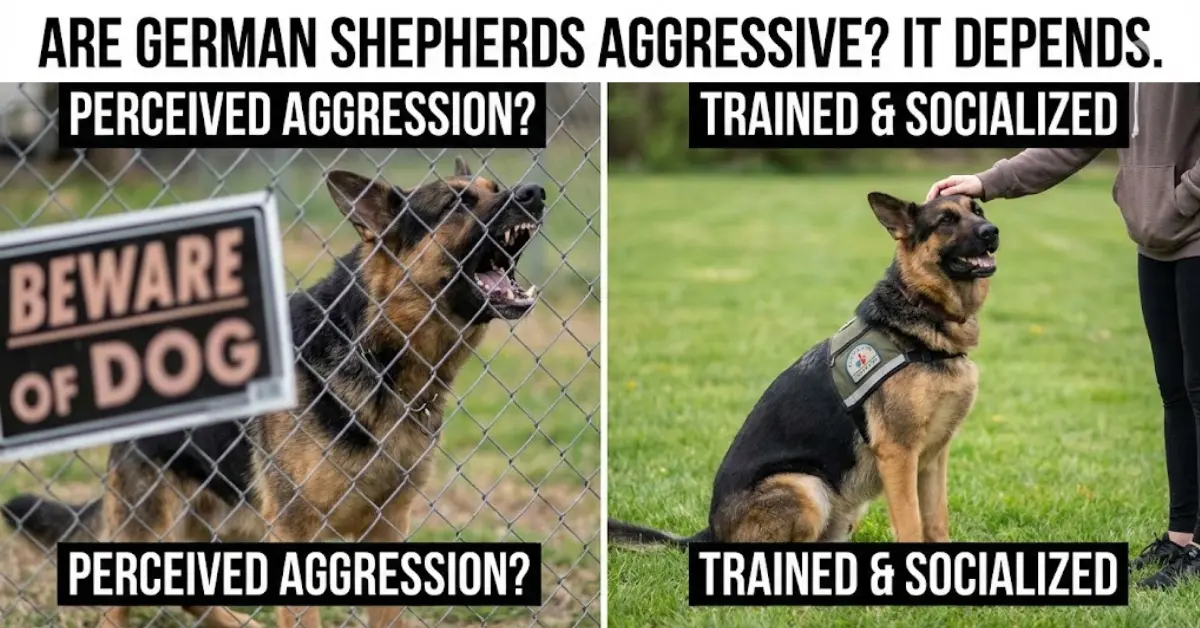
German Shepherds are often labeled as aggressive, but this reputation is largely based on myths rather than facts. Breed behavior is influenced by genetics, training, environment, and responsible ownership, not fear-driven stereotypes.
According to veterinary behaviorists and canine research organizations, German Shepherds are naturally confident, intelligent, and protective, not inherently aggressive. Their strong guarding instincts are frequently misinterpreted as hostility.
Studies on canine behavior show that early socialization and proper training significantly reduce fear-based reactions in large working breeds. Dogs raised with positive reinforcement tend to display stable and predictable behavior.
When asking Are German Shepherds Aggressive, experts emphasize evaluating the dog as an individual rather than judging the entire breed. Aggression is typically linked to neglect, poor training, or irresponsible breeding.
Animal welfare organizations and professional trainers consistently rank German Shepherds as highly trainable and family-oriented when their physical and mental needs are met. Proper care plays a critical role in temperament development.
Why Do People Think German Shepherds Are Aggressive?
The German Shepherd reputation as a tough or dangerous dog has developed over decades due to misunderstanding and selective exposure. As a large, powerful working breed, they are often grouped with so-called aggressive dog breeds, despite lacking evidence that they are inherently hostile.
Canine behavior experts and veterinary organizations explain that size, strength, and protective instincts are frequently confused with aggression. This leads many people to ask are German Shepherds dangerous, even though temperament studies show behavior depends more on training, socialization, and environment than breed alone.
Reliable animal welfare sources consistently stress that mislabeling breeds creates fear-based narratives rather than informed understanding.
Media Portrayal and Police Dog Stereotypes
Movies, news reports, and television often portray German Shepherds as attack dogs, reinforcing fear-driven stereotypes. Their frequent use as police and military dogs amplifies this image, as media coverage focuses on enforcement rather than obedience and control.
Professional trainers and law enforcement agencies emphasize that these dogs are chosen for intelligence and trainability, not aggression. Without this context, viewers may associate discipline and alertness with danger.
This selective portrayal shapes public opinion more than scientific evidence or real-world ownership data.
Bite Statistics and Misinterpreted Data
Dog bite statistics are commonly cited to label certain breeds as aggressive, but animal behavior researchers caution against this approach. Data often lacks context, such as population size, reporting bias, or owner responsibility.
Veterinary studies confirm that bites are more closely linked to poor supervision, lack of training, and environmental stressors than breed genetics. Larger breeds are also more likely to be reported, skewing public perception.
Experts recommend evaluating behavior patterns, not isolated numbers, when assessing canine risk.
Comparing German Shepherds to Other Large Breeds
When compared objectively to other large breeds, German Shepherds do not show higher rates of unprovoked aggression. Breed comparison studies conducted by canine research institutions highlight similar temperament ranges across large working dogs.
Behavior specialists note that factors like exercise, mental stimulation, and early socialization are consistent predictors of stable behavior across breeds. Size alone does not equate to danger.
Trusted kennel clubs and veterinary associations consistently classify German Shepherds as balanced, reliable dogs when responsibly bred and raised.
Are German Shepherds Naturally Aggressive or Protective?
The German Shepherd temperament is often misunderstood due to confusion between protection and aggression. Canine behavior experts agree that German Shepherd behavior is rooted in confidence, alertness, and loyalty rather than hostility.
Veterinary associations and kennel organizations explain that this breed was developed to work closely with humans, requiring emotional stability and controlled responses. When discussing protective vs aggressive dogs, professionals emphasize that protectiveness involves awareness and restraint, while aggression involves fear or intent to harm.
Reliable animal behavior research consistently identifies environment, training, and socialization as the strongest influences on how these traits are expressed.
Natural Instincts of the German Shepherd Breed
German Shepherds were selectively bred for herding and guarding, which explains their strong awareness and responsiveness to their surroundings. Breed historians and kennel clubs document that these instincts prioritize observation and control, not impulsive reactions.
Canine ethologists note that German Shepherds are wired to assess situations before acting. This measured response is why the breed excels in service, search-and-rescue, and assistance roles worldwide.
Such instincts, when guided properly, support stability rather than aggression.
Difference Between Aggression and Protection
Animal behavior specialists clearly distinguish aggression from protection based on intent and control. Aggression involves uncontrolled reactions driven by fear, frustration, or stress, while protection is a learned, situational response.
Veterinary behavior studies show that protective dogs remain responsive to commands and disengage when threats disappear. German Shepherd behavior typically reflects this pattern when trained using evidence-based methods.
This distinction is critical for accurate breed evaluation and public understanding.
How Breed Standards Define Temperament
Official breed standards published by major kennel clubs describe German Shepherds as confident, steady, and approachable under normal conditions. Aggressive or unstable behavior is explicitly listed as a fault.
Breed evaluators and judges assess temperament alongside physical traits to ensure adherence to these standards. This oversight reinforces consistency in behavior across responsibly bred lines.
Such definitions provide authoritative guidance on what the breed is intended to be.
What Causes Aggression in German Shepherds?
Understanding aggressive German Shepherd causes requires examining environmental, genetic, and medical factors rather than blaming the breed itself. Canine behavior specialists agree that dog aggression causes are usually learned or situational.
Veterinary associations and professional trainers identify inadequate socialization, inconsistent training, and unmanaged stress as leading contributors. These factors can result in German Shepherd behavior problems when a dog lacks clear boundaries or mental stimulation.
Peer-reviewed animal behavior research consistently shows that aggression is a response to unmet needs, fear, or discomfort, not a natural breed trait.
Lack of Socialization and Training
Early socialization plays a critical role in shaping stable canine behavior. Veterinary behaviorists emphasize that German Shepherds exposed to diverse people, animals, and environments during puppyhood are less likely to develop fear-based reactions.
Positive reinforcement training builds trust and predictability, reducing confusion and stress. Dogs without structured guidance may respond defensively to unfamiliar situations.
Authoritative training organizations consistently identify socialization gaps as one of the most preventable aggression triggers.
Poor Breeding Practices
Irresponsible breeding can significantly influence temperament and stability. Canine geneticists and kennel clubs warn that breeding without temperament screening increases the risk of anxiety and reactivity.
Reputable breeders follow strict standards, selecting dogs with balanced behavior and sound nerves. When these practices are ignored, behavioral issues may surface regardless of training quality.
Breed organizations stress ethical breeding as a foundation for predictable temperament.
Fear, Anxiety, and Trauma
Fear-based aggression is one of the most common forms seen in dogs. Veterinary studies show that traumatic experiences, neglect, or chronic stress can condition defensive responses.
German Shepherds are highly sensitive to their environment, making them more reactive when anxiety is unmanaged. Professional behaviorists recommend early intervention to prevent escalation.
Addressing emotional triggers is essential for long-term behavioral stability.
Health Issues That Can Trigger Aggression
Medical conditions can directly impact behavior. Veterinarians report that pain, neurological disorders, and hormonal imbalances may cause sudden aggression.
Conditions such as hip dysplasia or thyroid dysfunction can increase irritability if left untreated. Routine health screenings help identify these issues early.
Medical evaluation is a critical step when unexplained aggression appears.
Are German Shepherds Safe for Families and Children?
The question Are German Shepherds good family dogs is frequently addressed by veterinarians, child-safety organizations, and canine behavior experts. Research shows that German Shepherds can be excellent companions in households with children when properly trained and socialized.
Animal welfare authorities note that family-friendly guard dogs combine protectiveness with emotional stability. German Shepherds with kids often display loyalty and patience, provided their physical and mental needs are met.
Expert consensus emphasizes that safety depends on responsible ownership, structured training, and understanding canine communication rather than breed alone.
Temperament Around Children
German Shepherds are generally attentive and tolerant around children when raised in a stable environment. Veterinary behaviorists describe the breed as observant and responsive, which helps them adapt to household routines.
Studies on canine-child interactions highlight that dogs with predictable temperaments are less likely to react negatively. German Shepherds benefit from clear boundaries and calm handling.
When children are taught respectful behavior, interactions are typically positive and controlled.
Importance of Early Exposure to Family Environments
Early exposure to family settings plays a key role in shaping social behavior. Canine development experts explain that puppies introduced to children, household noises, and daily activities develop stronger coping skills.
German Shepherds raised in diverse family environments are less prone to anxiety-related responses. This exposure supports emotional resilience and confidence.
Veterinary associations recommend structured socialization during the first year to reduce long-term behavior issues.
Supervision and Training Best Practices
Professional trainers and pediatric safety groups stress the importance of supervision during all dog-child interactions. No dog, regardless of breed, should be left unsupervised with young children.
Consistent training using evidence-based methods reinforces obedience and impulse control. Teaching both dogs and children appropriate behavior creates safer interactions.
These practices align with expert safety guidelines for family dogs.
How Training Impacts German Shepherd Aggression
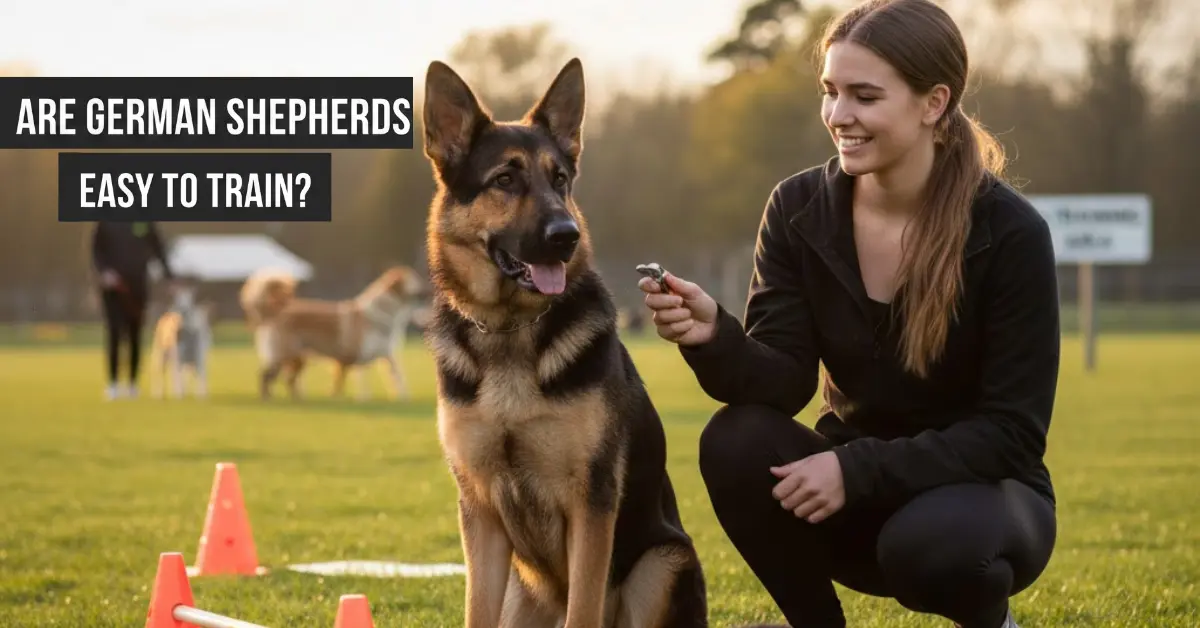
Effective German Shepherd training is one of the most influential factors in preventing aggression. Veterinary behaviorists and certified trainers consistently report that dogs with structured guidance display greater emotional control.
Obedience training and socialization training for dogs help German Shepherds understand expectations, reducing fear-based reactions. Clear communication lowers stress and improves predictability in daily interactions.
Animal behavior research confirms that training methods grounded in positive reinforcement are associated with lower aggression rates and improved long-term temperament stability.
Early Socialization (8–16 Weeks Critical Window)
Canine development experts identify the 8–16 week period as a critical learning window. During this stage, puppies form lasting impressions of people, environments, and other animals.
Veterinary studies show that German Shepherds exposed to varied stimuli during this phase are less likely to develop defensive behaviors. Controlled exposure builds confidence rather than fear.
Professional guidelines emphasize gradual, positive experiences to support healthy behavioral development.
Obedience Training and Mental Stimulation
Obedience training provides structure and reinforces impulse control. Commands such as sit, stay, and recall create clear boundaries that reduce uncertainty and reactivity.
Mental stimulation is equally important for intelligent working breeds. Canine cognition research links boredom and frustration to increased behavior problems.
Training programs that combine physical exercise with problem-solving activities support balanced behavior.
Why Professional Training Reduces Aggressive Tendencies
Certified professional trainers apply evidence-based techniques tailored to individual dogs. Veterinary behavior organizations recommend professional intervention for persistent behavioral issues.
Structured programs identify triggers and correct responses safely and effectively. This reduces escalation and reinforces positive behavior patterns.
Expert-led training aligns with best practices for long-term aggression prevention.
Signs of Aggression vs Normal German Shepherd Behavior
Distinguishing between normal behavior and signs of dog aggression is essential for responsible ownership. Canine behavior experts explain that many German Shepherd warning signs are often misread, leading to unnecessary concern.
Behaviors such as alert barking, guarding, or intense focus are common in working breeds and do not automatically indicate aggression. Veterinary behavior guidelines stress evaluating context, frequency, and intensity.
Accurate interpretation supported by expert knowledge helps prevent escalation and ensures appropriate behavioral management.
Body Language Signals Owners Should Watch For
Canine body language provides early indicators of emotional state. Veterinary behaviorists identify warning signals such as stiff posture, hard eye contact, growling, raised hackles, and lip lifting as potential aggression markers.
Subtle cues like yawning, lip licking, or turning away often indicate stress rather than threat. Recognizing these signals allows early intervention before reactions escalate.
Professional training resources emphasize observing clusters of signals rather than isolated behaviors.
Territorial Behavior vs Aggression
Territorial behavior is a normal instinct in German Shepherds and often involves alerting or guarding familiar spaces. Animal behavior research distinguishes this from aggression, which includes intent to bite or cause harm.
Territorial dogs typically respond to commands and disengage when the perceived threat is removed. Aggression persists beyond the trigger and is harder to interrupt.
Experts recommend management strategies rather than punishment for territorial responses.
When to Seek a Professional Trainer or Behaviorist
Certified trainers and veterinary behaviorists should be consulted when warning signs become frequent or intense. Professional organizations advise early intervention to prevent learned aggression.
Situations involving snapping, biting, or fear-based reactions require expert assessment. A professional can identify triggers and develop a structured behavior plan.
Seeking qualified help aligns with evidence-based canine welfare practices.
How to Prevent Aggression in German Shepherds
Learning how to prevent German Shepherd aggression starts with proactive care and informed decision-making. Veterinary behaviorists and canine welfare organizations agree that prevention is more effective than correction.
Responsible dog ownership and proper training large dog breeds reduce behavioral risks by meeting physical, mental, and emotional needs. Structure, routine, and clear communication help minimize stress-related reactions.
Evidence from animal behavior studies confirms that stable environments and early intervention significantly lower the likelihood of aggression.
Choosing a Reputable Breeder
Reputable breeders play a critical role in temperament stability. Kennel clubs and veterinary geneticists recommend selecting breeders who prioritize health testing and behavioral screening.
Ethical breeding programs reduce the risk of anxiety and reactivity by avoiding unstable bloodlines. Transparent breeding practices also provide insight into parental temperament.
Expert guidelines emphasize breeder selection as a foundation for predictable behavior.
Consistent Training and Exercise Routines
German Shepherds require structured training and daily physical activity to maintain balance. Certified trainers note that inconsistency can lead to frustration and behavioral issues.
Regular obedience sessions reinforce impulse control, while exercise helps regulate energy levels. Canine physiology research links insufficient activity to increased reactivity.
Consistency supports emotional stability and confidence.
Socialization With People and Other Dogs
Ongoing socialization is essential throughout a German Shepherd’s life. Veterinary behavior experts explain that positive exposure reduces fear and builds adaptability.
Interactions with different people, environments, and dogs teach appropriate responses. Controlled social experiences prevent overstimulation and anxiety.
Professional guidelines consistently rank socialization as a core aggression-prevention strategy.
Are German Shepherds Aggressive Compared to Other Breeds?
Questions about most aggressive dog breeds often place German Shepherds alongside other powerful dogs, but veterinary behavior research advises caution with such comparisons. Breed-based aggression rankings oversimplify complex behavioral science.
Studies referenced by animal welfare organizations show that aggression is influenced more by ownership, training, and environment than breed alone. Comparisons such as German Shepherd vs Pit Bull frequently ignore differences in population size, reporting bias, and misuse.
Expert consensus emphasizes evaluating individual dogs rather than relying on generalized breed labels.
Temperament Comparison With Similar Working Breeds
When compared with other working breeds like Belgian Malinois, Rottweilers, or Dobermans, German Shepherds show similar temperament ranges. Canine behavior assessments conducted by professional organizations highlight traits such as confidence, alertness, and trainability.
German Shepherds are often rated as more adaptable to family settings due to their balance of obedience and responsiveness. Working breeds share high energy and intelligence, which require structured outlets.
Experts note that unmet needs—not breed type—drive most behavioral issues.
Why Environment Matters More Than Breed
Veterinary behaviorists consistently identify environment as the strongest predictor of aggression. Factors such as early socialization, training quality, and owner consistency shape behavior far more than genetics alone.
Dogs raised in stable, enriched environments demonstrate lower stress responses. Research in applied animal behavior confirms that neglect and improper handling increase aggression risk across all breeds.
Responsible care remains the defining factor in temperament outcomes.
Are German Shepherds Good Dogs or Aggressive by Nature?
The question are German Shepherds good dogs is best answered through evidence-based evaluation rather than stereotypes. Veterinary associations and canine behavior experts consistently describe the German Shepherd personality as confident, intelligent, and loyal.
Aggression is not considered a defining breed trait in professional temperament assessments. Research in applied animal behavior shows that stable breeding, proper training, and enriched environments strongly influence outcomes.
Authoritative kennel clubs and welfare organizations emphasize that behavior reflects management and care, not an aggressive nature.
Key Traits That Define the German Shepherd Personality
German Shepherds are widely recognized for intelligence, adaptability, and strong work ethic. Canine cognition studies rank the breed among the most trainable, excelling in obedience and problem-solving tasks.
Behavior specialists note their natural alertness and desire to engage with handlers. These traits support roles in service, protection, and family companionship.
When physical and mental needs are met, German Shepherds display emotional stability and reliable behavior.
Is a German Shepherd the Right Dog for You?
Choosing a German Shepherd requires understanding the breed’s needs and expectations. Veterinary professionals advise prospective owners to consider time commitment, activity level, and training capability.
This breed thrives in structured environments with consistent leadership. Without adequate exercise and engagement, behavior issues may develop.
Expert guidance stresses that compatibility between owner lifestyle and breed traits determines long-term success.
Conclusion: Are German Shepherds Aggressive?
The belief that German Shepherds are aggressive is largely rooted in aggressive dog myths rather than scientific evidence. Veterinary behavior experts and animal welfare organizations consistently emphasize that this breed is not naturally hostile.
When evaluated objectively, are German Shepherds good dogs depends on responsible ownership, proper training, and environment. The German Shepherd personality is widely described as intelligent, loyal, and emotionally stable when needs are met.
Authoritative research confirms that behavior reflects care and management, not breed-based aggression, reinforcing the importance of informed, evidence-driven understanding.
FAQs
1. Are German Shepherds naturally aggressive?
No, German Shepherds are not naturally aggressive. Veterinary behavior studies show they are confident and protective, with behavior shaped primarily by training, environment, and socialization.
2. Are German Shepherds good dogs for first-time owners?
German Shepherds can be suitable for first-time owners who are committed to training, exercise, and consistent leadership. Professional guidance is often recommended.
3. Do German Shepherds get aggressive as they age?
Aggression is not a normal aging trait. Sudden behavior changes in older dogs are often linked to health issues, pain, or cognitive decline and should be evaluated by a veterinarian.
4. Are German Shepherds dangerous around children?
When properly trained and supervised, German Shepherds are generally safe around children. Child safety organizations stress supervision and education for both dogs and kids.
5. Why do German Shepherds bark so much?
Barking is often a form of alert or communication, not aggression. It is influenced by environment, stimulation levels, and training.
6. Do German Shepherds need professional training?
Professional training is strongly recommended, especially for large working breeds, to reinforce obedience, impulse control, and social confidence.
7. Can German Shepherd aggression be corrected?
Many behavior issues can be improved or managed with early intervention, structured training, and, in some cases, guidance from a veterinary behaviorist.
8. Are male German Shepherds more aggressive than females?
There is no consistent evidence that gender alone determines aggression. Hormones, training, and environment play larger roles.
9. How much exercise does a German Shepherd need to stay calm?
German Shepherds typically require daily physical exercise and mental stimulation to prevent frustration-related behavior problems.
10. Are German Shepherds banned or restricted in some places?
Some regions include German Shepherds in breed-specific legislation, though animal welfare experts widely oppose such laws due to lack of scientific support.