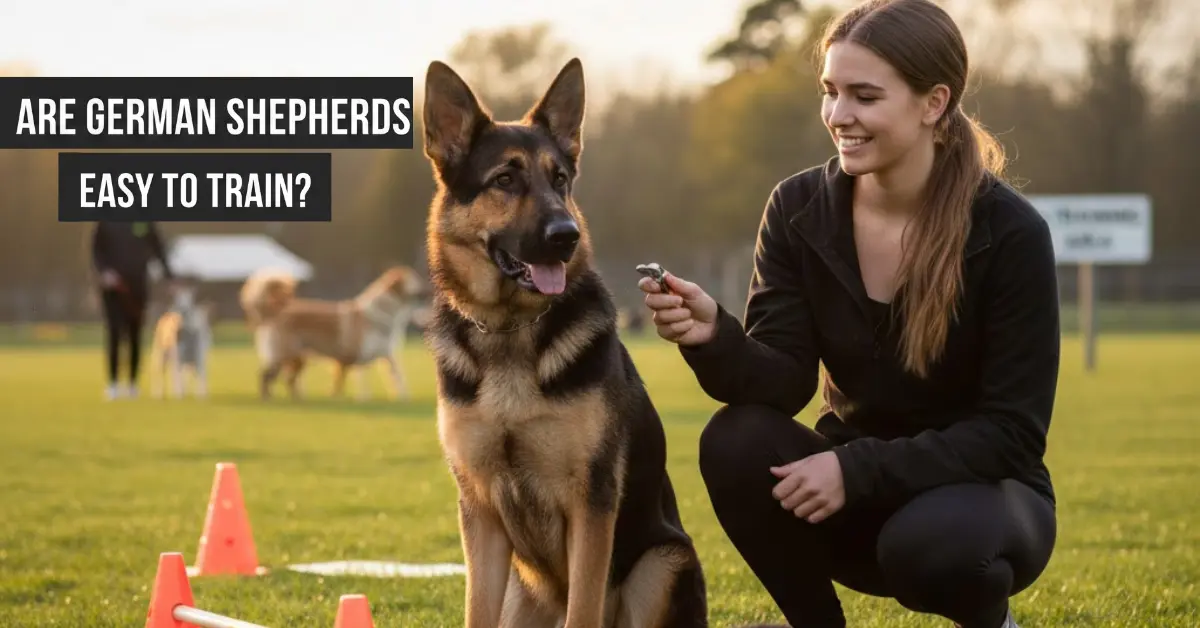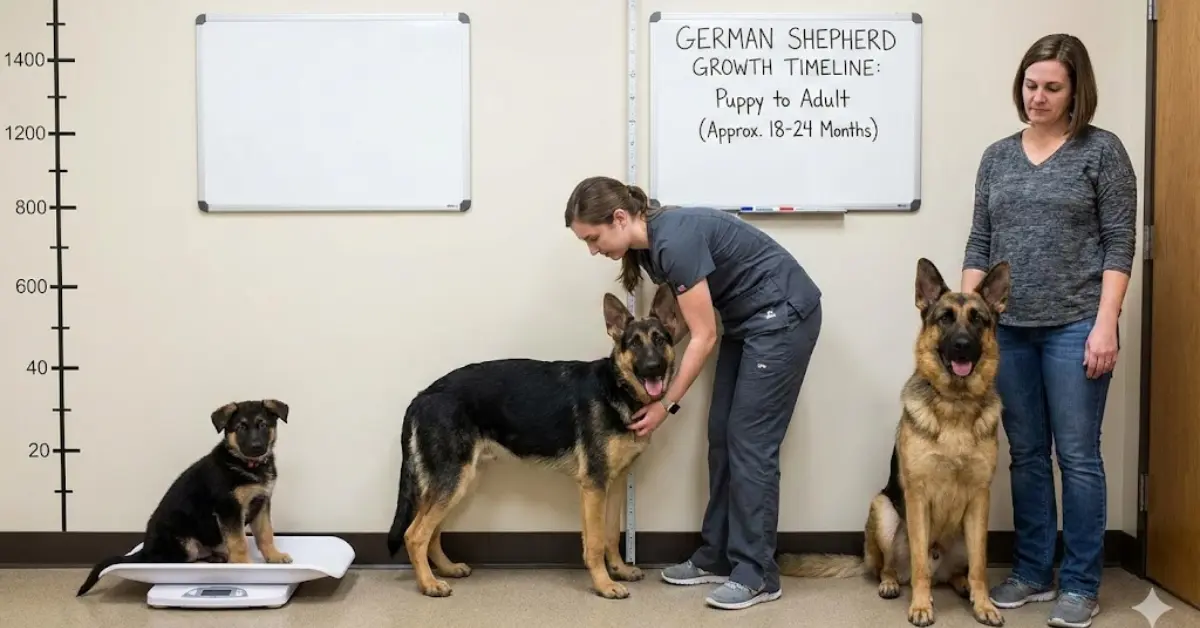
German Shepherd behavior problems are a common concern for many owners because this breed is intelligent, energetic, and emotionally aware. When their mental and physical needs are not met, unwanted behaviors often develop. These issues are usually signals of stress, confusion, or lack of structure rather than signs of a bad temperament.
Some of the most common German Shepherd behavior problems include excessive barking, separation anxiety, reactivity toward strangers or other dogs, destructive chewing, and overprotective behavior. These behaviors often appear when training is inconsistent or socialization is limited. Boredom and unclear boundaries can also make problems worse over time.
Fixing behavior issues starts with identifying the root cause instead of reacting to the behavior alone. Structured routines, regular exercise, and mental stimulation help reduce frustration and anxiety. Consistent and reward based training builds trust and clarity.
Professional guidance from experienced trainers or veterinarians can further support long term improvement. When problems are addressed early and correctly, German Shepherds respond well. With patience and proper care, most behavior problems can be corrected, leading to a calmer and more confident companion.
Understanding German Shepherd Temperament and Behavior
German Shepherd temperament and behavior are shaped by intelligence, loyalty, and strong working instincts. These dogs are known for confidence, alertness, and a deep bond with their family. Common German Shepherd personality traits include high trainability, protectiveness, and eagerness to work.
German Shepherd temperament issues often arise when their needs are misunderstood. Without enough structure, exercise, or mental engagement, even well bred dogs can develop anxiety or reactivity. Behavior is influenced by genetics, early socialization, training quality, and daily routine.
Understanding how these factors work together helps owners prevent many problems early. When temperament is respected and guided correctly, German Shepherds become stable, reliable, and well balanced companions.
Are German Shepherds Aggressive or Protective by Nature?
German Shepherds are naturally protective, not aggressive by default. Their instinct is to assess situations and guard their family when they sense a threat. This trait is why they are trusted in police, military, and service roles.
Problems occur when protectiveness is encouraged without control or boundaries. A dog that is not properly socialized may react defensively to strangers or unfamiliar environments. This behavior is often mistaken for aggression.
With early exposure, calm leadership, and consistent training, protectiveness becomes a controlled and reliable trait. Most German Shepherds learn to stay confident and composed rather than reactive.
Why German Shepherds Are Prone to Behavioral Issues
German Shepherds are prone to behavioral issues because they are highly intelligent and emotionally sensitive. When left under stimulated, they often create their own outlets through barking, chewing, or pacing. These behaviors are signs of unmet needs.
Inconsistent training and lack of routine can confuse this breed. They respond best to clear rules and predictable structure. Sudden changes in environment or schedule may also trigger anxiety.
Proper mental enrichment, regular exercise, and clear communication reduce most behavior problems. When their minds are engaged, their behavior improves significantly.
Working Dog Instincts and Their Impact on Behavior
German Shepherds were bred to work, solve problems, and follow direction. These instincts remain strong even in family homes. Without a job or purpose, they may develop restlessness or control based behaviors.
Common examples include herding children, guarding spaces, or becoming overly alert. These behaviors are not flaws but expressions of instinct without guidance.
Channeling working drive through training, obedience tasks, scent work, or structured play creates balance. When their instincts are given direction, German Shepherds become focused and emotionally stable.
Most Common German Shepherd Behavior Problems
Common German Shepherd behavior problems often appear when the breed’s physical and mental needs are not fully met. These dogs are intelligent, alert, and emotionally responsive, which makes them more sensitive to their environment. Small gaps in training or routine can quickly turn into noticeable behavior issues.
Many of these problems are learned responses rather than fixed traits. Factors such as limited socialization, inconsistent boundaries, and lack of stimulation play a major role. Understanding the cause behind each behavior helps owners correct issues early and effectively.
German Shepherd Aggression Toward Strangers and Other Dogs
German Shepherd aggression problems toward strangers or other dogs are usually fear based or protective in nature. This behavior often develops when social exposure is limited during puppyhood. The dog reacts because it feels unsure, not because it is naturally aggressive.
Aggressive German Shepherd behavior can also increase if owners unintentionally reward guarding reactions. Early training and calm introductions reduce this risk. Professional guidance is strongly recommended when aggression appears.
Excessive Barking in German Shepherds
German Shepherd barking problems are commonly linked to boredom, alertness, or anxiety. This breed is naturally vocal and uses barking to communicate changes in its environment. When stimulation is low, barking often increases.
Owners frequently ask why do German Shepherds bark so much. The answer is usually unmet mental or physical needs. Regular exercise, training tasks, and clear cues help control excessive barking.
Separation Anxiety in German Shepherds
German Shepherd separation anxiety occurs because this breed forms strong emotional bonds. When left alone without gradual training, dogs may panic or feel distressed. This often leads to barking, pacing, or destructive actions.
Consistency, routine, and short practice departures help build independence. In severe cases, a veterinarian or behavior specialist may be needed for long term improvement.
Destructive Behavior and Chewing Issues
German Shepherd destructive behavior is often a result of frustration or excess energy. Chewing is natural, but problems start when it becomes uncontrolled. Furniture, shoes, and doors are common targets.
German Shepherd chewing problems reduce significantly when dogs have proper outlets. Structured play, safe chew toys, and daily exercise prevent most destructive habits.
Fearfulness, Nervousness, and Reactivity
A reactive German Shepherd often responds strongly to unfamiliar sounds, people, or dogs. Fearful German Shepherd behavior usually develops from poor social experiences or lack of exposure. These dogs are not weak, but overstimulated.
Gradual desensitization and positive reinforcement build confidence. Rushing fearful dogs often worsens reactivity. Calm leadership is essential for progress.
Jumping, Mouthing, and Lack of Impulse Control
German Shepherd jumping on people and mouthing behavior are common in young dogs. These actions come from excitement, poor impulse control, and lack of clear rules. Puppies often carry these habits into adulthood if not corrected.
German Shepherd biting behavior during play is not aggression but needs redirection. Training impulse control through commands and routine structure leads to better behavior and safer interactions.
German Shepherd Puppy Behavior Problems vs Adult Dogs
German Shepherd puppy behavior problems are often very different from issues seen in adult dogs. Puppies are still learning how to interact with people, manage emotions, and understand boundaries. Many early behaviors are part of normal development rather than serious problems.
As German Shepherds grow, behavior changes with age, hormones, and experience. What looks harmless in a puppy can become a concern if not guided early. Understanding age specific behavior helps owners respond correctly and prevent long term issues.
Common German Shepherd Puppy Behavior Issues
German Shepherd puppies often show behaviors like biting, chewing, jumping, and frequent barking. These actions are usually linked to teething, curiosity, and lack of impulse control. Puppies explore the world with their mouths.
House training accidents and short attention spans are also common. These are learning phase behaviors, not disobedience. Consistent routines and positive reinforcement help puppies understand expectations.
Early socialization is critical at this stage. Puppies exposed safely to people, sounds, and environments grow into more confident and stable adults.
Adolescent German Shepherd Behavior Challenges 6 to 18 Months
During adolescence, German Shepherds often test boundaries and ignore commands they previously followed. This phase is driven by hormonal changes and growing independence. Many owners mistake this for stubbornness.
Common challenges include pulling on the leash, selective listening, and increased reactivity. Energy levels peak during this stage, making behavior harder to manage without structure.
Consistent training, mental challenges, and patience are essential. Dogs that receive guidance during adolescence usually regain focus and reliability as adults.
Adult German Shepherd Behavior Problems and Regression
Adult German Shepherd behavior problems often appear as regression rather than new issues. Changes in routine, reduced exercise, or stress can trigger unwanted behaviors. Even well trained dogs can slip without consistency.
Common adult issues include anxiety, guarding behavior, and reactivity. These problems are often situational and manageable with proper intervention.
Veterinary checks and professional training support are important for adults. When the root cause is addressed, most adult German Shepherds return to stable and well controlled behavior.
What Causes German Shepherd Behavior Problems?
The causes of German Shepherd behavior issues are usually linked to environment, routine, and guidance rather than temperament flaws. This breed is intelligent and highly responsive, which means small gaps in care can create noticeable behavior changes.
Most behavior problems develop over time due to unmet needs, confusion, or stress. When owners understand why a behavior starts, they can correct it before it becomes a habit. Identifying the cause is the first step toward long term improvement.
Lack of Proper Training and Early Socialization
German Shepherds need structured training from an early age to understand expectations. Without clear guidance, puppies create their own rules. This often leads to jumping, barking, or ignoring commands.
Early socialization plays a critical role in emotional stability. Dogs that are not exposed to people, dogs, and environments may react with fear or defensiveness later.
Positive training methods and gradual exposure help build confidence. Well socialized dogs are calmer, more adaptable, and easier to manage in daily life.
Insufficient Mental and Physical Stimulation
German Shepherds are working dogs that require both physical activity and mental challenges. When these needs are ignored, frustration builds quickly. This frustration often appears as destructive or reactive behavior.
Long walks alone are not always enough. Training games, obedience tasks, and problem solving exercises engage the mind.
Dogs with regular stimulation show better focus and emotional control. Meeting these needs reduces many common behavior problems naturally.
Inconsistent Leadership and Boundaries
Inconsistent rules confuse German Shepherds and weaken trust. When behaviors are allowed one day and corrected the next, dogs struggle to understand limits. This uncertainty often leads to anxiety or pushy behavior.
Clear leadership does not mean harsh control. It means calm direction, predictable routines, and consistent responses.
Dogs thrive when expectations are stable. Consistency builds confidence and reduces testing behaviors over time.
Trauma, Abuse, or Poor Breeding Practices
Past trauma or abuse can leave lasting emotional effects on German Shepherds. Dogs may develop fear, reactivity, or avoidance behaviors as a result. These issues require patience and understanding.
Poor breeding practices can also affect temperament. Dogs bred without health or behavior screening may be more prone to anxiety or instability.
Professional behavior support and structured rehabilitation help many dogs recover. Progress is possible with the right approach and time.
Medical Issues That Affect German Shepherd Behavior
Medical conditions can directly influence behavior changes. Pain, digestive problems, hormonal imbalances, or neurological issues may cause sudden aggression or withdrawal.
Behavior problems that appear suddenly should always be medically evaluated. Ruling out health issues is essential before training adjustments.
Veterinary diagnosis combined with behavior guidance leads to accurate treatment. Addressing health concerns often resolves behavior issues quickly.
How to Fix German Shepherd Behavior Problems Effectively
Learning how to correct German Shepherd behavior starts with consistency and understanding. This breed responds best to clear communication, routine, and fair guidance. Quick fixes rarely work because behavior problems usually develop over time.
Effective correction focuses on teaching the right behavior instead of only stopping the wrong one. When owners address physical needs, mental stimulation, and emotional balance together, long term improvement becomes achievable.
Establishing Structure, Routine, and Clear Rules
German Shepherds thrive on structure because it gives them clarity and confidence. Daily routines for feeding, exercise, and training reduce anxiety and confusion. Dogs that know what to expect behave more predictably.
Clear rules must apply to every family member. Mixed signals often lead to testing behavior. Consistency builds trust and prevents power struggles.
A structured environment creates stability. This foundation supports better focus, calmer behavior, and stronger obedience.
Using Positive Reinforcement Training Methods
Positive reinforcement German Shepherd training focuses on rewarding desired behavior. Treats, praise, and play motivate learning without fear or stress. This method strengthens trust between dog and owner.
Dogs trained with rewards learn faster and retain commands longer. Correct timing of rewards is critical for success.
This approach is widely supported by trainers and behavior professionals. It is effective for both puppies and adult dogs with behavior issues.
Correcting Bad Behavior Without Punishment
Punishment often suppresses behavior without addressing the cause. German Shepherds are sensitive and may become fearful or defensive when punished. This can worsen behavior problems.
Redirection and clear cues teach dogs what to do instead. For example, replacing jumping with a sit command builds impulse control.
Calm correction combined with consistency leads to lasting results. Trust remains intact while behavior improves steadily.
Importance of Daily Exercise and Mental Enrichment
German Shepherds require daily physical activity to release energy. Without it, frustration and restlessness increase. Many behavior problems stem from boredom.
Mental enrichment is equally important. Training sessions, scent work, and problem solving toys engage the mind.
Balanced exercise improves emotional stability. Dogs that are fulfilled mentally and physically show fewer destructive behaviors.
Socialization Techniques for Aggressive or Fearful German Shepherds
Socialization should be gradual and controlled, especially for fearful or reactive dogs. Forcing exposure often increases stress and aggression.
Positive experiences at a comfortable distance help build confidence. Calm praise and rewards reinforce relaxed behavior.
Working with a professional trainer is recommended in severe cases. Proper socialization reduces fear responses and improves long term behavior.
Training Techniques for Specific German Shepherd Behavior Problems
Targeted training is often the most effective way to address specific behavior issues in German Shepherds. Each problem has a different cause, so a one size approach rarely works. Training should be based on observation, consistency, and proven methods supported by professionals.
When techniques match the behavior, improvement becomes more predictable. Focusing on calm guidance, clear cues, and realistic expectations helps owners correct problems without damaging trust.
How to Stop Aggression in German Shepherds
Learning how to stop German Shepherd aggression starts with identifying the trigger. Aggression is often rooted in fear, guarding instincts, or lack of social exposure. Punishment usually makes the behavior worse.
Controlled exposure, distance based training, and reward for calm responses help reduce aggression. Dogs learn that calm behavior brings positive outcomes.
Professional trainers and veterinary behaviorists are strongly recommended for aggression. Early and correct intervention leads to safer and more reliable behavior.
How to Reduce Excessive Barking
Excessive barking usually has a clear cause such as boredom, alertness, or anxiety. German Shepherds bark to communicate, not to misbehave. Removing the cause is more effective than trying to silence the dog.
Teaching a quiet command combined with rewards works well. Barking often decreases once exercise and stimulation increase.
Consistency is key. When barking no longer gets attention, it naturally reduces.
How to Treat Separation Anxiety in German Shepherds
Separation anxiety in German Shepherds requires gradual training, not sudden changes. Dogs must learn that being alone is safe and temporary. Abrupt departures often increase distress.
Short practice absences combined with calm returns build confidence. Creating a predictable routine also reduces anxiety.
In severe cases, veterinary support may be needed. Professional guidance improves long term outcomes.
How to Prevent Destructive Chewing and Digging
Destructive chewing and digging are often signs of excess energy or stress. German Shepherds need appropriate outlets for these natural behaviors.
Providing durable chew toys and structured play redirects chewing habits. Digging can be reduced by increasing exercise and supervision.
When needs are met, destructive behavior usually fades without force.
How to Train a German Shepherd to Be Calm Indoors
Indoor calmness must be taught intentionally. German Shepherds do not automatically relax without guidance. Energy needs should be met before expecting calm behavior.
Teaching place commands and rewarding relaxed behavior encourages settling. Calm environments support learning.
With consistency, German Shepherds learn to switch between active and relaxed states easily.
When to Hire a Professional Dog Trainer or Behaviorist
Some German Shepherd behavior problems go beyond basic training and require professional support. Knowing when to seek help can prevent issues from becoming dangerous or deeply ingrained. Early intervention often leads to faster and safer results.
A qualified German Shepherd behaviorist or professional dog trainer for German Shepherds can identify root causes accurately. Expert guidance ensures that training methods are effective, humane, and tailored to the dog’s needs.
Signs Your German Shepherd Needs Professional Help
Professional help is recommended when aggression, fear, or anxiety escalates despite consistent training. Behaviors such as snapping, lunging, or intense reactivity should not be handled alone. Safety becomes a priority.
Persistent separation anxiety, extreme fearfulness, or sudden behavior changes are also red flags. These may indicate deeper emotional or medical issues.
When progress stalls or worsens, professional assessment provides clarity and direction. Early support prevents long term damage.
What to Look for in a German Shepherd Trainer
A qualified German Shepherd trainer should use evidence based and humane methods. Positive reinforcement and behavior modification should be the foundation. Avoid trainers who rely on fear or punishment.
Credentials, hands on experience, and clear communication are important. A good trainer explains the reasoning behind each technique.
Trainers should also involve owners in the process. Long term success depends on consistency at home.
Cost and Time Expectations for Behavior Training
Behavior training costs vary based on issue severity and location. Basic training is usually less expensive than aggression or anxiety rehabilitation. Custom programs may require multiple sessions.
Time expectations should be realistic. Behavior change often takes weeks or months, not days.
Quality training is an investment in safety and long term stability. Consistent follow through delivers the best results.
Can German Shepherd Behavior Problems Be Prevented?
Most German Shepherd behavior problems can be prevented with early guidance and consistent care. This breed thrives when expectations are clear from the beginning. Prevention is always easier than correction later in life.
When owners focus on training, socialization, and routine from puppyhood, many common issues never develop. Understanding how German Shepherds learn helps owners build stable behavior that lasts.
Early Puppy Training and Socialization Tips
Early training sets the foundation for lifelong behavior. German Shepherd puppies should be gently exposed to people, dogs, sounds, and environments in a controlled way. Positive experiences build confidence.
Basic obedience commands such as sit, stay, and recall teach impulse control. Short, frequent sessions work better than long drills.
Consistency is essential during this stage. Puppies that receive early structure grow into calmer and more adaptable adults.
Best Training Methods for First Time German Shepherd Owners
First time owners should focus on reward based training methods. German Shepherds respond best to clear cues and positive reinforcement. Harsh corrections often create fear or confusion.
Simple routines help dogs understand expectations. Feeding, walking, and training at set times reduce anxiety.
Professional guidance early on can prevent mistakes. Learning correct techniques from the start saves time and frustration.
Mistakes That Lead to Long Term Behavior Issues
One common mistake is delaying training until problems appear. By then, behaviors are already habits. Early guidance is far more effective.
Inconsistent rules across family members confuse dogs. What is allowed one day should not be punished the next.
Another mistake is underestimating exercise and mental needs. Boredom often leads to destructive or reactive behavior over time.
Final Thoughts: Managing and Fixing German Shepherd Behavior Problems Long-Term
Managing and fixing German Shepherd behavior problems long term requires patience, consistency, and realistic expectations. This breed is intelligent and emotionally responsive, which means behavior is shaped by daily interactions rather than quick corrections. Long lasting improvement comes from addressing the cause of a behavior, not just the symptom.
Successful long term management starts with routine. Clear rules, predictable schedules, and consistent responses help German Shepherds feel secure and confident. When dogs understand what is expected, unwanted behaviors naturally decrease. Training should remain ongoing, not limited to puppyhood or problem periods.
Mental stimulation and physical exercise must be part of daily life. German Shepherds need purpose and engagement to stay balanced. Activities such as obedience work, structured play, and problem solving tasks reduce frustration and anxiety. These habits support emotional stability as dogs mature.
Professional support should never be seen as a failure. Trainers, behaviorists, and veterinarians provide expert insight that can prevent small issues from becoming serious problems. Their guidance ensures safe and effective correction.
With commitment and informed care, most German Shepherd behavior problems can be managed successfully. A calm approach, consistent leadership, and long term dedication help this loyal breed become a stable, confident, and well behaved companion.
FAQs
1. What are the most common German Shepherd behavior problems?
The most common German Shepherd behavior problems include aggression, excessive barking, separation anxiety, destructive chewing, jumping on people, fear-based reactivity, and territorial behavior. These issues usually stem from lack of training, insufficient exercise, or poor socialization.
2. Are German Shepherd behavior problems caused by poor breeding?
Yes, poor breeding can contribute to German Shepherd behavior problems. Dogs bred without temperament testing are more likely to develop anxiety, fearfulness, or aggression. Responsible breeding significantly reduces behavior issues.
3. At what age do German Shepherd behavior problems start?
German Shepherd behavior problems often appear during adolescence, typically between 6 and 18 months. This stage is marked by boundary testing, increased energy, and hormonal changes, especially if training is inconsistent.
4. Can German Shepherd aggression be corrected?
Yes, German Shepherd aggression can often be corrected with early intervention, consistent training, proper socialization, and positive reinforcement methods. Severe cases may require help from a professional dog trainer or behaviorist.
5. How do I stop destructive behavior in my German Shepherd?
To stop destructive behavior, provide adequate daily exercise, mental stimulation, and structured training. Destructive behavior in German Shepherds is often a result of boredom, anxiety, or lack of supervision.
6. Do German Shepherds calm down as they get older?
Most German Shepherds begin to calm down between 2 and 4 years of age. However, behavior problems may persist if training, mental stimulation, and physical exercise are not maintained consistently.
7. Is separation anxiety common in German Shepherds?
Yes, separation anxiety is common in German Shepherds due to their strong attachment to their owners. Without proper training, this can lead to excessive barking, destructive behavior, and stress-related issues when left alone.
8. How much exercise does a German Shepherd need to prevent behavior problems?
A German Shepherd typically needs at least 90–120 minutes of daily physical exercise combined with mental stimulation. Insufficient exercise is a leading cause of German Shepherd behavior problems.
9. Should I hire a professional trainer for German Shepherd behavior problems?
You should consider hiring a professional trainer if your German Shepherd shows signs of aggression, fearfulness, or persistent behavior problems that do not improve with basic training techniques.
10. Can German Shepherd behavior problems be prevented?
Many German Shepherd behavior problems can be prevented through early socialization, obedience training, consistent routines, proper leadership, and meeting the dog’s physical and mental needs from puppyhood.