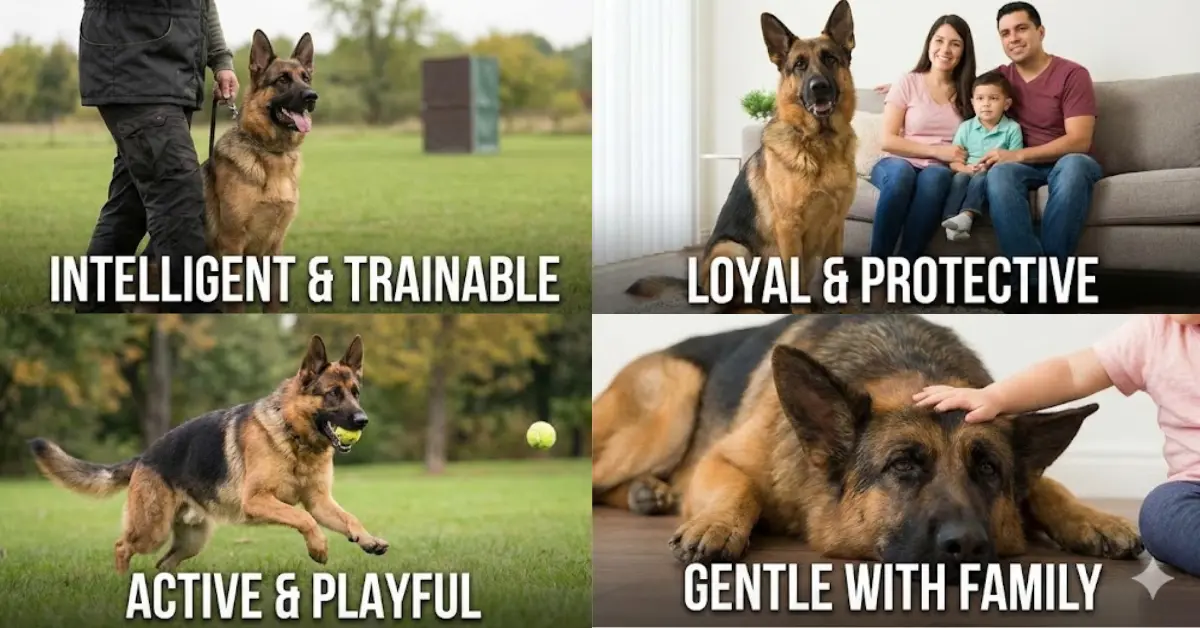
German Shepherd temperament is widely recognized for its balance of intelligence, loyalty, and confidence. This breed is known for being alert, dependable, and highly adaptable, which is why it is commonly chosen for family homes, service roles, and working environments. When properly raised, German Shepherds display a stable and predictable temperament rather than random or aggressive behavior.
German Shepherd personality traits include strong bonding with family members, natural protectiveness, and a high level of awareness of their surroundings. These dogs are typically reserved with strangers but not fearful. Their behavior reflects a natural guarding instinct combined with calm decision making. This makes them reliable companions when socialized early.
In terms of German Shepherd behavior, mental stimulation and structured environments play an important role. Without engagement, traits such as restlessness or excessive vocalization may appear. These behaviors are often misunderstood and are linked to unmet activity needs rather than temperament flaws.
Overall, German Shepherd temperament traits reflect intelligence, loyalty, and emotional stability. Understanding these characteristics helps owners set realistic expectations and recognize why this breed excels in obedience, protection, and companionship roles.
What Is the Typical German Shepherd Temperament?
The typical German Shepherd temperament is best described as confident, loyal, and emotionally balanced. This breed is known for strong german shepherd personality traits such as alertness, courage, and a deep connection with its environment. German Shepherds are naturally observant and tend to assess situations before reacting, which supports their reputation as dependable working and family dogs.
Their temperament combines calm behavior at home with readiness when awareness is required. When raised in stable conditions, German Shepherds usually show predictable behavior, making them easier to understand compared to more impulsive breeds.
Are German Shepherds Naturally Loyal and Protective?
German Shepherds are widely recognized as a loyal dog breed with well developed protective instincts. Loyalty in this breed is not limited to attachment but extends to consistent guarding behavior and attentiveness to family members. German Shepherds often stay close to their owners, monitor surroundings, and respond quickly to unfamiliar changes. This protective nature is instinctive rather than aggressive.
Protective instincts in German Shepherds are rooted in awareness and confidence. They are more likely to observe and position themselves between perceived threats and their family rather than react impulsively. This behavior explains why they are commonly used in security, police, and service roles. Their loyalty is stable and long term, forming strong bonds that remain consistent over time.
These traits make German Shepherds dependable companions in structured environments. Their protective behavior works best when combined with early exposure to different people and situations, allowing their instincts to remain controlled and reliable.
Intelligence Level and Trainability of German Shepherds
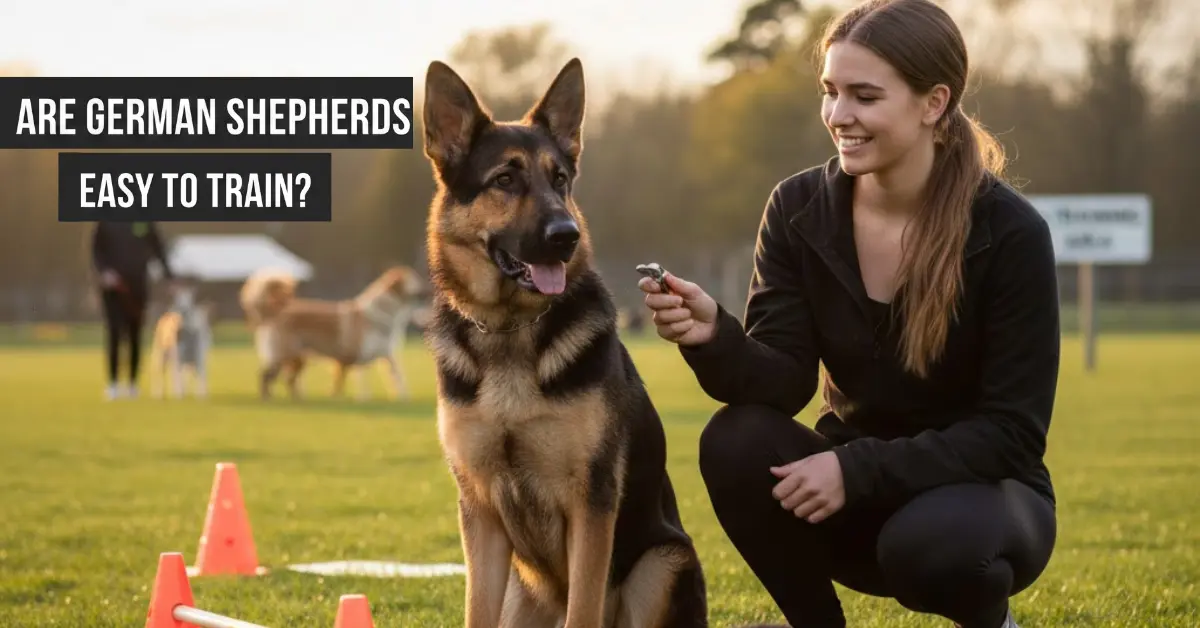
German Shepherd intelligence is one of the most defining traits of the breed. They consistently rank among the most intelligent dog breeds due to their problem solving ability, memory, and focus. This intelligence allows them to understand commands quickly and retain complex task sequences. As a highly trainable dog, the German Shepherd responds well to structured learning and repetition.
Their trainability is linked to their natural desire to work and stay mentally engaged. German Shepherds are capable of learning obedience commands, advanced skills, and role specific tasks with clarity and consistency. This makes them suitable for roles such as guide dogs, search and rescue dogs, and therapy companions.
German Shepherd intelligence also means they benefit from mental stimulation. When engaged, their behavior remains calm and focused. Their ability to learn, adapt, and perform reliably is a key reason this breed is trusted across both family and professional settings.
German Shepherd Temperament With Family and Children
German Shepherd temperament with family members is typically calm, loyal, and attentive. This breed is widely recognized as a german shepherd family dog because it forms strong bonds with household members and shows consistent behavior in familiar environments.
German Shepherds tend to be emotionally aware and often adjust their behavior based on family dynamics. Their protective nature is usually balanced with patience, making them suitable for structured family settings. When raised in a stable home, their temperament supports trust, reliability, and long term companionship with both adults and children.
Are German Shepherds Good With Kids?
German Shepherds are generally good with kids when they are properly socialized and introduced to children at an early age. The german shepherd with children dynamic often reflects patience, tolerance, and watchful behavior rather than high energy playfulness. This breed tends to observe children closely and may position itself nearby as a form of natural supervision.
As kid friendly dogs, German Shepherds are more responsive to respectful interaction than rough handling. They usually respond well to calm voices, predictable movements, and consistent routines. Their size and strength mean supervision is important, especially with younger children. This is not due to aggression but because of their physical presence.
German Shepherds often develop a sense of responsibility toward children in the household. This behavior supports their reputation as dependable family companions. When children understand boundaries and interact appropriately, the relationship is typically stable and positive over time.
Bonding Style and Attachment to Owners
German Shepherds are known for strong owner attachment and are often described as a velcro dog breed. This means they prefer staying close to their primary caregivers and frequently follow them from room to room. Their bonding style is rooted in loyalty and attentiveness rather than dependency.
This attachment develops through daily interaction, routine, and shared environments. German Shepherds often recognize their owners emotional cues and respond with calm presence or alert behavior. Their loyalty is consistent and long lasting, which strengthens trust within the household.
Because of this close bond, German Shepherds thrive in homes where they are included in daily activities. Their attachment style supports reliable behavior, emotional stability, and a strong sense of belonging within the family unit.
German Shepherd Temperament With Strangers and Other Pets
German Shepherd temperament with strangers and animals is often misunderstood. Typical german shepherd behavior includes alert observation rather than immediate reaction. This breed is naturally watchful and tends to assess unfamiliar people or situations before engaging. Around strangers, German Shepherds usually remain reserved but controlled, which reflects confidence instead of fear.
With other pets, their behavior depends on early exposure and consistent environments. When raised with clear boundaries, their temperament stays balanced and predictable, making them capable of coexisting calmly with both people and animals.
Are German Shepherds Aggressive or Just Protective?
A common question is are German Shepherds aggressive, but temperament research shows they are more protective than aggressive. Guarding behavior in this breed is instinctive and rooted in awareness and loyalty. German Shepherds often position themselves between their family and unfamiliar people rather than showing hostile actions. This is a controlled response, not an emotional reaction.
Protective instincts appear through alert posture, focused attention, and calm monitoring. Aggression is not a defining trait of the breed and usually occurs only when fear, stress, or poor handling is involved. German Shepherds are known for emotional stability, which allows them to remain composed in unfamiliar settings.
Their guarding behavior explains why they are trusted in professional roles such as security and service work. Understanding the difference between protection and aggression helps clarify why this breed is considered dependable rather than dangerous.
German Shepherd Temperament Around Other Dogs and Pets
German Shepherd temperament around other dogs and pets is often shaped by social familiarity. Many dog aggression myths suggest this breed cannot coexist with others, but research and observation show otherwise. With proper german shepherd socialization, they commonly display calm and neutral behavior around dogs and household pets.
German Shepherds tend to observe before engaging, which can be mistaken for dominance. In reality, this reflects confidence and awareness. When introduced properly, they often accept other dogs and animals as part of their environment rather than competitors.
Their intelligence allows them to recognize social boundaries, which supports stable interactions. German Shepherds are capable of forming respectful relationships with other pets when their environment remains consistent. This adaptability is a key reason they perform well in multi pet households and shared living spaces.
Working Dog Instincts and Drive in German Shepherds
German Shepherds are widely recognized as a german shepherd working dog due to their strong drive, focus, and task oriented nature. Their temperament reflects a natural readiness to work, observe, and respond with purpose. This breed shows high motivation when given structure and responsibility, which separates them from purely companion breeds.
Working instincts in German Shepherds are not random energy. They are controlled behaviors tied to alertness, learning ability, and consistency. These traits explain why German Shepherds perform reliably in demanding roles that require discipline, awareness, and emotional stability.
Prey Drive, Herding Instincts, and Alertness
Prey drive in dogs refers to the instinct to notice, track, and respond to movement. In German Shepherds, this drive is present but usually well balanced. It appears as focused attention rather than uncontrolled chasing. This is closely connected to herding behavior, where the dog naturally watches, guides, and positions itself around movement.
German Shepherds often show herding instincts through circling, watching, or gently directing people or animals. This behavior reflects control and awareness, not aggression. Their alertness allows them to notice small environmental changes, sounds, or unfamiliar movement quickly.
These instincts explain why German Shepherds remain attentive even when resting. Their temperament supports calm observation rather than constant action. When their natural drives are understood, their behavior appears structured and predictable rather than intense or reactive.
Why German Shepherds Excel in Police, Military, and Service Roles
German Shepherds excel in professional roles because of their stable police dog temperament and reliable service dog traits. They combine intelligence, emotional control, and responsiveness, which allows them to function in high pressure environments. Their ability to follow commands, assess situations, and remain focused makes them suitable for complex tasks.
In police and military roles, German Shepherds are valued for their alertness, obedience, and confidence. They can work around crowds, loud noises, and unpredictable situations without losing control. In service roles, they show patience, consistency, and awareness of human behavior.
Their success in these roles is not based on aggression. It is based on trustworthiness, adaptability, and strong working instincts. These qualities define the German Shepherd as one of the most capable and dependable working breeds worldwide.
German Shepherd Temperament by Age
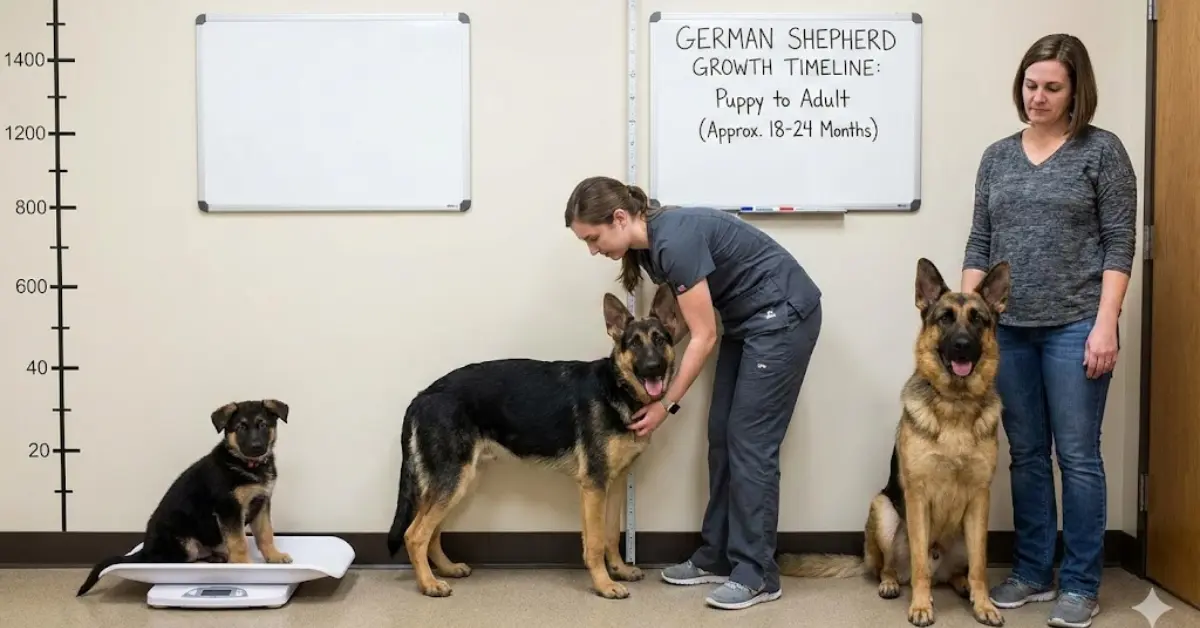
German Shepherd temperament changes gradually as the dog grows, with clear differences seen at each life stage. German shepherd puppy temperament is typically more energetic, curious, and responsive to new experiences. As the dog matures, behavior becomes more controlled and predictable.
These changes are normal and reflect physical and mental development rather than personality shifts. Understanding age related temperament patterns helps explain why behaviors seen in puppies differ from those in adult or senior German Shepherds. Each stage carries distinct traits that shape how the dog interacts with its environment.
German Shepherd Puppy Temperament and Early Behavior
German Shepherd puppy temperament is marked by curiosity, alertness, and rapid learning. During early puppy behavior stages, puppies explore their surroundings through movement, play, and observation. This stage often includes chewing, chasing, and short bursts of high energy followed by rest. These behaviors support physical coordination and mental development.
Puppies are highly responsive to new sights, sounds, and people. Their temperament during this phase is flexible, which allows social behaviors to form naturally. German Shepherd puppies often show early signs of loyalty by staying close to familiar people while cautiously observing unfamiliar situations.
As puppies grow, their attention span improves and behavior becomes more structured. This early stage sets the foundation for adult temperament traits such as confidence and emotional stability. When puppy behavior stages progress normally, the breed develops a balanced and reliable temperament over time.
Adult vs Senior German Shepherd Personality Changes
Adult German Shepherds typically display stable, confident, and consistent behavior. At this stage, temperament reflects maturity, emotional control, and a clear understanding of routines. Adult dogs often show strong loyalty, focused attention, and predictable responses to familiar situations.
As German Shepherds enter their senior years, aging dog behavior changes become noticeable. Energy levels gradually decrease, and seniors may prefer calm environments. Their personality often becomes more relaxed, with less impulsive behavior compared to earlier years. Alertness usually remains, but physical responses may slow.
These changes are part of normal aging rather than temperament decline. Senior German Shepherds often maintain their loyalty and awareness while adapting to physical changes. Understanding these shifts helps explain why behavior evolves naturally across the dog’s lifespan.
How Training and Socialization Shape German Shepherd Temperament
German Shepherd temperament is strongly influenced by structured learning and environment. German shepherd training plays a key role in shaping behavior, emotional control, and adaptability. This breed responds best to clear expectations and consistency, which helps channel intelligence into balanced behavior.
Without guidance, natural alertness and energy may appear as restlessness or uncertainty. When training and exposure are introduced appropriately, German Shepherds develop predictable responses and emotional stability. These factors explain why well trained dogs of this breed show confidence, focus, and reliable behavior in both family and working settings.
Importance of Early Socialization for Balanced Temperament
Early socialization plays a major role in shaping a balanced German Shepherd temperament. Exposure to people, environments, sounds, and animals during early development helps reduce fear based responses later in life. Early socialization allows the dog to recognize unfamiliar situations as neutral rather than threatening, which supports calm and controlled behavior.
Fear prevention is one of the main outcomes of proper social exposure. German Shepherds that experience varied environments early are less likely to show anxiety or over guarding behavior. Instead, they learn to observe and assess situations without reacting impulsively.
This process supports emotional regulation and confidence. German Shepherds with early socialization typically show steady behavior around strangers, other dogs, and new surroundings. These traits are essential for maintaining the breed’s reputation as a reliable and emotionally stable companion.
Best Training Methods for German Shepherd Personality Types
German Shepherd personality types respond best to structured and reward based learning. Positive reinforcement training supports learning by encouraging desired behavior rather than suppressing natural instincts. This method aligns well with the breed’s intelligence and desire to engage mentally.
Different personality traits within the breed, such as high drive or calm focus, benefit from clear feedback and repetition. Positive reinforcement training strengthens attention, memory, and consistency. It also supports trust and clear communication between dog and handler.
Because German Shepherds are highly intelligent, training methods that include mental challenges tend to be more effective. Structured routines combined with rewards help maintain focus and emotional balance. This approach supports long term temperament stability and reliable behavior across different environments.
Common German Shepherd Temperament Problems and Solutions
German Shepherd temperament problems are often linked to how their natural traits express themselves in daily life. Common german shepherd behavior problems include anxiety, reactivity, and excessive guarding. These issues are usually not signs of poor temperament but signals of unmet mental or emotional needs.
Because this breed is highly alert and intelligent, small imbalances can show up as noticeable behavior patterns. When these traits are properly understood, most temperament concerns can be clearly identified and addressed in a structured and predictable way.
Anxiety, Reactivity, and Overprotectiveness
Anxiety in German Shepherds often appears as restlessness, pacing, or vocal behavior. Separation anxiety is one of the most discussed concerns and is linked to the breed’s strong attachment to familiar people. When routines change or environments feel uncertain, anxiety responses may increase.
Reactivity refers to intense responses toward movement, sounds, or unfamiliar people. Reactive dogs are not aggressive by nature. Reactivity usually reflects heightened alertness combined with uncertainty. German Shepherds are naturally observant, so this behavior is often misinterpreted as aggression.
Overprotectiveness develops when guarding instincts are not clearly defined. Instead of calm observation, the dog may feel responsible for controlling situations. These behaviors are rooted in awareness and loyalty rather than hostility. Understanding these temperament patterns helps separate natural instincts from problematic behavior.
How to Fix Undesirable German Shepherd Behaviors
Fixing undesirable German Shepherd behaviors begins with identifying the cause rather than reacting to the behavior itself. Behavior correction techniques focus on clarity, consistency, and structure. German Shepherds respond best when expectations are predictable and environments remain stable.
Undesirable behaviors often reduce when mental engagement and clear routines are present. Because this breed learns quickly, inconsistent responses can confuse behavior patterns. Consistent signals help the dog understand boundaries without stress.
Behavior correction techniques that emphasize calm responses and repetition support emotional balance. Over time, this approach helps reduce anxiety driven reactions and excessive guarding. When temperament traits are guided correctly, German Shepherd behavior becomes stable, focused, and reliable across different situations.
Is the German Shepherd Temperament Right for You?
Choosing a dog starts with understanding temperament, not appearance. When evaluating german shepherd pros and cons, temperament plays a major role. German Shepherds are intelligent, alert, and highly engaged with their environment. They thrive in homes that value structure, consistency, and involvement.
This breed is not passive or independent by nature. Their temperament suits people who appreciate interaction, responsibility, and mental engagement. Understanding these traits helps determine whether a German Shepherd fits your expectations and daily lifestyle rather than causing long term behavior challenges.
Ideal Owner Lifestyle for a German Shepherd
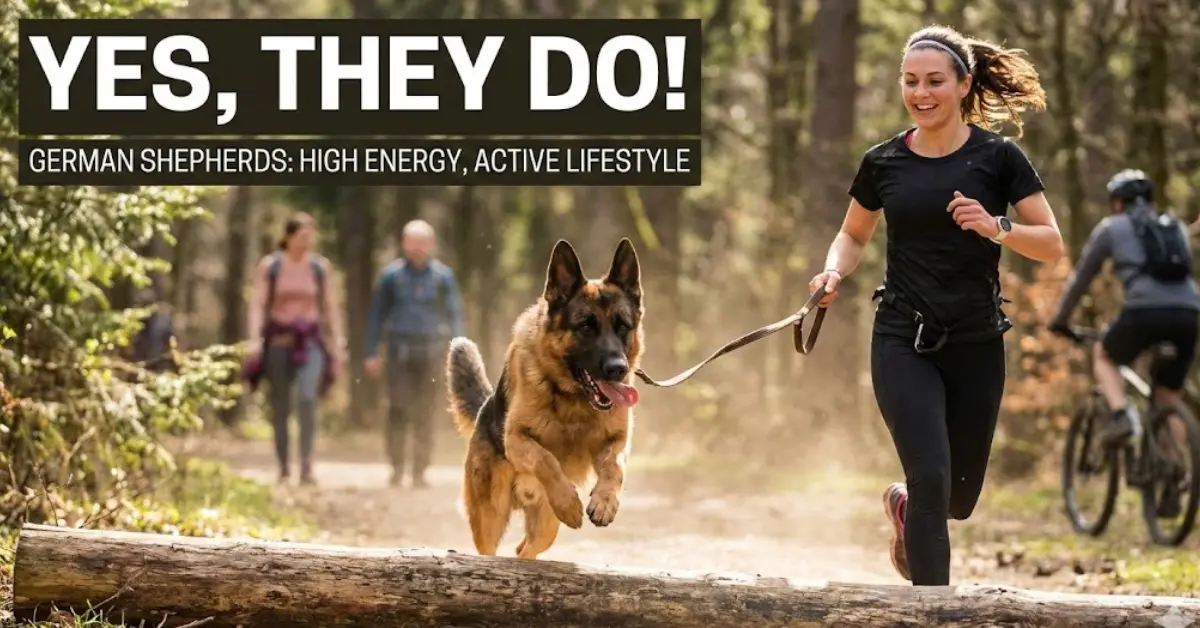
The ideal owner lifestyle for a German Shepherd aligns with the needs of a working breed. These dogs suit active dog owners who enjoy routine, involvement, and purpose driven activities. German Shepherds prefer environments where daily schedules are predictable and interaction is frequent.
Working breed needs include mental engagement and physical activity. German Shepherds are not satisfied with short walks alone. They respond best when their intelligence is engaged through learning, structure, and observation. This does not mean constant activity, but it does require involvement.
Homes where people are frequently absent or inconsistent may struggle with this temperament. German Shepherds form strong attachments and remain alert to their surroundings. An ideal owner values responsibility and understands that this breed functions best when treated as an active participant in daily life rather than a background companion.
Temperament Comparison: German Shepherd vs Other Breeds
When comparing german shepherd vs labrador temperament, key differences become clear. German Shepherds are typically more alert, reserved, and task focused. Labradors are generally more outgoing, socially relaxed, and emotionally expressive. Both breeds are intelligent, but their temperament expressions differ.
German Shepherds tend to observe before engaging, while Labradors often engage immediately. This makes German Shepherds better suited for guarding and working roles, while Labradors excel in social and family centered environments.
Compared to many breeds, German Shepherd temperament emphasizes awareness, loyalty, and structure. This comparison helps clarify expectations. The right choice depends on whether you prefer a focused, watchful companion or a socially open and easygoing dog.
Conclusion
German Shepherd temperament is a balanced combination of intelligence, loyalty, and awareness. This breed is naturally alert, emotionally stable, and deeply connected to its environment. Understanding german shepherd temperament helps set realistic expectations about behavior, social interaction, and daily needs. These dogs are not aggressive by nature, but they are observant and protective, which explains their strong presence in both family and working roles.
Temperament in German Shepherds develops through structure, exposure, and consistency. Their behavior reflects their surroundings and level of engagement rather than unpredictability. When their traits are understood correctly, German Shepherds are reliable, adaptable, and trustworthy companions.
Choosing this breed means appreciating focus, responsibility, and involvement. German Shepherd temperament suits people who value intelligence, loyalty, and purpose driven behavior. With the right environment, this breed consistently shows why it is respected as one of the most dependable and versatile dogs worldwide.
FAQs
1. Is German Shepherd temperament aggressive by nature?
No. German Shepherds are naturally protective and alert. Aggression is not a breed trait and usually comes from poor handling or lack of structure.
2. Are German Shepherds good family dogs?
Yes. German Shepherds are loyal and attentive family dogs that bond strongly with household members when raised in a stable environment.
3. Do German Shepherds get along with children?
German Shepherds usually do well with children and show patience and watchful behavior, especially when interactions are respectful.
4. Are German Shepherds good with other dogs and pets?
They can live well with other pets when socialized properly. Their calm and observant nature helps them adapt to multi pet homes.
5. Is German Shepherd temperament suitable for first time owners?
This breed may be challenging for first time owners due to its intelligence and need for structure, but it is manageable with consistency.
6. Do German Shepherds form strong attachment to owners?
Yes. German Shepherds often show strong owner attachment and prefer staying close to their primary caregivers.
7. How does German Shepherd temperament change with age?
Puppies are energetic and curious, adults are stable and focused, and seniors are calmer while remaining loyal and alert.
8. Are German Shepherds easy to train?
Yes. They are highly trainable due to strong intelligence and focus, especially when learning is structured and consistent.
9. Why are German Shepherds used as police and service dogs?
Their temperament combines alertness, emotional control, and reliability, making them suitable for high responsibility roles.
10. Is German Shepherd temperament right for an apartment lifestyle?
They can adapt to apartments if mental engagement and daily activity needs are met, but they thrive best with space and routine.