German Shepherd Puppy Training: Complete Step-by-Step Guide for New Owners

By Dognutrio Team

Updated On:

German Shepherd Puppy Training

Join WhatsApp

Join Now

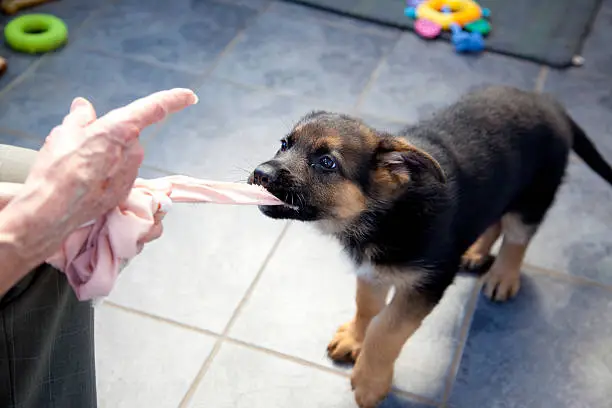
German shepherd puppy training is an important responsibility that begins the moment your puppy comes home. This breed is known for intelligence, loyalty, and strong working instincts, but those traits only develop positively when early guidance is clear and consistent. For new owners, training a German Shepherd puppy is less about strict control and more about building communication, trust, and structure.

German Shepherd puppies learn quickly, especially during the first few months. This early learning phase is why GSD puppy training works best when routines are clear, calm, and consistent. At this stage, they are forming habits that often carry into adulthood.

Simple routines, such as regular feeding times, calm handling, and predictable potty breaks, help your puppy feel secure. A puppy that understands what to expect is more confident and easier to train.

Training should start with the basics. Name recognition, gentle leash introduction, and short attention exercises lay the foundation for future obedience. Sessions should be brief, usually just a few minutes at a time, and repeated throughout the day. Puppies have short attention spans, and pushing too hard can lead to frustration for both you and your dog.

Positive reinforcement plays a key role. Rewarding calm behavior, eye contact, and correct responses helps your puppy understand what you want. Harsh corrections are rarely helpful at this age and may create fear or confusion. German Shepherd puppies are sensitive and respond best to calm, clear feedback.

Socialization is another essential part of early training. Introducing your puppy to different people, sounds, surfaces, and environments helps prevent fear-based behaviors later. These experiences should be gradual and positive, allowing the puppy to explore at their own pace. Overwhelming situations can be counterproductive.

It’s also important to balance physical activity with mental stimulation. While German Shepherds are active dogs, excessive exercise during puppyhood may strain growing joints. Simple training games, food puzzles, and short learning sessions provide healthy mental fatigue without overexertion.

Every puppy develops at a different pace. Some will pick up skills quickly, while others need more repetition. Patience and consistency matter more than speed. If challenges arise—such as persistent biting, fearfulness, or difficulty focusing—seeking guidance from a qualified trainer can be helpful.

With steady routines, clear communication, and positive experiences, training becomes a rewarding process. Over time, these early lessons shape a well-mannered, confident German Shepherd who fits comfortably into family life.

German Shepherd Puppy Training: Quick Summary

German Shepherd puppy training should begin as early as 8 weeks of age and focus on short, positive, and consistent sessions. Early training priorities include potty training, name recognition, socialization, and basic obedience commands such as sit and come. German Shepherd puppies learn quickly when training is calm, structured, and reward-based. With consistent routines and mental stimulation, most puppies show noticeable progress within the first few weeks of training.

Are German Shepherd Puppies Easy to Train? German Shepherd Puppy Training Basics

German Shepherd puppies are often described as easy to train, and in many ways, that reputation is well earned. They are intelligent, observant, and naturally inclined to work with humans. However, “easy to train” does not mean effortless. What new owners should expect is a puppy that learns quickly when training is clear, consistent, and calm.

In the early weeks, German Shepherd puppies are highly curious. They watch closely, pick up patterns fast, and respond well to structure. This makes them receptive to learning routines such as potty schedules, meal times, and simple boundaries. Many owners are surprised by how quickly their puppy begins to understand what is expected, even before formal command training starts.

At the same time, these puppies are also emotionally sensitive. They tend to form strong attachments and can become confused or anxious if rules change frequently. Inconsistent responses—allowing a behavior one day and correcting it the next—often slow progress. Clear communication matters more than advanced techniques at this stage.

What you can reasonably expect first is not perfect obedience, but growing awareness. Early signs of learning include:

  • Responding to their name
  • Making eye contact when spoken to
  • Pausing before acting when guided
  • Following you from room to room

These behaviors show attention and engagement, which are more important than commands early on.

Another thing new owners notice is that German Shepherd puppies can be energetic and mouthy. This is normal. Their intelligence means they need mental outlets, not just physical play. Short training games, food-based puzzles, and gentle problem-solving tasks often reduce restlessness better than long exercise sessions.

It’s also common for progress to feel uneven. A puppy may seem to “get it” one day and forget the next. This doesn’t mean training isn’t working. Learning during puppyhood happens in phases, and temporary setbacks are part of normal development.

Patience is essential. German Shepherd puppies respond best to calm guidance rather than pressure. When training focuses on building trust and understanding, most owners find the breed very rewarding to work with.

Overall, German Shepherd puppies are highly trainable, but success depends on what you bring to the process. With realistic expectations, steady routines, and positive reinforcement, training usually becomes easier and more enjoyable over time.

Essential German Shepherd Puppy Training Tools and Equipment

Training a German Shepherd puppy doesn’t require expensive or complicated gear, but having the right basic tools can make the process smoother and less stressful for both you and your puppy. The goal of training equipment is not control, but communication, safety, and consistency.

essential german shepherd puppy training tools

One of the first essentials is a properly fitted collar or harness. For young puppies, a lightweight flat collar or a soft harness is usually sufficient. It should fit snugly without pressing into the neck or restricting movement. As your puppy grows quickly, regular fit checks are important. Equipment that’s too tight or too loose can interfere with learning leash manners.

A standard leash is another must-have. Avoid retractable leashes during early training, as they make it harder for puppies to understand boundaries. A simple, fixed-length leash allows clearer guidance and helps your puppy learn to stay close without constant tension.

Training also relies heavily on rewards, especially in the early stages. Soft, small training treats are often useful because they’re easy to chew and can be given frequently without overfeeding. Some puppies also respond well to verbal praise or toys, but food rewards tend to be the clearest form of feedback at first. Treats should support learning, not replace meals or become a distraction.

A crate or safe resting space plays an important role in training as well. When introduced properly, a crate helps with potty training, prevents destructive behavior, and gives your puppy a calm place to rest. The crate should be just large enough for your puppy to stand, turn, and lie down comfortably. It should always feel safe, never like a punishment.

Toys are another essential tool, especially for managing biting and chewing. German Shepherd puppies explore the world with their mouths. Having a mix of best toys for German Shepherd puppies, including chew toys and interactive toys, helps redirect unwanted biting while keeping your puppy mentally engaged. Rotating toys every few days can maintain interest without overstimulation.

You may also find non-slip mats or rugs helpful, particularly if your home has smooth flooring. Puppies that constantly slip may feel insecure, which can affect confidence during training.

Finally, keep tools simple. Training success depends far more on consistency, timing, and patience than on equipment. When used calmly and correctly, basic tools support learning and help your German Shepherd puppy feel guided rather than pressured.

Basic Commands to Teach a German Shepherd Puppy First

  • Sit

  • Come

  • Stay

  • Down

  • Leave it

How to Train a German Shepherd Puppy: Step-by-Step Beginner’s Guide

Training a German Shepherd puppy can feel overwhelming for beginners, but it doesn’t have to be complicated. These puppies are intelligent and observant, which means they often learn faster than many owners expect. The key is starting with simple steps and building gradually, rather than trying to teach everything at once.

Begin with structure before commands. Your puppy learns from daily routines long before formal training begins. Consistent meal times, regular potty breaks, and calm interactions help your puppy understand what to expect. This sense of predictability makes learning easier and reduces stress-related behaviors.

Step-by-Step: Getting Started with German Shepherd Puppy Training

Create a calm environment

Choose a quiet space with minimal distractions. Puppies focus best when there is less noise and movement around them.

Use short training sessions

Limit sessions to a few minutes at a time. Several short sessions spread throughout the day work better than one long session.

Teach focus before commands

Say your puppy’s name and reward eye contact. Attention is the foundation of all training.

Introduce basic commands slowly

Start with simple cues like sit or come. Use gentle guidance and reward success immediately.

End on a positive note

Stop training while your puppy is still engaged. This keeps learning enjoyable and builds motivation.

Positive reinforcement is especially effective with German Shepherd puppies. Rewarding correct behavior helps them understand what you want without creating fear or confusion. Corrections at this stage should be minimal and focused on redirection rather than punishment.

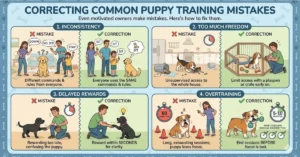
Consistency matters more than perfection. If one person allows a behavior while another corrects it, the puppy may become unsure. Make sure everyone in the household follows the same rules and uses the same cues.

It’s also important to manage expectations. Puppies will make mistakes. They may forget commands, get distracted, or have days where progress seems slower. This is normal and does not mean training is failing. Learning happens in phases, especially during growth spurts and developmental changes.

Mental stimulation plays a large role in early training. Simple problem-solving games, gentle command practice, and interactive play help tire the mind without stressing growing joints. This balance often leads to calmer behavior overall.

For beginners, patience is the most valuable training tool. When training remains calm, clear, and consistent, most German Shepherd puppies respond well. Over time, these early lessons create a strong foundation for more advanced training and a confident, well-behaved adult dog.

German Shepherd Puppy Training Schedule by Age (8 Weeks to 12 Months)

German Shepherd puppies develop quickly, but not evenly. Training works best when it matches your puppy’s age, attention span, and physical development. Expect progress to come in stages rather than a straight line. Some skills stick immediately, while others need revisiting as your puppy matures.

Below is a realistic training timeline to help new owners understand what to focus on from 8 weeks to 12 months.

8–12 Weeks: Foundation and Adjustment

This is the transition period from breeder to home. Training should be gentle and routine-based.

Focus on:

  • Name recognition
  • Potty training routines
  • Handling paws, ears, and mouth
  • Calm crate introduction

At this age, puppies learn mostly through repetition and observation. Sessions should be very short, often under two minutes.

Visuals like a daily routine chart work well here.

3–4 Months: Basic Learning Phase

Your puppy’s attention span starts to improve, though distractions are still strong.

Training priorities include:

  • Sit and come
  • Loose leash introduction
  • Bite inhibition through redirection
  • Positive exposure to people and environments

Consistency matters more than precision. Commands may work well at home but fall apart outdoors. That’s normal.

5–6 Months: Confidence and Testing Limits

This stage often surprises owners. Puppies may appear to “forget” training.

Common changes:

  • Increased independence
  • More energy and curiosity
  • Selective listening

Stay calm and return to basics when needed. Reinforce known commands rather than adding many new ones. Mental stimulation becomes especially important during this phase.

A simple comparison chart showing “expected vs normal behavior” can help owners stay patient.

7–9 Months: Adolescence Begins

Your puppy is stronger, bolder, and more easily distracted.

Training focus should shift to:

  • Improving reliability of known commands
  • Leash manners in busy environments
  • Continued social exposure

This is not the time for harsh corrections. Clear structure and predictable routines help guide behavior.

10–12 Months: Skill Refinement

By this stage, most German Shepherd puppies understand basic expectations.

Work on:

  • Longer focus and impulse control
  • Calm greetings
  • Controlled freedom in safe spaces

Physical maturity is still ongoing, so avoid excessive impact activities. Training should emphasize cooperation rather than control.

What to Keep in Mind Throughout the Timeline

  • Progress is rarely linear
  • Regression is normal during growth spurts
  • Short, consistent practice beats long sessions
  • Emotional development matters as much as obedience

A month-by-month mindset helps prevent frustration and unrealistic expectations.

German Shepherd Puppy Training Tips That Actually Work

German Shepherd puppies are smart, observant, and quick to learn, but the best way to train a German Shepherd is by using methods that match how they naturally think and develop. Many common frustrations come from expecting too much, too fast. The tips below focus on what consistently works in real homes, not just in theory.

One of the most effective training principles is clarity over repetition. German Shepherd puppies don’t need commands repeated louder or more often. They need clear timing. Rewarding the exact moment your puppy does something right helps them connect action with outcome. Delayed responses, even by a few seconds, can slow learning.

Another key tip is to train the puppy in front of you, not the puppy you imagine later. Energy levels, focus, and confidence can vary day to day. Some days your puppy may respond beautifully; other days they may seem distracted. Adjust sessions based on your puppy’s mental state rather than forcing progress.

Short sessions consistently outperform long ones. Two to five minutes of focused practice, repeated several times a day, usually produces better results than a single extended session. Ending training while your puppy is still engaged helps maintain motivation and prevents frustration.

Environment plays a larger role than many owners realize. Training new behaviors works best in low-distraction areas first. Once your puppy understands a skill at home, gradually practice it in new locations. Expecting immediate obedience in busy environments often leads to confusion rather than learning.

Calm handling is another factor that truly matters. German Shepherd puppies are sensitive to tone and body language. Sharp movements or raised voices may interrupt learning and reduce trust. Calm, neutral responses help your puppy stay focused and confident.

It’s also important to reward behavior you like, even when you didn’t ask for it. Sitting calmly, choosing a toy instead of biting, or settling on their own are all behaviors worth reinforcing. Puppies repeat what gets rewarded.

Consistency across people is essential. When different family members use different rules or cues, puppies struggle to understand expectations. Agree on basic boundaries early, such as furniture access or jumping rules, and apply them consistently.

Lastly, remember that training is ongoing, not a phase. German Shepherd puppies continue learning well into adolescence. Progress may feel slow at times, but steady guidance builds lasting habits. Training works best when it’s treated as part of daily life rather than a separate task.

Understanding German Shepherd Puppy Behavior During Training Sessions

Understanding your German Shepherd puppy’s behavior is one of the most important parts of successful training. Many challenges new owners face are not training failures, but normal developmental behaviors that are misunderstood or misinterpreted. When you know what your puppy is communicating, training becomes clearer and far less frustrating.

German Shepherd puppies are highly observant. They watch body language, tone of voice, and daily patterns closely. This means they often respond to how something is said more than what is said. Calm, predictable behavior from the owner usually leads to calmer responses from the puppy. Sudden changes in tone or energy can confuse them and interrupt learning.

During training, it’s common to see bursts of enthusiasm followed by distraction. This doesn’t mean your puppy is stubborn or disinterested. Puppies have short attention spans, and mental fatigue can appear quickly. Signs your puppy is losing focus include sniffing the ground, wandering away, or offering random behaviors. These signals usually mean it’s time to pause or end the session.

Biting and mouthing are also frequent during training periods. German Shepherd puppies explore with their mouths and may nip when excited, tired, or overstimulated. This behavior is normal and usually decreases with consistent redirection and proper rest. Punishment often increases confusion, while calm redirection helps puppies learn appropriate outlets.

Emotional sensitivity is another key trait. German Shepherd puppies can become unsure if corrected harshly or trained in unpredictable ways. Some puppies may shut down temporarily, while others may act overly excited. Both reactions are stress responses. Training works best when corrections are minimal and guidance is clear.

You may also notice periods where your puppy seems to “forget” previously learned skills. This often happens during growth phases or developmental changes. Regression is common and usually temporary. Returning to simple exercises helps rebuild confidence.

Body language offers valuable insight during training. Relaxed ears, soft eyes, and a loose posture suggest your puppy is comfortable. Tension, yawning, turning away, or sudden stillness may signal stress or confusion. Adjusting the pace at this point helps prevent negative associations.

Understanding behavior also means recognizing when your puppy needs rest. Overtired puppies often appear hyperactive or unfocused. Adequate sleep supports learning and emotional balance.

Training becomes much easier when behavior is viewed as communication rather than defiance. When you respond thoughtfully to what your German Shepherd puppy is expressing, training feels cooperative instead of corrective. Over time, this understanding builds trust, confidence, and a stronger bond—making every training session more productive.

How to Socialize a German Shepherd Puppy During Training

Proper socialization is one of the most important parts of raising a well-balanced German Shepherd. This process teaches your puppy how to feel calm and confident around people, animals, sounds, and new environments. Socialization is not about forcing interaction—it’s about creating positive, low-pressure experiences during early development.

The most influential socialization period usually occurs in the first few months of life, but learning continues well beyond that. Puppies that are gently exposed to the world early are often more adaptable and less reactive as adults.

Start by introducing your puppy to everyday situations in a controlled way. This may include household noises, different flooring surfaces, car rides, and calm visitors. Keep exposures brief and positive. If your puppy appears hesitant, allow them to observe from a distance rather than pushing them to interact.

People socialization should involve a variety of appearances and behaviors. Expose your puppy to adults, children (under supervision), people wearing hats, uniforms, or carrying bags. Ask visitors to remain calm and avoid overwhelming the puppy with direct attention. Let curiosity develop naturally.

Introducing other dogs should be done thoughtfully. Not every dog is a good role model for a puppy. Choose calm, well-socialized dogs and neutral environments. Short, positive interactions are more beneficial than long, intense play sessions. Watch body language closely and step in if play becomes too rough or stressful.

Step-by-Step: Safe Socialization Approach

  1. Start in quiet, familiar environments
  2. Introduce one new experience at a time
  3. Reward calm behavior with praise or treats
  4. Allow your puppy to approach at their own pace
  5. End sessions on a positive note

Environmental socialization is equally important. Walk your puppy near traffic at a comfortable distance, visit quiet parks, or sit outside shops where your puppy can observe without pressure. These experiences help normalize the world.

Avoid the mistake of thinking socialization means constant interaction. Overexposure can lead to stress. Signs such as freezing, excessive yawning, or trying to escape suggest your puppy needs space or rest.

Consistency matters more than intensity. A few positive exposures each week are often more effective than overwhelming daily outings. As your puppy grows, gradually increase complexity and distractions.

Proper socialization builds emotional resilience. When done thoughtfully, it helps your German Shepherd puppy grow into a confident, steady adult who can handle new situations without fear or reactivity.

Can a German Shepherd Puppy Be Left Alone During Training? Common Mistakes

Yes, a German Shepherd puppy can be left alone, but how and when you do it matters a great deal. This breed forms strong bonds and is highly people-oriented, which means sudden or poorly planned alone time can lead to stress-related behaviors. The goal is not to avoid leaving your puppy alone, but to teach them how to be alone comfortably.

German Shepherd puppies are not naturally independent in the early months. Expecting them to handle long periods alone too soon often leads to problems such as excessive whining, destructive chewing, or early signs of separation anxiety. These behaviors are usually communication, not disobedience.

Age plays an important role. Very young puppies have limited bladder control and emotional regulation. Leaving them alone for longer than they can reasonably handle may set them up for failure. Short, planned absences work far better than abrupt long ones.

Common Mistakes Owners Make

  • Leaving the puppy alone for too long too early
  • Making departures emotional or dramatic
  • Returning only when the puppy is crying
  • Providing too much freedom in the house
  • Failing to practice alone time regularly

Each of these can unintentionally teach the puppy that being alone is stressful or unpredictable.

Step-by-Step: Teaching Your Puppy to Be Alone

  1. Start with very short absences, even just a few minutes
  2. Keep departures and arrivals calm and low-key
  3. Use a safe space such as a crate or puppy-proofed area
  4. Leave a familiar toy or safe chew for comfort
  5. Gradually increase alone time as your puppy relaxes

Consistency is key. Practicing alone time daily, even when you don’t need to leave, helps normalize the experience.

It’s also important to meet your puppy’s needs before leaving. A puppy that has had a potty break, some gentle play, and mental stimulation is more likely to rest while alone. Leaving a puppy with excess energy often results in restlessness rather than calm behavior.

Watch for signs that alone time is too challenging. Persistent vocalization, drooling, pacing, or attempts to escape may indicate your puppy needs a slower approach. Adjusting duration and environment usually helps.

Leaving a German Shepherd puppy alone is a skill they learn over time. When introduced gradually and thoughtfully, alone time becomes just another normal part of daily life—helping your puppy grow into a confident, well-adjusted adult rather than a stressed one.

When Do German Shepherds Calm Down After Puppy Training?

Many new owners wonder when their German Shepherd will finally calm down, especially after putting consistent effort into training. The honest answer is that calmness develops gradually, not suddenly, and training is only one part of that process. German Shepherds are a working breed, which means a certain level of energy and alertness is normal even in adulthood.

Most German Shepherd puppies begin to show noticeable emotional maturity between 18 months and 3 years. Before that, it’s common to see phases of high energy, testing limits, and fluctuating focus—especially during adolescence. Training helps guide behavior, but time and mental maturity play equally important roles.

After consistent training, what usually changes first is not energy level, but self-control. A trained adolescent German Shepherd may still be energetic, but they’re better able to settle, wait, and respond to cues. Calm behavior becomes a learned habit rather than a constant state.

Owners often notice:

  • Faster recovery after excitement
  • Better impulse control indoors
  • Improved ability to relax after activity

It’s important to understand that training doesn’t remove energy—it teaches dogs how to manage it appropriately. Daily routines, mental stimulation, and clear expectations continue to influence calmness long after puppy training ends.

German Shepherds that appear “never calm” are often under-stimulated mentally rather than poorly trained. Structured engagement usually matters more than adding physical exercise alone.

Overview of Our German Shepherd Puppy Training Program for Puppies

Our German Shepherd puppy training program is designed around realistic development, not quick fixes. It focuses on guiding puppies through each growth stage with age-appropriate expectations and consistent structure.

The program emphasizes:

  • Early foundation skills (focus, routines, boundaries)
  • Positive reinforcement-based learning
  • Gradual exposure to real-life environments
  • Emotional confidence, not just obedience

Training is broken into manageable phases so puppies are not overwhelmed. Instead of rushing commands, the program prioritizes understanding and communication. This approach supports long-term reliability rather than short-term compliance.

Another core element is owner education. Puppies learn fastest when humans are consistent. Clear guidance on timing, reinforcement, and daily structure helps prevent common training setbacks.

The program adapts as the puppy grows. Skills introduced early are revisited and strengthened during adolescence, when many behavioral changes occur. This reduces frustration during “regression” phases that are actually part of normal development.

Rather than aiming for perfection, the program focuses on progress. Calm behavior, confidence, and cooperation are treated as skills that develop over time.

What’s Next After German Shepherd Puppy Training?

After completing early training, the next stage is refinement and real-world application. This is where skills move beyond quiet environments and become reliable in everyday life.

Next steps often include:

  • Practicing commands in new locations
  • Strengthening leash manners in busier areas
  • Increasing duration of calm behaviors
  • Encouraging independent settling

Mental enrichment continues to be important. As physical growth slows, mental challenges help prevent boredom-related behaviors. Problem-solving activities and structured tasks often become more valuable than increasing exercise intensity.

It’s also a good time to reassess routines. As your puppy matures, sleep needs, activity levels, and attention span change. Adjusting schedules helps maintain balance.

Most importantly, remember that training doesn’t end—it evolves. German Shepherds thrive when learning is part of daily life. With consistent guidance, your puppy transitions from learning rules to confidently living within them, becoming a steady, dependable companion over time.

Disclaimer: Training results vary based on temperament, environment, and consistency. For persistent behavioral concerns, consult a qualified dog trainer or veterinarian.

FAQs

1. What is the best age to start training a German Shepherd puppy?

Training can begin as soon as your puppy comes home, often around 8 weeks of age. Early training focuses on routines, gentle guidance, and positive experiences rather than strict commands.

2. How long should daily training sessions be for a puppy?

Short sessions work best. A few minutes at a time, repeated several times a day, usually leads to better learning than one long session.

3. Can German Shepherd puppies be trained at home without professional help?

Many owners successfully train at home using consistent routines and positive reinforcement. If challenges persist or behavior becomes difficult to manage, a qualified trainer can provide helpful guidance.

4. Why does my German Shepherd puppy listen indoors but not outside?

Distractions are much stronger outdoors. Puppies often need time to generalize skills to new environments, which is a normal part of learning.

5. Is biting during training a sign of aggression?

German Shepherd puppy biting and mouthing are common behaviors, especially during teething. With calm redirection and appropriate chew outlets, this behavior usually decreases over time.

6. How much exercise does a German Shepherd puppy really need?

Exercise needs vary by age and energy level. Gentle play and short walks combined with mental stimulation are usually more beneficial than intense physical activity during puppyhood.

7. What should I do if my puppy seems afraid during training?

Fearful responses often mean the situation is too intense. Slowing down, increasing distance from triggers, and rewarding calm behavior can help rebuild confidence.

8. Can training help prevent future behavior problems?

Early, consistent training helps shape good habits and improves communication. While it doesn’t guarantee perfect behavior, it significantly reduces the risk of common issues.

9. How long does it take to see results from puppy training?

Some improvements appear quickly, while others take weeks or months. Progress often happens gradually and may include temporary setbacks during growth phases.

10. Should I continue training after puppyhood ends?

Yes. Training is an ongoing process that evolves as your dog matures. Reinforcing skills and introducing new challenges helps maintain good behavior long-term.

Dognutrio Team

Dognutrio Team is a group of pet nutrition and German Shepherd care researchers dedicated to providing accurate, experience-backed, and vet-reviewed information for dog owners.

🔴Related Post

Leave a Comment