Are German Shepherds Friendly to Strangers? A Complete Temperament Guide

By Dognutrio Team

Published On:

are german shepherds friendly to strangers

Join WhatsApp

Join Now

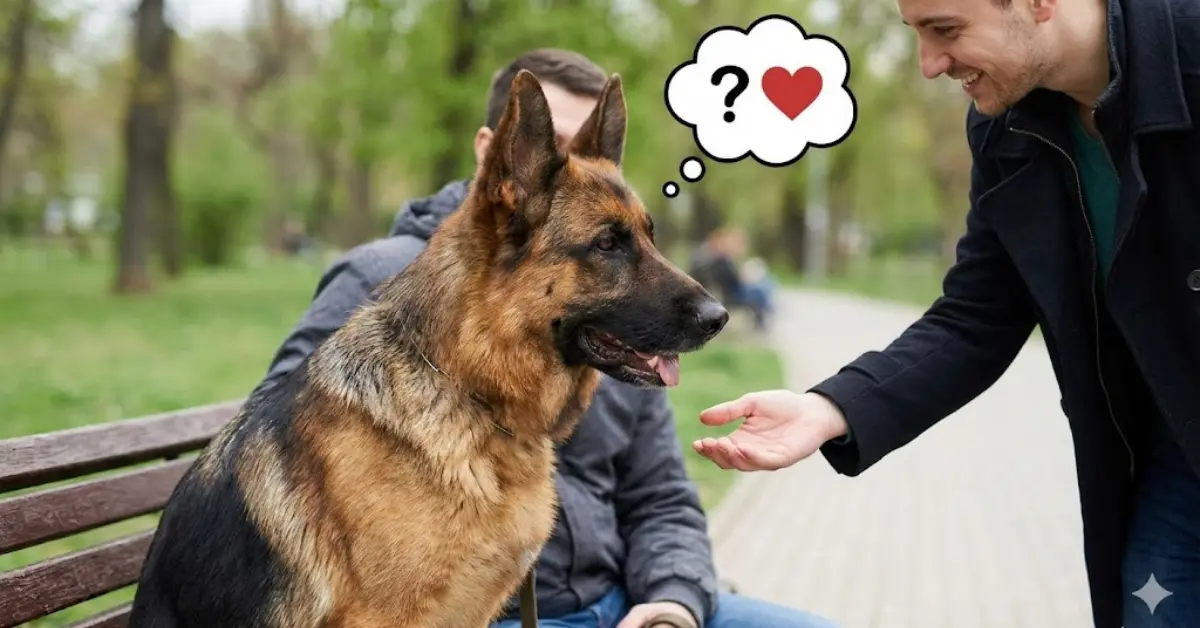
Are German Shepherds Friendly to Strangers? It is one of the most common questions future owners ask, especially because this breed is known for loyalty, intelligence, and strong protective instincts. The truth is not a simple yes or no. Their behavior around unfamiliar people depends heavily on genetics, early socialization, training consistency, and the environment they are raised in.

German Shepherds were originally bred as working dogs, valued for focus, confidence, and guarding ability. Those traits can make them reserved rather than immediately outgoing.

However, a well socialized and properly trained Shepherd is typically calm, observant, and capable of accepting strangers without unnecessary aggression.

Understanding their temperament requires looking beyond stereotypes. In this guide, we break down what truly shapes their friendliness, what owners should realistically expect, and how to raise a balanced, socially confident dog.

Table of Contents

Understanding the German Shepherd Temperament

The German Shepherd temperament is best described as confident, intelligent, loyal, and highly trainable. This breed was developed for herding and protection work, which required strong nerves, quick decision making, and a natural instinct to observe rather than react impulsively.

A stable German Shepherd is not randomly aggressive or overly timid. Instead, they are typically alert and measured in unfamiliar situations.

Temperament is shaped by three core factors: genetics, early socialization, and structured training. Reputable breeding programs prioritize stable nerves and balanced drives, while poor breeding can increase fear based reactivity. Puppies exposed to varied environments, people, and sounds during their critical development period are far more adaptable as adults.

It is important to separate confidence from dominance myths. A well bred and properly raised German Shepherd should show controlled protective behavior, not uncontrolled hostility.

When mental stimulation and leadership are consistent, this breed thrives as both a family companion and a reliable working partner.

Are German Shepherds Naturally Protective or Aggressive?

German Shepherds are naturally protective, but protection should not be confused with aggression. Protection is an instinctive behavior rooted in territorial awareness and loyalty to family members. Aggression, on the other hand, is typically a response to fear, poor socialization, unstable genetics, or improper handling.

A stable German Shepherd evaluates a situation before reacting. They often position themselves between their owner and a perceived threat, display alert body language, and use vocal warnings such as barking. This is controlled guarding behavior, not hostility.

True aggression usually appears as excessive reactivity, snapping without warning, or inability to recover once stimulated, which are signs of temperament instability rather than breed standard behavior.

Key differences include:

Protective Behavior Aggressive Behavior
Alert but controlled Overreactive and unpredictable
Responds to training Ignores commands when aroused
Calm recovery after stimulus Remains agitated or escalates

When raised with early social exposure and consistent leadership, most German Shepherds demonstrate protective confidence rather than uncontrolled aggression.

Guard Dog Instincts in This Working Dog Breed

German Shepherds were originally bred for herding and property protection, which naturally developed strong guard instincts. These instincts are part of their working heritage and are carefully outlined in breed standards. A balanced Shepherd is expected to be self assured, steady, and attentive to surroundings without being nervously reactive.

Guarding behavior often appears as:

  • Increased alertness when strangers approach
  •  Standing tall with focused eye contact
  •  Positioning near entry points
  •  Deep warning bark before any physical reaction

These responses are normal and often desirable in a protection capable breed. However, structured training is essential to ensure the dog understands when to switch off and remain neutral.

Working line German Shepherds may display stronger drive and intensity compared to show lines, but both can be stable when properly bred. Without mental stimulation and leadership, guarding instincts can turn into nuisance barking or territorial behavior. With proper boundaries, these instincts make them reliable home guardians and trustworthy companions.

Loyal and Protective Personality Traits Explained

Loyalty is one of the defining traits of the German Shepherd. This breed forms strong attachments to their primary handler and household members. Their protective personality stems from this deep bond rather than random suspicion of outsiders.

Common personality traits include:

  • Strong attachment to family
  • High trainability and responsiveness
  • Observational and situational awareness
  • Confidence when properly socialized

Because they bond closely, they often prefer structured interaction over chaotic environments. They may not be instantly social like some companion breeds, but they can learn to accept visitors calmly when introduced correctly.

Early positive exposure to different people plays a critical role in shaping social confidence. Puppies introduced to varied environments, ages, and appearances are less likely to develop fear based reactions later. Balanced leadership reinforces security, which reduces unnecessary guarding responses.

When raised thoughtfully, a German Shepherd combines loyalty with controlled protectiveness, making them devoted family members rather than unpredictable guard dogs.

German Shepherd Behavior Around Strangers

German Shepherd behavior around strangers is shaped by temperament, early exposure, and leadership at home. A well bred and properly socialized dog is typically alert but composed when meeting new people. Instead of rushing forward or retreating in fear, most stable Shepherds observe first, assess the situation, and respond based on cues from their owner.

This breed was developed to think independently while remaining handler focused. That combination often results in reserved behavior rather than immediate friendliness. Being reserved is not the same as being unfriendly. Many German Shepherds prefer structured introductions, calm energy, and clear boundaries before engaging.

Environmental factors also matter. Dogs raised in quiet homes with limited exposure may react differently than those accustomed to visitors and public settings. With consistent social experiences and confidence building training, most German Shepherds learn to remain neutral, controlled, and socially stable around unfamiliar people.

Why Some German Shepherds Show Stranger Anxiety

Stranger anxiety in German Shepherds is usually rooted in fear, not dominance or stubbornness. Fear based behavior often develops from limited early socialization during the critical puppy development stage. Puppies that are not exposed to varied people, sounds, and environments may grow into adults that perceive unfamiliar situations as threats.

Genetics also play a measurable role. Responsible breeders select for stable nerve strength and balanced temperament. Dogs from poorly managed breeding programs are statistically more likely to display fear reactivity or unstable behavior patterns. Anxiety can present as excessive barking, retreating, trembling, growling, or hyper vigilance.

Common causes of stranger anxiety include:

  • Insufficient early social exposure
  • Negative past experiences
  • Inconsistent leadership or unclear boundaries
  • High sensitivity to environmental stimuli

It is important to evaluate context before labeling behavior as aggression. A dog that barks and backs away is often communicating discomfort rather than intent to harm. Gradual exposure training, positive reinforcement, and structured routines can significantly improve confidence.

When anxiety is severe or persistent, consultation with a qualified trainer or veterinary behavior professional ensures the issue is addressed safely and responsibly.

Territorial Behavior and Protective Instincts

Territorial behavior is a natural component of the German Shepherd temperament. This breed has strong spatial awareness and often perceives the home as a defined area that requires monitoring. When strangers approach entry points such as doors or gates, alert barking is a common and expected response.

Protective instincts differ from uncontrolled aggression. A balanced German Shepherd typically escalates in stages. First comes alert posture and focused attention. If the perceived intrusion continues, vocal warnings may follow. Physical escalation is uncommon in stable dogs unless a genuine threat is present.

Key differences between healthy territorial behavior and problematic reactivity include:

Healthy Protection Problematic Reactivity
Responds to owner commands Ignores commands
Settles once introduced Remains agitated
Controlled barking Continuous, frantic barking

Clear leadership is critical. When owners confidently manage introductions and signal that a guest is welcome, most German Shepherds relax and shift into a neutral state. Structure transforms instinct into reliable, controlled guarding rather than unpredictable behavior.

Body Language Signs to Watch Around New People

Understanding body language is essential when evaluating a German Shepherd around strangers. Dogs communicate primarily through posture, facial tension, ear position, tail carriage, and movement patterns. Recognizing early signals prevents escalation and supports safer introductions.

Neutral or relaxed signs include:

  • Soft eyes and blinking
  • Loose tail movement at mid height
  • Ears naturally forward but not rigid
  • Willingness to disengage and look away

Warning or stress signals may include:

  • Stiff body posture
  • Intense, unbroken staring
  • Raised hackles
  • Tail held high and rigid
  • Low growling or tight facial expression

Subtle signs often appear before overt reactions. Lip licking, yawning, or turning the head away can signal discomfort. Respecting these early cues allows owners to redirect or create space before tension increases.

Careful observation combined with gradual exposure builds confidence. When owners understand these signals, they can manage interactions proactively, reinforcing calm responses and reducing the likelihood of defensive behavior around unfamiliar people.

Are German Shepherds Aggressive Toward Strangers?

German Shepherds are not inherently aggressive toward strangers, but they are naturally alert and protective. This distinction is critical. Breed standards describe the ideal temperament as confident, steady, and self assured, not nervous or unstable. A well bred and properly socialized German Shepherd should evaluate unfamiliar people calmly rather than react impulsively.

Aggression is typically the result of poor socialization, weak nerve strength, traumatic experiences, or inconsistent leadership. In many cases, what appears to be aggression is actually fear based reactivity. Dogs that lack early exposure to diverse environments may interpret unfamiliar people as threats.

Environmental management also plays a role. Clear boundaries, structured introductions, and positive reinforcement training significantly reduce defensive responses. When raised responsibly and guided consistently, most German Shepherds demonstrate controlled protectiveness rather than hostility toward strangers.

Difference Between Protective Behavior and Aggression

Protective behavior and aggression are often confused, especially in guarding breeds. Protective behavior is controlled, purposeful, and situational. Aggression is reactive, excessive, or disproportionate to the trigger.

A protective German Shepherd may bark when someone approaches the home, position themselves near their owner, or remain watchful until given a signal that the situation is safe. Once reassured, they typically relax. This shows environmental awareness and handler responsiveness.

Aggression, however, often includes lunging without warning, inability to disengage, snapping unpredictably, or escalating despite owner commands. These behaviors suggest instability or fear rather than healthy guarding instinct.

The distinction becomes clearer when comparing behavior patterns:

Protective Response Aggressive Response
Alert but controlled posture Tense and explosive reactions
Responds to recall or commands Ignores commands
Settles after introduction Continues escalating
Situation specific Generalized reactivity

Understanding this difference prevents unfair labeling. In stable dogs, protectiveness is measured and manageable. True aggression warrants professional assessment to identify root causes and ensure safe, structured intervention.

What Triggers Aggression in German Shepherds?

Aggression in German Shepherds is rarely random. It usually develops from identifiable triggers combined with environmental factors. Recognizing these triggers allows owners to intervene early and prevent escalation.

Common triggers include:

  • Lack of early social exposure
  • Fear from past negative experiences
  • Pain or underlying medical issues
  • Resource guarding behaviors
  • High arousal without mental stimulation
  • Inconsistent boundaries at home

Pain related aggression is often overlooked. A dog experiencing discomfort from hip dysplasia or other orthopedic conditions may react defensively when approached. Veterinary evaluation is essential when behavior changes suddenly.

Another major factor is frustration. German Shepherds are intelligent working dogs that require structured activity. Without mental and physical engagement, stress can manifest as irritability or reactivity.

Proper breeding practices also influence stability. Dogs from lines selected for balanced temperament are statistically less likely to display unstable aggression. Responsible ownership, early exposure, and structured leadership dramatically reduce risk and support a confident, socially stable dog.

Statistics on Dog Bite Incidents by Breed 

Dog bite statistics are frequently cited without context, which leads to misconceptions about specific breeds. German Shepherds are often listed among breeds involved in reported bite incidents. However, raw numbers alone do not account for population size, reporting bias, training quality, or ownership practices.

Large breeds are more visible in reporting data, and working breeds are commonly chosen for guarding roles. This increases their likelihood of being involved in incidents, but it does not prove inherent aggression.

Important context factors include:

  • Breed popularity and overall population
  • Quality of breeding and socialization
  • Owner responsibility and training practices
  • Whether the dog was provoked
  • Accuracy of breed identification in reports

Research consistently shows that environment and human management are stronger predictors of bite risk than breed alone. Temperament stability, early exposure, and responsible ownership significantly reduce incidents.

Focusing solely on breed can oversimplify a complex behavioral issue. A balanced evaluation considers genetics, environment, and training rather than relying on generalized assumptions.

Does Early Socialization Make German Shepherds Friendly to Strangers?

Early socialization plays a decisive role in shaping whether German Shepherds grow into calm, socially stable adults around strangers. While genetics influence baseline temperament, structured exposure during the critical developmental window, typically between three and sixteen weeks of age, significantly impacts long term behavior.

Puppies that experience positive interactions with different people, environments, surfaces, and sounds are more likely to respond with curiosity rather than suspicion later in life.

Socialization does not mean forcing interaction. It means controlled, positive exposure that builds confidence without overwhelming the puppy. When introductions are gradual and paired with calm reinforcement, the dog learns that unfamiliar people are not automatically threats.

Without early exposure, even a genetically stable German Shepherd may develop fear based reactivity. With consistent guidance, however, most can learn neutrality and composure around strangers, which is the realistic goal for this working breed.

Importance of Early Socialization in Puppies

The early developmental stage is when puppies form lasting associations about safety and threat. Experiences during this period influence how the nervous system responds to new stimuli in adulthood. For German Shepherds, a breed known for alertness and environmental sensitivity, this stage is particularly critical.

During early socialization, puppies should encounter a variety of controlled experiences:

  • Different ages, appearances, and voices
  • Various environments such as parks or urban settings
  • Common household sounds
  • Gentle handling and grooming routines
  • Calm exposure to other vaccinated dogs

Positive exposure builds neural resilience. When interactions are paired with praise or rewards, puppies develop stable coping mechanisms. In contrast, isolation or negative experiences during this window increase the risk of fear responses later.

It is equally important to avoid overwhelming situations. Gradual exposure strengthens confidence, while forced interaction can create long term anxiety. Structured socialization provides the foundation for balanced adult behavior, especially in protective working breeds.

Best Socialization Techniques for German Shepherds

Effective socialization focuses on quality rather than quantity. The goal is to teach the puppy to remain calm and neutral, not overly excited or fearful. Structured methods are more effective than random encounters.

Proven techniques include:

  • Controlled meet and greet sessions with calm individuals
  • Reward based exposure using treats or verbal praise
  • Short public outings with positive reinforcement
  • Observational exposure where the puppy watches from a safe distance
  • Pairing new experiences with obedience cues such as sit or focus

Gradual progression is essential. Begin in low distraction environments before introducing busier settings. Monitoring body language helps determine whether the puppy is relaxed or overstimulated.

Consistency reinforces learning. Regular exposure builds familiarity, which reduces uncertainty. When guided properly, socialization strengthens confidence and reduces defensive reactions. For a breed with natural guarding instincts, early structured exposure channels those instincts into controlled, predictable responses rather than suspicion.

Obedience Training and Confidence Building

Obedience training complements socialization by providing structure and communication. German Shepherds thrive when expectations are clear. Teaching foundational commands such as sit, stay, recall, and place creates predictable behavior patterns that increase confidence in unfamiliar situations.

Confidence building exercises may include:

  • Practicing commands in gradually increasing distractions
  • Rewarding calm behavior around visitors
  • Introducing new environments with structured tasks
  • Using leash guidance to maintain control during greetings

Training enhances handler focus. When a dog looks to the owner for direction, uncertainty decreases. This reduces the likelihood of reactive behavior around strangers.

Mental stimulation is equally important. Puzzle tasks, scent work, and structured play engage cognitive drive and prevent frustration related reactivity.

Confidence is not created through force. It develops through repetition, positive reinforcement, and consistent leadership. When obedience and social exposure work together, German Shepherds are more likely to display calm, controlled behavior in the presence of unfamiliar people.

Are German Shepherds Good Family Dogs With Visitors?

German Shepherds can be excellent family dogs, even in homes that regularly receive visitors, when their temperament is stable and their training is consistent. This breed is known for strong loyalty and environmental awareness, which means they often take their role as household guardian seriously. That instinct does not automatically translate into hostility toward guests. In most balanced dogs, it shows up as alert observation rather than confrontation.

Success in social settings depends on early exposure, clear boundaries, and owner leadership. German Shepherds that are taught how to behave during door greetings and guest interactions are more likely to remain composed. Structure creates predictability, and predictability reduces reactive behavior.

It is important to set realistic expectations. Many German Shepherds are reserved rather than overly social. With proper guidance, they can learn to accept visitors calmly while maintaining their natural protective awareness.

German Shepherds Around Children and Guests

German Shepherds are often deeply bonded to family members, including children, and may display heightened attentiveness when unfamiliar guests enter the home. A stable dog should differentiate between normal social interaction and genuine threat. This distinction is influenced by temperament, training, and the emotional tone set by the adults in the household.

When properly socialized, most German Shepherds will:

  • Observe new guests before approaching
  • Remain close to their handler initially
  • Relax once they sense calm, confident energy
  • Respond to obedience cues during introductions

Children add another layer of complexity due to unpredictable movement and noise. Supervision is essential, especially during guest visits where excitement levels may rise. Teaching children respectful interaction, such as avoiding sudden hugging or crowding, supports safer outcomes.

If a dog shows signs of stiffness, intense staring, or guarding behavior around guests, intervention should be calm and structured. Redirecting the dog to a designated place command can prevent escalation.

With consistent leadership and supervised interaction, German Shepherds can coexist peacefully with both children and visitors in a family setting.

How to Introduce Your German Shepherd to New People

Introductions should be planned, not spontaneous. German Shepherds respond best when they understand expectations and have clear direction from their owner. Preparation reduces uncertainty and lowers the risk of defensive behavior.

Recommended introduction steps include:

  • Ensure the dog is exercised before guests arrive
  • Use leash control during initial greeting
  • Ask guests to remain calm and avoid direct staring
  • Allow the dog to approach at their own pace
  • Reward relaxed body language

Avoid forcing interaction. A dog that feels pressured may react defensively. Instead, create a neutral environment where the dog can observe safely. Positioning the dog slightly behind or beside the handler reinforces leadership and security.

Structured commands such as sit or place during the greeting phase provide focus and reduce overstimulation. Once the dog demonstrates relaxed posture and disengagement from hyper vigilance, gradual interaction can begin.

Clear guidance during introductions builds trust. Over time, repeated positive experiences teach the German Shepherd that visitors are part of normal household routine rather than potential threats.

Tips to Reduce Territorial Reactions at Home

Territorial reactions often occur at entry points such as doors, gates, or windows. German Shepherds naturally monitor these areas, so training should focus on control rather than suppression of instinct.

Practical strategies include:

  • Teaching a reliable place command away from the door
  • Practicing calm door opening drills without guests
  • Rewarding silence after an alert bark
  • Blocking visual access to high trigger areas if needed
  • Maintaining consistent household rules

Routine desensitization can be effective. For example, rehearsing door knocks followed by calm behavior reinforcement teaches the dog that not every sound signals a threat.

Consistency is critical. If one family member allows excited barking while another corrects it, confusion increases reactivity. Clear, unified expectations support stability.

Territorial awareness is normal in this breed. With structured training and confident leadership, it can be shaped into controlled alertness rather than disruptive or escalating behavior.

Male vs Female German Shepherds – Who Is More Friendly to Strangers?

When comparing male and female German Shepherds, friendliness toward strangers is influenced more by genetics, upbringing, and training than by gender alone. Both males and females can be socially stable and composed when properly raised. However, subtle temperament tendencies are often observed between the two.

Males are commonly described as more outgoing and attention seeking, which may translate into slightly more openness during introductions. Females are often perceived as more reserved and observant, especially in unfamiliar environments. These patterns are general tendencies rather than guarantees. Individual personality, early exposure, and handler consistency carry far greater weight than sex.

Prospective owners should focus on temperament testing, breeder reputation, and early socialization history rather than assuming one gender is automatically friendlier. A well socialized German Shepherd, regardless of gender, should display controlled curiosity rather than fear or unwarranted aggression around strangers.

Temperament Differences by Gender

While breed standards apply equally to both sexes, behavioral trends are sometimes noted in household and working environments. These differences are subtle and can vary widely between individuals.

Commonly observed tendencies include:

  • Males often show stronger attachment to all family members and may seek more social engagement
  • Females may mature faster emotionally and demonstrate sharper environmental awareness
  • Males can display slightly higher play drive
  • Females are sometimes more independent in decision making

In social settings, males may approach visitors with confident curiosity, while females may observe first and engage after assessing the situation. Neither pattern indicates better or worse temperament. Stability, nerve strength, and social conditioning remain the primary predictors of friendliness.

It is important to evaluate the dog as an individual. Temperament testing at a young age, including reaction to unfamiliar people and recovery time after mild stress, provides more reliable insight than gender alone.

Training and Behavioral Tendencies

Training responsiveness is often similar between male and female German Shepherds, but motivation styles can differ slightly. Males may respond strongly to praise and engagement based rewards, while females sometimes excel in structured, task oriented training.

Behavioral tendencies that may influence stranger interactions include:

Factor Males Females
Social engagement Often more outwardly social Often more reserved initially
Maturity rate Slightly slower emotional maturity Earlier emotional maturity
Territorial behavior Can be pronounced if unmanaged Often precise and controlled

Consistency in leadership shapes outcomes more than gender. Clear expectations during greetings, reinforcement of calm behavior, and early exposure to varied people reduce defensive tendencies in both sexes.

Hormonal influences may also affect behavior, particularly if the dog is intact. Responsible management and training minimize these variables.

Ultimately, a balanced temperament results from breeding quality, early experiences, and structured guidance, not simply whether the dog is male or female.


Can You Train a German Shepherd to Be Friendly to Strangers?

Yes, you can train a German Shepherd to behave calmly and appropriately around strangers, but the goal should be controlled neutrality rather than excessive friendliness. This breed was developed for guarding and working roles, so expecting them to greet every new person with enthusiasm is unrealistic. What responsible training aims to achieve is confidence, stability, and responsiveness under distraction.

Training success depends on timing, consistency, and understanding canine learning principles. Dogs repeat behaviors that are reinforced and avoid behaviors that are not rewarded. When calm responses to unfamiliar people are consistently reinforced, those responses become habitual.

It is equally important to address underlying fear or overstimulation rather than suppressing behavior. Structured exposure, paired with clear obedience cues, creates predictability. Over time, predictability reduces anxiety and builds trust. With patient guidance and correct reinforcement techniques, most German Shepherds can learn to remain composed and socially stable around strangers.

Step-by-Step Obedience Training Plan

A structured obedience plan creates clarity and reduces reactive behavior. Training should progress gradually, moving from low distraction environments to controlled real world settings.

Step 1: Foundation Commands

Teach sit, stay, down, recall, and place in a quiet environment. Reliability at home is essential before adding distractions.

Step 2: Focus Training

Introduce a focus cue such as “look” to redirect attention from strangers back to the handler. This strengthens impulse control.

Step 3: Controlled Exposure

Invite one calm person at a time. Keep the dog on leash and reinforce calm posture and eye contact with the handler.

Step 4: Gradual Distraction Increase

Practice in slightly busier environments while maintaining control. Reward neutrality, not excitement.

Step 5: Reinforce Recovery

Ensure the dog can disengage and settle quickly after stimulation.

Progression should be based on behavioral readiness, not a fixed timeline. Consistent repetition builds automatic, stable responses.

Positive Reinforcement Methods That Work

Positive reinforcement strengthens desired behavior by pairing it with a reward the dog values. For German Shepherds, rewards may include high value treats, verbal praise, toys, or brief play sessions.

Effective methods include:

  • Rewarding calm behavior when a stranger enters
  • Marking desired responses with a clear cue such as “yes”
  • Using treats to create positive associations with new people
  • Reinforcing eye contact and handler focus
  • Gradually reducing rewards as behavior becomes consistent

Timing is critical. Rewards must occur immediately after the desired behavior to create clear association. Reinforcing calm observation instead of forced interaction teaches the dog that neutrality is correct.

Avoid overwhelming exposure. Small, positive repetitions are more effective than long, stressful sessions. Over time, repeated calm experiences reshape emotional responses, replacing suspicion with confidence and predictability.

Common Training Mistakes to Avoid

Training setbacks often result from inconsistency or misunderstanding canine behavior. Avoiding common errors improves long term results.

Frequent mistakes include:

  • Forcing the dog to interact before it feels comfortable
  • Punishing warning signals such as growling
  • Skipping foundational obedience
  • Introducing too much stimulation too quickly
  • Inconsistent rules among family members

Punishing warning signals can suppress communication without resolving underlying discomfort. A dog that stops growling may escalate without warning later. Instead, address the root cause calmly.

Another mistake is expecting rapid transformation. Behavioral change requires repetition and controlled exposure. Rushing the process increases stress and reduces reliability.

Clear structure, patience, and consistent reinforcement are essential. When training aligns with the breed’s working intelligence and natural instincts, German Shepherds respond with impressive stability and control around strangers.

Final Verdict: Are German Shepherds Friendly to Strangers?

German Shepherds are not naturally social butterflies, but they are not inherently unfriendly either. Their default response to strangers is usually alert observation rather than immediate warmth. With stable genetics, early socialization, and consistent training, most German Shepherds can learn to remain calm, controlled, and socially neutral around unfamiliar people.

This breed was designed to think, assess, and protect. When those instincts are guided properly, they become balanced family companions who can accept visitors without unnecessary tension. The outcome depends far more on breeding quality and responsible ownership than on the breed itself.

FAQs

1. Are German Shepherds naturally friendly to strangers?

German Shepherds are not naturally overly friendly with strangers. They are known for being loyal and protective, which can make them reserved around unfamiliar people. With proper early socialization and training, however, they can learn to behave calmly and confidently around new individuals.

2. Are German Shepherds aggressive toward strangers?

German Shepherds are not inherently aggressive toward strangers. Aggression usually results from poor socialization, lack of training, fear, or negative experiences. A well-trained and properly socialized German Shepherd is typically alert but controlled rather than aggressive.

3. How can I make my German Shepherd more friendly to strangers?

Early socialization is key. Expose your dog to different people, environments, and situations from a young age. Consistent obedience training, positive reinforcement, and gradual introductions help reduce territorial behavior and stranger anxiety.

4. Do German Shepherds get along with house guests?

Yes, German Shepherds can get along well with house guests when properly introduced. They may initially act cautious due to their protective instincts, but with guidance and reassurance from their owner, they usually settle down and accept visitors.

5. Are German Shepherds good family dogs if visitors come often?

German Shepherds can be excellent family dogs even in homes with frequent visitors. However, they require structured training and clear boundaries to ensure their protective nature does not turn into over-guarding behavior.

Dognutrio Team

Written by a professional dog breed researcher and SEO strategist with over a decade of experience creating evidence-based pet care content aligned with AKC and AVMA guidelines. Dedicated to responsible ownership and ethical breeding education.

🔴Related Post

Leave a Comment