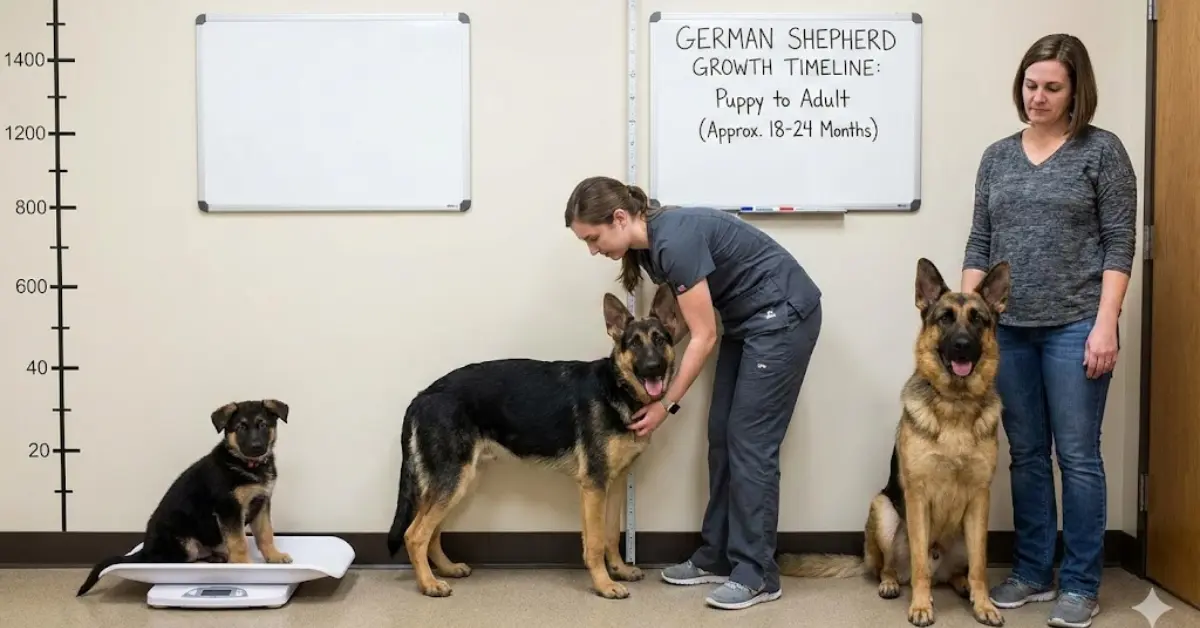
A German Shepherd typically stops growing in height between 12 and 18 months of age, but they continue filling out and gaining muscle until about 24 to 36 months. Most reach their full height around one year, while chest width, muscle mass, and overall maturity develop well into their second or even third year. Large-breed genetics, nutrition, and activity levels all influence this timeline.
If you’re raising a German Shepherd puppy, you’ve probably asked yourself: At what age is a German Shepherd fully grown? The answer isn’t as simple as a birthday milestone. Growth happens in stages – rapid skeletal growth first, then slow muscle development, and finally mental maturity.
In this in-depth guide, we’ll break down physical growth timelines, explain growth plates closing age, compare male vs female German Shepherd size, review a detailed German Shepherd growth chart, address common myths, and discuss when protective behavior crosses the line. Let’s dig in.
Expert Insight on Large-Breed Development
As a large working breed, German Shepherds mature more slowly than small companion breeds. This extended development period allows proper joint stabilization and muscle formation, which is critical for long-term mobility. Rushing growth through overfeeding or excessive exercise can increase orthopedic stress, especially before growth plates close.
Understanding German Shepherd Growth Stages
German Shepherds are classified as large-breed dogs by the American Kennel Club (AKC). Large breeds grow differently than small dogs. They develop quickly at first but mature more slowly overall.
Stage 1: Rapid Puppy Growth (0 to 6 Months)
This is the “blink and they doubled in size” phase.
- Puppies gain weight rapidly.
- Bones lengthen quickly.
- Appetite increases significantly.
- Teething begins around 3–4 months.
During this time, growth plates remain wide open. These soft areas at the ends of bones allow lengthening. Overexertion or poor nutrition can impact joint development, which is why controlled exercise and large-breed puppy food are critical.
Stage 2: Adolescent Growth (6 to 12 Months)
This is when many owners wonder how big do German Shepherds get — because by now, they already look big.
- Height nears adult range.
- Limbs may appear long and awkward.
- Ears are fully upright.
- Energy levels peak.
Most German Shepherds reach close to their adult height by 10–12 months. However, they often look lean and narrow.
Stage 3: Filling Out (12 to 24 Months)
Height stabilizes, but the body continues developing.
- Chest broadens.
- Muscle density increases.
- Adult coat fully develops.
- Strength improves significantly.
The German Shepherd full grown age in terms of body mass is closer to 2 to 3 years, especially in males.
Stage 4: Mental Maturity (24 to 36 Months)
Physically mature does not equal mentally mature.
German Shepherds often retain adolescent behavior until age 2 or even 3. This is normal for working breeds with high intelligence and drive.
German Shepherd Growth Chart (Height & Weight)
Below is a general German Shepherd growth chart based on breed standards from the AKC. Individual dogs may vary.
|
Age |
Male Weight | Female Weight | Height Range |
|
2 Months |
16–20 lbs | 11–17 lbs | 7–9 in |
| 4 Months | 35–40 lbs | 30–35 lbs |
11–14 in |
|
6 Months |
49–57 lbs | 44–49 lbs | 16–20 in |
|
9 Months |
65–70 lbs | 55–60 lbs |
20–22 in |
| 12 Months | 66–75 lbs | 55–65 lbs |
Near adult height |
| 18–24 Months | 65–90 lbs | 50–70 lbs |
Full adult height |
Healthy Weight for German Shepherd
According to breed standards:
- Males: 65–90 pounds
- Females: 50–70 pounds
Keep in mind that working lines may be leaner, while show lines often appear heavier.
Male vs Female German Shepherd Size
The male vs female German Shepherd size difference becomes noticeable around 6–9 months.
|
Trait |
Male | Female |
|
Height |
24–26 inches | 22–24 inches |
|
Weight |
65–90 lbs |
50–70 lbs |
| Build | Broader chest, heavier bone |
Slightly slimmer frame |
| Maturity speed | Slower |
Slightly faster |
Males typically take longer to fully fill out. Females often appear proportionally balanced earlier.
At What Age Is a German Shepherd Fully Grown?
This question has two answers:
- Height: 12–18 months
- Full muscle & body mass: 24–36 months
So if someone asks, when does a German Shepherd stop growing? — the most accurate response is:
They stop getting taller around 1 year but don’t finish maturing until about 2–3 years.
Growth Plates Closing Age
Growth plates are soft cartilage areas at the ends of long bones. They allow bones to lengthen during puppyhood.
For large breeds like German Shepherds:
- Growth plates typically close between 12 and 18 months.
- Some males may take slightly longer.
Why does this matter?
Before growth plates close, intense jumping, long-distance running, or forced exercise can increase joint stress. Organizations like the AVMA recommend controlled activity for large-breed puppies to protect skeletal development.
Once growth plates close, bones harden and the dog reaches skeletal maturity.
Veterinary organizations such as the AVMA emphasize that large-breed dogs require controlled growth during puppyhood to reduce joint stress. Because German Shepherds are a powerful working breed, their slower maturation timeline supports long-term structural stability and mobility.
What Influences Growth Rate?
Several factors affect how big German Shepherds get and how fast they mature.
- Genetics
Working line vs show line differences matter.
- Working lines: leaner, slightly lighter.
- Show lines: heavier bone structure.
Parents’ size strongly predicts adult size.
- Nutrition
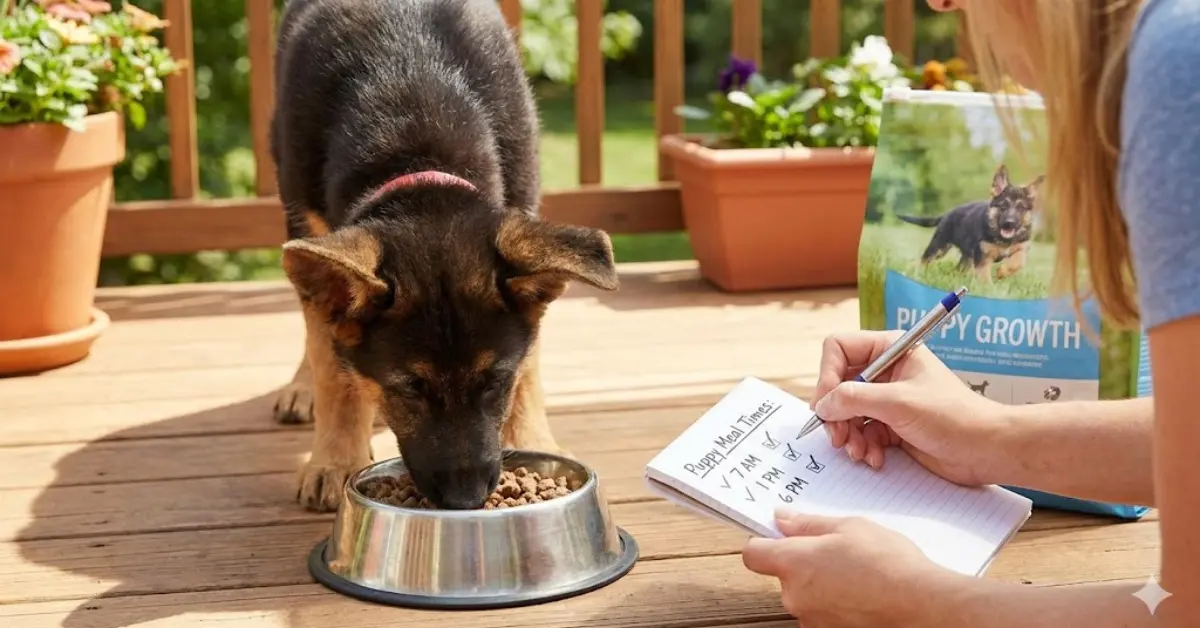
Large-breed puppy formulas regulate calcium and phosphorus ratios. Excess calcium can interfere with joint development.
Feed according to veterinary guidelines. Overfeeding does not make a puppy grow better – it can increase orthopedic risk.
Feeding a balanced large-breed puppy formula helps regulate growth speed, which reduces the risk of joint stress during rapid development.
Rapid growth and excess weight during puppyhood can increase the risk of hip and elbow dysplasia, which are concerns in large working breeds.
- Exercise
Moderate, controlled activity supports healthy muscle development.
Avoid:
- Repetitive stair climbing
- Long-distance jogging before 18 months
- Excessive jumping
- Spay/Neuter Timing
Early sterilization may slightly influence bone length because hormones affect growth plate closure timing. Always consult your veterinarian for personalized recommendations.
Common Myths About German Shepherd Growth
Myth 1: “They stop growing at one year exactly.”
False. They stop growing taller around 12 months, but they continue developing physically until 2 to 3 years.
Myth 2: “More food makes them grow stronger.”
Overfeeding can cause rapid weight gain and stress joints. Growth should be steady, not accelerated.
Myth 3: “Big paws mean a giant adult dog.”
Paw size does not accurately predict final size. Genetics does.
Myth 4: “All German Shepherds reach 90+ pounds.”
Breed standard weights are lower. Oversized dogs are not necessarily healthier.
When Protective Behavior Becomes Problematic
German Shepherds are naturally protective. That trait makes them excellent working dogs and loyal family companions.
However, protective behavior becomes problematic when:
- The dog shows unprovoked aggression.
- Guarding escalates toward family members.
- Barking becomes uncontrollable.
- Fear-based reactivity increases.
Adolescence (6 to 18 months) is when many owners notice rising territorial behavior. Hormonal changes and incomplete mental maturity contribute to this phase.
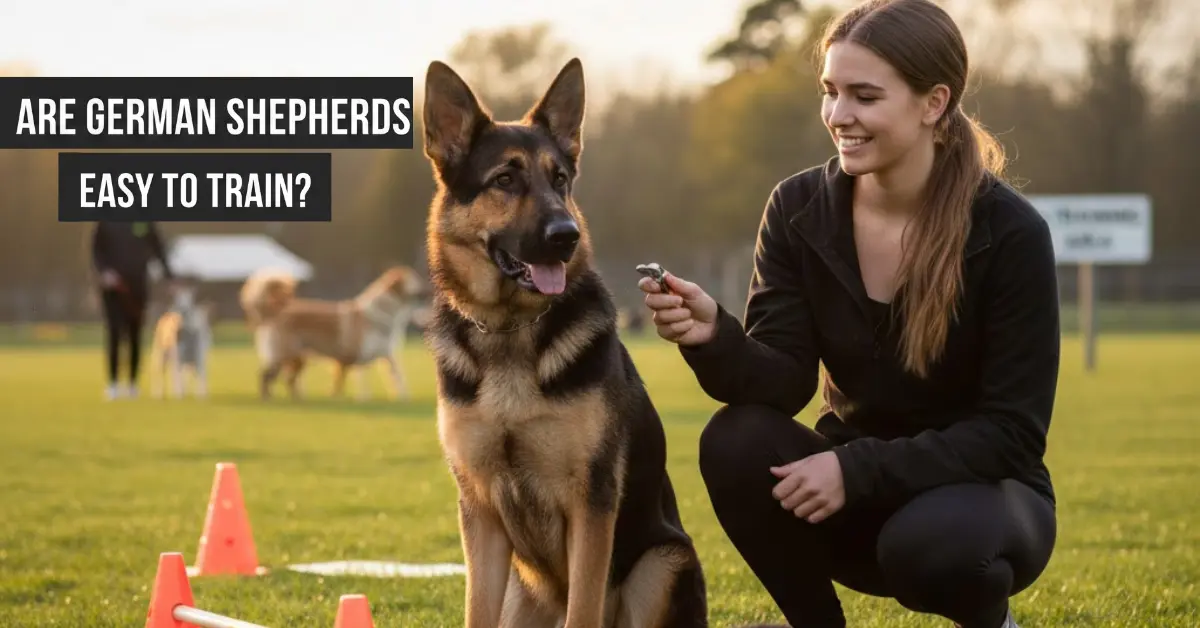
Proper socialization before 16 weeks and structured training through 24 months reduce risk. The AKC emphasizes early exposure to people, environments, and sounds to build balanced adults.
If behavior escalates beyond manageable levels, consult a certified professional trainer.
Who Should Not Get a German Shepherd?
German Shepherds are incredible but they are not for everyone.
You should reconsider if:
- You want a low-energy dog.
- You work long hours without support.
- You dislike structured training.
- You prefer minimal shedding (they shed heavily).
- You live in a very small space without exercise plans.
This breed thrives with purpose. Without stimulation, they may develop destructive behaviors.
They excel in homes that provide:
- Daily mental challenges
- Consistent leadership
- Clear boundaries
- Adequate physical outlets
If you’re still deciding whether this breed fits your lifestyle, our in-depth German Shepherd temperament guide and complete breakdown of the pros and cons of owning a German Shepherd can help you make an informed decision.
Monitoring Healthy Development
To ensure proper growth:
- Schedule regular vet checkups.
- Monitor weight monthly during the first year.
- Use a German Shepherd growth chart as a guide, not a rulebook.
- Watch body condition score (you should feel ribs but not see them sharply).
If you’re concerned about size or weight, your veterinarian can assess whether your dog is within a healthy weight for German Shepherd standards.
For feeding advice, see best food for German Shepherd puppies
Frequently Asked Questions
1. When does a German Shepherd stop growing in height?
Most stop growing taller between 12 and 18 months of age.
2. At what age is a German Shepherd fully grown?
They reach full physical maturity around 24–36 months.
3. How big do German Shepherds get?
Males average 65–90 pounds and 24–26 inches tall. Females average 50–70 pounds and 22–24 inches tall.
4. When do growth plates close in German Shepherds?
Growth plates usually close between 12 and 18 months.
5. Do male German Shepherds grow bigger than females?
Yes. Males are typically taller, heavier, and more muscular than females.
6. Can a German Shepherd grow after 2 years?
They rarely gain height after 18 months, but muscle mass can continue developing until 2–3 years.
Final Thoughts: Understanding the Full Growth Timeline
So, when does a German Shepherd stop growing?
They reach near-adult height around one year, but they don’t fully mature physically until 2–3 years of age. Growth plates close between 12 and 18 months, muscle fills in during the second year, and mental maturity arrives last.
Understanding this timeline helps you:
- Feed appropriately
- Exercise safely
- Set realistic expectations
- Avoid unnecessary worry
German Shepherds grow with purpose. Their development reflects their working heritage — strength, intelligence, and stamina take time to build.
If you support that process with balanced nutrition, proper training, and structured activity, you’ll raise a confident, powerful, and healthy companion.
References
- American Kennel Club (AKC) – German Shepherd Dog Breed Standard
- American Veterinary Medical Association (AVMA) – Large Breed Growth Guidance
- ASPCA – Dog Development & Behavior Resources
- German Shepherd Dog Club of America – Breed Health Information